Ancho Chile BBQ Sauce is a smoky, deeply spiced barbecue sauce built on rehydrated dried ancho chiles instead of the usual bottled ketchup base. Anchos are dried poblano peppers, and they bring a mild heat with raisin-like sweetness that regular chili powder simply can’t match. The result is a sauce with real depth — sweet from brown sugar and molasses, tangy from cider vinegar, warm from cumin and cayenne, and rich enough to hold its own against grilled ribeye or a rack of pork rib tips.
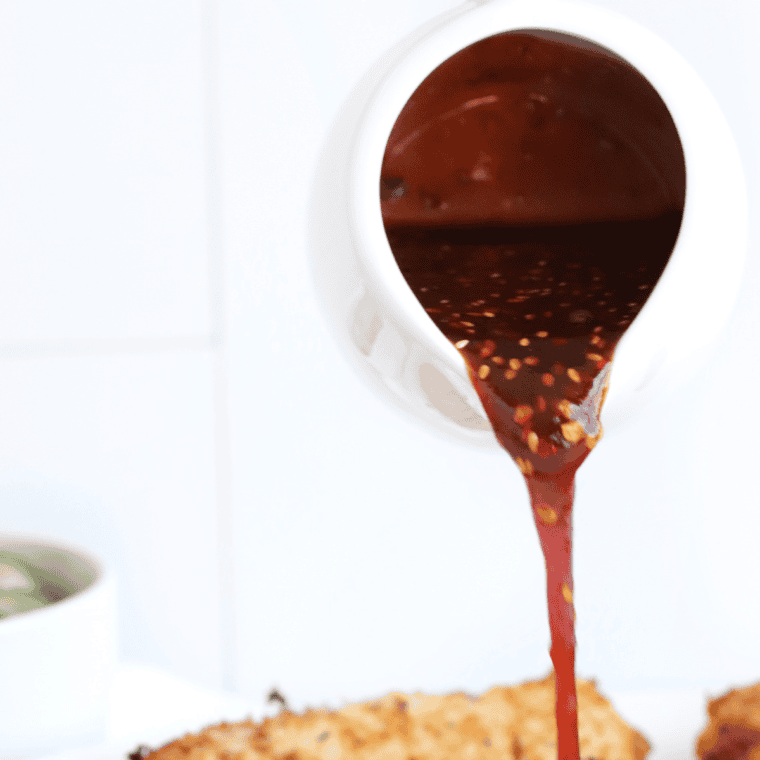
It takes about an hour, most of it hands-off, and it makes roughly a cup and a half. If you have ever paid seven dollars for a jar of “artisan” ancho barbecue sauce, this recipe will retire that habit.
Why You’ll Love This Ancho BBQ Sauce
- Real chile flavor, not just powder. Soaking whole dried anchos gives you a fruity, smoky base you cannot get from a spice jar.
- Sweet and smoky, not cloying. Molasses and brown sugar are balanced by cider vinegar and Worcestershire.
- Fully adjustable heat. Anchos sit around 1,000–2,000 Scoville units — mild. The cayenne is what sets the actual spice level, so you control it.
- Better on day two. The flavors meld overnight, which makes this an ideal make-ahead sauce for a cookout.
- Vegan as written, if you use a vegan Worcestershire sauce.
- Freezes beautifully for up to three months.
What Are Ancho Chiles?
Ancho chiles are poblano peppers that have been dried until they turn a deep brick red, almost black. They are the backbone of Mexican mole and adobo, and they taste like dried fruit — prune, raisin, a little coffee — with a gentle warmth rather than a sharp burn.
You’ll find them in the Latin foods aisle, usually in a cellophane bag near the dried beans. Look for chiles that are still pliable when you press the bag. If they crackle and snap, they’re old and will taste dusty rather than fruity.
Ancho vs. chipotle vs. guajillo: anchos are sweet, mild, and fruity. Chipotles are smoked jalapeños — much hotter, with an aggressive campfire smokiness (that’s the pepper doing the work in a chipotle dipping sauce). Guajillos are brighter and tangier with a slight berry note. You can substitute guajillos here for a sharper, more acidic sauce, but you’ll lose the round sweetness that makes ancho barbecue sauce what it is.
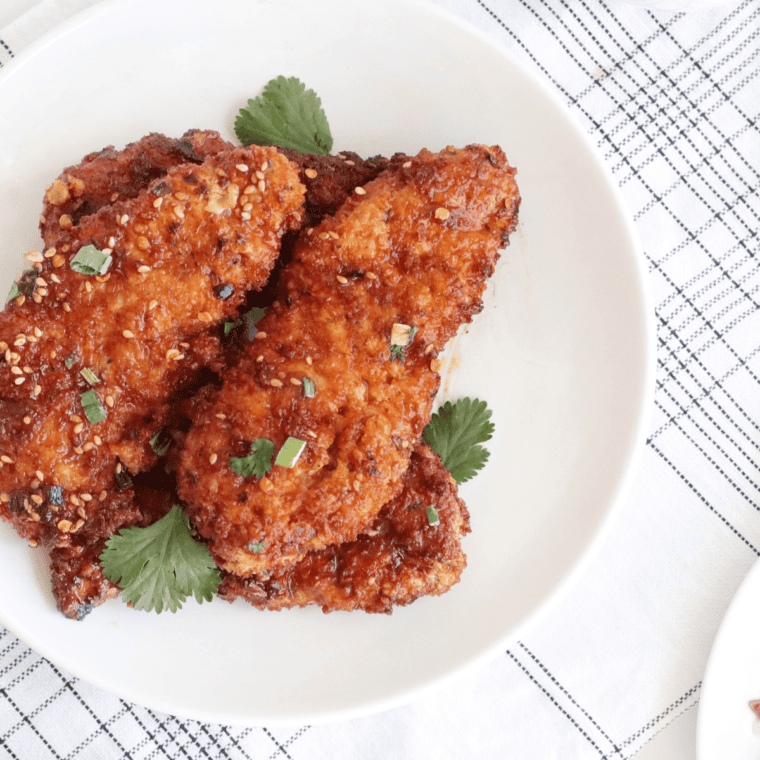
Is This Like Qdoba’s Ancho Chile BBQ Sauce?
It’s close in spirit, and a few small adjustments will get you closer still.
Qdoba’s version — the one served on their smoked brisket and ancho BBQ steak — is noticeably sweeter than a traditional barbecue sauce, with a mesquite smokiness and a faint bitter edge that reads as chocolate. That’s not an accident; the sauce takes its cues from Mexican mole, which traditionally includes chiles and a small amount of chocolate.
To steer this recipe toward that flavor:
- Swap the paprika for smoked paprika. This is the single biggest change. It supplies the mesquite note.
- Add 1 teaspoon of unsweetened cocoa powder with the other spices. You won’t taste chocolate — you’ll taste depth.
- Increase the brown sugar to ⅓ cup and pull the cayenne back to ½ teaspoon. Qdoba’s is a sweet sauce with a whisper of heat, not a spicy one.
- Blend it completely smooth and strain it. The restaurant version has no texture at all.
If you like this kind of restaurant re-creation, it’s worth browsing the rest of the copycat recipes on the site — that category is where most of these live.
Ancho BBQ Sauce Ingredients
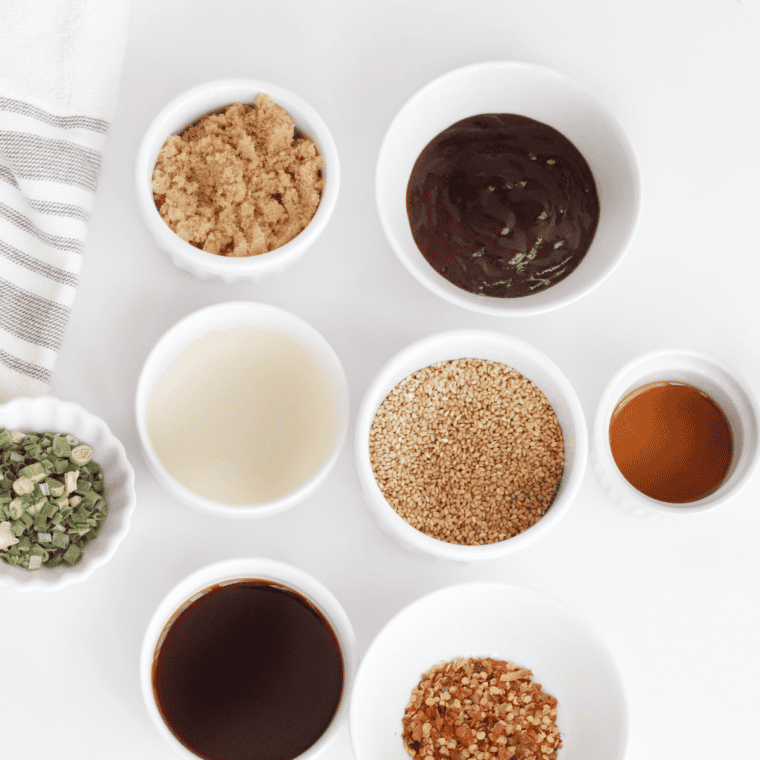
- Dried Ancho Chiles: The base of the sauce. Soaking whole dried poblanos gives you a fruity, mildly smoky flavor no powder can match.
- Vegetable Oil: Softens the onion and blooms the tomato paste.
- Yellow Onion: Adds body and background sweetness so the sauce isn’t just spiced ketchup.
- Fresh Garlic: The sharp aromatic edge that cuts through all the sugar.
- Tomato Paste: Tomato depth and thickening without the sugar and spice blend hiding inside bottled ketchup.
- Cider Vinegar: The acid. Without enough of it, barbecue sauce tastes syrupy no matter what else you do.
- Light Brown Sugar: Sweetness, caramel notes, and the glaze that caramelizes on the grill.
- Worcestershire Sauce: Savory backbone — it’s what makes the sauce taste like it simmered all afternoon.
- Molasses: Dark, faintly bitter richness and the deep color. The bitterness is structural, so don’t swap in more sugar.
- Cayenne Powder: Your heat dial. Anchos are mild, so nearly all the spice comes from here.
- Paprika: Color and mild sweetness.
- Ancho Chili Powder: Reinforces the whole chiles. This is ground ancho, not the generic blend with cumin and garlic in it.
- Ground Cumin: Earthy warmth that grounds the sweetness.
- Salt and Black Pepper: Season at the end — the sauce reduces by a third and concentrates as it goes.
- Chile Soaking Water or Stock: Thins the sauce. Save the soaking water; it’s already full of ancho flavor.
Substitutions and Variations
- Chiles: Guajillo for brighter and tangier, pasilla for darker and more mole-like. No whole chiles? Use 3 tablespoons ancho chili powder plus ¼ cup extra stock.
- Smoked paprika in place of regular is the single best upgrade — it adds the mesquite note people associate with restaurant BBQ sauce.
- Sweetener: Honey or maple syrup at 3 tablespoons. Dark brown sugar for a deeper sauce.
- Heat: Drop the cayenne to ¼ teaspoon for kids. Swap in chipotle powder for smokier heat.
- Vegan: Use vegan Worcestershire and vegetable stock. Traditional Worcestershire contains anchovies.
- Liquid: Beef stock makes a heavier sauce for grilled ribeye or pork rib tips. A splash of bourbon or dark beer works too.
Why Tomato Paste Instead of Ketchup
Most ancho barbecue sauce recipes start with a cup of ketchup. That’s a shortcut with a cost — ketchup brings its own sugar, vinegar, and clove-allspice profile, all of which crowd out the chiles you just spent twenty minutes rehydrating.
Two tablespoons of tomato paste give you depth and thickening while leaving the anchos in front. It also means you control sweetness and acidity separately, which is why the heat and sugar here are so easy to adjust.
How to Make Ancho Chile BBQ Sauce
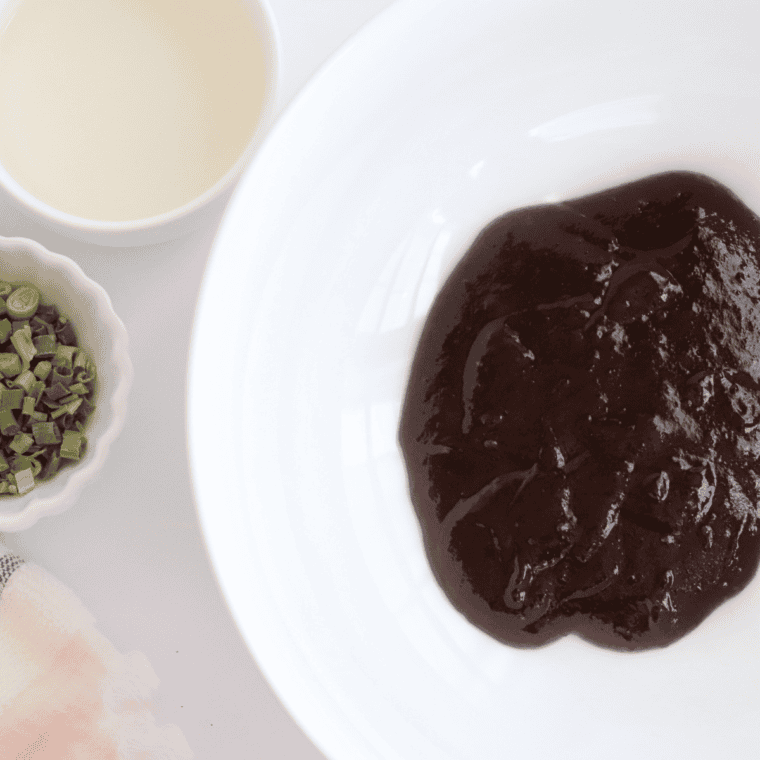
Step One: Stem and seed the ancho chiles. Cover with ½ cup warm water or stock and soak 15 to 20 minutes, until floppy. Purée chiles and soaking liquid into a smooth paste.
Step Two: Heat the oil over medium. Cook the onion 4 to 5 minutes until translucent. Add garlic, cook 1 minute, stirring constantly. Stir in tomato paste and cook 2 to 3 minutes until it darkens and smells toasted — don’t skip this, it’s where a lot of the richness comes from.
Step Three: Add cider vinegar, brown sugar, Worcestershire, and molasses. Stir in the ancho paste and bring to a simmer.
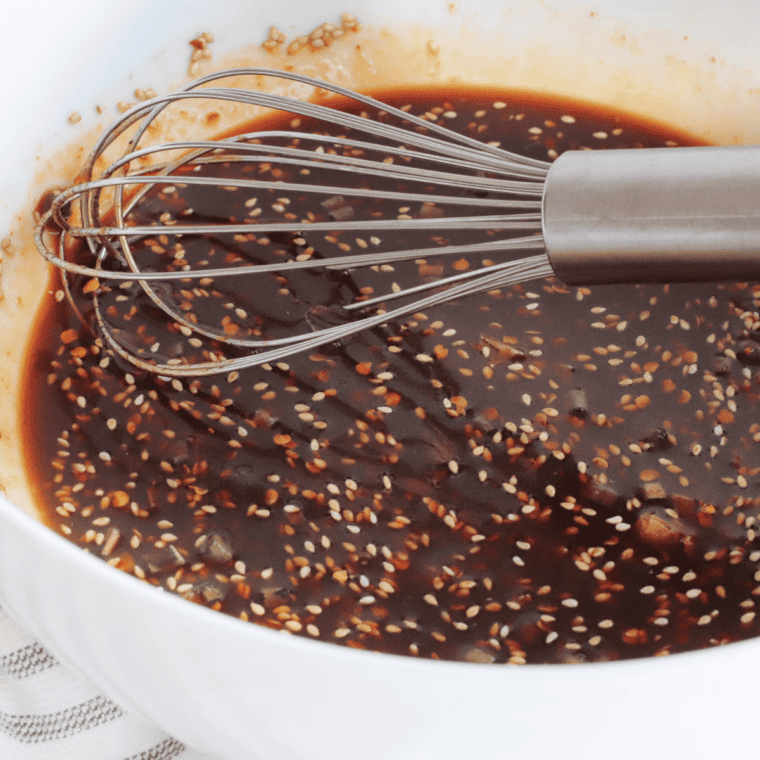
Step Four: Add cayenne, paprika, ancho chili powder, cumin, salt, and pepper. Simmer on low 20 to 30 minutes, until it coats the back of a spoon. Thin with soaking liquid if it tightens too much.
Step Five: Taste and adjust. Cool to room temperature before using. For restaurant-smooth texture, blend again and press through a fine-mesh strainer.
Recipe Tips
- Toast the chiles first. Thirty seconds per side in a dry skillet before soaking. Watch closely — burnt ancho is bitter and unsalvageable.
- Make it a day ahead. The vinegar edge softens and the chile comes forward.
- Strain it if you want a glossy pourable sauce. Ancho skins never fully break down in a blender.
- Brush it on late. The sugar content means it burns if you apply it early — last ten minutes of cooking only.
What to Serve With Ancho Chile BBQ Sauce
Excellent on pollo asado chicken, Korean-style short ribs, a T-bone steak, or anything off a Blackstone griddle — especially mojo chicken tacos and loaded grilled nachos.
As a dip, it holds up to seasoned fries, onion rings, and roasted vegetables.
For a full plate, the sweetness plays against creamy coleslaw, cornbread, baked beans, and grilled corn on the cob.
Want a different direction? Sweet honey bourbon BBQ sauce is milder, hot honey BBQ sauce is spicier, and Greek yogurt BBQ sauce is the lighter option.
Storing and Freezing
- Refrigerator: Cool completely, store airtight up to 2 weeks. Glass beats plastic — it’ll stain, but the flavor stays cleaner.
- Freezer: Up to 3 months. An ice cube tray gives you single-serving portions.
- Reheating: Thaw overnight in the fridge. Warm gently over low heat, adding a splash of water if it’s thickened.
Ancho Chile BBQ Sauce FAQs
What is ancho chili powder? Ground dried poblano peppers. Mild, smoky-sweet, and much fruitier than the generic “chili powder” blend, which is usually chile plus cumin, garlic, and oregano.
Can I use ancho chili powder instead of whole chiles? Yes, but the sauce will be thinner and less complex. Use 3 tablespoons plus an extra ¼ cup stock.
How spicy is this sauce? Mild to medium. Anchos are barely hotter than a bell pepper — the cayenne provides nearly all the heat. Drop it to ¼ teaspoon for a family version.
Can I make it ahead? Yes, and you should. It’s better on day two and keeps two weeks refrigerated.
Why is my sauce bitter? Over-toasted chiles, or seeds left in. Remove every seed and toast no more than thirty seconds per side.
Is this BBQ sauce vegan? Yes, with vegan Worcestershire — the traditional kind contains anchovies.
How much does it make? About 1½ cups, or 8 servings of roughly 3 tablespoons.
Ancho Chile BBQ Sauce
Description
Ingredients
- 3 dried ancho chiles, stemmed and seeded
- 1 tablespoon vegetable oil
- 1 medium yellow onion, chopped
- 2 cloves garlic, minced
- 2 tablespoons tomato paste
- ¼ cup cider vinegar
- ¼ cup light brown sugar, packed
- 2 tablespoons Worcestershire sauce
- 2 tablespoons molasses
- 1 teaspoon cayenne powder, adjust to taste
- 1 teaspoon paprika, or smoked paprika
- 2 teaspoons ancho chili powder
- 1 teaspoon ground cumin
- 1 teaspoon salt
- ½ teaspoon black pepper
- ½ cup soaking water or stock, plus more for thinning
Instructions
- Stem and seed the ancho chiles. Cover with ½ cup warm water or stock and soak 15 to 20 minutes until softened. Purée chiles and liquid into a smooth paste.
- Heat the oil in a saucepan over medium. Cook the onion 4 to 5 minutes until translucent. Add garlic and cook 1 minute more.
- Stir in tomato paste and cook 2 to 3 minutes until darkened and fragrant.
- Add cider vinegar, brown sugar, Worcestershire, and molasses. Stir in the ancho paste and bring to a simmer.
- Add cayenne, paprika, ancho chili powder, cumin, salt, and pepper. Simmer on low 20 to 30 minutes, until thick enough to coat a spoon.
- Thin with soaking liquid if needed. Taste and adjust salt, sugar, and heat.
- Cool to room temperature before serving. For smooth restaurant texture, blend again and strain.
Equipment
- Saucepan
- Blender
- Fine-mesh strainer (optional)
Notes
Nutrition
Share this recipe
We can’t wait to see what you’ve made! Mention @forktospoon or tag #forktospoon!