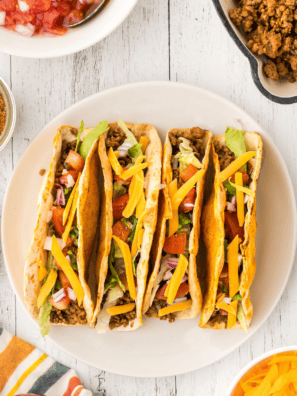
If you have ever reached for a seasoning packet halfway through cooking dinner only to find the box empty, this homemade fajita seasoning is about to become a permanent fixture in your spice cabinet. It comes together in about five minutes from spices you almost certainly already own, and it tastes remarkably close to the McCormick packet, minus the anti-caking fillers and the trip to the store.
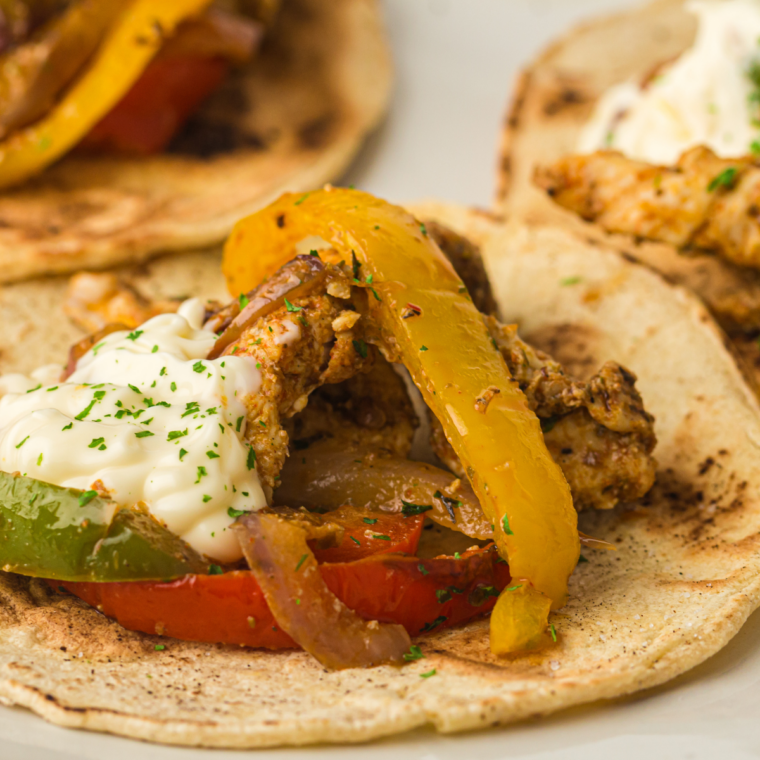
What sets a fajita blend apart from a standard taco mix is the brightness. This one leans harder on cumin and a little citrus zing, so it carries that distinctive smoky-tangy flavor you expect from a sizzling skillet of chicken or steak fajitas. Make a single batch for tonight, or scale it up and keep a jar on hand for weeknight dinners all month long.
Why You’ll Love This Recipe
- Faster than a grocery run. Stir everything in one bowl and you are done in under five minutes.
- No mystery ingredients. You control the salt, the heat, and what goes in. No fillers or preservatives.
- One batch equals one packet. Four tablespoons of this blend replaces a single 1.12 oz store packet, so it slots right into any recipe.
- Endlessly versatile. It is built for fajitas but works just as well as a rub, a marinade base, or a sprinkle over soups and roasted vegetables.
- Naturally gluten-free and easy to make to your own taste.
What Is Fajita Seasoning?
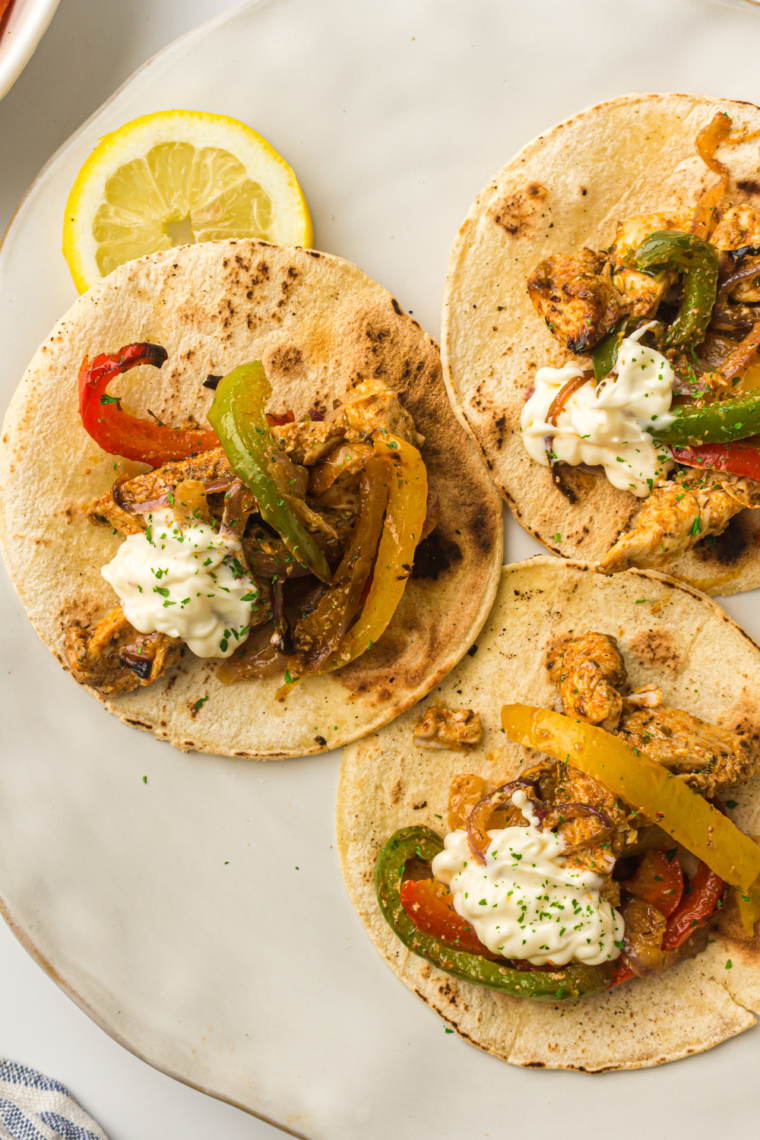
The word fajita means “little strips” in Spanish, a nod to the thin slices of grilled meat that fill the dish. A classic fajita is sliced chicken or steak cooked with charred peppers and onions, then tucked into a warm tortilla with cheese and sour cream. Almost all of that flavor comes from the seasoning, which is a simple blend of salt, cumin, chili powder, and a handful of warm aromatic spices.
Fajita seasoning and taco seasoning are close cousins, but they are not identical. Taco mixes are built mostly around chili powder. Fajita blends push cumin forward and add a tangy, citrusy note that taco seasoning usually skips. Both run mild unless the label says otherwise.
Fajita Seasoning Ingredients
Here is everything in the blend and why it earns a spot:
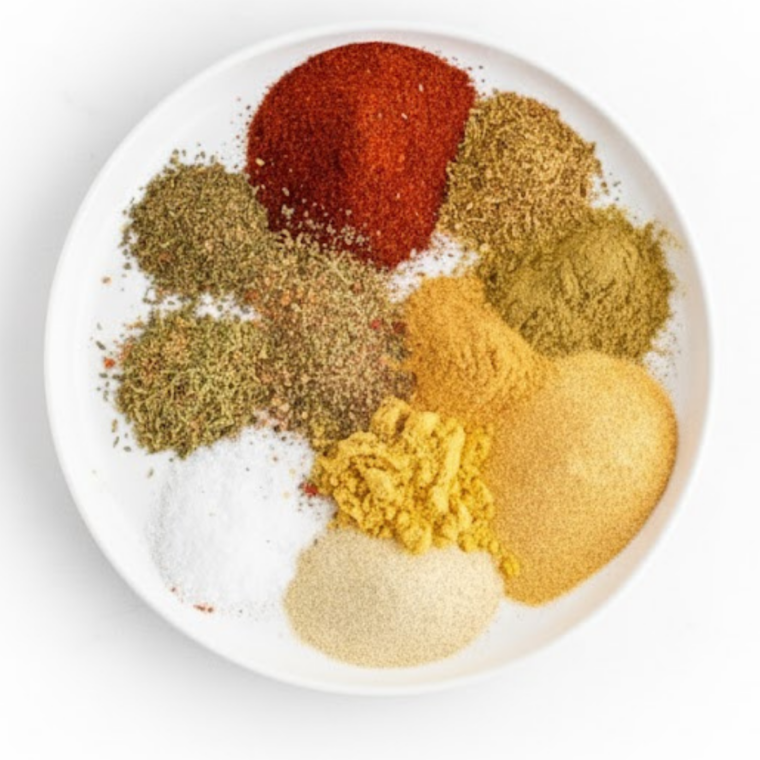
- Salt — the backbone of the mix. Fine sea salt blends most evenly; a quick spin in a coffee grinder helps if yours is coarse.
- Cumin — the dominant flavor and what makes a fajita taste like a fajita.
- Coriander — warm and slightly citrusy, it rounds out the cumin.
- Chili powder — gentle heat and color.
- Paprika — mild sweetness and a deeper red hue.
- Cayenne pepper — just a pinch for a background kick. Add more if you like it hot.
- Turmeric — a small amount for warmth and golden color.
- Ground ginger — a subtle, bright lift.
- Citric acid — the secret weapon. It mimics the lime-powder tang found in commercial packets. (See the substitute below if you do not keep it on hand.)
- Cornstarch — a touch helps the blend cling to meat and thicken pan juices, exactly like the packet does.
Optional flavor boost: stir in 1/2 teaspoon of dried oregano for an herbal note. Some chili powders already include it, which is why it is left out of the base recipe.
Where to Buy Citric Acid (and What to Use Instead)
Citric acid is what gives this seasoning its zesty, packet-style tang. You can find it with cheesemaking and canning supplies, in the bulk spice aisle, or online. It is inexpensive, lasts a very long time, and even stores well in the freezer without clumping.
No citric acid? Use fresh lime or lemon juice instead. Swap roughly 2 tablespoons of juice for every 1 teaspoon of dry citric acid, adding it directly to the meat as it cooks rather than to the dry mix.
How to Make Fajita Seasoning
This may be the easiest recipe you make all week.
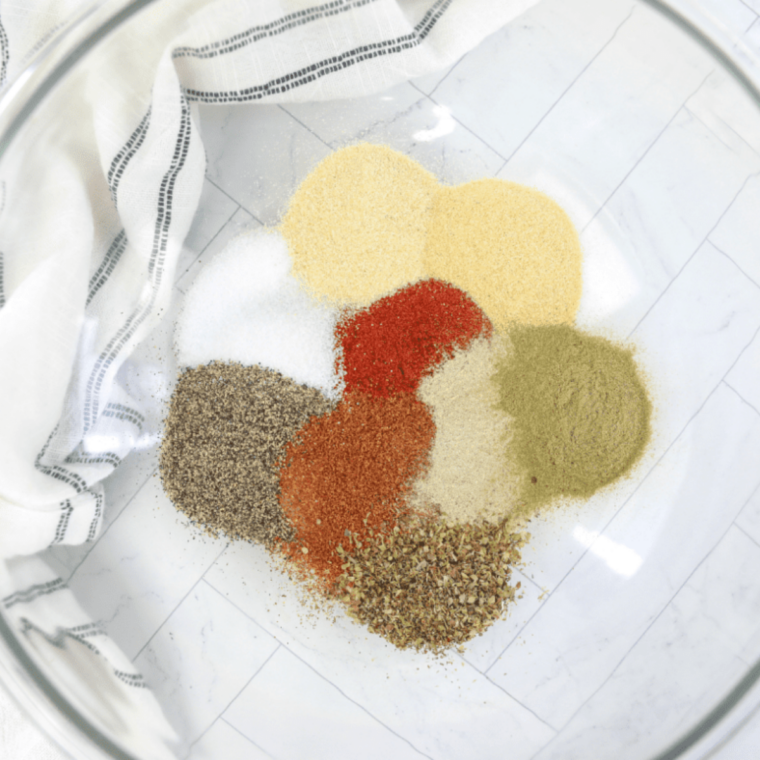
- Combine. Add all of the spices to a small bowl.
- Whisk. Stir with a small whisk or spoon until the color is even throughout.
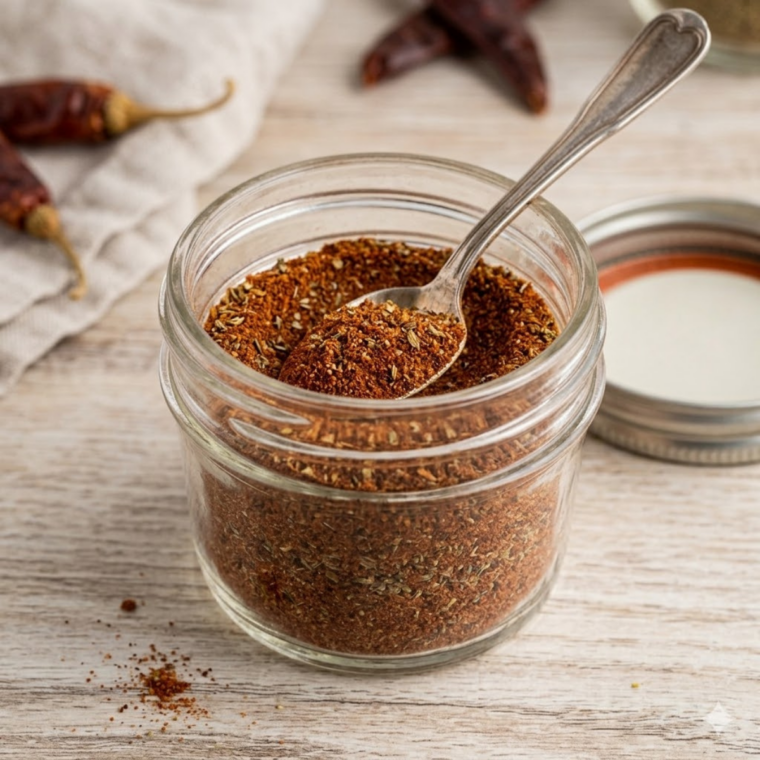
- Store or use. Transfer to an airtight spice jar, or use it right away.
That is the entire process. One bowl, one whisk, done.
How to Use Fajita Seasoning
One batch (about 4 tablespoons) seasons roughly 2 pounds of meat, poultry, seafood, or vegetables.
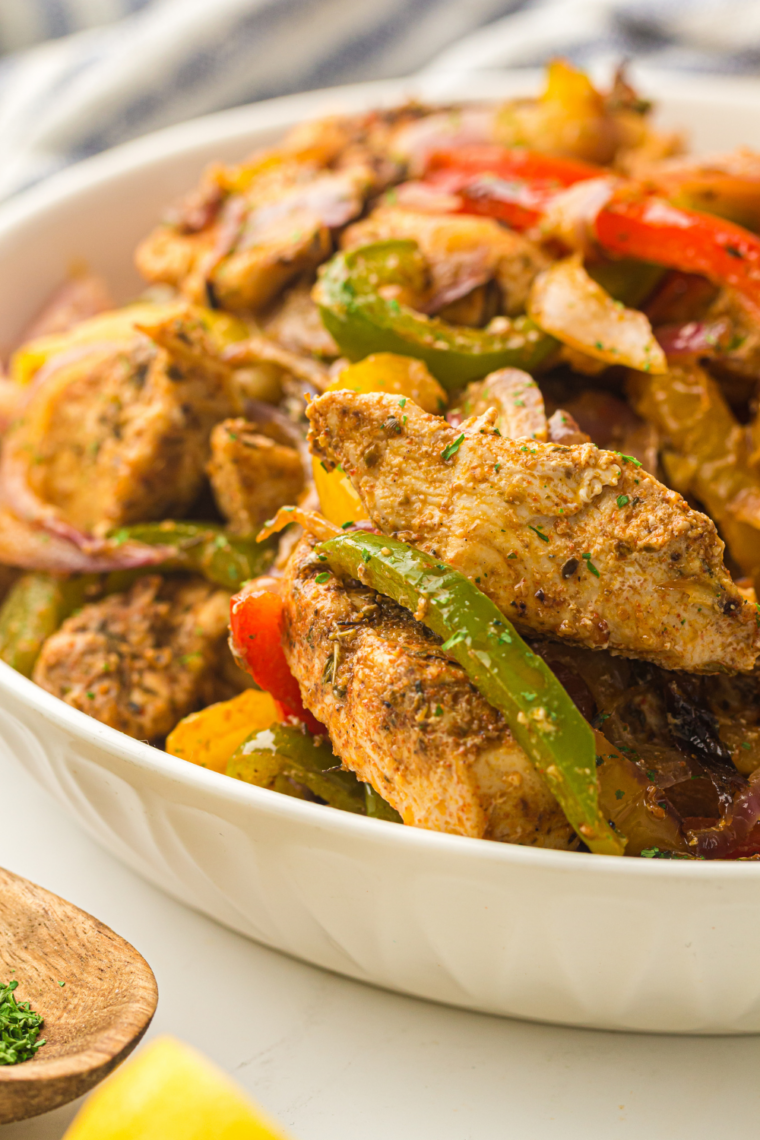
- For fajitas: sprinkle the seasoning over your protein as it cooks in a little oil in a hot skillet, or use it as a quick marinade by rubbing it into the meat first. It shines in classic chicken fajitas and steak fajitas alike, and you can even stretch it into a cozy chicken fajita pasta for a weeknight twist.
- For a marinade: combine the seasoning with a splash of oil and lime juice, then let the meat sit for 20–30 minutes before cooking. This is the secret behind restaurant-style versions like these copycat Chili’s steak fajitas and a Lupe Tortilla fajita copycat.
- For meatless meals: toss it with bell peppers and onions for smoky fajita vegetables that pile beautifully into tacos, burrito bowls, or quesadillas.
- For that restaurant sizzle: heat a cast-iron pan in a 500°F oven, add your cooked filling, and drizzle the edges with oil so it sizzles at the table.
It works on the stovetop, in the oven, on the grill, or in the air fryer.
Creative Ways to Use It Beyond Fajitas
This blend is far too good to save for tortillas alone. Try it:
- In a fajita bowl — serve the filling over rice or a bed of lettuce for a low-carb, gluten-free meal, the same idea behind these shrimp fajita bowls.
- As a taco seasoning stand-in for ground beef — it works much like a homemade taco seasoning.
- Sprinkled into chili or taco soup for a deeper flavor, the way a good chili seasoning layers in warmth.
- Stirred into Alfredo sauce for a quick Mexican-style pasta.
- On roasted vegetables for an easy vegetarian side or main, like these smoky fajita vegetables.
- On shrimp — toss with a pound of peeled shrimp for fast shrimp fajitas.
- On salmon — season four fillets and roast on a sheet pan with a little lime juice and water for juicy fish.
- As a pork rub for carnitas-style pulled pork.
How to Store Fajita Seasoning
Because this is a dry blend, it keeps for a long time. Ground spices stay flavorful for 2 to 3 years when stored properly.
- Keep it in an airtight container or a sealed freezer bag.
- Store it somewhere cool, dark, and dry, away from sunlight and the heat of the stove.
- Keep the jar away from steam and moisture so the blend does not clump.
- Repurpose an empty store-bought spice container, or triple the batch and keep it in a larger jar for easy refills.
Frequently Asked Questions
What is the difference between taco and fajita seasoning? They share many of the same spices, but taco seasoning is built mostly on chili powder, while fajita seasoning has more cumin and a tangy, citrusy edge. Both are mild unless labeled hot.
Can I make this without citric acid? Yes. Leave the citric acid out of the dry mix and add about 2 tablespoons of fresh lime or lemon juice to the meat as it cooks for each teaspoon of citric acid the recipe calls for.
How much homemade seasoning equals one packet? About 4 tablespoons of this blend equals one 1.12 oz store-bought packet.
Is this fajita seasoning spicy? No, it is mild as written. Bump up the cayenne or add a pinch of crushed red pepper if you want more heat.
What does “fajitas de pollo” mean? It is simply Spanish for chicken fajitas.
Where can I buy fajita seasoning if I don’t want to make it? Most grocery stores stock it in the spice aisle, and it is widely available at Walmart, Amazon, and similar retailers. But once you taste the homemade version, you may not go back.
More Mexican-Inspired Recipes to Try
- Homemade Taco Seasoning
- Culver’s George’s Chili Copycat Recipe
- Chicken Quesadillas
- Easy Blackstone Breakfast Quesadillas
- 15-Minute Air Fryer Salsa Verde
- Chipotle Guacamole Recipe
Homemade Fajita Seasoning (McCormick Copycat)
Description
Ingredients
- 1 Tbsp ground cumin
- 1 Tbsp ground coriander
- 1 tsp salt
- 1 tsp chili powder
- 1/2 tsp paprika
- 1/2 tsp cornstarch
- 1/4 tsp citric acid
- 1/4 tsp ground ginger
- 1/8 tsp turmeric
- 1/8 tsp cayenne pepper
- 1/2 tsp dried oregano
Instructions
- Add all of the spices to a small mixing bowl.
- Whisk together until the blend is evenly colored.
- Use immediately to season up to 2 pounds of meat, seafood, or vegetables, or transfer to an airtight spice container and store in a cool, dark place.
Equipment
- Small mixing bowl
- Wire whisk
- Spice container (for storing)
Notes
- Citric acid substitute: Use 2 tablespoons of fresh lemon or lime juice for every 1 teaspoon of citric acid, adding it to the meat as it cooks.
- Heat level: Mild as written. Increase the cayenne for more spice.
- Yield: One batch (4 Tbsp) equals one 1.12 oz store-bought packet.
- Storage: Keeps 2–3 years in an airtight container in a cool, dark, dry place.
Nutrition
Share this recipe
We can’t wait to see what you’ve made! Mention @forktospoon or tag #forktospoon!