
Homemade orange marmalade used to mean an entire afternoon at the stove, stirring a pot and hoping the peel softened before the sugar scorched. The Instant Pot changes that. Ten minutes under pressure does what an hour of simmering does — it breaks down the peel completely — and then you finish it on sauté in about fifteen minutes.

Three ingredients. About forty minutes. Roughly five jars of bright, bittersweet marmalade with real peel suspended in it.
I’ve been making jam in the Instant Pot for years — my Instant Pot Strawberry Jam and Instant Pot Raspberry Jam are two of the most-made recipes on this site — but marmalade is the one where the pressure cooker earns its keep the most. Berries break down on their own. Citrus peel does not.
Why You’ll Love This Recipe
- Three ingredients. Oranges, sugar, water. That’s genuinely it.
- No pectin required. Citrus peel and seeds are loaded with natural pectin. You don’t need a box of anything.
- No canning equipment. This is a refrigerator marmalade. Clean jars and a fridge are all you need.
- The peel actually gets tender. This is the part stovetop cooks struggle with, and pressure cooking solves it completely.
- It makes a genuinely good gift. Five jars from six oranges, and homemade marmalade looks like it took far more effort than it did.
What Makes Marmalade Different From Jam
Jam is fruit pulp and sugar. Marmalade is citrus — juice, pulp, and peel — cooked with sugar until it sets. That peel is the whole point. It’s where the slight bitterness comes from, where most of the pectin lives, and why marmalade has that translucent, shred-suspended-in-jelly look instead of the opaque texture of a berry jam like my Instant Pot Blackberry Jam.
It also means you’re eating the peel, so wash your oranges well and buy organic if that matters to you.
The Best Oranges for Marmalade
This is the single decision that most affects your results.
Seville oranges are the traditional choice and genuinely the best if you can find them. They’re bitter, seedy, and very high in pectin — everything you want. Their season is short, roughly January into early March, and they show up in specialty grocers and some Latin markets labeled as sour or bitter oranges. If you see them, buy extra.
Navel oranges are what most of us will actually use, and they work well. They’re sweeter and lower in pectin, so the marmalade sets a little softer and tastes less bitter. That’s not a flaw — it’s just a different, more approachable marmalade. This is what the recipe below is written for.
Cara Cara or blood oranges make a beautiful marmalade with a pink to ruby cast. Slightly lower acid, so the lemon juice below becomes more important.
Thin-skinned oranges of any variety are easier to work with than thick-skinned ones. Thick pith is where bitterness concentrates.
Whatever you choose, pick fruit that feels heavy for its size and firm all over. Soft spots mean the fruit is past it.
Ingredients
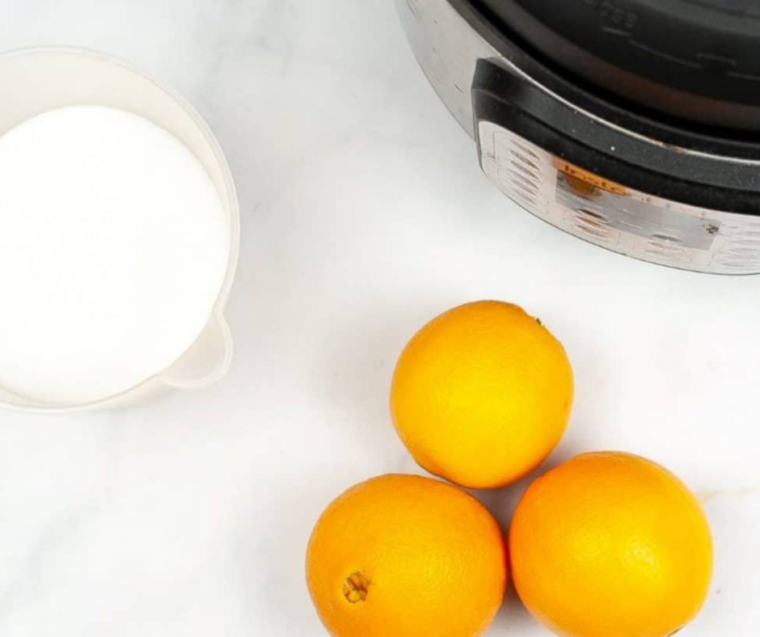
- Oranges: Washed and scrubbed well, since the peel goes into the pot. Look for fruit that feels heavy for its size with no soft spots.
- Granulated sugar: Sugar isn’t only for sweetness here. It’s the preservative and it’s what allows the marmalade to gel. Cutting it significantly will change both the set and the shelf life.
- Water: Softens the peel during pressure cooking and gives the pot enough liquid to come to pressure.
- Fresh lemon juice: Optional but recommended, especially with sweet navel oranges. Lemon juice adds the acidity that natural pectin needs to gel properly, and it sharpens the flavor.
How to Make Orange Marmalade in the Instant Pot

Step 1: Wash and slice. Scrub the oranges under warm water and dry them. Cut each orange in half, lay the flat side down on your board, and slice as thinly as you can manage — about ⅛ inch. A sharp knife works; a mandoline works better. Stack the slices and cut them into quarters if you want shorter shreds.
Step 2: Pick out the seeds. Six oranges will give you a fair number. Flick them out as you slice. A few missed seeds won’t ruin the batch, but they’re unpleasant to bite into. (If you want extra pectin, tie the seeds in a small piece of cheesecloth and drop the bundle in during pressure cooking, then fish it out before you sauté.)
Step 3: Pressure cook. Add the sliced oranges, sugar, water, and lemon juice to the inner pot. Stir well — you want the sugar wet, not sitting in a dry layer on the bottom. Lock the lid, set the valve to Sealing, and cook on High Pressure for 10 minutes.
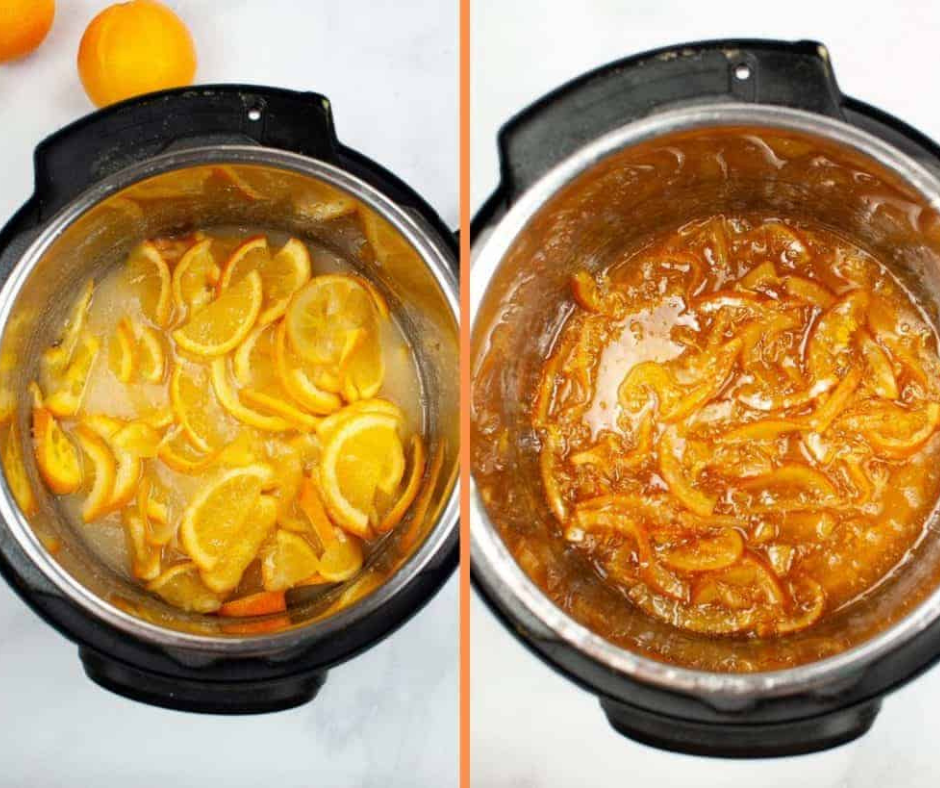
Step 4: Natural release. When the timer finishes, leave the pot alone and let the pressure drop on its own, about 10–15 minutes. Do not quick-release. Sugar syrup under pressure will spit hot liquid through the valve.
Step 5: Reduce on Sauté. Remove the lid and turn on Sauté. Bring the marmalade to a steady boil and cook, stirring often, until it reaches 220°F to 222°F on a candy thermometer — usually 15–20 minutes. Stir more frequently toward the end, since the sugar concentration climbs and it will catch on the bottom if you walk away.
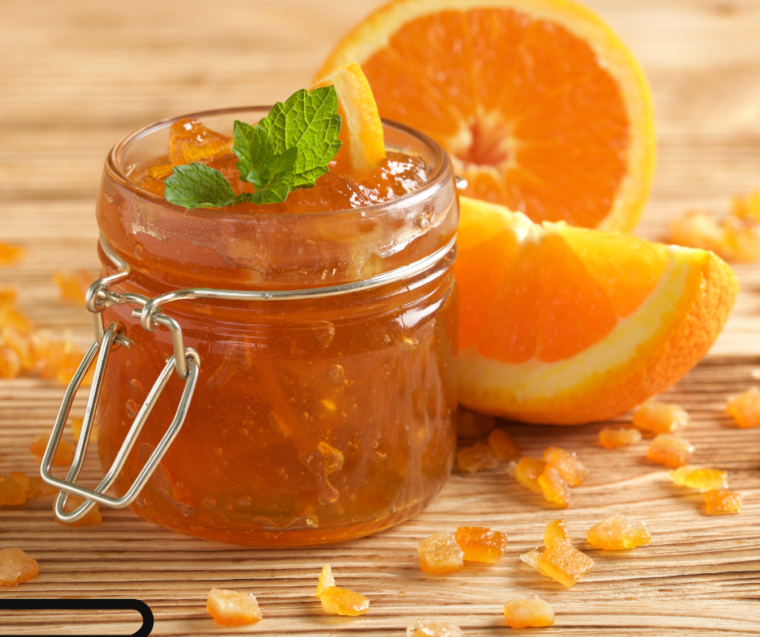
Step 6: Test the set, then jar it. Once it hits temperature, hit Cancel. Ladle the marmalade into clean jars, leaving a bit of headroom. Let it cool completely on the counter — an hour or two — before capping and refrigerating.
Step 7: Give it time. Marmalade looks alarmingly loose when hot. It thickens as it cools and continues to firm up in the fridge over the next 12–24 hours. Don’t judge the set until the next day.
Do You Need Pectin?
No. Citrus peel, pith, and seeds are among the richest natural sources of pectin there is, which is exactly why commercial pectin is often made from citrus. Adding a box on top of that is how you get marmalade with the texture of a gummy candy.
The one case for it: if you want to make a low-sugar marmalade, you do need special low- or no-sugar pectin, because standard pectin requires a high sugar concentration to gel at all. Follow the package instructions rather than this recipe if you go that route — the ratios are different.
If you want a jam that skips pectin a different way, my Instant Pot Mixed Berry Jam uses a cornstarch slurry instead.
How to Tell When Marmalade Is Set
Two methods, and I’d use both.
Thermometer. 220°F at sea level is the gel point. It’s the most reliable single indicator. Subtract about 1°F for every 500 feet of elevation — at 5,000 feet you’re aiming closer to 210°F. A clip-on candy thermometer beats an instant-read here because you can watch it climb.
Cold plate test. Put three small plates in the freezer before you start. When you think it’s close, drop a spoonful on a cold plate and put it back in the freezer for a minute. Push it with your fingertip: if the surface wrinkles and the marmalade holds a line where your finger passed, it’s done. If it floods back, keep cooking and test again in five minutes.
Traditional Marmalade vs. the Instant Pot Method
Traditional marmalade is a two-stage, sometimes two-day process. You simmer the peel in water for an hour or more until it’s completely soft, then add sugar and boil hard to the gel point. Adding sugar too early is the classic mistake — it sets the peel permanently tough, and no amount of further cooking will fix it.
The pressure cooker collapses that first stage into ten minutes. Steam at pressure penetrates the peel far faster than a simmer does, which is why you can add the sugar at the beginning here and still end up with tender shreds.
What you trade: a little control. On the stovetop you can taste and adjust as the peel softens. Under pressure you’re committed for ten minutes. In practice this matters very little, and the time saved is substantial.

Variations
Mandarin or clementine marmalade. Sweeter and much lower in pectin. Use the lemon juice — don’t skip it — and expect a softer set. Slice them thin; the peel is delicate. This is the mildest, most kid-friendly version.
Meyer lemon marmalade. Swap the oranges for Meyer lemons and drop the sugar to about 4 cups. Floral, tart, and excellent on scones.
Lemon marmalade. Regular lemons make a sharp, assertive marmalade. Use 4½ cups sugar and expect a firmer set — lemons are high in pectin.
Grapefruit marmalade. Distinctly bitter in a way people either love or don’t. Remove more of the pith than you would with oranges.
Mixed citrus. Four oranges plus one lemon and one grapefruit is a good starting ratio. The lemon does double duty as the acid.
Spiced orange marmalade. Add a cinnamon stick, four whole cloves, and a few slices of fresh ginger before pressure cooking. Remove the whole spices before you sauté. This is the version to make for gifting in December — it pairs beautifully with a cheese board and does good things to a ham glaze.
Whiskey or Grand Marnier marmalade. Stir 2 tablespoons in during the last minute of the sauté stage, after it’s reached temperature. Adding it earlier just cooks the alcohol off.
Troubleshooting
My marmalade didn’t set. Almost always undercooking. Pour it back into the pot and sauté it further, checking the temperature — you want a true 220°F, not 215°F. Second most common cause is not enough acid; stir in another tablespoon of lemon juice and continue. And if it’s been less than 24 hours, wait before you do anything. A lot of “failed” marmalade is just marmalade that hasn’t finished cooling.
It’s rock hard. Cooked past the gel point. You can salvage it by returning it to the pot with a few tablespoons of water or orange juice and warming gently until it loosens. This is why I moved the target down from 225°F — those extra degrees make a real difference.
It’s too bitter. Thick-skinned oranges with a lot of white pith are the usual culprit. Next batch, either choose thinner-skinned fruit or pare away some of the pith before slicing. You can also blanch the slices in boiling water for a minute and drain before they go in the pot.
I got a BURN notice. The sugar settled on the bottom before it dissolved. Stir thoroughly before locking the lid so the sugar is fully wetted, and make sure your inner pot has no scorched residue from a previous cook. If it triggers, release pressure, transfer everything to a clean pot, scrape the bottom, and restart.
It foamed up. Normal. Skim the foam off during the sauté stage with a spoon, or stir in a tiny piece of butter — about ¼ teaspoon — which knocks the foam down immediately.
The peel floated to the top of the jars. Let the marmalade sit and cool for 10 minutes after it comes off the heat before you ladle it. As it starts to thicken, the shreds stay suspended instead of rising.

Storing Orange Marmalade
Refrigerator: Store in clean, sealed jars for up to 3 months. Always use a clean, dry spoon.
Freezer: Freeze in freezer-safe containers with about an inch of headspace for up to a year. Thaw in the fridge overnight.
Water bath canning: This recipe is written as a refrigerator marmalade, and that’s how I make it. If you want shelf-stable jars, you need to follow tested canning procedures rather than improvise — sterilized jars, ¼-inch headspace, new lids, and a full boiling water bath with the processing time adjusted for your altitude. The National Center for Home Food Preservation publishes the tested guidelines, and it’s worth using them rather than a recipe blog for this step, mine included.
Ways to Use Orange Marmalade
The obvious answer is toast, and toast is a good answer. But this is a genuinely useful thing to have in the fridge:
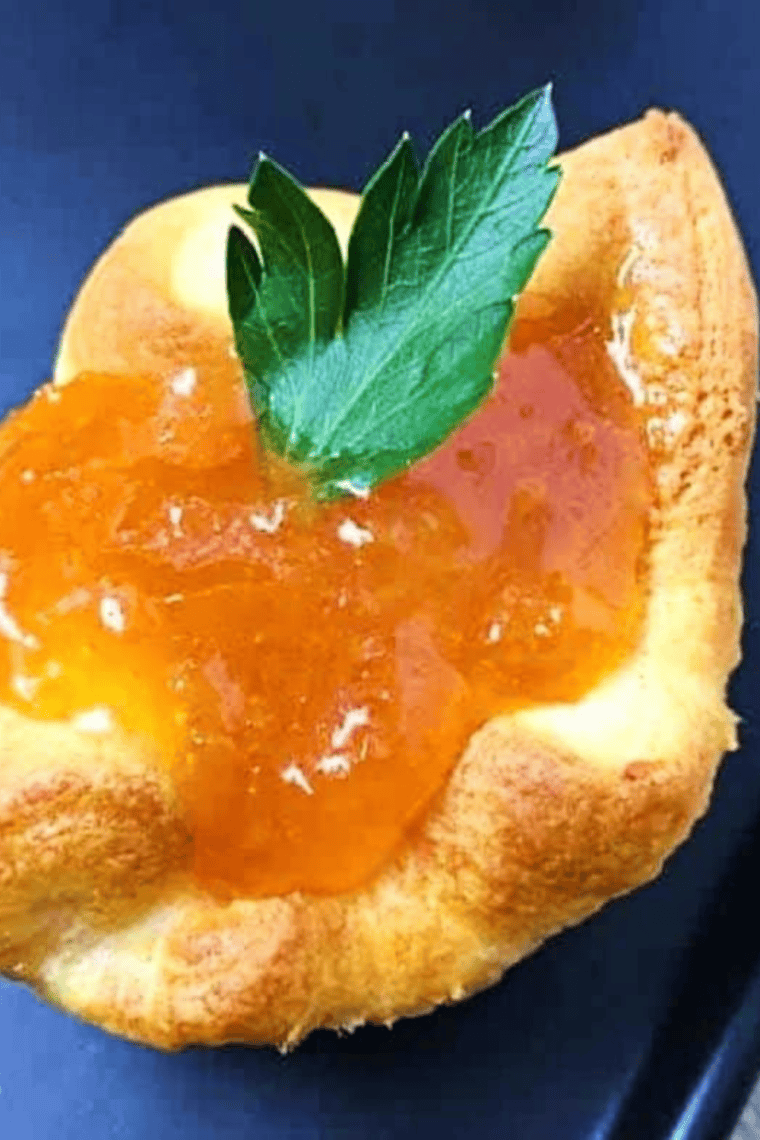
- Spread on warm Air Fryer Baking Powder Biscuits or Bisquick Biscuits in the Air Fryer
- Served alongside Air Fryer Cheese Scones — the sweet-savory combination is excellent
- Spooned over a stack of Air Fryer Pancakes from Scratch
- Whisked with soy sauce and garlic into a glaze for chicken, pork, or salmon
- Warmed and brushed over a ham in the last twenty minutes of roasting
- Melted into a pan sauce for duck or pork chops
- Spooned over cream cheese and served with crackers as a five-minute appetizer
- Stirred into plain yogurt or oatmeal
- Swirled into pound cake or muffin batter
- Shaken into a whiskey sour in place of simple syrup
More Instant Pot Jam Recipes
If this one works out for you, these use the same method with different fruit:
- Instant Pot Strawberry Jam — the easiest place to start
- Instant Pot Raspberry Jam — ready in under 20 minutes
- Instant Pot Blackberry Jam — no pectin needed
- Instant Pot Cherry Jam — works with fresh or frozen
- Instant Pot Mixed Berry Jam — five ingredients, 15 minutes
- Instant Pot Cranberry Sauce — a Boston Market copycat
You’ll find the rest of my pressure cooker recipes on the Instant Pot recipes page.
Frequently Asked Questions
How many jars does this recipe make?
About 5 cups of finished marmalade, which fills roughly five 8-ounce jars. Yield varies a little depending on how long you reduce it — a firmer set means slightly less volume.
Do I have to remove the seeds?
Yes, or at least most of them. Seeds are bitter and unpleasant to bite into. If you want their pectin, tie them in cheesecloth and remove the bundle after pressure cooking.
Can I use less sugar?
Not by much with this method. Sugar is doing three jobs — sweetening, preserving, and enabling the gel. Cutting it noticeably means a runnier marmalade with a much shorter fridge life. For a genuinely low-sugar version, use a pectin made for low-sugar preserves and follow that package’s ratios.
Why is my marmalade bitter?
White pith. Some bitterness is correct and desirable in marmalade, but too much pith tips it over. Use thinner-skinned oranges, or pare away some pith before slicing.
How long does homemade marmalade last?
Three months refrigerated in a clean sealed jar, or a year frozen. Properly water-bath canned and stored in a cool dark place, unopened jars last about a year — but only if you follow tested canning procedures.
Can I make this in a Ninja Foodi or another pressure cooker?
Yes. Any electric pressure cooker with a high-pressure setting and a sauté or sear function works. Cook times are the same. Stovetop pressure cookers work too — bring to high pressure, cook 10 minutes, then let the pressure fall naturally.
Can I double the recipe?
Not in a 6-quart pot. Marmalade foams up considerably, and you should never fill a pressure cooker more than halfway with foaming ingredients. In an 8-quart you can increase by about half. Better to make two batches.
What’s the difference between marmalade and orange jam?
Marmalade includes the peel; jam doesn’t. That’s the whole distinction. Peel is what gives marmalade its bitterness, its pectin, and its translucent shredded texture.
Why did my marmalade turn out dark?
Overcooking during the sauté stage, or cooking at too aggressive a boil. The sugar starts to caramelize. It’s still perfectly good — it’ll just taste more like caramel and less like fresh citrus. Keep it at a steady rolling boil rather than a violent one.
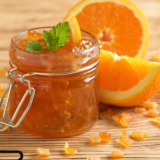
Instant Pot Orange Marmalade
Description
Ingredients
- 6 large oranges, about 3 lbs, washed well
- 5 cups granulated sugar
- 1½ cups water
- 2 tablespoons fresh lemon juice, optional but recommended
Instructions
- Scrub the oranges under warm water and pat dry. The peel goes into the marmalade, so wash them thoroughly.
- Cut each orange in half. Lay each half flat side down and slice as thinly as possible, about ⅛ inch. Quarter the slices if you prefer shorter shreds. Remove the seeds as you go.
- Add the sliced oranges, sugar, water, and lemon juice to the inner pot. Stir well so the sugar is fully moistened and none is sitting dry on the bottom.
- Lock the lid and set the valve to Sealing. Cook on High Pressure for 10 minutes.
- When the cook time ends, allow a full natural pressure release, about 10–15 minutes. Do not quick release.
- Remove the lid and select Sauté. Bring to a steady boil and cook, stirring often, until the mixture reaches 220°F to 222°F on a candy thermometer, about 15–20 minutes. Stir more frequently as it thickens to prevent scorching.
- Test the set: drop a spoonful onto a plate from the freezer, chill 1 minute, then push it with a finger. If it wrinkles and holds a line, it’s ready. If not, cook 5 more minutes and retest.
- Press Cancel. Let the marmalade rest in the pot 10 minutes so the peel stays suspended, then ladle into clean jars.
- Cool completely on the counter, about 1–2 hours, before capping and refrigerating. The marmalade will continue to thicken for up to 24 hours.
Equipment
- Instant Pot or other electric pressure cooker (6-quart),
- Sharp Knife or Mandoline
- Candy thermometer
- 5 clean 8-ounce jars with lids
Notes
- Orange choice matters. Seville oranges give the most traditional, bitter, firmly-set result. Navel oranges are sweeter with a softer set and are what this recipe is written for.
- Altitude: The gel point drops about 1°F per 500 feet of elevation. At 5,000 feet, aim for roughly 210°F.
- Extra pectin: Tie the removed seeds in cheesecloth and pressure cook them with the fruit, then discard the bundle before the sauté stage.
- Avoiding a BURN notice: Stir thoroughly before sealing the lid so sugar doesn’t settle dry on the bottom.
- Foam: Skim it, or stir in ¼ teaspoon of butter to knock it down.
- Storage: Refrigerate up to 3 months, or freeze up to 1 year. For shelf-stable jars, follow tested water bath canning guidelines from the National Center for Home Food Preservation.
- Don’t judge the set early. Hot marmalade always looks too thin. Wait 24 hours.
Nutrition
Share this recipe
We can’t wait to see what you’ve made! Mention @forktospoon or tag #forktospoon!


Ellen
Excellent recipe and easy to follow directions! I used the oranges from my tree! I made 10 pints!! Thank you for this.. my mom would have been proud! She always made marmalade the old school way🧡