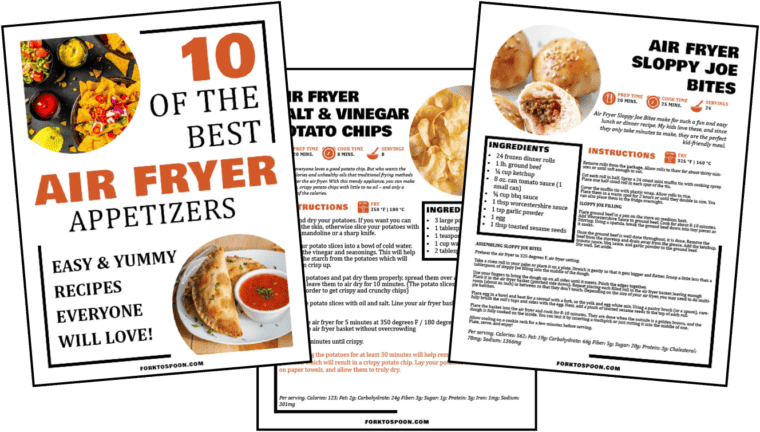
This cottage cheese pasta salad is creamy the way a mayo pasta salad is creamy — but it carries 14 grams of protein per serving and doesn’t sit heavy at a July cookout. The dressing gets blended until it’s completely smooth, so there’s no curd texture, no chalkiness, and no one at the table has to know what’s in it until you tell them.
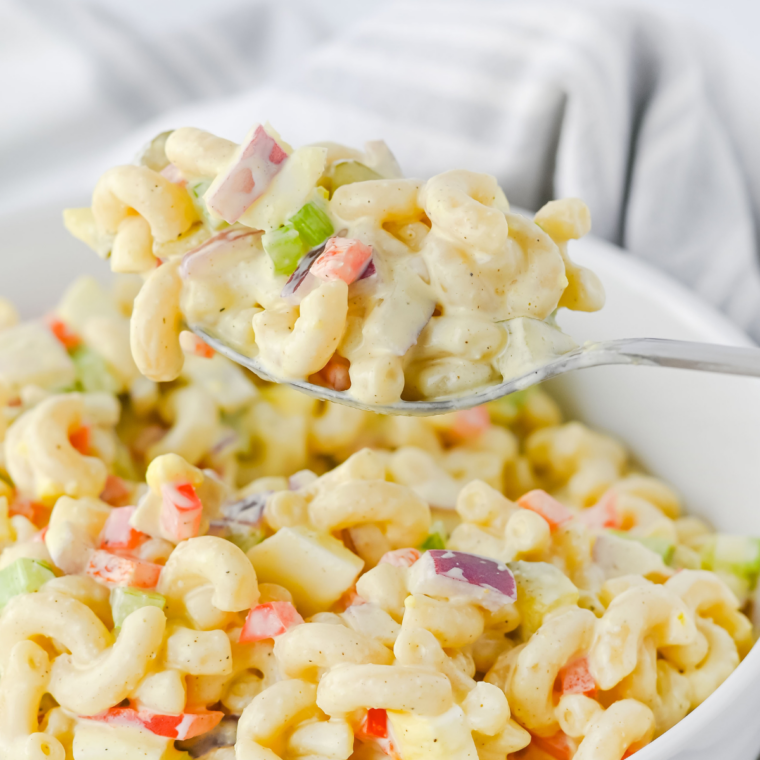
I’ve made this at least a dozen times now, and the difference between a good cottage cheese pasta salad and a sad one comes down to two things almost nobody mentions: how much water you leave in the cottage cheese, and the fact that pasta keeps drinking dressing for hours after you toss it. Get those right and this bowl is better on day two than day one. Get them wrong and you’ve got a dry, grainy bowl of noodles by dinner.
Here’s how to get them right.
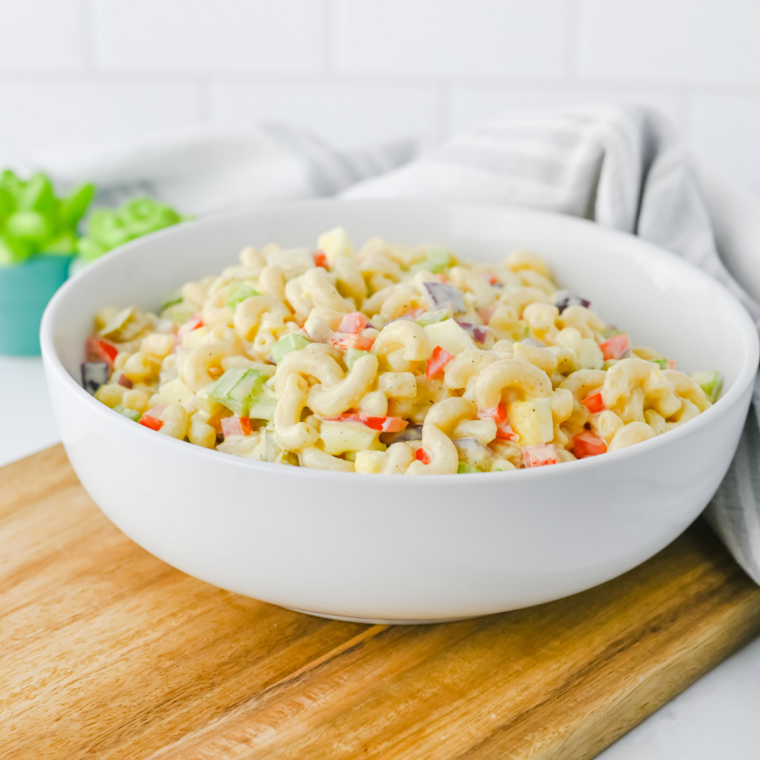
Why This Recipe Works
✅ Genuinely creamy, not “healthy creamy.” Blending breaks the curds down completely. The texture is closer to a ranch-style dressing than anything you’d recognize as cottage cheese.
✅ 14g protein per serving from the cottage cheese alone — more if you add eggs or chicken.
✅ No mayo, no sour cream. Which also means it holds up better outdoors than mayo-based salads.
✅ Make-ahead friendly. With the dressing trick below, it survives 4 days in the fridge.
✅ Nobody can tell. I’ve served this to cottage-cheese skeptics who asked for the recipe.
Ingredients
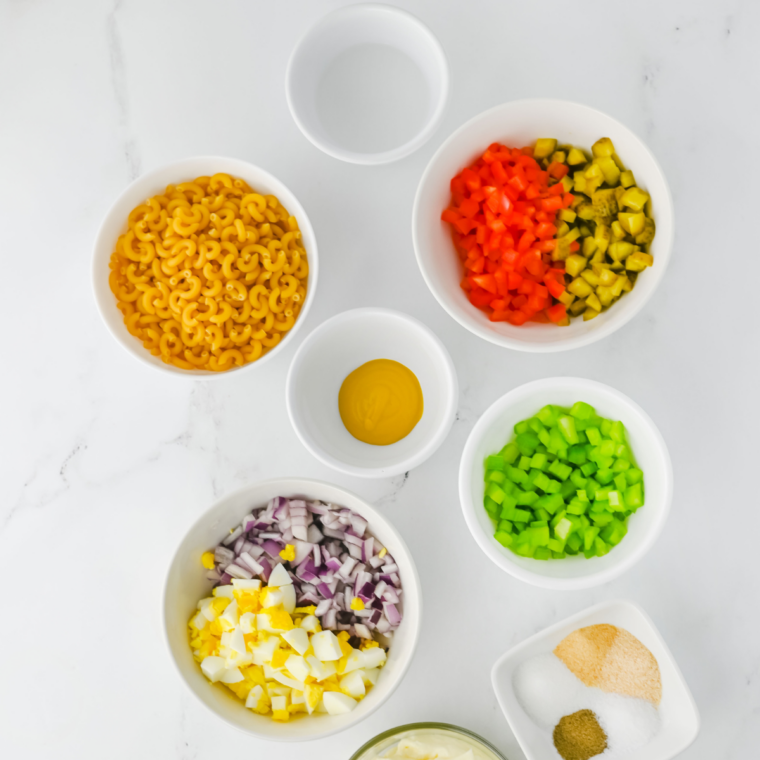
For the blended dressing:
- Cottage Cheese: Full-fat blends smoothest and tastes noticeably richer here.
- Italian Dressing: Bottled works fine; ranch swaps in for tangier flavor.
- Red Wine Vinegar: The acid that makes this taste like dressing.
- Dijon Mustard: Emulsifies the dressing and adds quiet background sharpness.
- Garlic Powder: Savory depth without raw garlic’s harsh bite.
- Kosher Salt: Cold food needs more salt than you think.
- Black Pepper: Balances the dairy and sharpens every other flavor.
For the salad:
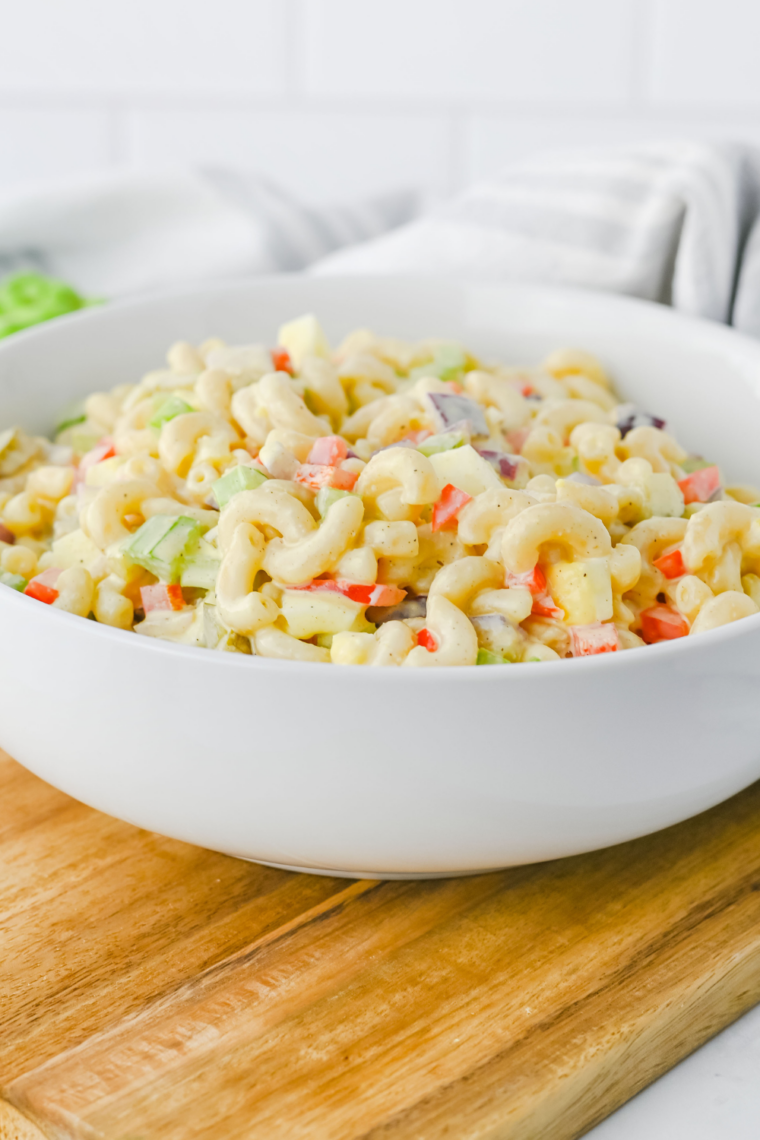
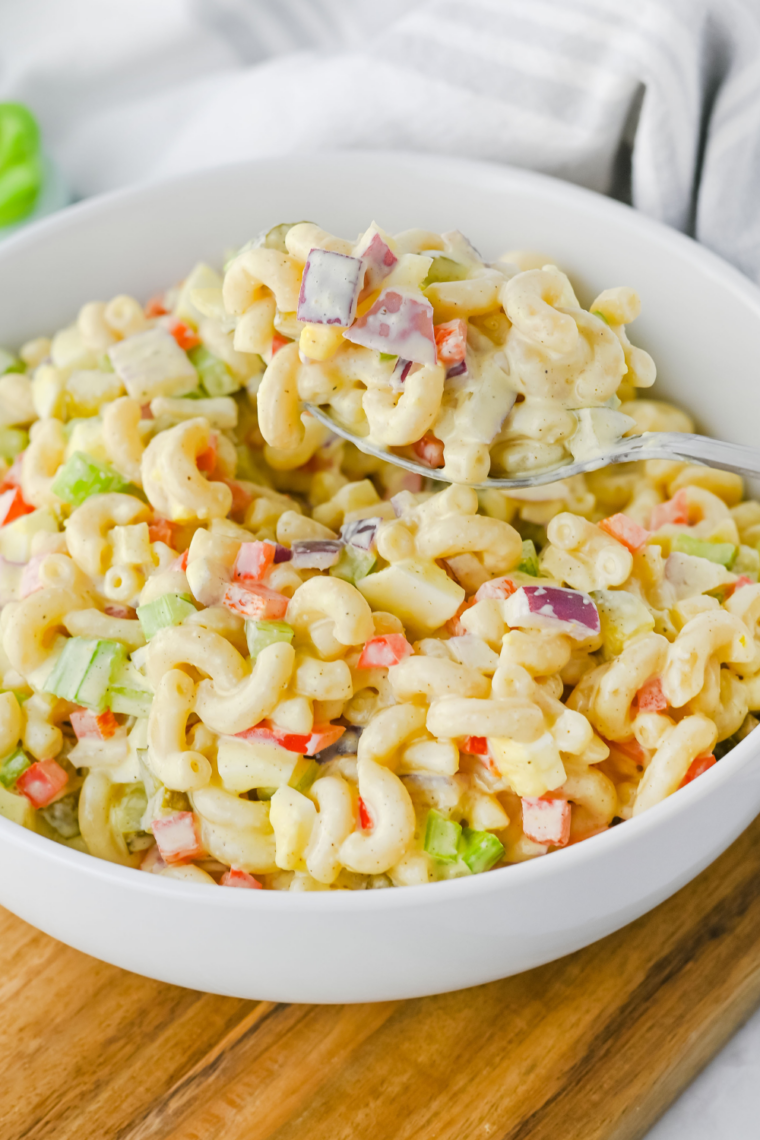
- Elbow Macaroni: Cupped shape traps thick dressing in every bite.
- Cherry Tomatoes: Halved, for sweetness and pops of bright color.
- Cucumber: Quartered and sliced, for cold crunch throughout.
- Bell Pepper: Any color, diced small for even, crisp bites.
- Red Onion: Diced small so it seasons instead of overwhelming.
- Cheddar Cheese: Cubed cheddar or mozzarella adds salty, chewy contrast.
- Fresh Herbs: Parsley or basil, chopped and stirred in last.
Exact amounts are in the printable recipe card at the bottom of the page.
The Two Things That Make or Break It
- Drain the cottage cheese: Cottage cheese is packed in liquid, and that liquid is your enemy. If you dump the tub straight into the blender, you get a thin dressing that slides off the pasta and pools at the bottom of the bowl by hour two. Tip the tub into a fine mesh strainer and let it sit for 10 minutes while you boil the pasta. You’ll be surprised how much whey comes out. What’s left blends into something thick enough to actually coat a noodle. (This is the same principle behind why air fryer cottage cheese chips turn out crisp instead of soggy — moisture is the whole game with this ingredient.)
- Reserve half your dressing: Here’s the one that took me three batches to figure out. Cold pasta keeps absorbing liquid for hours. A salad that looks perfectly dressed at 2pm looks dry at 6pm, and looks like a bowl of plain noodles the next morning. So: toss with half the dressing, chill, then stir in the rest right before serving. That second pour is what makes people think you just made it. Every mayo-based pasta salad has this problem too — it’s why my Jason’s Deli pasta salad copycat uses the same reserve-and-revive method.
How To Make Cottage Cheese Pasta Salad
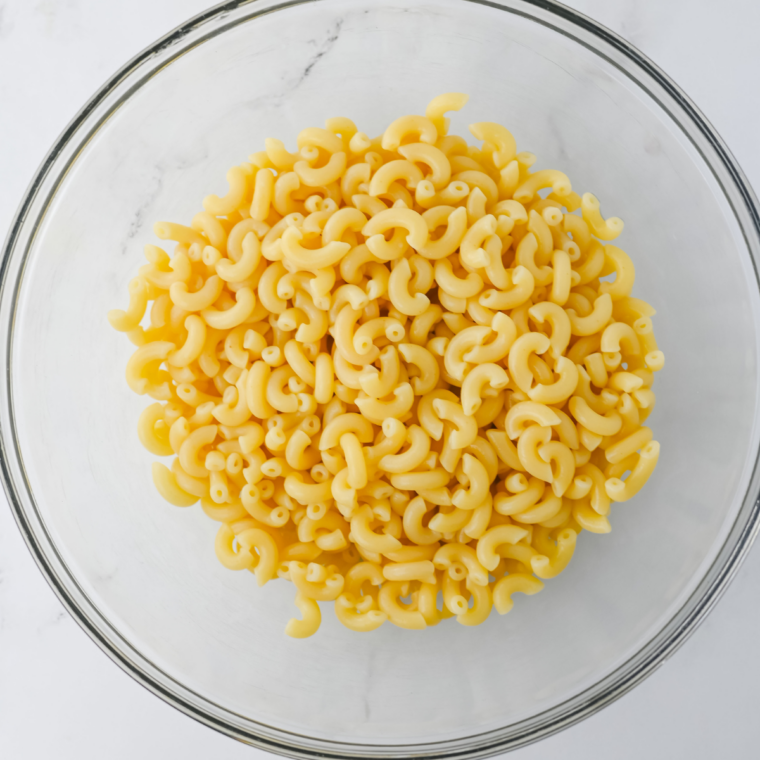
Step One: Boil the pasta. Salt the water aggressively — it should taste like a seasoned soup. Cook to just past al dente, about a minute longer than the box says. This matters specifically for cold pasta salad: pasta firms up as it chills, so pasta that’s perfect hot will be chalky cold. Drain and rinse under cold water until it’s completely cool, then drain well.
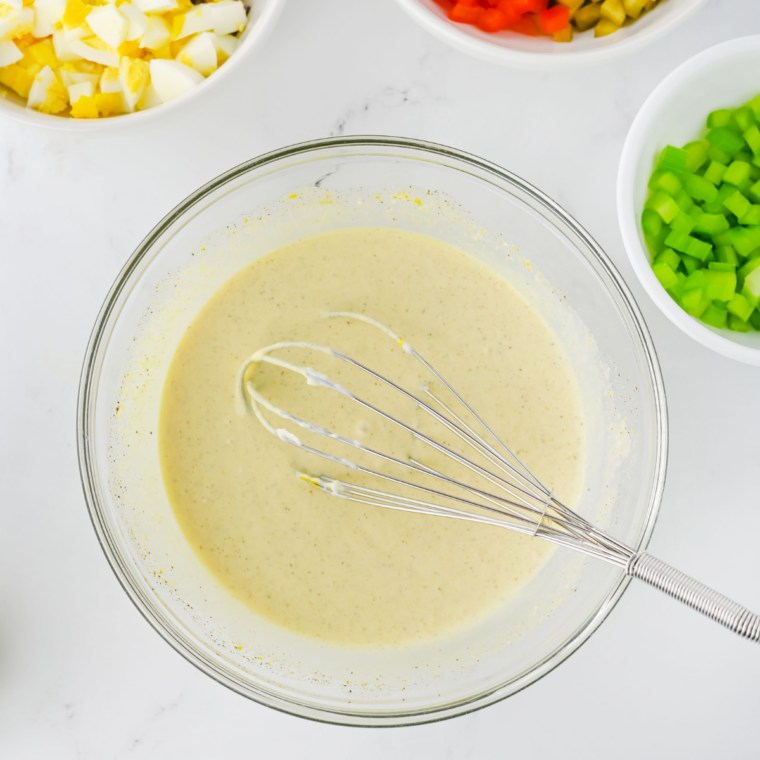
Step Two: Blend the dressing. Add the drained cottage cheese, Italian dressing, red wine vinegar, Dijon, garlic powder, salt, and pepper to a blender or food processor. Blend 60 to 90 seconds — longer than feels necessary. You’re looking for zero visible curd. If it’s still speckled, keep going. Scrape the sides once and blend again.
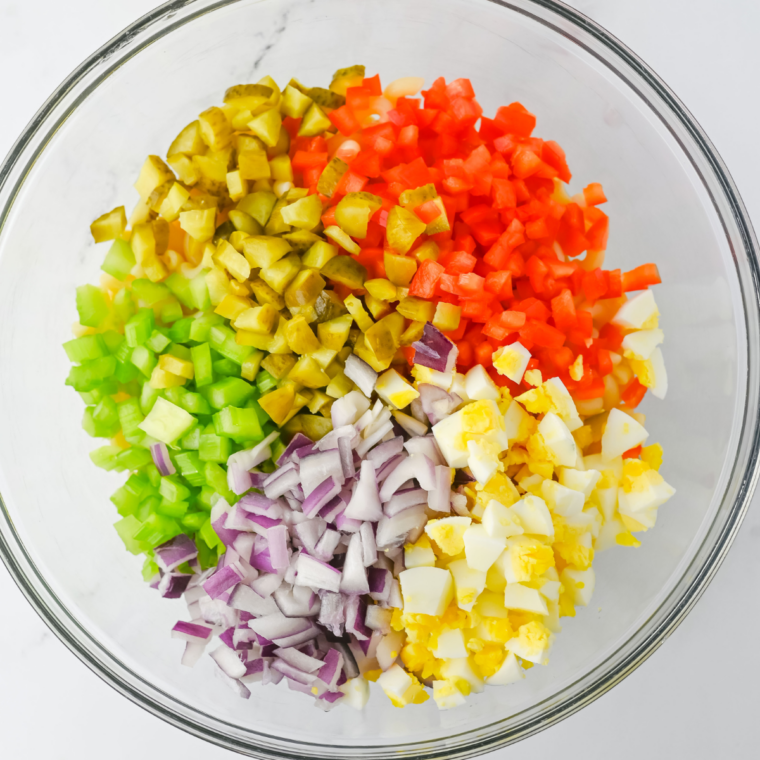
Step Three: Chop everything. Tomatoes halved, cucumber in quarter-moons, pepper and onion diced small. Small dice matters: you want a bit of everything in each forkful, not a chunk of raw onion by itself.
Step Four: Toss with half. In a large bowl, combine the cooled pasta, vegetables, and cheese cubes. Pour over half the dressing and fold gently until coated.
Step Five: Chill at least 2 hours. Not optional. Cold is where this salad becomes itself — the flavors need time to move around, and warm cottage cheese dressing is nobody’s friend. Right before it hits the table, stir in the remaining dressing and the fresh herbs. Taste and add salt. It will need salt. Cold food always needs more than you think.
Why Elbow Macaroni Is The Right Shape Here
This dressing is much thicker than a vinaigrette, and that flips the usual pasta salad advice on its head.
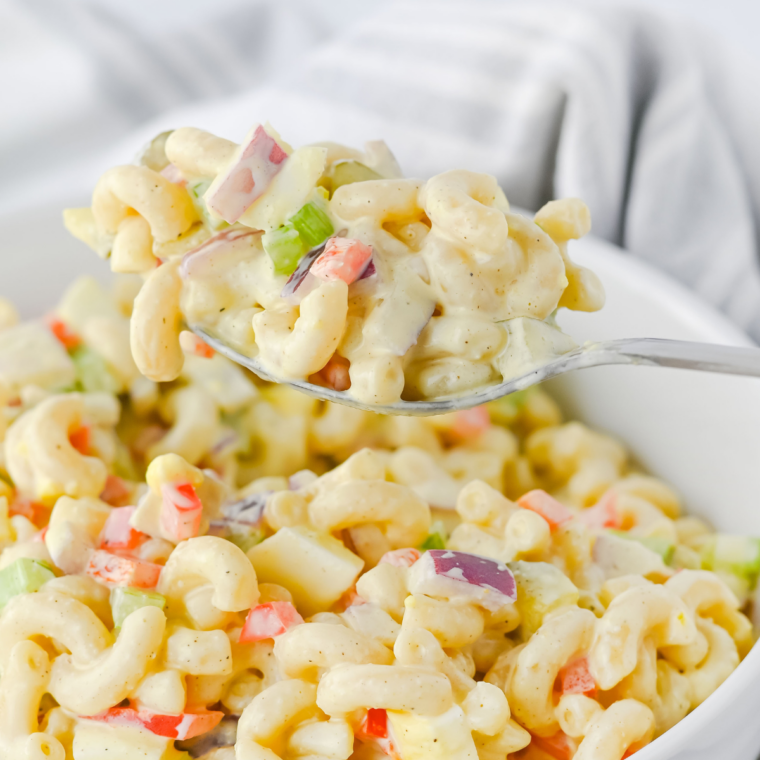
Elbows win because they cup. Every piece is a little curved scoop that holds a pocket of thick dressing instead of letting it slide off. It’s the same reason classic macaroni salad has used elbows for a century — creamy dressings and cupped shapes belong together. Elbows are also small enough that you get pasta, vegetable, and cheese in a single forkful, which is where a lot of chunky pasta salads fall apart.
If you’re swapping: medium shells are the closest substitute for the same cupping reason. Rotini and cavatappi work — the ridges give the dressing something to grab. Farfalle is fine but the flat center panels shed a thick dressing.
Skip: penne (a smooth tube with nothing to hold onto) and anything long. Linguine and spaghetti tangle instead of tossing, and you can’t get an even bite. If you’re curious about the pasta-in-the-air-fryer question, I answered it in detail over on can you cook pasta in an air fryer — short version: for chips, yes; for a salad base, boil it.
One elbow-specific note: small pasta absorbs dressing faster than big shapes do, because there’s more surface area per cup. That makes the reserve-half-the-dressing step below more important here, not less.
Gluten-free pasta: works, but rinse it thoroughly and use it the same day. GF pasta gets gummy on day two in a way wheat pasta doesn’t.
High-protein chickpea or lentil pasta: pushes this over 20g per serving. It has a firmer, slightly mineral bite — the tangy dressing covers it well.
Small Curd, Large Curd, Or Whipped?
Small curd blends fastest and smoothest. It’s what I reach for. Large curd works fine — just add 15–20 seconds of blend time. Whipped cottage cheese (the pre-blended tubs) saves you the step, but it’s usually thinner and already salted. If you use it, skip the extra salt and cut the Italian dressing to ¼ cup. Low-fat or fat-free is fine nutritionally, but it’s more watery. Drain longer and expect a slightly tangier, less rich result.
If you’ve never blended cottage cheese before, this recipe is a good gateway — it’s the same technique behind air fryer cottage cheese toast, where a smooth spread makes all the difference, and the sweeter blueberry cottage cheese toast version.
Add-Ins That Actually Work
- Chopped hard-boiled eggs — the highest-value addition here. Two eggs adds real protein and the yolk enriches the dressing. Make them hands-off with my air fryer hard boiled eggs method — no pot, no cracked shells.
- Crumbled bacon — stir it in at serving, not before. It goes soft in the fridge.
- Kalamata or black olives — brine cuts the dairy nicely.
- Peas or shredded carrot — sweetness and color.
- Feta — I’d add it instead of cheddar, not with. Two soft cheeses gets muddy.
- Salad Supreme seasoning — if you grew up with potluck pasta salad, a shake of this over the top is instant nostalgia. There’s a full copycat blend in my McCormick Salad Supreme recipe.
No Blender? Here’s Your Workaround
You can make this without a blender, but not by skipping the step — an unblended dressing is just cottage cheese on noodles, and it tastes like it.
- Option A: Press the drained cottage cheese through a fine mesh strainer with the back of a spoon. Tedious, maybe four minutes, but it produces a genuinely smooth base.
- Option B: Buy whipped cottage cheese and whisk in the dressing and vinegar by hand. Easiest path.
- Option C: An immersion blender in a tall narrow container works better than a full-size blender does for this small a volume.
Storage & Make-Ahead
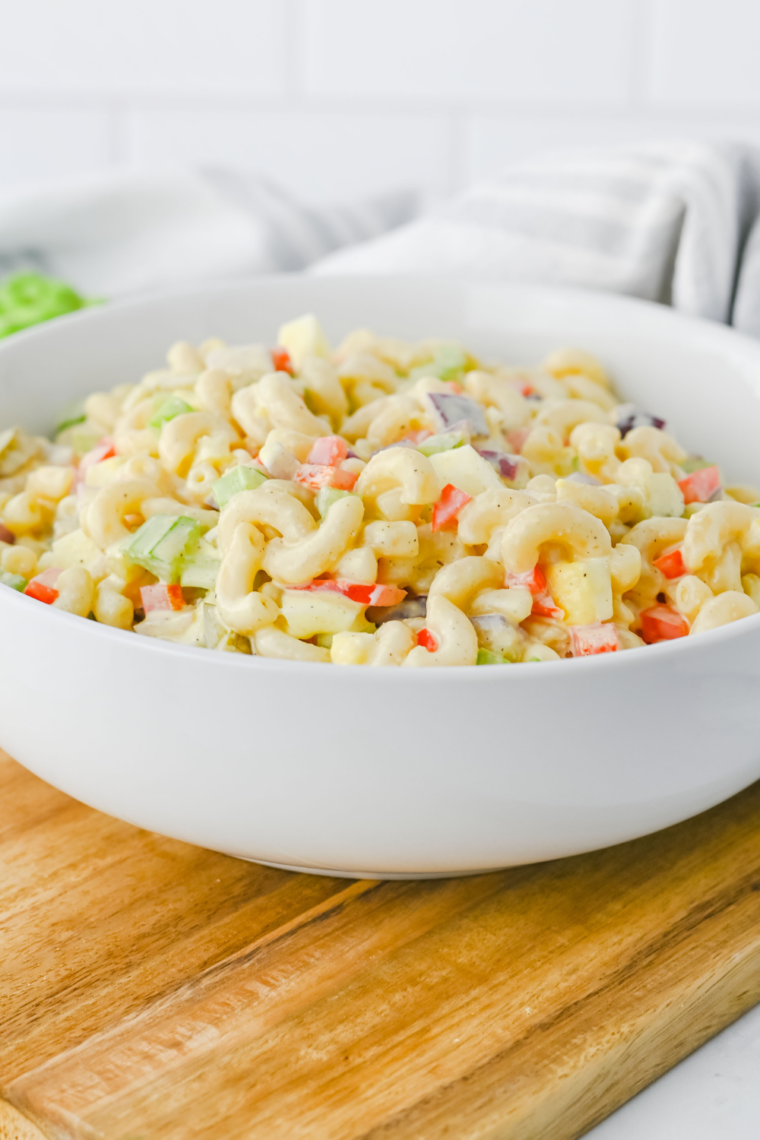
- Fridge: 4 days in an airtight container. Best on days 1–3.
- Reviving leftovers: if it looks dry, add a tablespoon of Italian dressing or a splash of milk and stir. It comes right back.
- Freezing: don’t. The dairy separates and the pasta goes to mush on thaw.
- Making it a day ahead for a party: assemble everything, hold all the dressing separately, and toss on arrival. This is the version that shows up looking freshly made.
Recipe FAQs
Does this taste like cottage cheese? Not really — that’s the point of blending it. Blended cottage cheese reads as creamy and slightly tangy, more like a ranch or a light Caesar base. The vinegar and Dijon push it further from dairy and closer to dressing.
Can I use a different pasta shape? Yes, but stay short and cupped. Medium shells are the closest swap to elbows. Rotini and cavatappi work too. Avoid penne and any long pasta — this dressing is too thick for smooth tubes and strands.
Is this the same as macaroni salad? It’s built on the same idea — elbow macaroni in a creamy dressing — but the dressing here is blended cottage cheese instead of mayo, so it’s tangier, lighter, and has roughly triple the protein of a classic mayo macaroni salad.
Can I make it dairy-free? Not with this method — cottage cheese is the entire structure. For a dairy-free pasta salad, go with a vinaigrette base like my air fryer pasta salad, where roasted vegetables carry the flavor instead.
Why is my dressing runny? You didn’t drain the cottage cheese, or you used fat-free. Strain it and blend in a tablespoon more cottage cheese to thicken.
Why is my salad dry the next day? The pasta absorbed the dressing — completely normal. That’s what the reserved half is for. If you already used it all, add a splash of Italian dressing and stir.
Can I serve it warm? I wouldn’t. Blended cottage cheese is best cold; at room temperature the dairy flavor comes forward and the texture loosens.
How long does it need to chill? Two hours minimum, four is better. It’s a real ingredient in the recipe, not a suggestion.
Can I double it? Yes, and it scales cleanly. Blend the dressing in two batches so the blender can actually catch the curds.
What To Serve With It
This is a side dish that thinks it’s a main. It’s good next to air fryer garlic butter steak bites, a plate of air fryer brats, or Bubba burgers at a cookout. For a lighter plate, pair it with air fryer peri peri chicken and a slice of homemade air fryer white bread.
If you’re building a full summer table, add watermelon salad with feta for something bright, or make my Fourth of July pasta salad if you want a second bowl with a totally different personality.
Cottage Cheese Pasta Salad
Description
Ingredients
Dressing
- 1½ cups full-fat cottage cheese, drained 10 minutes
- ⅓ cup Italian dressing
- 1 tablespoon red wine vinegar
- 1 teaspoon Dijon mustard
- ½ teaspoon garlic powder
- ½ teaspoon kosher salt
- ¼ teaspoon black pepper
Salad
- 12 ounces elbow macaroni
- 1 cup cherry tomatoes, halved
- 1 cup cucumber, quartered and sliced
- ¾ cup bell pepper, diced
- ½ cup red onion, diced small
- ½ cup cubed cheddar cheese
- ¼ cup fresh parsley or basil, chopped
Instructions
- Drain the cottage cheese in a fine mesh strainer for 10 minutes.
- Boil pasta in well-salted water until just past al dente. Drain and rinse under cold water until fully cooled. Drain well.
- Blend drained cottage cheese, Italian dressing, vinegar, Dijon, garlic powder, salt, and pepper 60–90 seconds, until completely smooth with no visible curds.
- In a large bowl, combine cooled pasta, tomatoes, cucumber, bell pepper, red onion, and cheddar. Fold in half the dressing.
- Cover and chill at least 2 hours.
- Before serving, stir in the remaining dressing and fresh herbs. Taste and adjust salt.
Equipment
- Saucepan
- Blender
Notes
- Reserving half the dressing is what keeps this from drying out. Don’t skip it.
- Whipped cottage cheese can replace the blending step — reduce Italian dressing to ¼ cup and skip the added salt.
- Add 2 chopped hard-boiled eggs to push protein past 18g per serving.
Nutrition
Share this recipe
We can’t wait to see what you’ve made! Mention @forktospoon or tag #forktospoon!