There’s a specific kind of disappointment that comes from making sausage gravy at home and realizing it tastes nothing like the plate you get at Bob Evans. Thinner. Blander. Somehow both gluey and watery at once. I made that gravy for years before I worked out what was actually going on, and it turned out to be three things, none of them complicated.
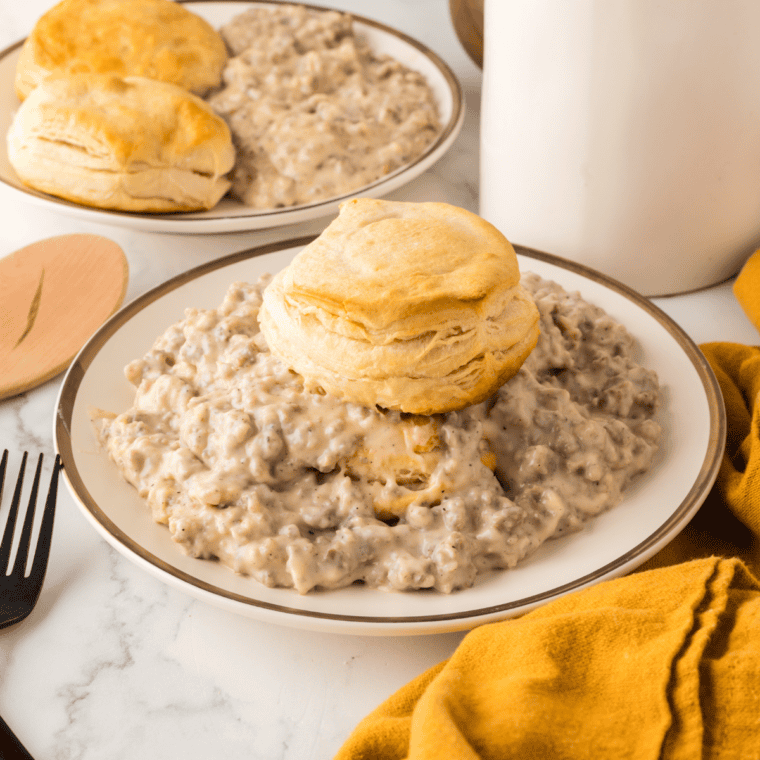
This copycat Bob Evans sausage gravy recipe fixes all three. It’s one skillet, five ingredients, and about twenty minutes from cold pan to the table. And it tastes like the restaurant — sage-forward, aggressively peppered, thick enough to sit on a biscuit rather than run off the side of it.
If you’ve been searching for a Bob Evans gravy recipe that doesn’t come out pale and thin, this is the one.

Why This One Tastes Right
Most homemade versions go wrong in the same three places, and each fix is small.
The sausage matters more than anything else. Bob Evans builds their gravy on their own sage pork sausage, and sage is the flavor your brain is actually identifying when you taste their gravy and think that’s it. A generic breakfast sausage makes generic gravy. This is the one ingredient worth driving to a second store for.
You have to actually brown the meat. Not just cook it through — brown it, until the edges catch and there’s fond stuck to the bottom of the pan. That’s where the color comes from, and the color is where the flavor lives. Pulling the sausage the second it stops being pink is the most common mistake, and it’s why so much homemade gravy comes out bright white.
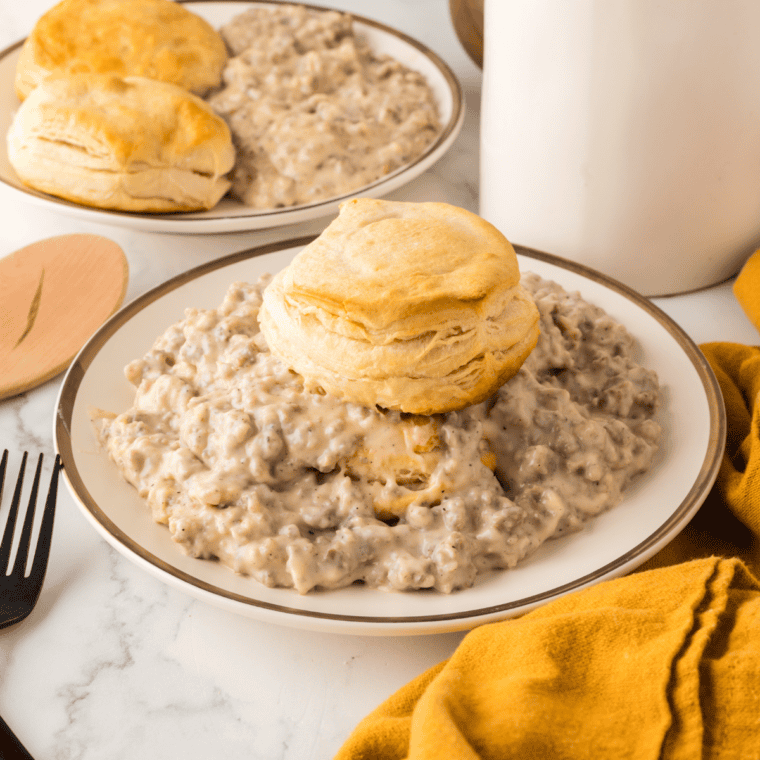
The pepper is not a garnish. The recipe below calls for a full teaspoon and a half, which looks like a typo the first time you measure it. It isn’t. Bob Evans gravy is visibly speckled and it bites a little on the back end. Under-peppering is what makes an otherwise correct gravy taste flat.
Get those three right and the rest is just a roux, which is genuinely easy — this is a recipe for Bob Evans sausage gravy that a beginner can nail on the first try.
Ingredients
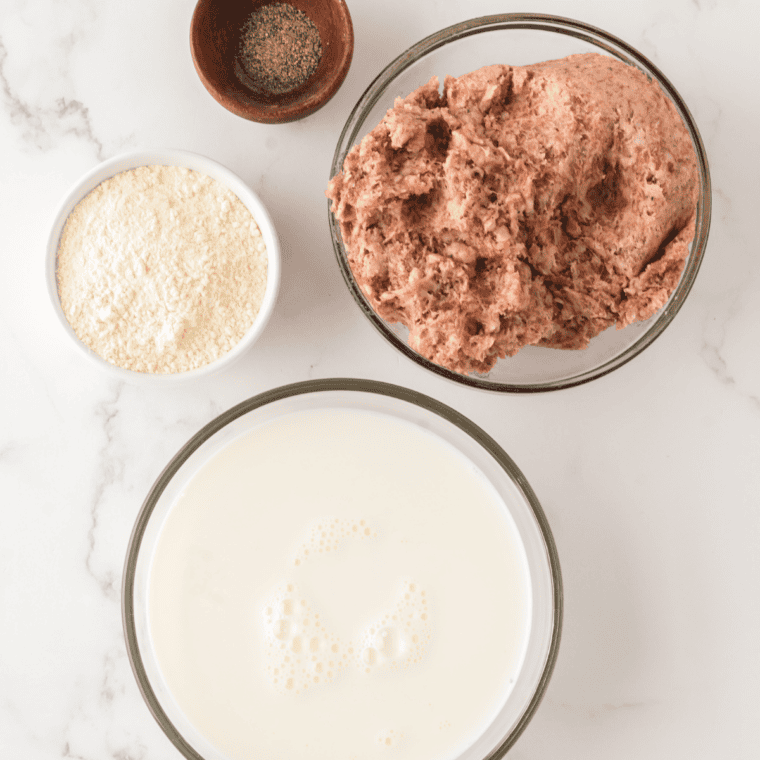
- 1 lb Bob Evans Original Recipe pork sausage. The refrigerated roll, not links. If you truly can’t find it, use any sage breakfast sausage and stir in ½ teaspoon of rubbed sage with the pepper.
- ⅓ cup all-purpose flour. This is what thickens everything. Resist the urge to cut it back.
- 3 cups whole milk, warmed. Whole milk, not 2%. The fat is doing real work here, and warm milk is your best insurance against lumps.
- 1½ teaspoons freshly cracked black pepper. Cracked, not pre-ground. It’s the dominant seasoning, so it’s worth grinding it yourself.
- ½ teaspoon kosher salt. Added at the very end, after you taste — sausage brands vary enormously in how salty they are.
- Optional: a pinch of cayenne, or ¼ teaspoon rubbed sage if your sausage isn’t sage-heavy.
How to Make It
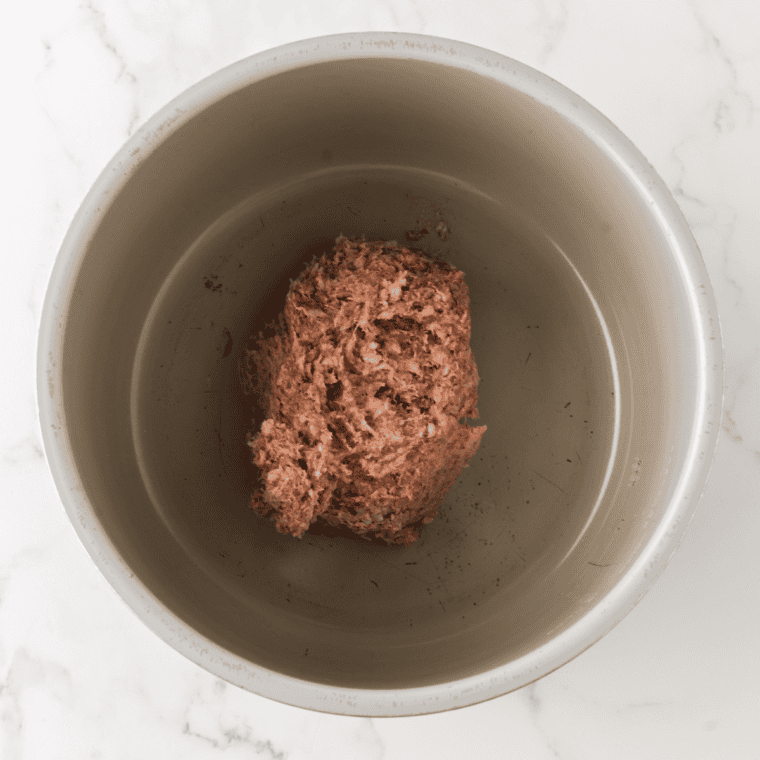
Step 1: Put a large skillet over medium heat — cast iron if you have it, since it holds heat steadily and gives you better browning. Add the sausage and break it up with a wooden spoon as it cooks, aiming for pieces about the size of a nickel rather than fine crumbles. Give it 8 to 10 minutes. You’re waiting for more than “no longer pink.” You want visible browning on the edges and some stuck bits on the pan bottom. That’s the flavor base for everything that follows. Don’t drain the fat. You need roughly 3 tablespoons of it in the pan to make the roux. If your sausage rendered less than that, add butter to make up the difference.
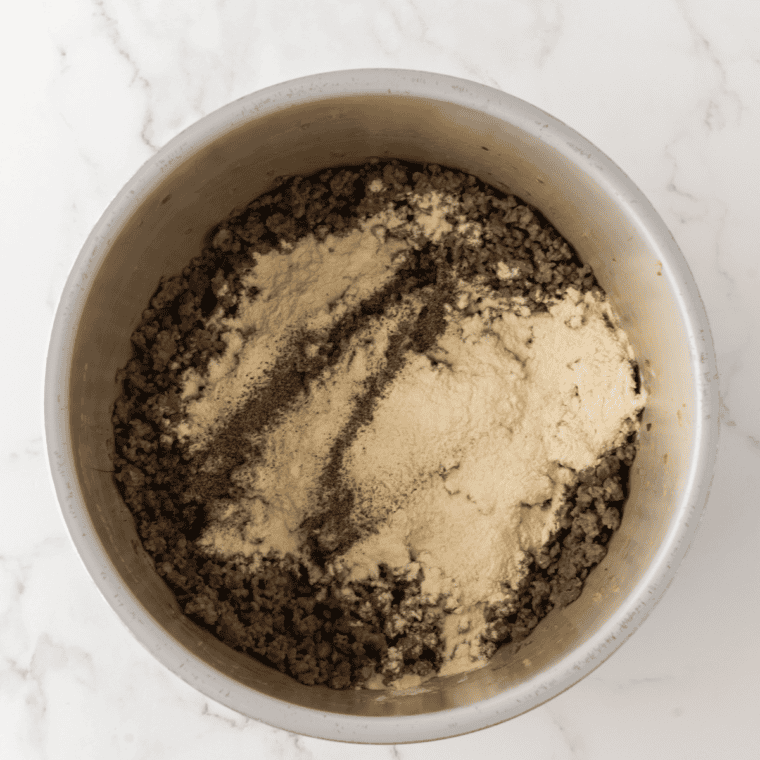
Step 2: Sprinkle the flour evenly over the sausage and stir constantly for a full minute or two. It’ll look pasty and cling to the meat, which is exactly what should happen. This step cooks out the raw flour taste. Skipping it, or rushing it, is why some homemade gravy has a faintly chalky finish that you can’t quite place.
Step 3: Pour in about a cup of the warm milk while stirring hard. It’ll seize and thicken almost instantly, keep stirring until it smooths out. Then add the second cup, stir it fully in, then the third. Three additions, each one fully incorporated before the next. Dumping all the milk in at once is the single most reliable way to end up with lumps.
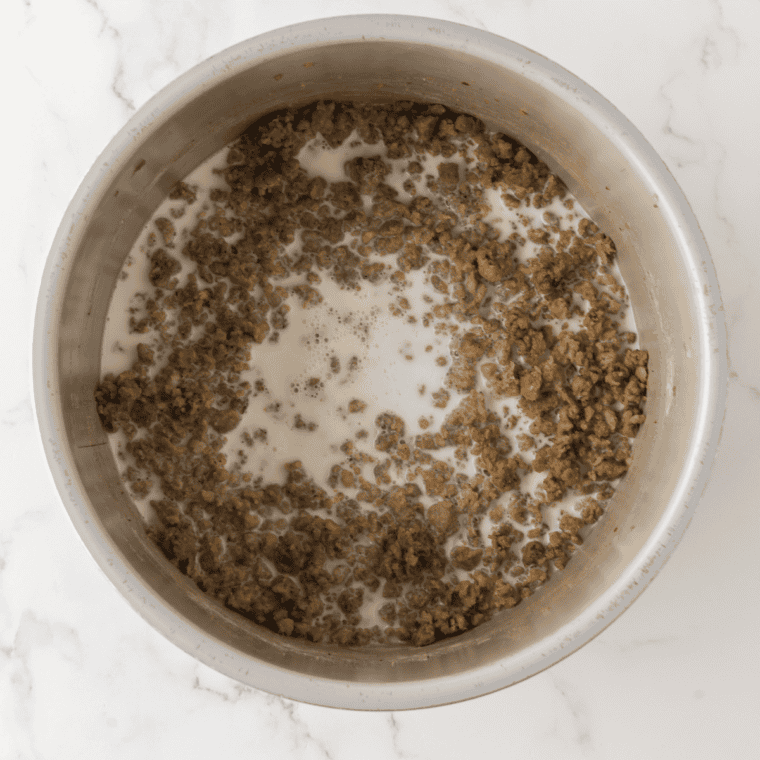
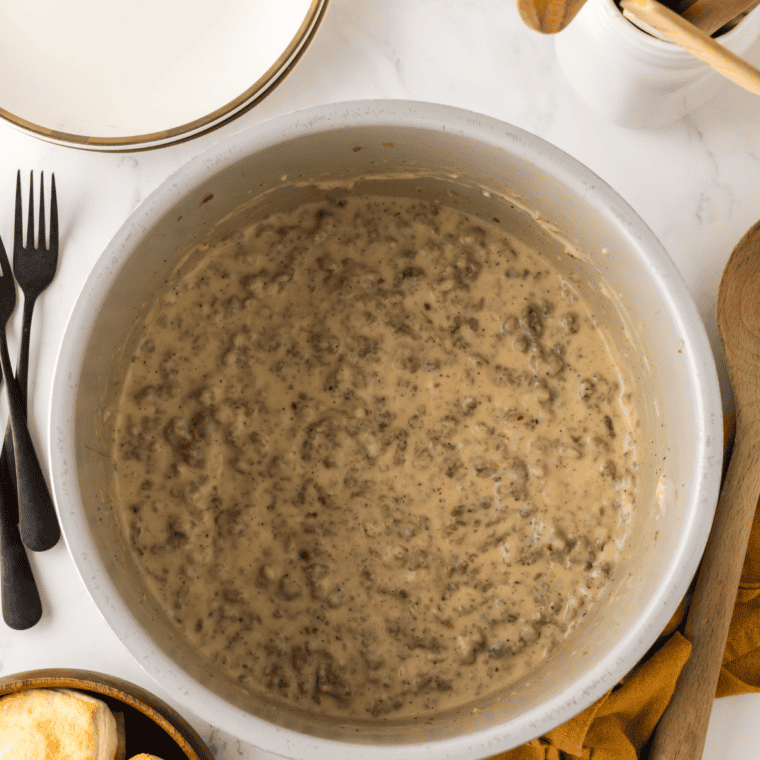
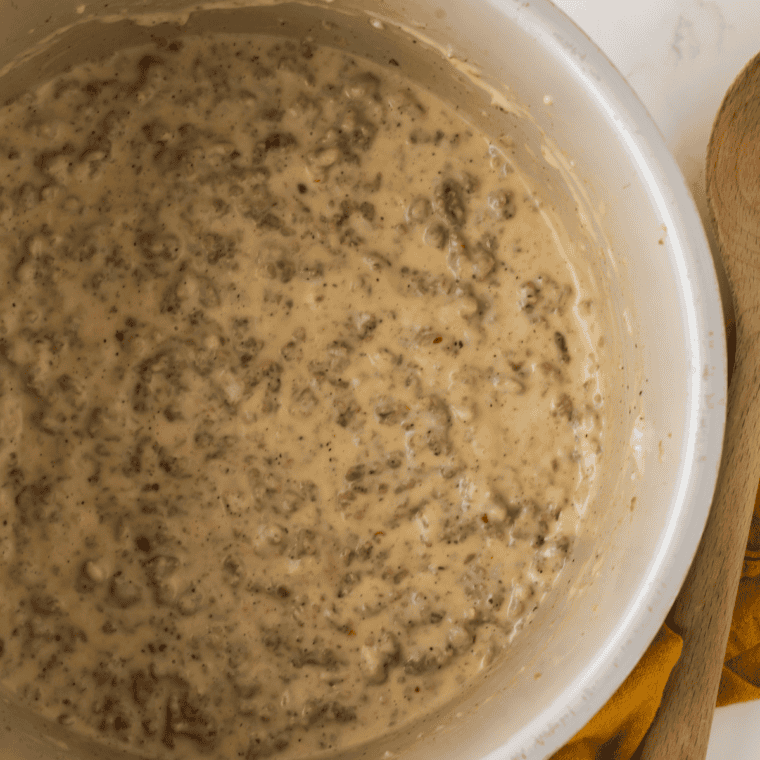
Step 4: Bring the gravy to a gentle simmer and cook 5 to 8 minutes, stirring often and scraping across the bottom of the pan so nothing catches. It’ll thicken noticeably in the last two minutes. It’s done when it coats the back of a spoon and holds a clean line when you drag a finger through it.
Step 5: Stir in the black pepper, then taste and add salt. Serve it right away, while it’s at its best. One thing to know: the gravy keeps thickening as it sits. If you’re not plating immediately, pull it slightly looser than you want it and it’ll arrive where you meant it to be.
Biscuits and Gravy, the Bob Evans Way
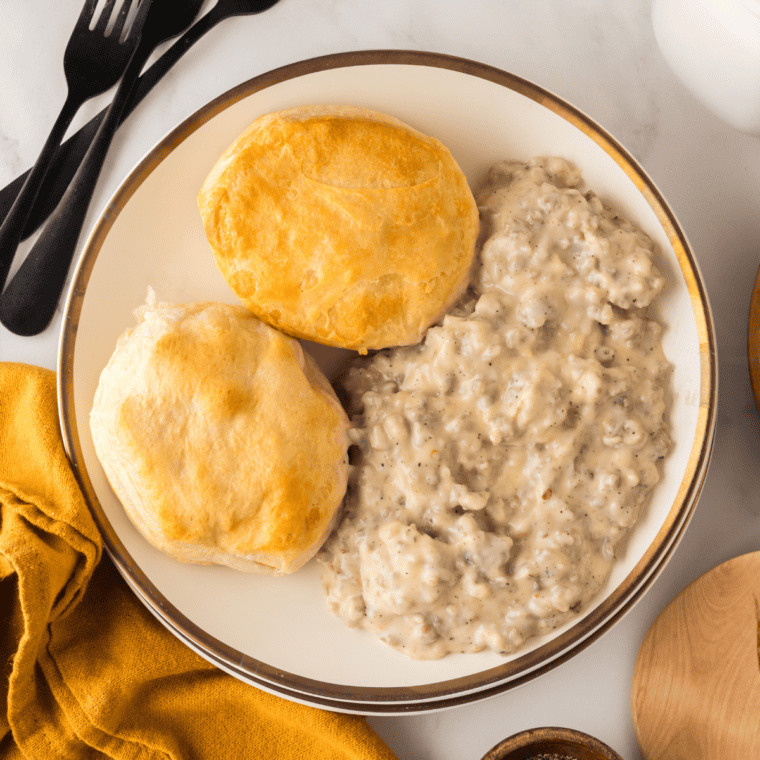
Sausage gravy exists to go on a biscuit, and a Bob Evans biscuit gravy recipe is only half a plate without the other half. If you want the full recipe for Bob Evans biscuits and gravy, make a batch of Bob Evans style buttermilk biscuits and split them warm, straight out of the oven, then ladle about ¾ cup of gravy over the top of each serving.
Warm biscuits matter here. A room-temperature biscuit under hot gravy goes soft in a way that a warm one doesn’t, and it’s a surprisingly big difference on the plate.
Beyond biscuits, this gravy has a few natural homes. Spooned over crispy Bob Evans home fries, it turns a side dish into a full breakfast. It’s also the traditional finish for country fried steak — if you’ve made that recipe and used a plain white gravy, try it with this one instead and see which you prefer.
For a bigger weekend spread, it works alongside a sausage and egg breakfast casserole, and it’s very good poured over air fryer fried chicken for a Southern-style chicken and gravy plate.
Tips Worth Knowing
Warm the milk. Thirty seconds in the microwave. Cold milk hitting a hot roux is the leading cause of lumpy gravy, and this one step eliminates most of the risk.
Wooden spoon first, whisk later. The spoon breaks the sausage into distinct pieces; a whisk shreds it. Switch to a whisk once the milk goes in if you find it easier.
Salt last, every time. Two different brands of breakfast sausage can differ by a surprising margin in sodium. Taste before you commit.
Don’t leave the pan during the simmer. The bottom scorches faster than you’d expect, and scorched gravy has a bitter note you can’t cover up. There’s no saving it.
If it goes lumpy anyway, pull it off the heat and whisk hard. If that doesn’t fully sort it, five seconds with an immersion blender will.
Variations
Homestyle. Add ¼ teaspoon of dried thyme with the pepper for a slightly more herbal, homestyle sausage gravy.
Spicy. Use the Zesty Hot sausage roll, or add ¼ teaspoon of cayenne plus a few dashes of hot sauce at the end.
Extra thick. Increase the flour to ½ cup and add another ½ cup of milk. Better if you’re serving over potatoes or a casserole rather than biscuits.
Lighter. 2% milk and ¼ cup of flour works, though you’ll notice the difference in richness.
Turkey sausage. Fine, but add 2 tablespoons of butter with the flour — turkey sausage renders almost no fat and the roux needs it.
Storing and Reheating
Keep leftovers in an airtight container in the fridge for up to 4 days. It’ll thicken into something closer to a paste when cold, which is normal and reverses on reheating.
To reheat, warm it gently in a saucepan over low heat and add milk a splash at a time until it loosens back up — expect to add ¼ to ½ cup. The microwave works too, in 30-second bursts with a stir between each.
You can freeze it for up to 2 months, but I’d talk you out of it. Dairy gravies separate when thawed, and while whisking hard during reheating brings it most of the way back, it’s never quite right again. Given this takes twenty minutes start to finish, fresh is the better call.
Frequently Asked Questions
What sausage does Bob Evans use in their gravy? Their own pork sausage, and the sage in the Original Recipe roll is a big part of what you’re tasting. Using that roll from the refrigerated case gets you closest to the restaurant version.
Why is my sausage gravy lumpy? The milk went in too fast, too cold, or both. Warm it first and add it in three separate additions, stirring each one in completely before the next.
Why is Bob Evans gravy tan or brown instead of white? Because the sausage gets properly browned and the roux is built in the rendered fat rather than in butter. Those browned bits tint the whole batch. If you’re after that brown sausage gravy color and yours is coming out pale, you’re almost certainly pulling the sausage off the heat too soon.
Can I make it ahead? Yes — up to 4 days, reheated gently with extra milk. It’s a good option for holiday mornings when the stovetop is already crowded.
How do I make it thicker? Simmer it longer, or whisk 1 tablespoon of flour into 2 tablespoons of milk, stir that in, and simmer 3 minutes more.
Can I use a different sausage? Any bulk breakfast sausage works. If it isn’t sage-forward, add ½ teaspoon of rubbed sage so it still reads as Bob Evans rather than generic country gravy.
How much gravy does one batch make? About 4 cups, which comfortably serves 6 people at roughly ¾ cup each — two biscuit halves per plate.
More Bob Evans Copycat Recipes
Copycat Bob Evans Cheddar Baked Potato Soup
Bob Evans Chicken Noodle Soup Recipe
Easy Copycat Bob Evans Mac and Cheese
Bob Evans Cranberry Relish Recipe
Bob Evans Hand-Breaded Chicken Tenders
Bob Evans Chicken Pot Pie Copycat Recipe
Bob Evans Mushroom and Onion Chopped Steak
Bob Evans Lemon Garlic Chicken Recipe
Copycat Bob Evans Colonial Dressing
Bob Evans Seasoned Potatoes and Home Fries
Air Fryer Herb Butter Dinner Rolls

Bob Evans Sausage Gravy
Description
Ingredients
- 1 lb Bob Evans Original Recipe pork sausage
- ⅓ cup all-purpose flour
- 3 cups whole milk, warmed
- 1½ teaspoons freshly cracked black pepper
- ½ teaspoon kosher salt, or to taste
- Pinch of cayenne, optional
- ¼ teaspoon rubbed sage, optional, if your sausage isn’t sage-forward
Instructions
- Brown the sausage in a large skillet over medium heat for 8–10 minutes, breaking it into nickel-sized pieces with a wooden spoon. Cook until the edges brown and bits stick to the pan. Do not drain the fat — you need about 3 tablespoons for the roux.
- Sprinkle the flour evenly over the sausage and stir constantly for 1–2 minutes, until it looks pasty and clings to the meat.
- Add the warm milk in three additions, stirring each one in completely before adding the next.
- Bring to a gentle simmer and cook 5–8 minutes, stirring often and scraping the bottom of the pan, until the gravy coats the back of a spoon.
- Stir in the black pepper, then taste and add salt. Serve immediately over warm split biscuits.
Equipment
- Skillet
- Ladle
Notes
- Warm the milk before adding it. Cold milk hitting a hot roux is the main cause of lumpy gravy.
- The gravy thickens as it stands. If you’re not serving right away, pull it slightly looser than you want it.
- Salt at the end — breakfast sausage brands vary widely in sodium.
- Leftovers keep 4 days refrigerated. Reheat gently with a splash of milk to loosen.
Nutrition
Share this recipe
We can’t wait to see what you’ve made! Mention @forktospoon or tag #forktospoon!