
This Bob Evans breakfast sausage recipe turns a pound of plain ground pork into eight sage-forward patties that taste like the ones off the restaurant griddle. There’s no special equipment, no casings, and nothing you can’t already find in your spice drawer.

I started working on this because I kept buying rolls of sausage for other recipes and thinking the same thing every time: this is ground pork and about eight spices. Making it yourself costs less, you control the salt, and you can crank the sage up to exactly where you want it.
The mixture does need to sit overnight. That’s the one part you can’t rush, and I’ll explain why below.
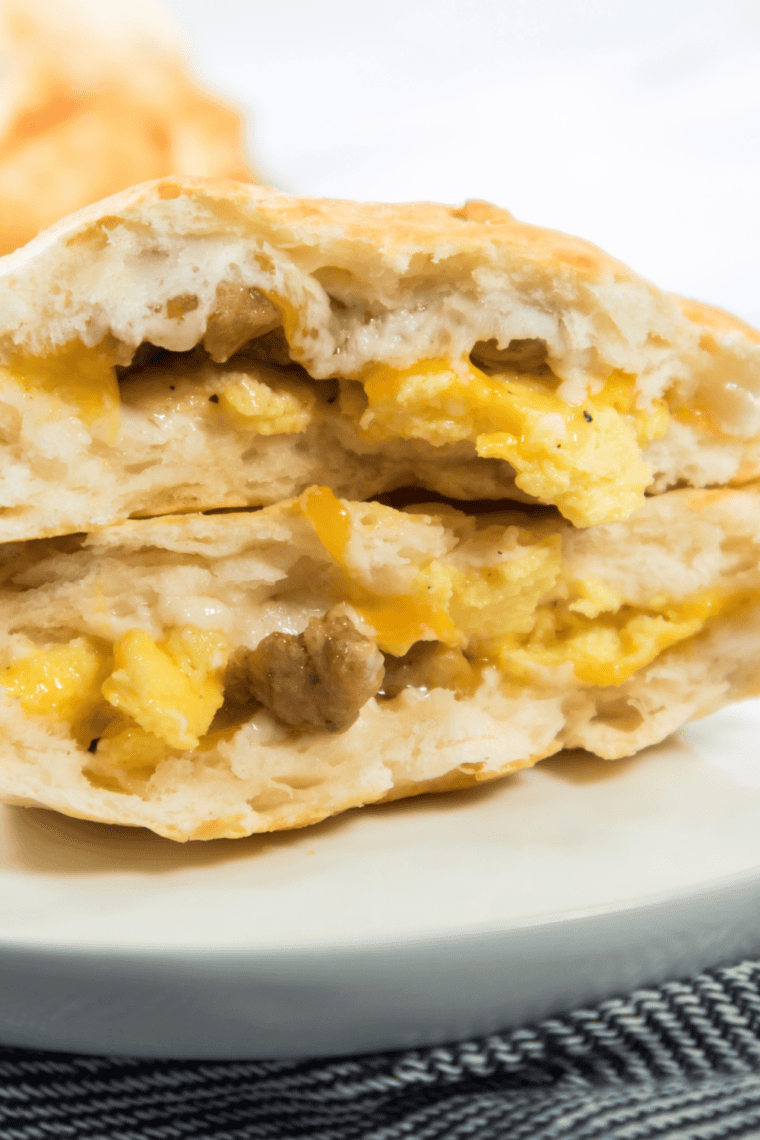
What Makes Bob Evans Sausage Taste Like Bob Evans
Three things, in order of importance.
Sage, and a lot of it. This is the flavor people recognize. Not thyme, not fennel, not the sweet Italian profile — rubbed sage, forward enough that you taste it before you taste the pork. If a homemade breakfast sausage tastes generic, under-sage is almost always why.
Fat. Use 80/20 ground pork. Lean pork makes a dry, crumbly patty that won’t hold together, and the fat is what carries the sage through the whole bite. This is not the place to trim calories.
Salt, applied early. Salting the pork and letting it rest overnight does more than season it. The salt dissolves some of the muscle protein, which helps the patties bind without a single egg or breadcrumb.
Bob Evans Sausage Seasoning Recipe
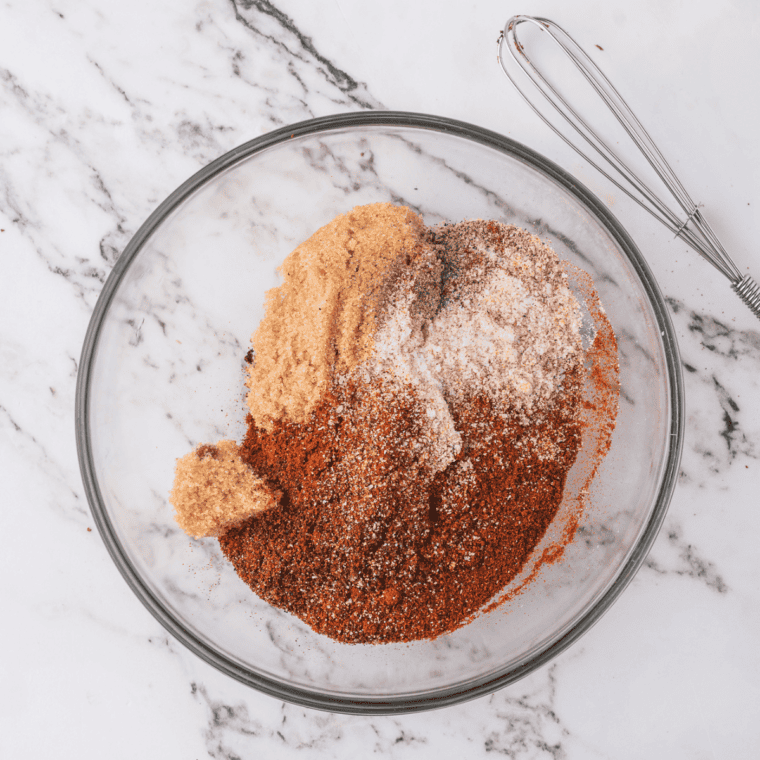
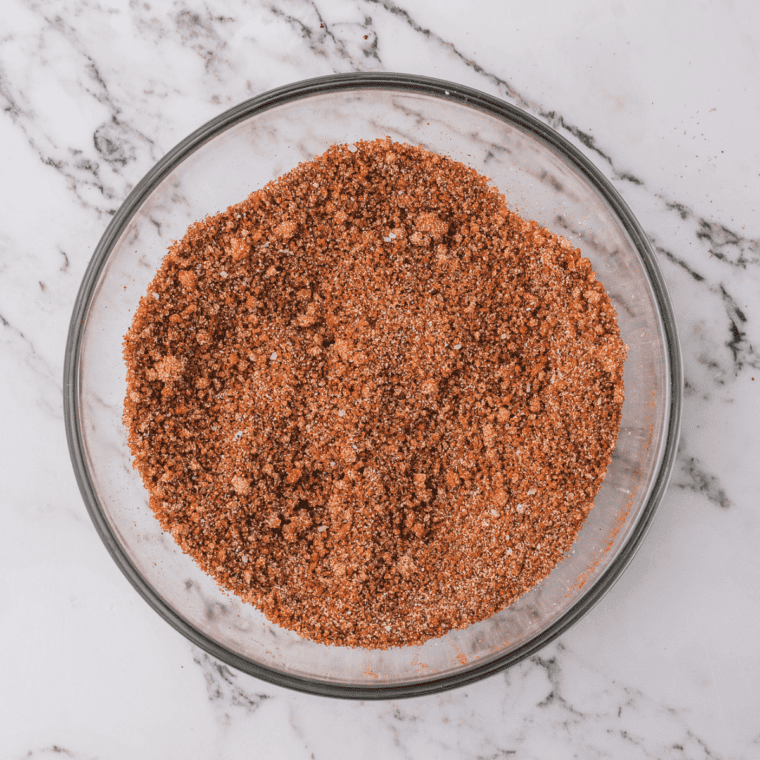
If you want the blend on its own — to scale up, jar, and keep by the stove — this is it. These amounts season exactly one pound of ground pork.
- 1½ teaspoons salt
- 1 teaspoon rubbed sage
- ¾ teaspoon black pepper
- ½ teaspoon brown sugar, packed
- ½ teaspoon dried thyme
- ¼ teaspoon dried marjoram
- ¼ teaspoon onion powder
- ¼ teaspoon crushed red pepper
Multiply it by six and you have a jar that seasons six pounds. Use 3½ teaspoons of blend per pound. Skip the brown sugar in the jarred version and add it fresh, since it clumps in storage.
A note on rubbed sage versus ground sage: they are not interchangeable by volume. Rubbed sage is fluffy and light; ground sage is a fine powder and roughly twice as strong. If ground is all you have, use half a teaspoon.
Ingredients
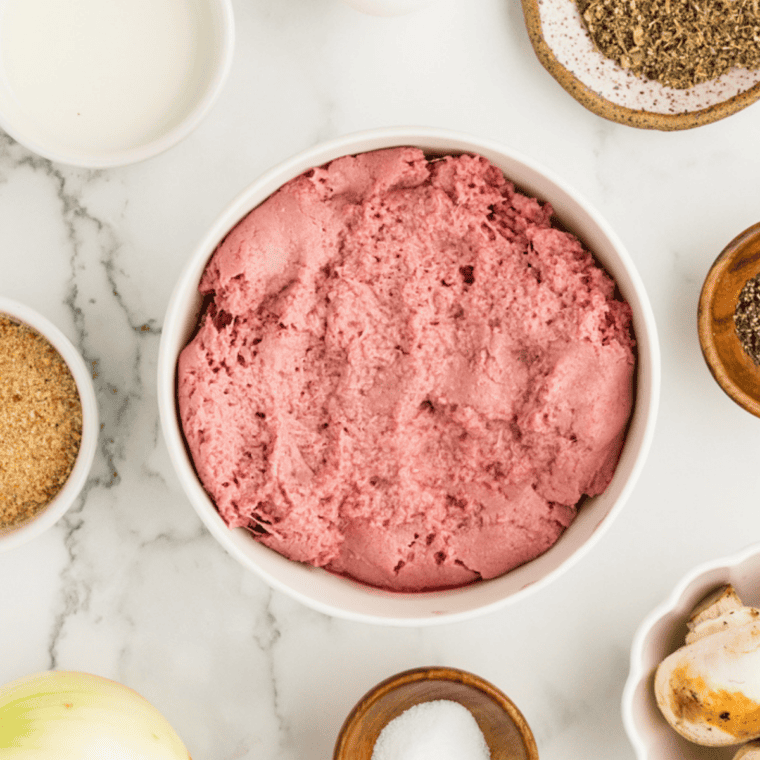
- Ground pork (1 pound, 80/20) — The base. Pork shoulder ground at the butcher counter is ideal if you can get it.
- The seasoning blend above — Mixed together first, so it distributes evenly instead of landing in clumps.
- Ice water (2 tablespoons) — The ingredient people skip, and the one that keeps the patties juicy. It also loosens the mixture just enough to blend the spices without overworking the meat.
How to Make Homemade Breakfast Sausage Patties
Step 1: Mix the seasonings. Combine all eight in a small bowl. Doing this separately means no pocket of pure salt in one patty and none in the next.
Step 2: Work it into the pork. Scatter the seasoning over the meat, add the ice water, and mix with your fingertips just until it’s evenly combined. Stop there. Overworking ground pork makes the texture springy and bouncy rather than tender.
Step 3: Chill overnight. Cover and refrigerate at least 4 hours, ideally 12 to 24. This is where the sage and thyme actually move into the meat. A patty fried immediately tastes like seasoned pork; a patty fried the next morning tastes like breakfast sausage. Same ingredients, completely different result.
Step 4: Shape. Divide into 8 portions and press each into a thin patty about 3½ inches across — wider than you think, because they shrink. Press a shallow dimple into the center with your thumb so they don’t dome up in the pan.
Step 5: Cook. Dry skillet, medium heat, 4 to 5 minutes per side. No oil needed; the pork renders plenty. You’re looking for a deep brown crust and 160°F in the center. Rest 2 minutes before serving so the juices settle.

Tips for Better Patties
- Keep the meat cold. Warm pork smears instead of mixing, and smeared fat renders out in the pan and leaves you with a dry patty.
- Don’t press them in the skillet. Every time you mash a patty with a spatula, you push juice into the pan and steam out of the meat.
- Cook a test patty. Fry a teaspoon of the mixture before shaping the rest. Taste it, then adjust salt or sage while you still can.
- Medium heat, not high. High heat browns the outside before the middle reaches 160°F, and these are thin enough that the timing should line up naturally.
Variations
Hot and spicy: Double the crushed red pepper to ½ teaspoon and add ¼ teaspoon cayenne.
Maple: Replace the brown sugar with 1 tablespoon of real maple syrup. Add it with the ice water and reduce the water to 1 tablespoon.
Sage-heavy: Go to 1½ teaspoons rubbed sage if you like it as assertive as the restaurant version at its best.
Links instead of patties: Roll the mixture into 3-inch logs about ¾ inch thick and cook the same way, turning to brown all sides.

What to Serve With Homemade Breakfast Sausage
This mixture is the base for a proper country breakfast, and it does double duty in a few directions.
Use a pound of it in place of store-bought in this Bob Evans sausage gravy recipe — the seasoning profile is built for it, and the gravy comes out noticeably more sage-forward than it does with a supermarket roll.
Split a batch of Bob Evans style buttermilk biscuits and lay a patty inside with a slice of American cheese for a breakfast sandwich.
Round out the plate with Bob Evan’s potato recipe and a couple of eggs over easy.
Storage and Freezing
Raw mixture: Refrigerate up to 2 days.
Raw patties: Freeze on a parchment-lined tray until firm, then stack with parchment between them in a freezer bag. They keep 3 months. Cook from frozen over medium-low, adding about 3 minutes per side.
Cooked patties: Refrigerate up to 4 days. Reheat in a dry skillet over medium-low, or 20 seconds in the microwave.

Bob Evans Copycat Sausage Recipe FAQs
Is this the actual Bob Evans recipe? No. Their blend is proprietary. This is a home version built to match the flavor profile — the sage, the light sweetness, the faint heat on the finish.
Can I use ground turkey or chicken? Yes, but add 2 tablespoons of olive oil to make up for the missing fat, and expect a milder result. Poultry doesn’t carry sage the way pork does.
Do I really have to wait overnight? Four hours will get you most of the way. Overnight is better. Cooking it immediately is the single most common reason homemade breakfast sausage tastes flat.
Why are my patties tough? Almost always overmixing. Combine with fingertips, not a stand mixer, and stop the moment the spices look evenly distributed.
How much seasoning per pound if I’ve made a big jar? About 3½ teaspoons of blend per pound of pork, plus the 2 tablespoons of ice water.
More Copycat Bob Evans Recipes
- Bob Evans Sausage Gravy Recipe — make it with a pound of this sausage
- Bob Evans Style Buttermilk Biscuits
- Bob Evan’s Potato Recipe
- Copycat Bob Evan’s Cheddar Baked Potato Soup
- Bob Evans Chicken Noodle Soup Recipe
- Easy Copycat Bob Evans Mac And Cheese Recipe
- Bob Evan’s Pot Roast Recipe
- Bob Evan’s Chicken Pot Pie Copycat Recipe
- Bob Evans Cranberry Relish Recipe
- Copycat Bob Evans Colonial Dressing Recipe

Bob Evans Breakfast Sausage Recipe (Copycat Patties)
Description
Ingredients
- 1 lb ground pork, 80/20
- 1½ tsp salt
- 1 tsp rubbed sage
- ¾ tsp black pepper
- ½ tsp brown sugar, packed
- ½ tsp dried thyme
- ¼ tsp dried marjoram
- ¼ tsp onion powder
- ¼ tsp crushed red pepper
- 2 tbsp ice water
Instructions
- Combine the salt, sage, pepper, brown sugar, thyme, marjoram, onion powder, and red pepper in a small bowl.
- Scatter the seasoning over the ground pork, add the ice water, and mix with your fingertips just until evenly combined. Do not overwork.
- Cover and refrigerate at least 4 hours, preferably 12 to 24.
- Divide into 8 portions and press into thin patties about 3½ inches wide. Dimple the centers.
- Cook in a dry skillet over medium heat, 4 to 5 minutes per side, until browned and 160°F in the center.
- Rest 2 minutes and serve.
Equipment
- Cast Iron Skillet
- Spatula
Notes
Nutrition
Share this recipe
We can’t wait to see what you’ve made! Mention @forktospoon or tag #forktospoon!