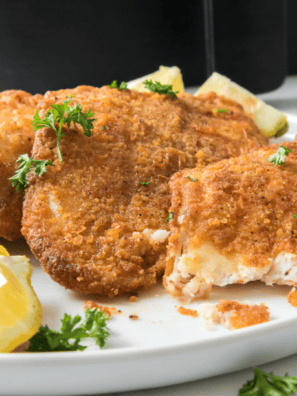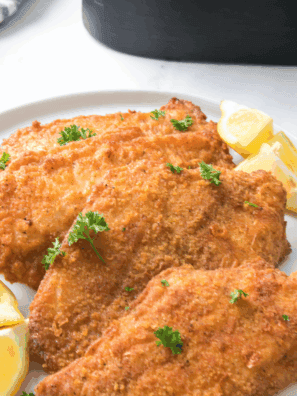
Catfish on the Blackstone is one of the easiest, fastest ways to get a restaurant-quality crust on a fillet — and you do it all outside, so your kitchen never smells like fried fish. The flat-top’s even, screaming-hot surface gives you a golden, seared exterior while the inside stays flaky and moist, and the whole thing is done in about 20 minutes start to finish.
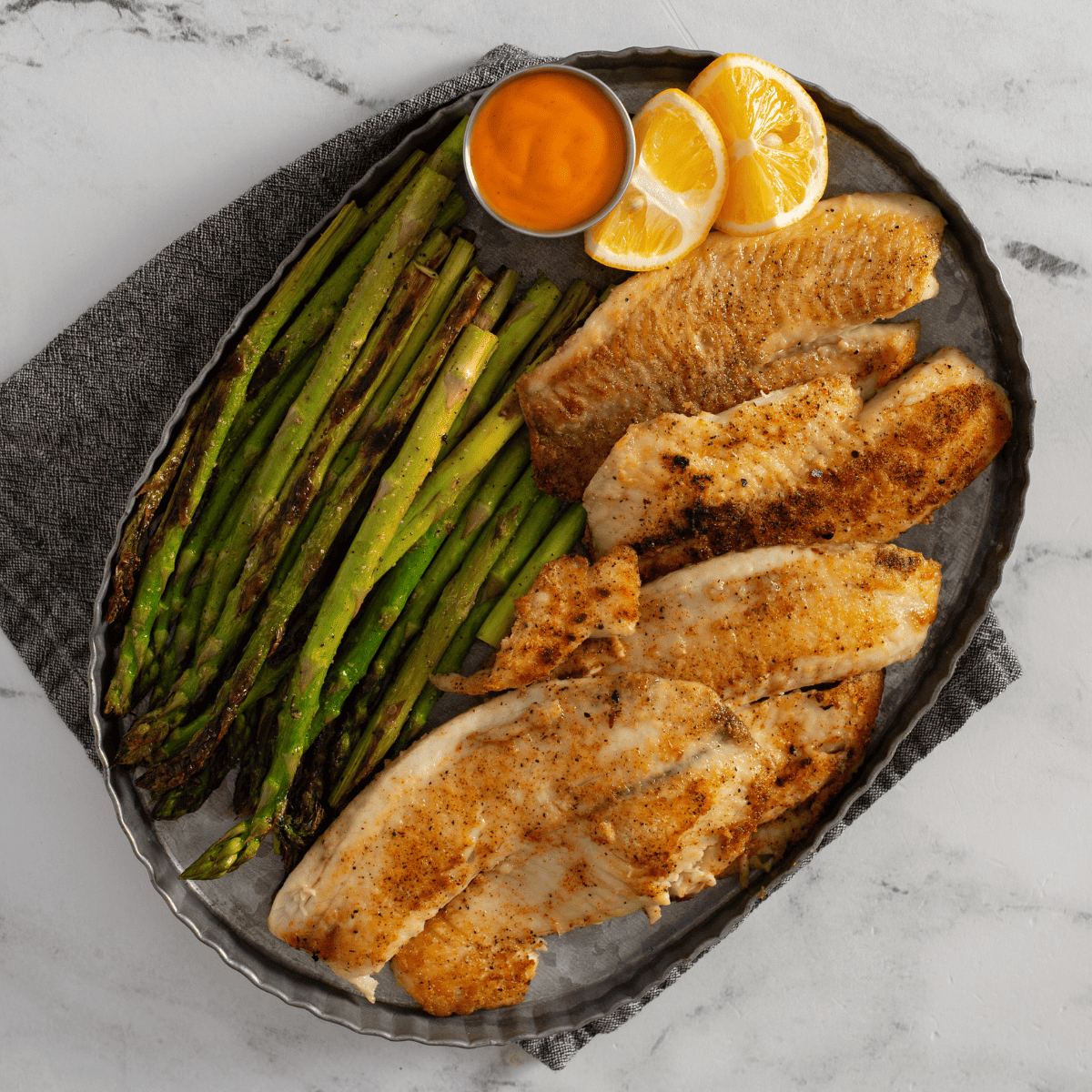
This guide covers both ways to season it: a fast Cajun version when you want dinner on the table now, and a from-scratch spicy-sweet blackened rub (smoked paprika, brown sugar, and a little cayenne) for when you want that slightly charred, crave-it-again crust. Pick whichever fits the night.
Why Cook Catfish on a Blackstone Griddle?
- Feeds a crowd. You can cook six to eight
- No fishy kitchen. Cooking outdoors keeps the smoke and smell out of the house — the single best reason to griddle fish instead of pan-frying it indoors.
- A better crust than a skillet. The large, evenly heated flat top sears the whole fillet at once instead of steaming it, so you get crispy edges without deep-frying.
- Fast and forgiving. Catfish cooks in 8–10 minutes total. There’s no breading, no oil bath, and cleanup is a scrape and a wipe.
Ingredients for Blackstone Catfish
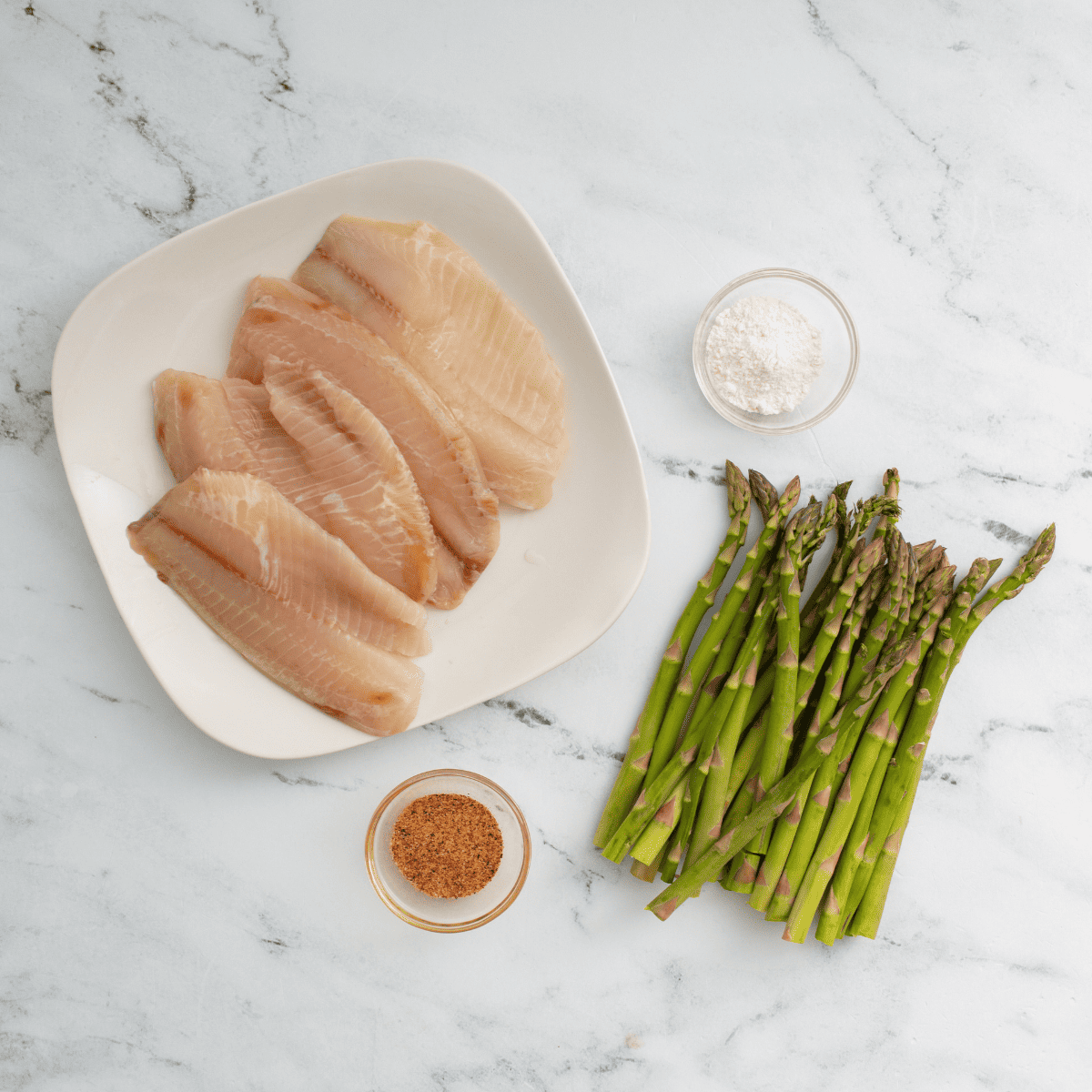
The fish (both versions)
- Catfish fillets: Mild, firm freshwater fish that griddles beautifully.
- High-smoke-point oil: Canola or avocado handles the griddle heat.
- Butter: Added after the oil for browning richness.
- Lemon wedges and parsley: Bright, fresh finish squeezed over the top.
Option 1 — Easy Cajun
- Cajun or Creole seasoning: Store-bought blend for fast, classic Southern flavor.
- Kosher salt: Skip it if your blend already tastes salty.
- Black pepper: A little sharp bite balancing the spice.
Option 2 — Spicy-Sweet Blackened Rub
- Smoked paprika: Deep smoky color and the rub’s backbone.
- Brown sugar: Caramelizes into a sweet, slightly charred crust.
- Dried oregano: Earthy herbal note rounding out the blend.
- Garlic powder: Savory depth that pairs with the heat.
- Onion powder: Mellow sweetness supporting the garlic and paprika.
- Ground cumin: Warm, nutty edge classic to blackening rubs.
- Kosher salt: Pulls every other flavor in the rub forward.
- Cayenne pepper: Brings the heat; add more for fire.
Why catfish? It’s a mild, slightly sweet freshwater fish with a firm, meaty texture that holds together on the griddle better than flaky fish like cod or tilapia — which is exactly why it’s the classic choice for blackening.
What Temperature to Set the Blackstone for Catfish
Set your griddle to medium-high — about 375–400°F at the cooking surface. You want it hot enough to sear instantly (a drop of water should sizzle and skate across the surface), but not so hot that the butter or the sugar in the blackened rub scorches before the inside cooks. If you’re using the spicy-sweet rub, lean toward the lower end (around 375°F) because brown sugar burns faster than spices alone.
Always preheat for at least 8–10 minutes so the steel heats evenly. A cold spot is the number-one cause of fillets that stick.
How to Cook Catfish on the Blackstone (Step by Step)
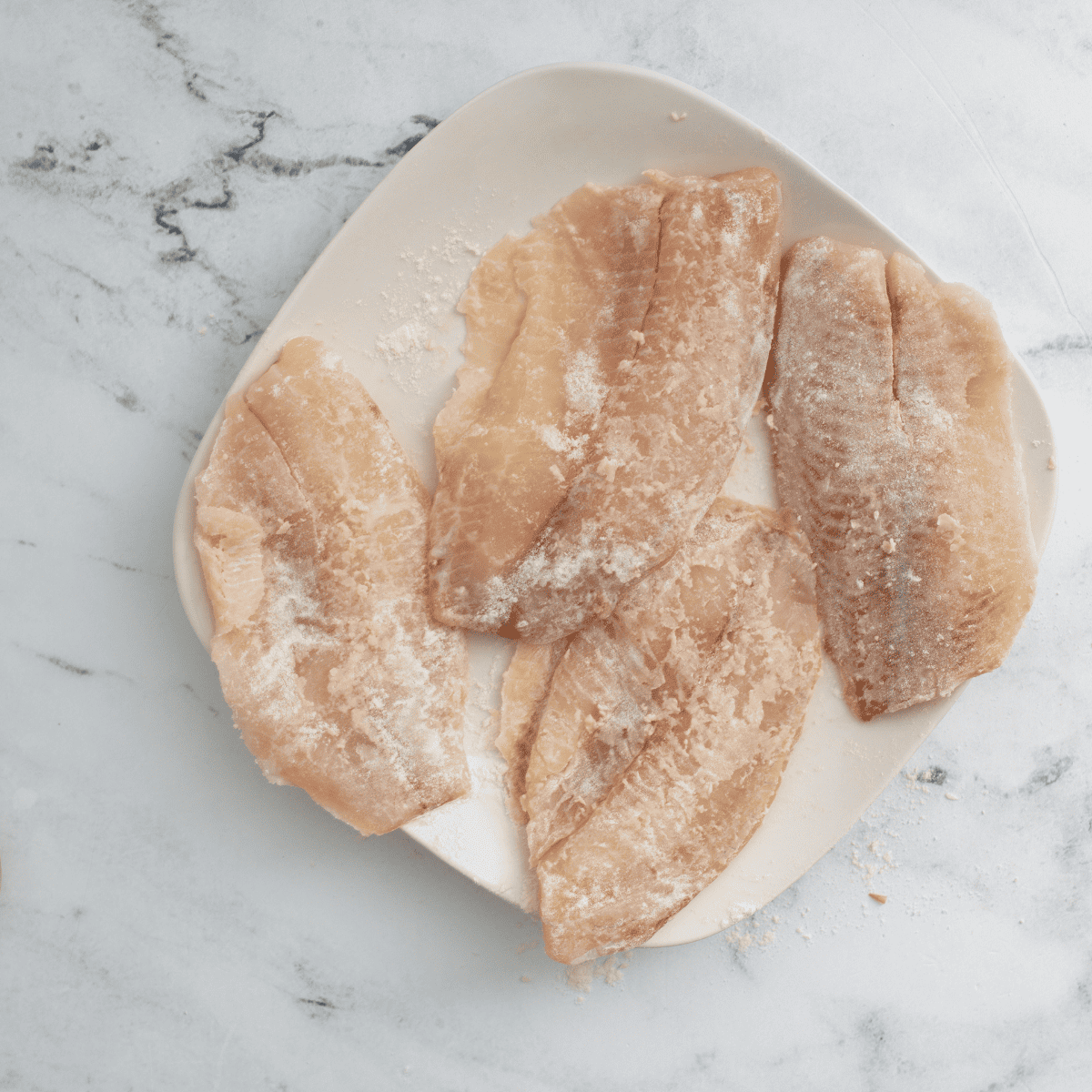
Step 1. Preheat and pat dry. Heat the griddle to medium-high. While it heats, pat the fillets completely dry with paper towels — surface moisture is the enemy of a good sear and the reason fish sticks.
Step 2. Season. For the Cajun version, drizzle the fillets lightly with oil and sprinkle both sides with the Cajun blend, salt, and pepper. For the blackened version, stir the rub ingredients together in a
Step 3. Oil the griddle, then add butter. Spread the oil into an even layer with a spatula. Drop the butter on and spread it around until it’s melted and foamy. The oil raises the smoke point so the butter can brown without burning.
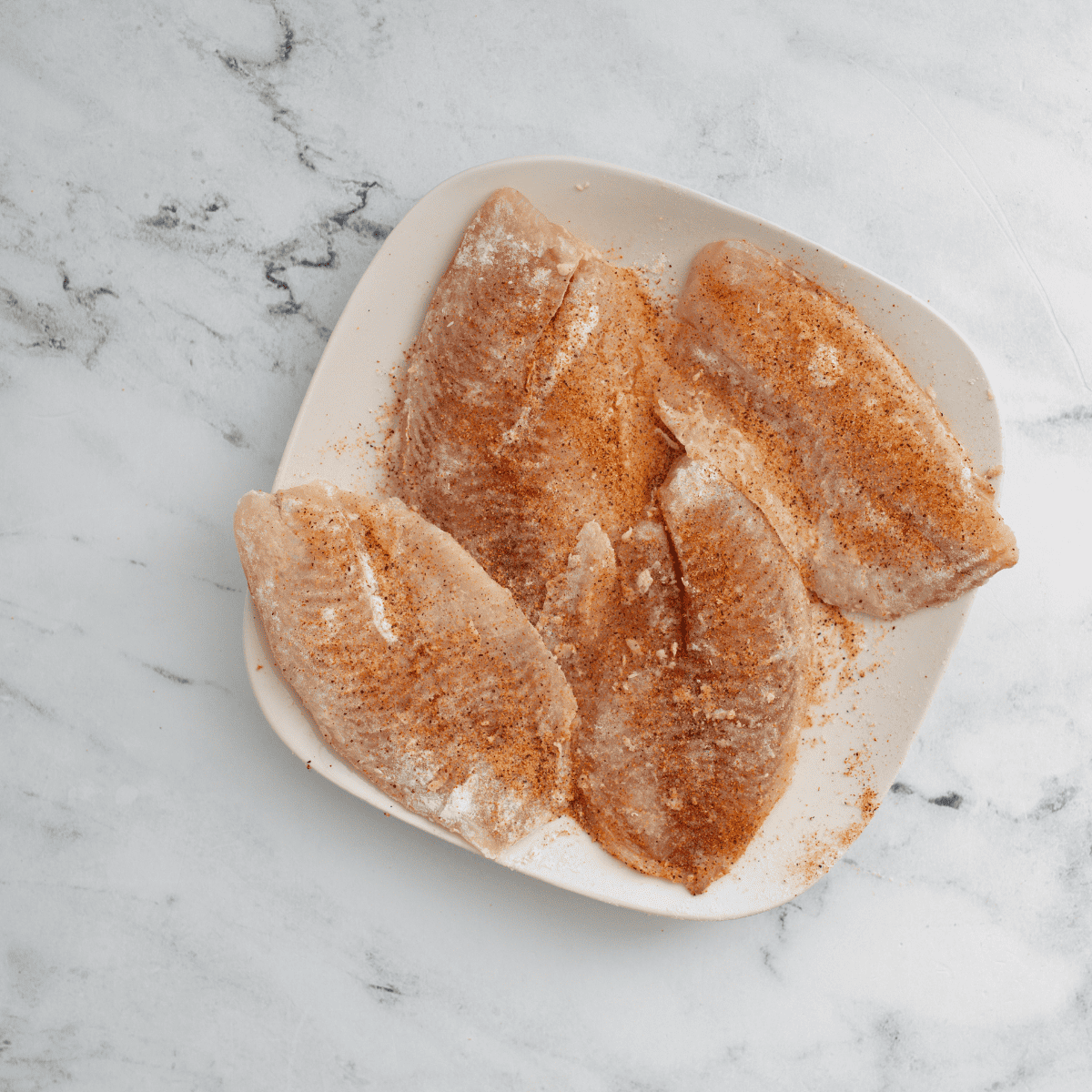
Step 4. Lay the fillets down — and leave them. Place the fillets on the hot surface, spaced apart so they sear instead of steam. Don’t move them. Let them cook 4–5 minutes until a crust forms and they release on their own. If a fillet is stuck, it isn’t ready to flip yet.
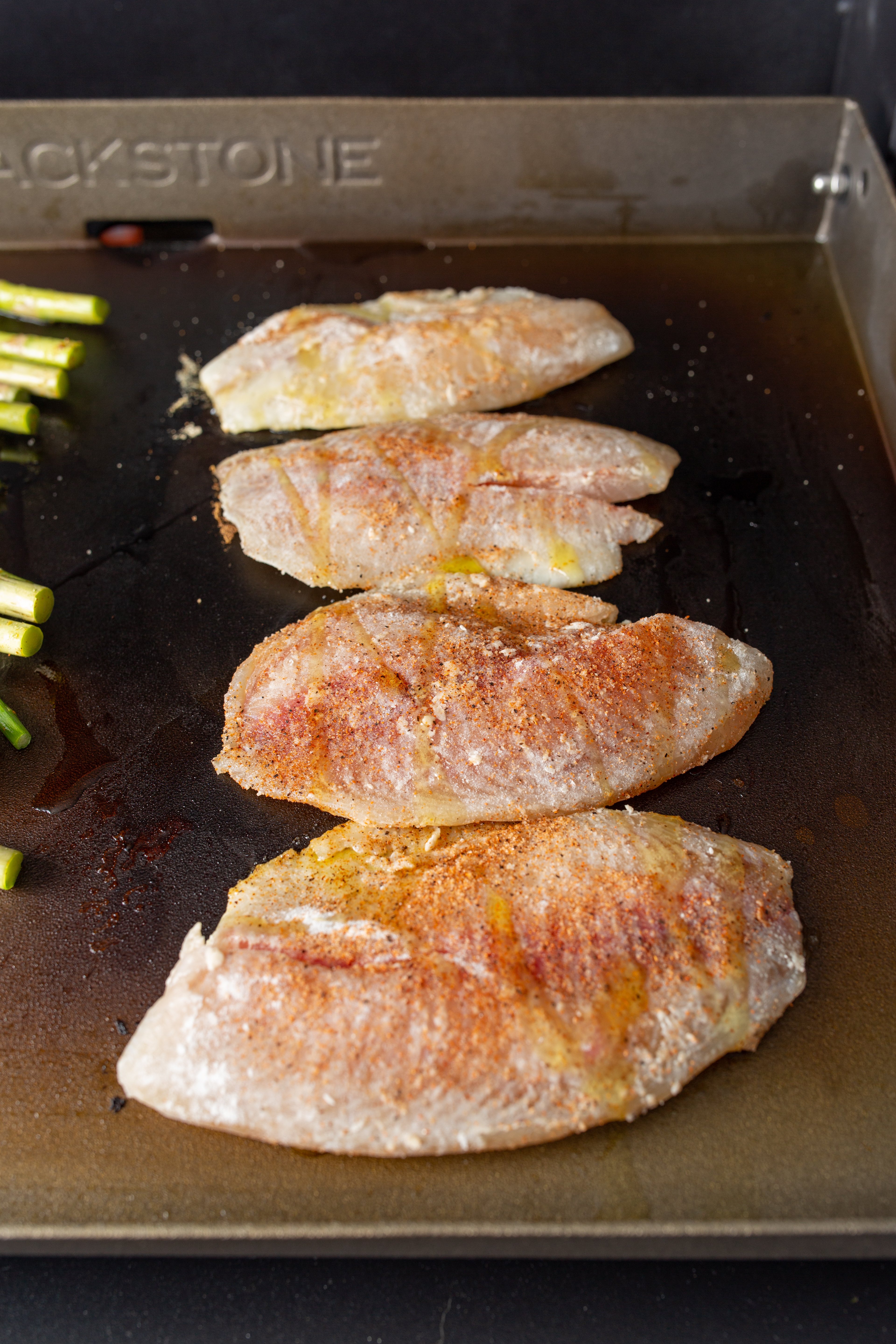
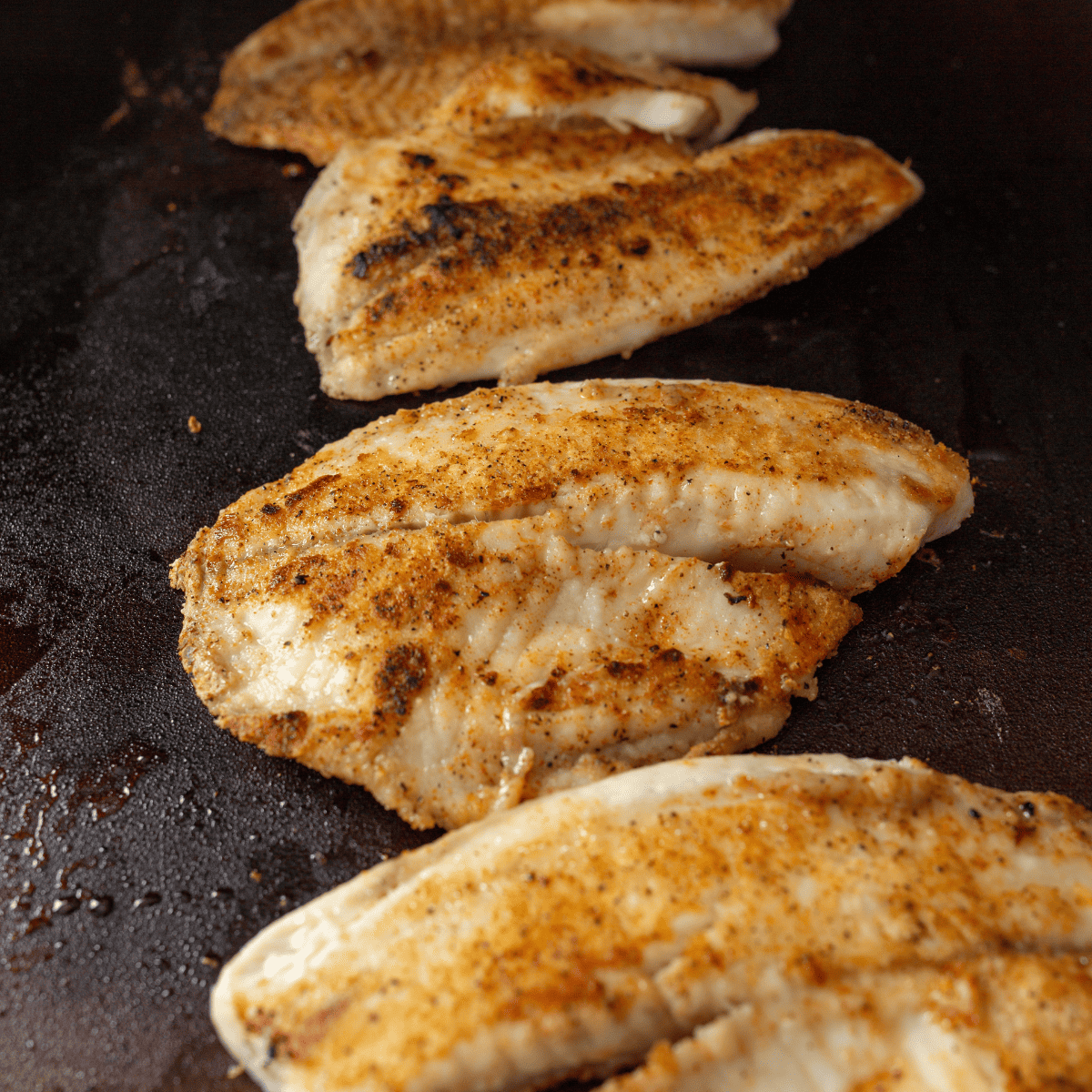
Step 5. Flip once. Slide a thin metal spatula fully under each fillet and flip. Cook the second side 3–4 minutes more.
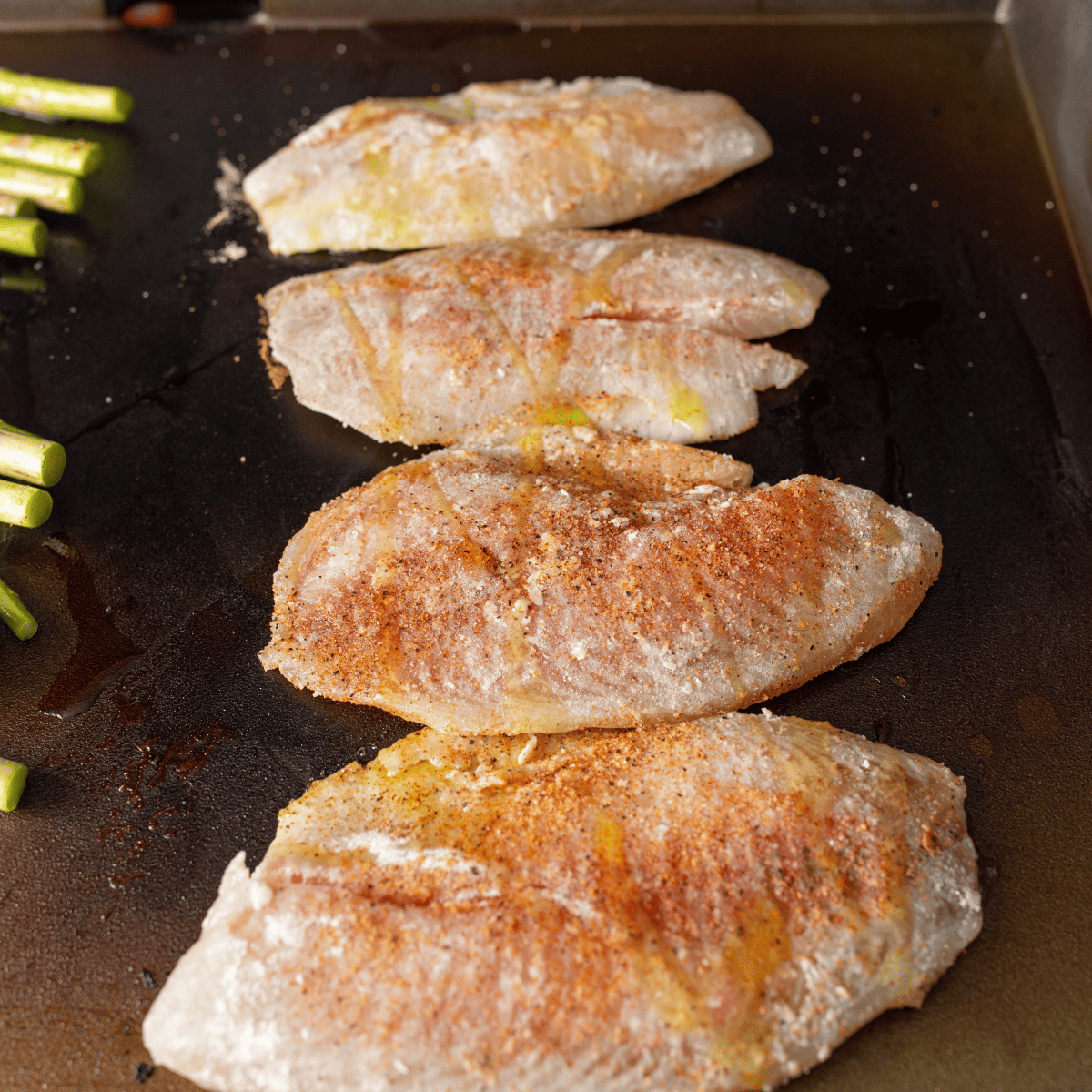
Step 6. Check doneness. The fish is done when it flakes easily with a fork and an instant-read thermometer in the thickest part reads 145°F (63°C). Total cook time is usually 8–10 minutes depending on thickness.
Step 7. Rest and finish. Move the fillets to a platter, squeeze fresh lemon over the top, and scatter parsley. Serve right away while the crust is crisp.
Pro Tips for the Best Griddle Catfish
- Dry fish = crispy fish. Pat the fillets dry and let them sit uncovered in the fridge for 15–20 minutes if you have time.
- Don’t crowd the steel. Leave space between fillets so steam escapes and each one sears.
- Wait for the release. A properly seared fillet lets go of the griddle by itself. Forcing it early tears the crust.
- Use a thin, wide fish spatula. Catfish is sturdy, but a long, flexible metal turner makes the flip clean.
- Manage the smoke. A little smoke is normal at griddle heat. Cook on the side of the griddle facing away from the wind, and keep the burner just hot enough to sear.
- Watch the sugar. With the blackened rub, the brown sugar caramelizes fast — pull the fillets the moment the crust is deep mahogany, not black.
Can You Use Frozen Catfish?
Yes, but thaw it first. Move the fillets to the refrigerator overnight, or seal them in a bag and submerge in cold water for 30–45 minutes. Cooking from frozen steams the fish and prevents the sear that makes griddle catfish worth it. Either way, pat the thawed fillets very dry before seasoning.
No Blackstone? Cast-Iron Skillet Method
You can make the exact same recipe in a cast-iron skillet:
- Preheat the skillet over medium-high until a drop of water dances and evaporates.
- Add the oil, then the butter, and let it foam.
- Add the fillets and cook 3 minutes per side, until the crust is set and the fish flakes.
- To keep the smoke out of the house, set the cast iron on a gas grill with the lid closed and cook it there.
What to Serve with Blackstone Catfish
Catfish loves classic Southern sides. Try it with:
- Tangy coleslaw or a crisp slaw
- Hush puppies or skillet cornbread
- Cajun dirty rice
- Grilled corn (cook it right on the Blackstone alongside the fish)
- A squeeze of lemon and a side of remoulade or tartar sauce
Storage and Reheating
- Refrigerate leftovers in an airtight container for 2–3 days.
- Reheat on the Blackstone or in a hot cast-iron skillet for a minute or two per side to re-crisp the crust — avoid the microwave, which makes the fish rubbery.
- Freeze cooked catfish for up to a month, though the crust softens on thaw.
Frequently Asked Questions
How long does it take to cook catfish on a Blackstone griddle? About 8–10 minutes total — roughly 4–5 minutes on the first side and 3–4 on the second, depending on fillet thickness.
How do you keep catfish from sticking to the griddle? Preheat fully, oil the surface (oil first, then butter), pat the fish dry, and don’t try to flip until the fillet releases on its own. A stuck fillet just needs another minute.
What temperature should the Blackstone be for fish? Medium-high, around 375–400°F. Use the lower end for the blackened rub so the brown sugar doesn’t scorch.
How do you know when catfish is done? It flakes easily with a fork and reaches an internal temperature of 145°F (63°C) in the thickest part.
Do you flip catfish on the griddle? Yes — once. Sear the first side until a crust forms and the fish releases, then flip and finish the second side.
What’s the difference between blackened and Cajun catfish? Cajun catfish is seasoned with a Cajun spice blend and seared. Blackened catfish is dredged in a spice rub (often with paprika and a touch of sugar) and cooked hot in butter and oil to form a dark, slightly charred crust. The blackened rub above gives you that classic spicy-sweet bark.
Can you cook other fish on the Blackstone the same way? Yes. Firm fish like salmon, mahi mahi, grouper, and tilapia all work with this method — just adjust time for thickness.
Can I make the blackened rub ahead? Absolutely. Mix a double or triple batch and store it in an airtight jar for up to 6 months. It’s also great on shrimp and chicken.
More Blackstone Recipes to Try
Blackstone Sirloin Steak Recipe
Blackstone Griddle Frozen French Fries
Blackstone Catfish
Description
Ingredients
For the fish:
- 4 catfish fillets, about 6 oz each
- 2 tablespoons high-smoke-point oil, canola, avocado, or vegetable
- 1 tablespoon butter
- Lemon wedges and chopped fresh parsley, for serving
Option 1 — Easy Cajun:
- 2 teaspoons Cajun or Creole seasoning
- ½ teaspoon kosher salt, omit if blend is salty
- ¼ teaspoon black pepper
Option 2 — Spicy-Sweet Blackened Rub:
- 1 tablespoon smoked paprika
- 1 tablespoon brown sugar
- 2 teaspoons dried oregano
- 1 teaspoon garlic powder
- 1 teaspoon onion powder
- 1 teaspoon ground cumin
- ½ teaspoon kosher salt
- ¼ teaspoon cayenne pepper
Instructions
- Preheat the Blackstone griddle to medium-high (375–400°F) for 8–10 minutes. Pat the catfish fillets completely dry with paper towels.
- Season the fillets: for the Cajun version, lightly oil and sprinkle both sides with the seasoning, salt, and pepper. For the blackened version, stir the rub together and dredge each fillet, shaking off excess.
- Spread the oil on the griddle, then add the butter and let it melt and foam.
- Lay the fillets down spaced apart. Cook 4–5 minutes without moving them, until a crust forms and they release.
- Flip once and cook 3–4 minutes more, until the fish flakes easily and reaches 145°F (63°C) internally.
- Transfer to a platter, squeeze lemon over the top, garnish with parsley, and serve immediately.
Equipment
- Blackstone Griddle
- Cooking Oil
Notes
- Cast iron: Cook 3 minutes per side in a preheated cast-iron skillet with oil and butter. Cook on a covered gas grill to keep smoke outside.
- Frozen catfish: Thaw completely and pat dry before cooking.
- Make-ahead rub: Mix a big batch of the blackened rub and store airtight up to 6 months.
Nutrition
Share this recipe
We can’t wait to see what you’ve made! Mention @forktospoon or tag #forktospoon!