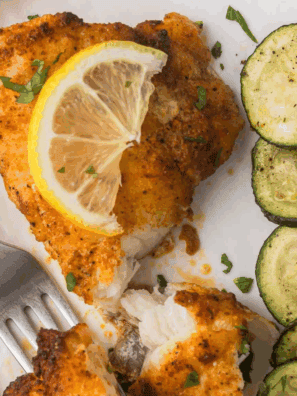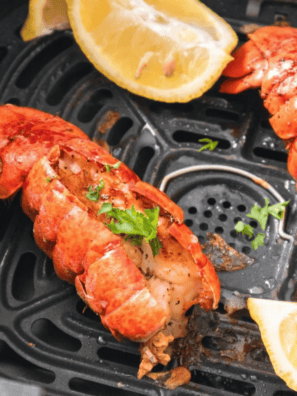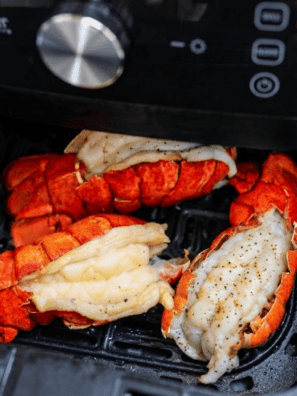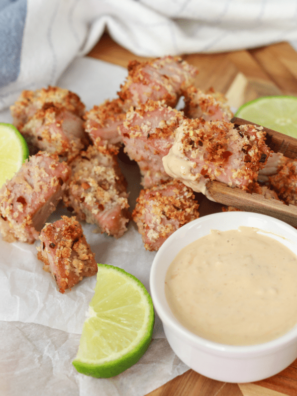
Air Fryer Chilean Sea Bass with Lemon Garlic Butter Restaurant Quality in 15 Minutes. Perfectly cooked air fryer Chilean sea bass with a rich lemon garlic butter sauce — buttery, flaky, and ready in 15 minutes.
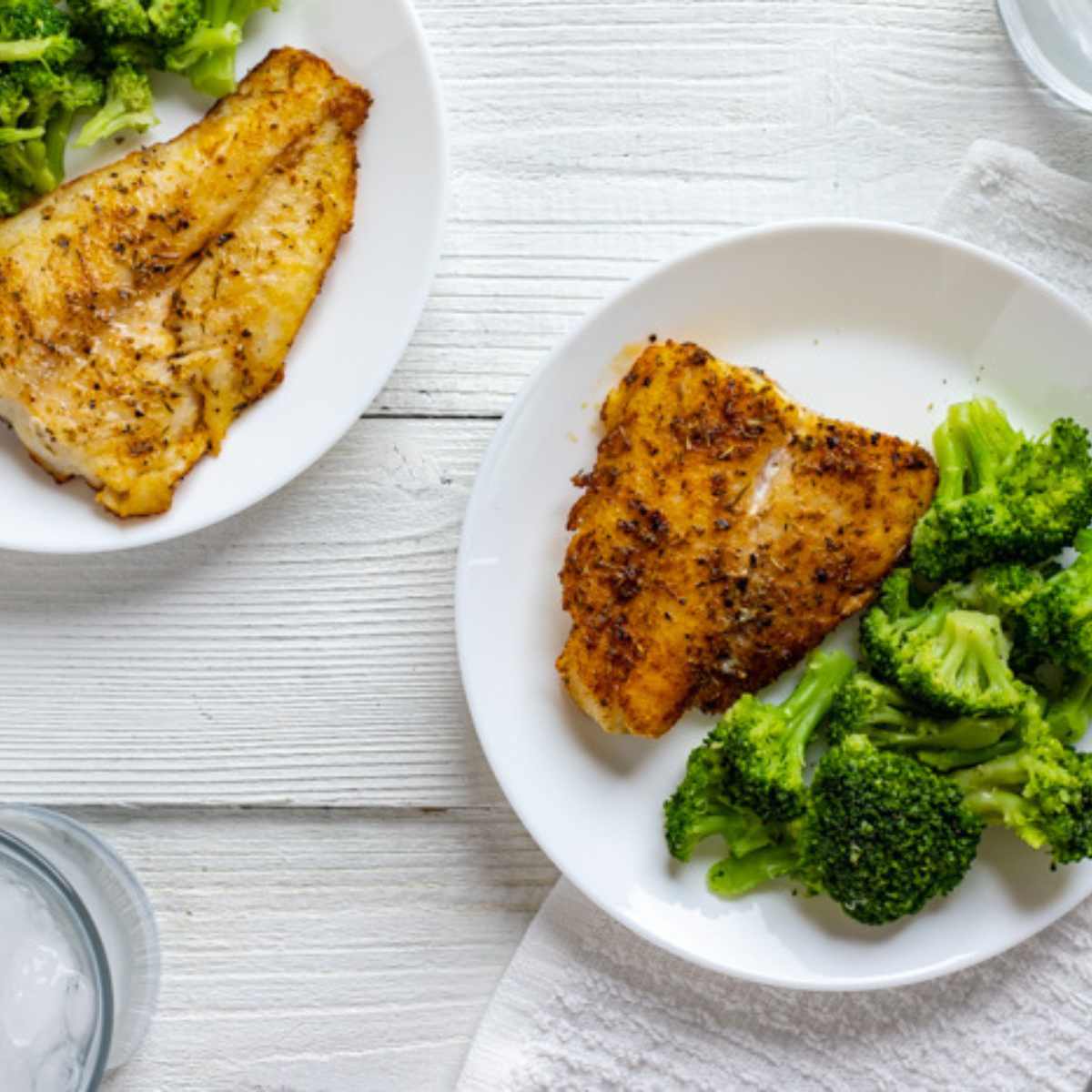
Chilean sea bass is one of those restaurant dishes that feels out of reach at home — not because it is difficult, but because at $25–$35 per pound, there is real pressure to not mess it up. The good news is that Chilean sea bass is one of the most forgiving fish you can cook in an air fryer. Its naturally high fat content means it stays moist and tender even with minor variations in cook time, and the air fryer’s circulating heat delivers a gently crisped exterior with a silky, buttery interior that rivals anything you would get at a white-tablecloth restaurant.
The first time I cooked Chilean sea bass in the air fryer, I was genuinely shocked at how good it came out. The lemon garlic butter sauce I spoon over it at the end — made in the same little bowl while the fish cooks — is the move that takes it from weeknight to special occasion. My family now requests this whenever we want something that feels celebratory but actually takes 15 minutes.
Why You Will Learn Today!
Today, we will cover everything you need to know, why the air fryer is actually the best method for this fish, the lemon garlic butter sauce that makes the dish, the internal temperature that tells you it is perfectly done, where to buy Chilean sea bass, and answers to every question I have seen people ask about cooking this fish.
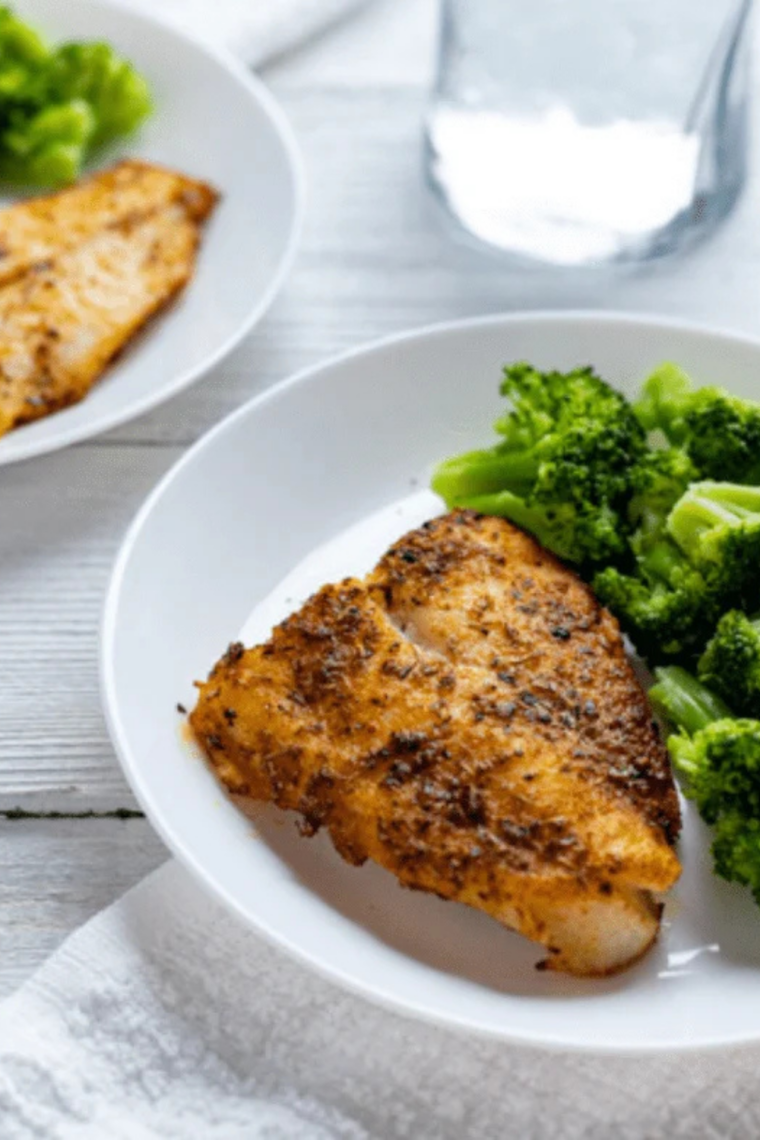
What is Chilean sea bass?
Despite the name, Chilean sea bass is not actually a sea bass. Its real name is Patagonian toothfish — a deep-water fish found in the cold waters off the coasts of Chile, Argentina, South Georgia Island, and Antarctica. The name “Chilean sea bass” was coined by fish merchant Lee Lantz in 1977 as a more marketable name for the American market, and it worked spectacularly well.
What makes it so prized is its fat content. Chilean sea bass has one of the highest fat contents of any white fish — closer to salmon than to cod — which gives it a rich, buttery flavor and a silky, almost luxurious texture when cooked properly. That fat is also what makes it incredibly difficult to overcook: where a lean fish like cod will dry out in seconds if you go a minute too long, Chilean sea bass stays moist and tender over a wide cooking range.
It is typically sold at $25–$35 per pound at high-end grocery stores, Whole Foods, and seafood counters. Costco sometimes carries it at a slightly better price per pound. Online seafood companies like Sizzlefish ship vacuum-sealed, individually portioned fillets directly to your door.
Why the air fryer is the best way to cook it!
- Even, consistent heat: Hot air circulates around the fish so it cooks evenly edge to center—no hot or cold spots.
- Moisture stays in: Gentle convection heat helps the natural fats keep the fish juicy while the outside lightly crisps.
- Fast cooking, no long preheat: The air fryer heats up in minutes and cooks the fish in about 8–10 minutes.
- Minimal cleanup: No greasy pans or splatter—use parchment and cleanup is quick and easy.
- Consistent results every time: Same temperature and timing give you repeatable, reliable results without guesswork.
- Helps avoid overcooking: Controlled heat makes it easier to cook delicate fish perfectly without drying it out.
The lemon garlic butter sauce — the move that makes this dish
Why every Chilean sea bass recipe needs a sauce
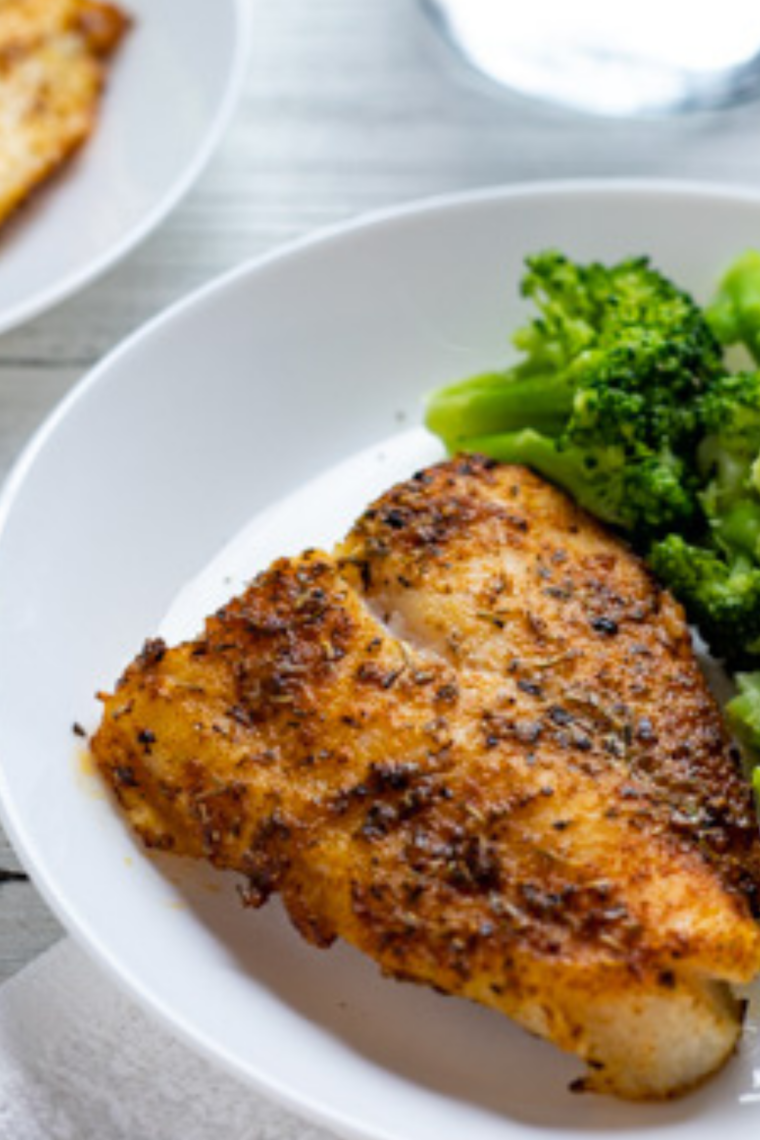
Chilean sea bass has an almost luxuriously rich flavor on its own, but a well-made sauce does two things: it adds brightness that cuts through the richness (lemon is essential), and it creates a glossy, restaurant-worthy presentation that makes a simple air-fried fish fillet look like a $40 plate.
This lemon garlic butter sauce takes about 3 minutes to make in a small saucepan while the fish cooks. By the time the fish is done, the sauce is ready to spoon directly over the top. The combination of bright lemon, pungent garlic, rich butter, and fresh herbs with the buttery, flaky fish is genuinely one of the best flavor combinations in all of seafood cooking.
The key is to make the sauce fresh, right before serving — it only takes 3 minutes and the difference between a sauce made 20 minutes ahead and one made right now is significant.
The internal temperature — this is everything
Because Chilean sea bass is expensive and the margin between perfectly cooked and overcooked is real, using an instant-read thermometer is strongly recommended. The USDA food-safe minimum for fish is 145°F, but for Chilean sea bass — a very fatty, rich fish — the sweet spot is actually slightly below that.
- Target — pull from heat: Remove the fish at 135–140°F. It will continue cooking as it rests and reach about 145°F. The texture should be silky, opaque, and just starting to flake.
- Overcooked — avoid: Once it hits 150°F or higher, the fish starts to dry out. Even rich Chilean sea bass loses that buttery texture past this point.
No thermometer? The fish is done when it flakes easily when pressed gently with a fork at the thickest point, and the flesh has turned from translucent to opaque white all the way through. Check the center, not the edge — edges always cook first.
Ingredients
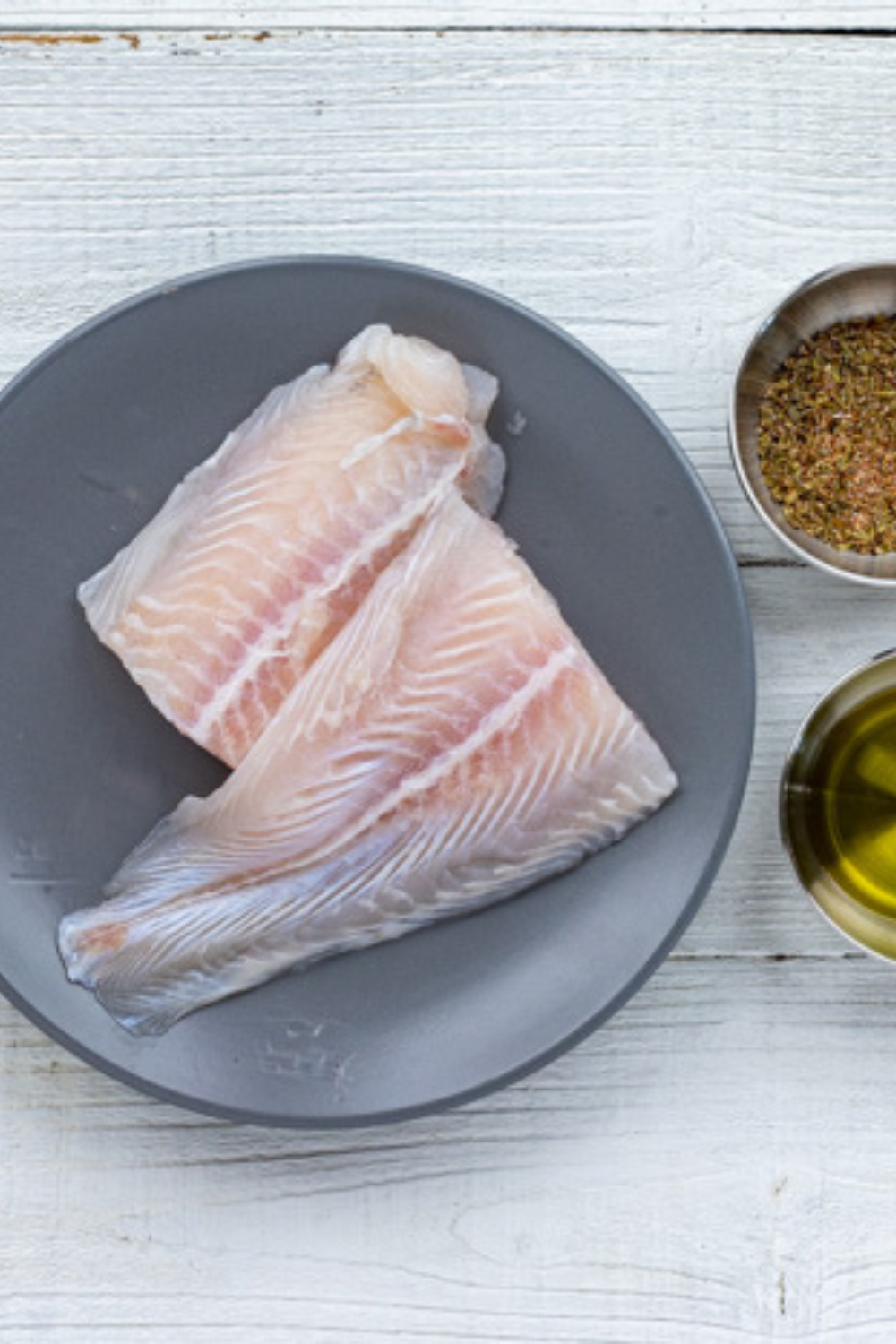
- Chilean sea bass fillets: Thick, rich fillets about one inch thick
- Olive oil or melted butter: Helps keep fish moist and adds rich flavor
- Kosher salt: Enhances natural flavor of the fish evenly
- Black pepper: Adds mild heat and balanced seasoning
- Garlic powder: Brings savory depth without overpowering the fish
- Smoked paprika: Optional spice adding color and subtle smoky flavor
- Lemon Garlic Butter Sauce
- Unsalted butter: Rich base that creates smooth, silky sauce
- Garlic: Fresh minced garlic adds bold aromatic flavor
- Lemon juice: Bright acidity that balances the richness perfectly
- Lemon zest: Boosts citrus flavor with fresh fragrant oils
- Parsley or chives: Fresh herbs add color and light flavor
- Red pepper flakes: Optional heat for a slight spicy kick
- Salt and white pepper: Final seasoning to balance and enhance sauce
Step-by-step instructions
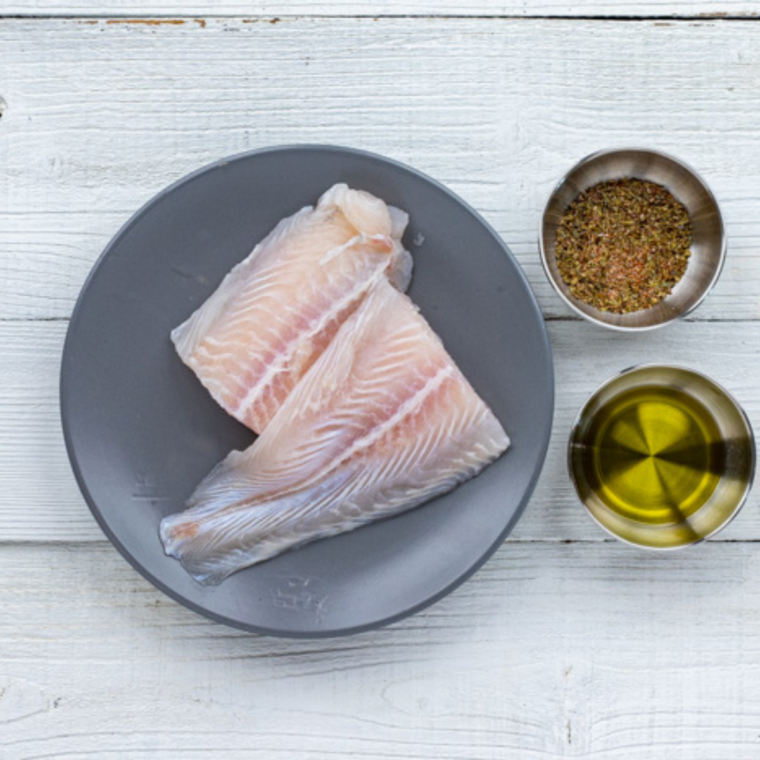
Step 1: Remove the Chilean sea bass fillets from the refrigerator 20 minutes before cooking and let them sit at room temperature. This is not a throwaway tip — cold fish placed directly in the air fryer will cook unevenly: the outside will overcook before the center reaches the right temperature. Room temperature fish cooks evenly and more gently from edge to center.
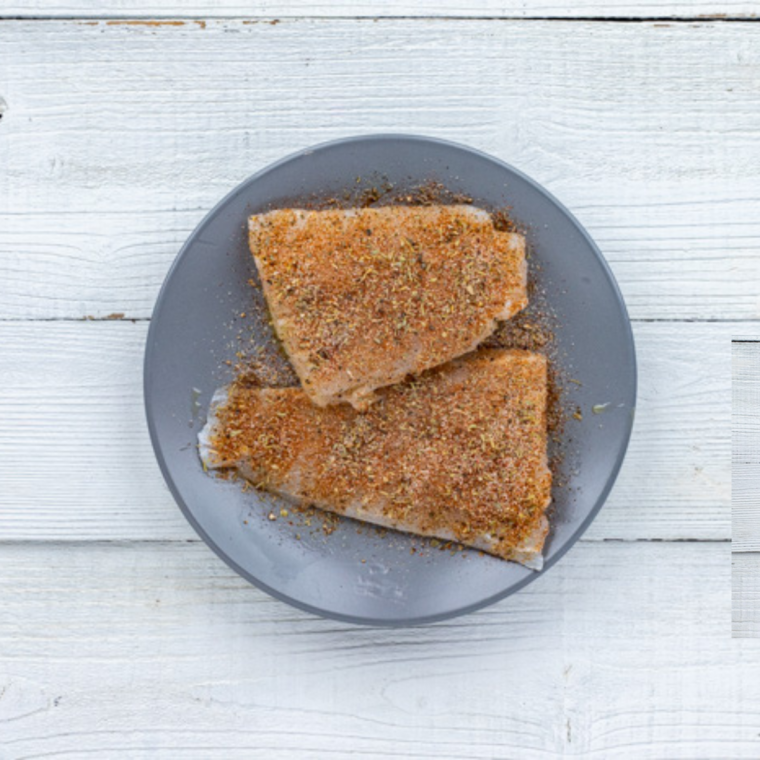
Step 2: Pat the fillets completely dry with paper towels on all sides. Surface moisture prevents the exterior from crisping and can cause the fish to steam rather than roast. Brush or rub each fillet lightly with olive oil or melted butter, then season generously with salt, pepper, and garlic powder. Add a dusting of smoked paprika for a beautiful golden color on the finished fish.
Step 3: Preheat your air fryer to 390°F for 3 minutes. Line the basket with a piece of parchment paper cut to fit — or use a small piece of foil under each fillet. Chilean sea bass skin can stick to air fryer baskets, and with a $30/lb fish, losing the gorgeous skin to the basket is a frustrating waste. Spray the parchment with cooking spray.
Step 4: Place the seasoned fillets skin-side down in the basket, leaving space between them. Air fry at 390°F for 8–10 minutes, depending on thickness. A 1-inch fillet takes about 9 minutes. Thicker fillets (1¼ inch) take 10–12 minutes. Do not flip — cooking skin-side down the entire time gives you the best result. The skin protects the delicate flesh from the direct heat while the top gently crisps.
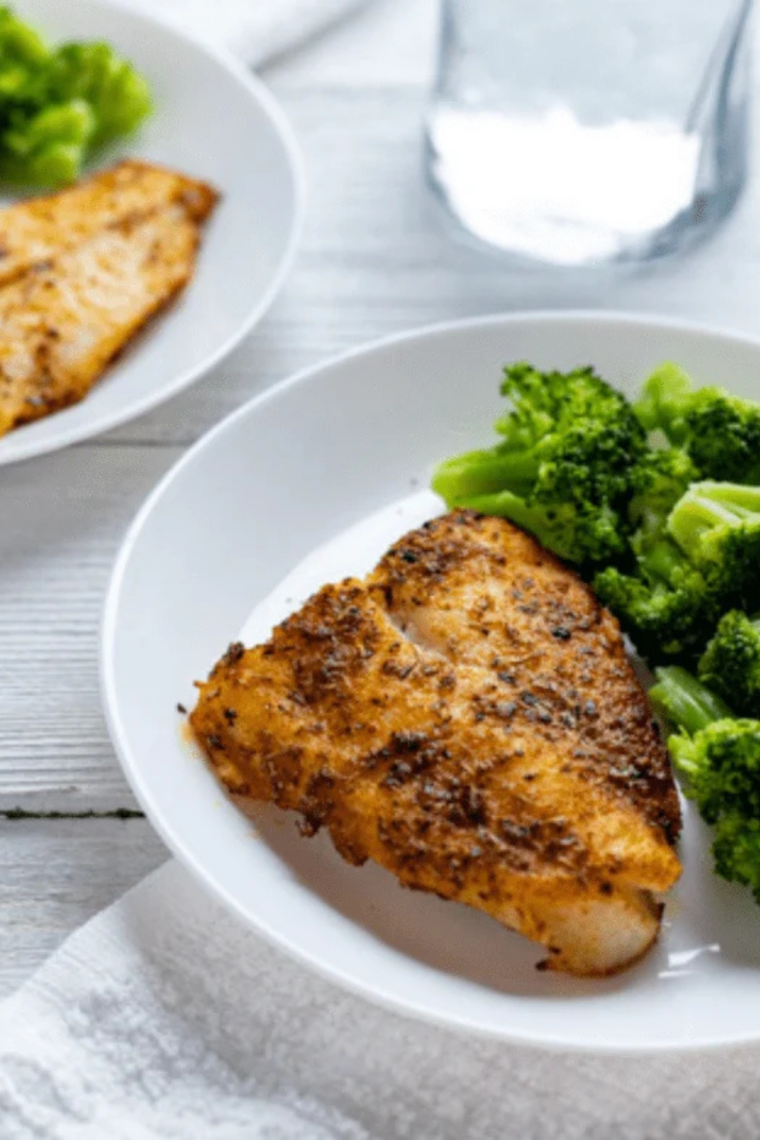
Step 5: While the fish is in the air fryer, make the lemon garlic butter sauce in a small saucepan: melt butter over medium-low heat, add minced garlic, cook 60–90 seconds until fragrant, remove from heat, stir in lemon juice, zest, and herbs. Season to taste. Keep warm on the lowest heat setting.
Step 6: At the 8-minute mark, check the internal temperature with an instant-read thermometer at the thickest part. Pull the fish at 135–140°F — carryover heat will bring it to 145°F during the 2-minute rest. If you don’t have a thermometer, the fish should flake when pressed gently and be completely opaque in the center. Let rest for 2 minutes before serving.
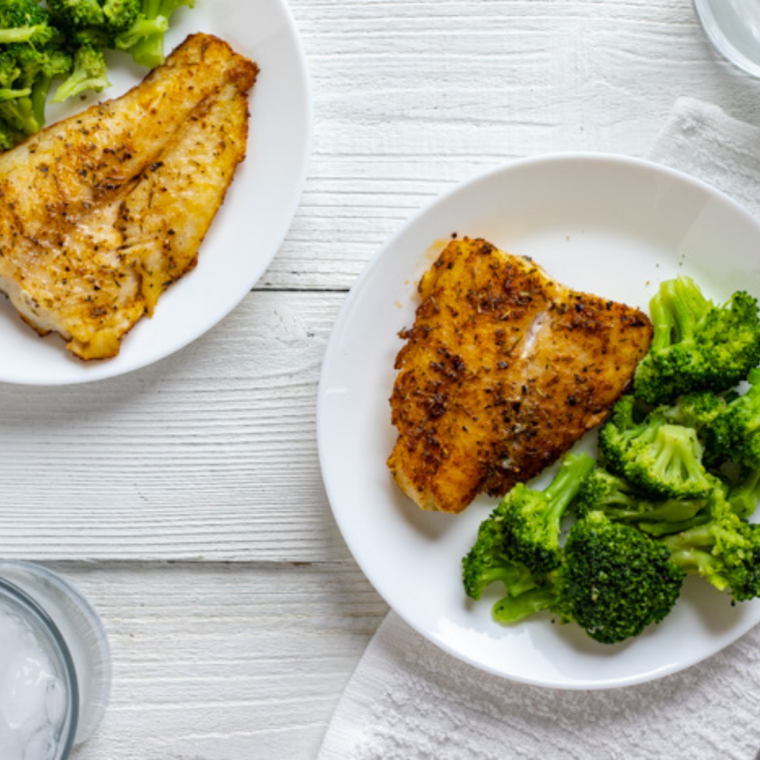
Step 7: Transfer the fillets to warmed plates. Spoon the lemon garlic butter sauce generously over each fillet immediately before serving. Finish with a few extra chopped herbs and a lemon wedge on the side. Serve immediately — Chilean sea bass is best the moment it comes off the heat.
Pro tips — protecting your $30/lb investment
- Never cook it cold. 20 minutes at room temperature before cooking is essential. Cold-center fish forces you to overcook the edges to reach a safe temperature in the middle.
- Use parchment or foil under the fish. The skin sticks. With a fish this expensive, don’t risk tearing it off in the basket. A small piece of parchment under each fillet is the simplest insurance.
- Cook skin-side down the whole time. No flipping needed. The skin acts as a natural barrier between the delicate white flesh and the heat source, resulting in more even cooking and a better texture throughout.
- Pull at 135–140°F, not 145°F. Carryover heat does the rest during the rest period. If you wait until the thermometer reads 145°F, the fish will be slightly overdone by the time you eat it.
- Make the sauce fresh and right before serving. The lemon garlic butter sauce takes 3 minutes. A sauce made 30 minutes ahead loses its brightness. Make it while the fish cooks and spoon it on immediately.
- Use fresh lemon juice, not bottled. The difference in the sauce is enormous. Fresh lemon has a brightness and fragrance that bottled juice simply cannot replicate. One lemon is enough for the sauce.
- Season generously. Chilean sea bass is a thick, rich fish. It needs more salt than you might expect — under-seasoned sea bass tastes flat and disappointing despite its natural richness.
Where to buy Chilean sea bass
- Whole Foods Market typically carries fresh Chilean sea bass fillets at the seafood counter. Quality is generally excellent — ask when the delivery came in and buy it the same day if possible.
- Costco carries frozen Chilean sea bass in bulk at a somewhat lower per-pound price. The quality is very good — thaw overnight in the refrigerator before cooking.
- High-end grocery stores (Wegmans, Central Market, Fresh Market) often carry it at the seafood counter. Ask for center-cut fillets of even thickness for the most reliable cooking results.
- Online — Sizzlefish and other premium seafood delivery services ship individually vacuum-sealed, portion-controlled fillets frozen. Convenient for having restaurant-quality fish on hand without a last-minute grocery run.
- What to look for: Fresh fillets should be bright white with no gray tinge, firm to the touch, and have a clean ocean smell — not fishy. If buying frozen, look for tight vacuum-sealed packaging with no ice crystals inside the bag.
Recipe variations
- Miso glazed: Mix white miso, soy sauce, mirin, brown sugar, and sesame oil. Marinate fillets before air frying for a rich, caramelized finish.
- Honey soy glaze: Combine honey, soy sauce, garlic, and red pepper flakes. Cook fish first, then brush with glaze and finish for a sticky, golden coating.
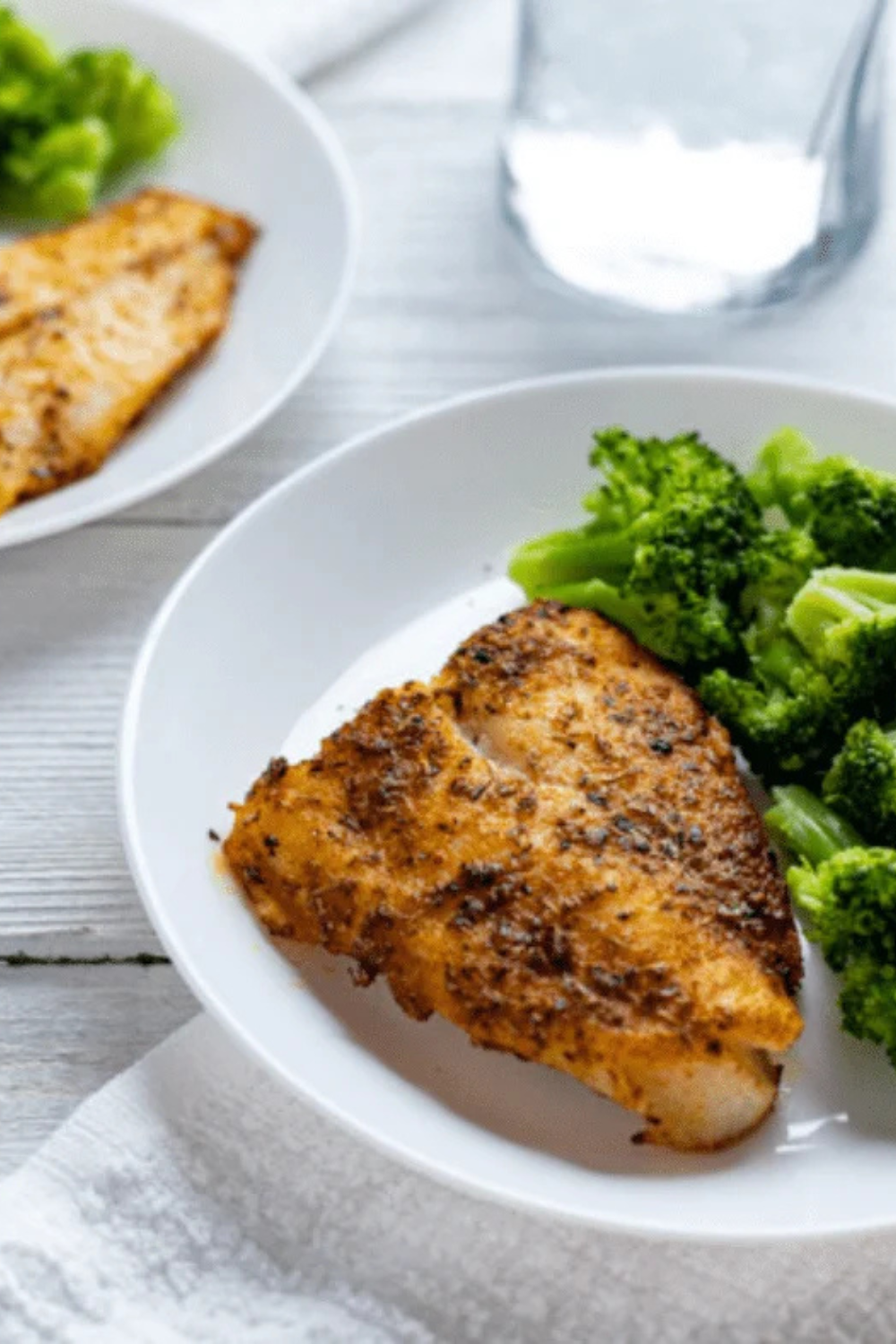
- Cajun blackened: Skip the sauce and season with Cajun spices, paprika, cayenne, onion powder, and pepper. Air fry and serve with remoulade.
- Herb crusted: Mix panko with fresh herbs, lemon zest, and olive oil. Press onto fillets before cooking for a light, crispy topping.
- Mediterranean style: Season with oregano, thyme, and garlic. Add tomatoes and olives, then finish with olive oil and fresh basil.
- Budget swap: Use black cod for a similar rich texture at a lower price. Halibut or mahi-mahi also work well with this method.
What to serve with air fryer Chilean sea bass
- Air Fryer Asparagus— cooks at the same temperature; make it before the fish and keep warm
- Garlic Mashed Potatoes— the richness of mashed potatoes pairs beautifully with the lemon butter sauce
- Air Fryer Broccolini— slightly charred, tender broccolini with lemon and garlic
- Jasmine or white rice— absorbs the lemon garlic butter sauce perfectly
- Simple green salad— a light, dressed green salad balances the richness of the fish
- Air Fryer Roasted Cherry Tomatoes— burst tomatoes with the sea bass is a stunning plate
Storage and reheating
- Refrigerator: Store cooked fillets in an airtight container for up to 3 days. Best enjoyed the same day—texture starts to decline after day 2.
- Reheating: Air fry at 330°F for 5–7 minutes, brushing lightly with melted butter first. Skip the microwave—it dries the fish out fast.
- Freezing: Not recommended for cooked fish. Freeze raw fillets instead and cook fresh for the best texture.
Frequently asked questions
How long to cook Chilean sea bass in the air fryer? At 390°F, a 1-inch thick fillet takes 8–10 minutes. Thicker fillets (1¼ inch) take 10–12 minutes. Always check the internal temperature — pull it at 135–140°F and let carryover heat bring it to 145°F during a 2-minute rest. Cooking time depends on the specific thickness of your fillet, so a thermometer is the most reliable guide.
What temperature to air fry Chilean sea bass? 390°F is the sweet spot for Chilean sea bass. High enough to gently crisp the exterior and cook through in under 10 minutes, low enough to give you a forgiving window before the fish overcooks. Avoid going above 400°F with this fish — the exterior will set and begin to firm before the center has properly heated through on thicker fillets.
Why is my Chilean sea bass rubbery or dry? Almost always one of two causes: overcooking (internal temperature went above 150°F), or the fish was too cold when it went into the air fryer (cooked unevenly, with the outside overcooking before the center reached temperature). Let the fish sit at room temperature for 20 minutes before cooking, use a thermometer, and pull it at 135–140°F.
Do I need to flip Chilean sea bass in the air fryer? No. Cook it skin-side down for the entire cooking time. The skin acts as a protective barrier, insulating the delicate white flesh from direct heat. Flipping risks breaking apart the fillet — Chilean sea bass is very delicate when hot — and doesn’t improve the result. The circulating air in the air fryer handles the top without any help.
Can I cook frozen Chilean sea bass in the air fryer? You can, but thawing first gives significantly better results. Frozen fish releases a lot of moisture as it thaws in the air fryer, which can cause steaming rather than roasting. For best results, thaw overnight in the refrigerator, then bring to room temperature for 20 minutes before cooking. If you must cook from frozen, add 5–6 minutes to the cooking time and check the internal temperature carefully.
How do I know when Chilean sea bass is cooked through? The most reliable method is an instant-read thermometer: 135–140°F when you pull it from the air fryer (carryover will bring it to 145°F). Without a thermometer: the flesh should be completely opaque (no translucency) when you press gently at the thickest part with a fork, and it should begin to flake with light pressure. Check the center — not the edges, which always cook first.
What does Chilean sea bass taste like? Rich, buttery, and mildly flavored — far closer to salmon in its fattiness than to the lean, flaky texture of cod. The flesh is silky rather than flaky when cooked properly, with a clean, slightly oceanic flavor that pairs well with almost anything bright (lemon), acidic (vinegar-based sauces), or umami-forward (miso, soy). It is one of the most luxurious-tasting fish available.
Is Chilean sea bass healthy? Yes — it is an excellent source of protein, omega-3 fatty acids, vitamin D, and B vitamins. The high fat content that makes it so delicious is primarily healthy unsaturated fat. A 6-oz serving has approximately 200 calories, 34g of protein, and 7g of fat. The lemon garlic butter sauce adds calories and fat, but in reasonable serving amounts remains a nutritious meal overall.
What is a cheaper substitute for Chilean sea bass? Black cod (sablefish) is the closest match in both flavor and fat content and is often significantly less expensive. Atlantic halibut is a good second choice — leaner but with a similarly mild, sweet flavor. Mahi-mahi and striped bass also work well with this cooking method, though both have firmer, less silky textures. Use the same temperature and timing, adjusting for thickness.
More Air Fryer Fish Recipes
- AIR FRYER FLOUNDER FISH
- AIR FRYER FISH & CHIPS
- THE BEST AIR FRYER FISH RECIPES
- AIR FRYER HOMEMADE FISH STICKS RECIPE
- AIR FRYER CRAWFISH CAKES
Air Fryer Chilean Sea Bass with Lemon Garlic Butter
Description
Ingredients
Fish + seasoning
- 2 Chilean sea bass fillets, 6–8 oz each
- 1 tbsp olive oil, or melted butter
- ¾ tsp kosher salt
- ½ tsp black pepper
- ½ tsp garlic powder
- ¼ tsp smoked paprika, optional
Lemon garlic butter sauce
- 3 tbsp unsalted butter
- 3 cloves garlic, minced
- 2 tbsp fresh lemon juice
- 1 tsp lemon zest
- 2 tbsp fresh parsley, or chives, chopped
- 1/4 tsp red pepper flakes
- 1/2 tsp Salt, to taste
- 1/4 tsp white pepper, to taste
Instructions
- Remove fillets from refrigerator 20 minutes before cooking. Pat completely dry with paper towels.
- Brush fillets with olive oil or butter. Season all sides with salt, pepper, garlic powder, and paprika.
- Preheat air fryer to 390°F for 3 minutes. Line basket with parchment paper and spray with cooking spray.
- Place fillets skin-side down in basket. Air fry at 390°F for 8–10 minutes (1-inch thick). Do not flip.
- While fish cooks, make the sauce: melt butter over medium-low, add garlic, cook 60–90 sec until fragrant. Remove from heat. Stir in lemon juice, zest, and herbs. Season to taste.
- Check internal temp at 8 minutes. Pull at 135–140°F. Rest 2 minutes — carryover will bring it to 145°F.
- Transfer to warmed plates. Spoon lemon garlic butter sauce over each fillet immediately. Serve with lemon wedges.
Equipment
- Parchment Paper, optional
- Cooking Spray
Notes
Nutrition
Share this recipe
We can’t wait to see what you’ve made! Mention @forktospoon or tag #forktospoon!