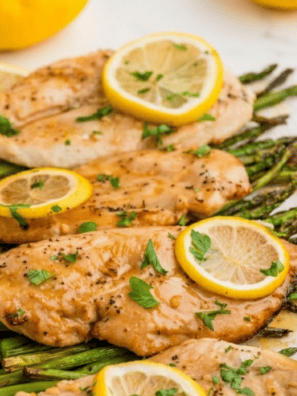
There’s a specific kind of disappointment that comes from bland chicken breast. You did everything right — you bought the good stuff, you didn’t overcook it, you even let it rest. And it still tastes like it’s apologizing for existing.
Montreal chicken seasoning fixes that in about four seconds of shaking.
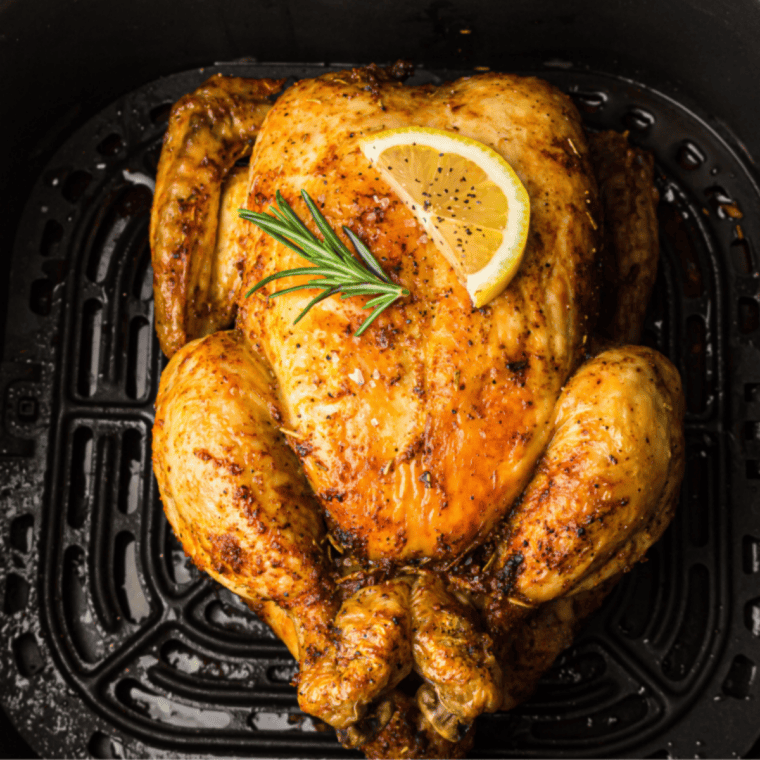
If you’ve got a jar of McCormick Grill Mates Montreal Chicken Seasoning in your cabinet, you’re holding the single highest-leverage ingredient in weeknight cooking. Coarse-cracked black pepper, garlic, salt, paprika, a little heat, and a bright citrus note that keeps the whole thing from tasting heavy. It’s built for chicken the way its steak cousin is built for ribeye — and it turns a plain breast into something with an actual crust.
Here’s how to use it properly, plus a homemade version for when the jar runs dry.
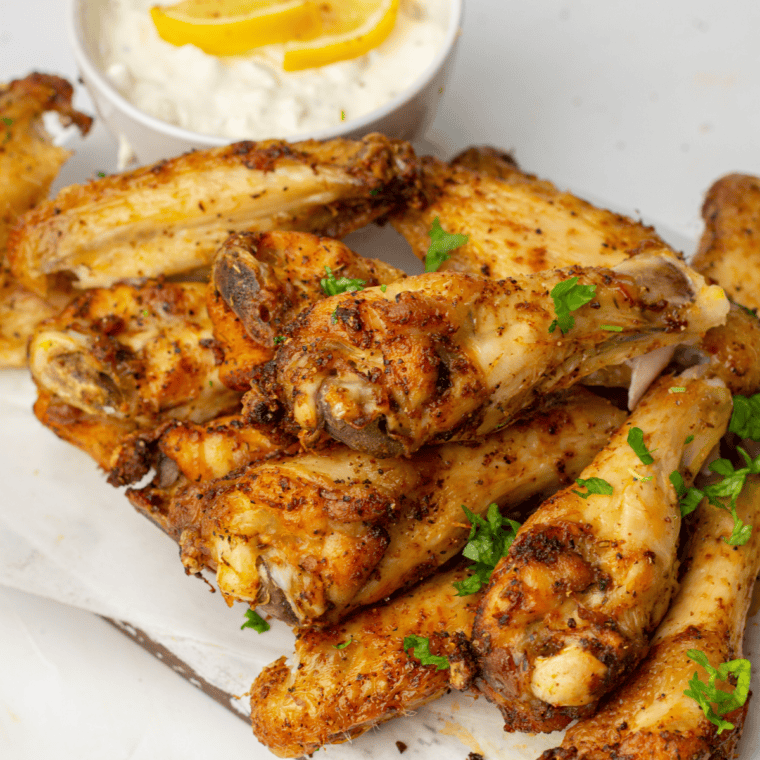
What Is Montreal Chicken Seasoning?
Montreal chicken seasoning is a coarse-ground spice blend built around garlic, onion, salt, and cracked black pepper, with paprika and red pepper for color and gentle heat. It came out of the same Montreal grilling tradition that produced Montreal steak spice — a lighter, brighter version developed specifically for poultry.
McCormick’s Grill Mates version leans on garlic, onion, salt, black pepper, parsley, red pepper, paprika, and green bell pepper. It’s savory and peppery rather than sweet, with no MSG added.
Worth knowing: not every Montreal chicken blend is the same. Many artisan and spice-shop versions include dried orange peel, sage, and oregano for a citrusy, herbal profile. McCormick’s is the garlic-and-pepper-forward style. Both are good. They taste noticeably different, so if you’ve had one and not the other, don’t assume.
Why This Seasoning Works So Well on Chicken
Most blends are finely ground, which means they dissolve into the surface and disappear. Montreal-style blends are deliberately coarse, and that changes three things:
- Salt content. There’s enough salt in the blend to act as a dry brine. Season 30 minutes ahead and it pulls moisture to the surface, dissolves, and gets reabsorbed carrying flavor deeper than a surface dusting ever reaches.
- Coarse grind. Bigger particles mean more surface texture, better browning, and a crust you can actually hear when you slice it. Those garlic and pepper pieces toast rather than burn.
- Balanced heat. The red pepper sits behind the garlic instead of in front of it. Bold, but not spicy enough to scare off a kid at the table.
Ingredients You’ll Need
Here’s what goes into this copycat, and why each one earns its spot:
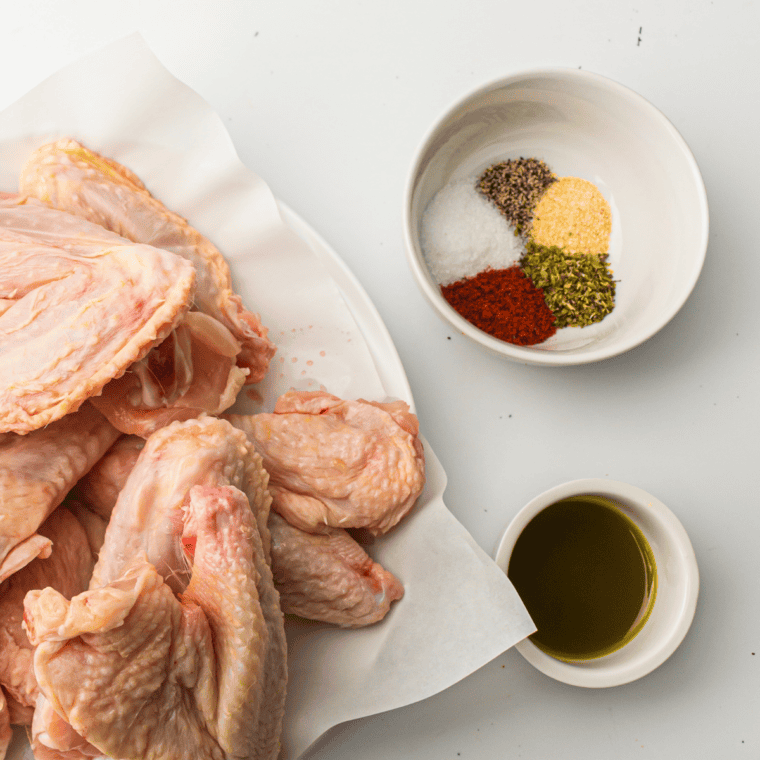
Coarsely ground black pepper: The backbone. Coarse is non-negotiable — fine pre-ground pepper dissolves into the meat instead of forming a crust.
Sub: Crack whole peppercorns in a mortar or pulse on the coarsest grinder setting.
Kosher salt: Does the dry-brining. Larger crystals dissolve slowly, drawing moisture out and then back in with flavor.
Sub: Coarse sea salt. Skip table salt — it’s nearly twice as salty by volume.
Granulated garlic: The dominant flavor in any Montreal blend. Granulated stays gritty and toasts; garlic powder clumps and turns bitter over heat.
Sub: Garlic powder, used sparingly.
Paprika: Color and mild sweetness. It’s what makes the crust look red-brown instead of gray.
Sub: Smoked paprika for a barbecue lean.
Dried minced onion: Savory depth plus visible texture between the pepper flakes.
Sub: Onion powder, used sparingly.
Crushed red pepper flakes: Background warmth rather than heat — it sits behind the garlic.
Sub: Aleppo pepper for a fruitier note, or scale back for kids.
Dried parsley and thyme: The herbal edge that separates chicken blends from steak blends.
Sub: Oregano in place of thyme.
Dried orange peel and rubbed sage (optional): Turns this into the citrus-forward, spice-shop style rather than the McCormick style. Worth making once to see which you prefer.
How to Make Montreal Chicken Seasoning
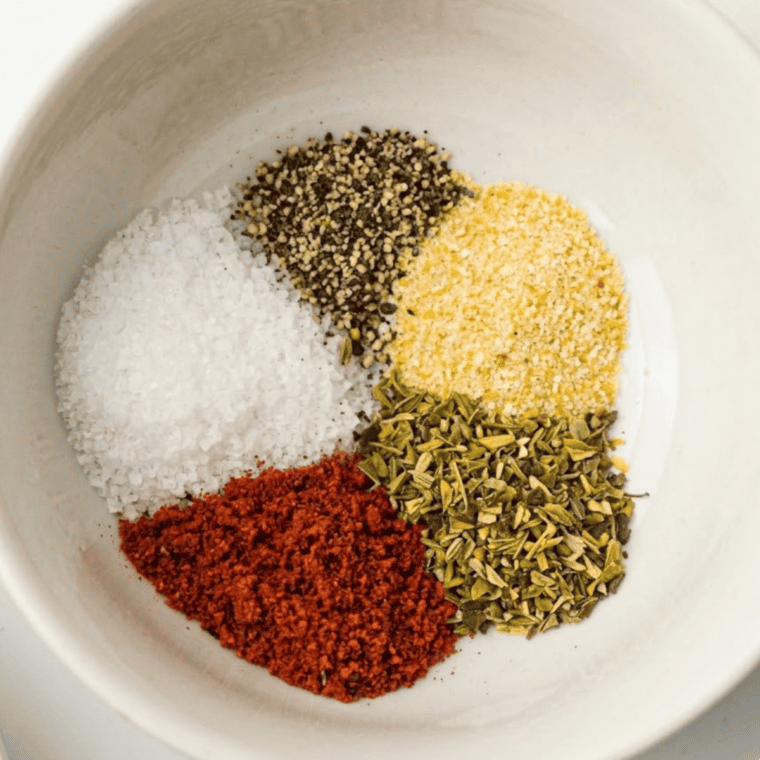
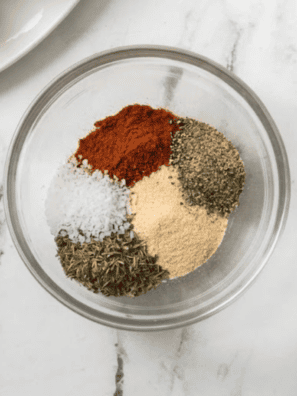
Step 1: 1. Measure everything into a bowl. Use a small bowl so nothing scatters. Add the pepper, salt, granulated garlic, paprika, minced onion, red pepper flakes, parsley, and thyme.
Step 2: Crack the pepper coarse if you haven’t already. If you’re starting with whole peppercorns, pulse them in a spice grinder for two or three short bursts, or crush them in a mortar. You want cracked pieces, not powder — this is the step that determines whether you get a crust or a coating.
Step 3: Whisk to combine. Stir for about 30 seconds until the color is uniform and you don’t see streaks of paprika or clumps of garlic.
Step 4: Break up any clumps. Granulated garlic and dried onion tend to stick together. Press them against the side of the bowl with the back of a spoon.
Step 5: Transfer to a jar. A small mason jar or an empty spice container works. Label it with the date. Let it sit before using, an hour is enough for the flavors to settle into each other, though it’s usable immediately if you’re in a hurry.
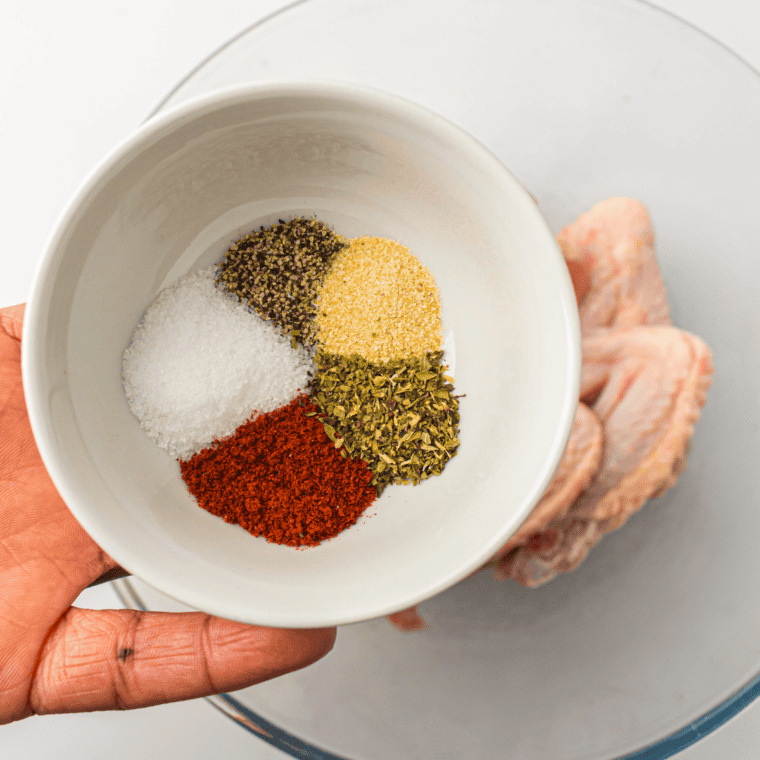
How to Use Montreal Chicken Seasoning
The classic ratio is about 1 tablespoon of seasoning per 1 pound of meat. Here are the best ways to put it to work:
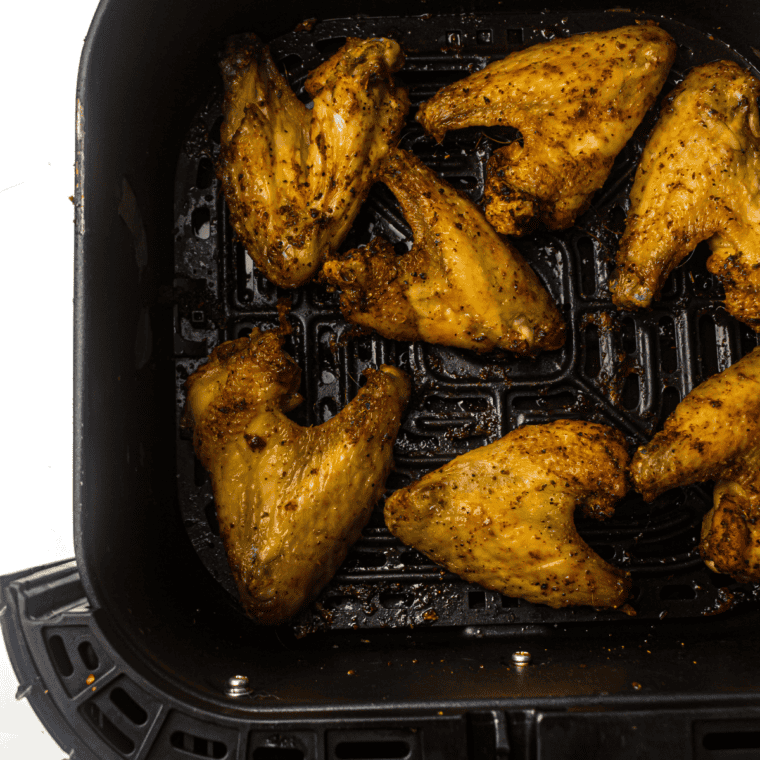
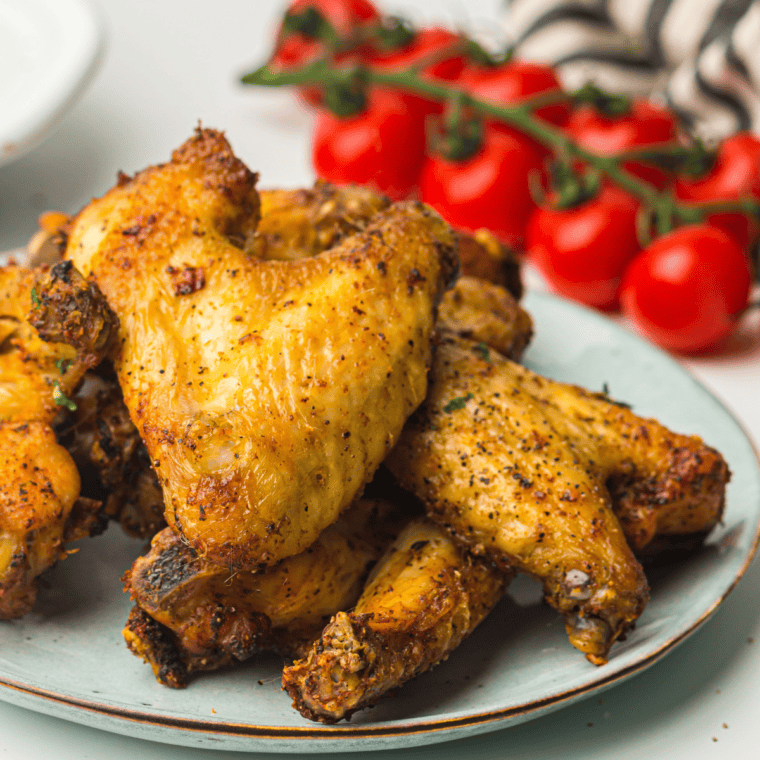
- Grilled or baked chicken: Pat the chicken dry, drizzle with a little oil, then sprinkle generously and rub it in. Let it rest 15–30 minutes before cooking. It’s fantastic on these Ninja Foodi Grill Chicken Thighs.
- Pork chops and tenderloin: Use it as a dry rub — the citrus and pepper are excellent with pork. Try it in place of the herbs on these Air Fryer Italian Pork Chops.
- Roasted potatoes and veggies: Toss cubed potatoes, broccoli, or peppers in oil and a tablespoon of the blend before roasting, just like these Air Fryer Roasted Potatoes.
- Burgers and ground turkey: Mix 1 tablespoon per pound directly into the meat before shaping patties — a perfect upgrade for Air Fryer Turkey Burgers.
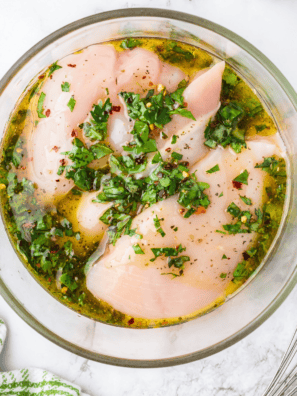
- Quick marinade: Stir 1 tablespoon into ¼ cup oil and a squeeze of lemon or lime for a fast wet marinade.
💡 Pro tip: For a deeper crust, season the meat and let it rest uncovered in the fridge for an hour (or up to overnight). The salt draws out surface moisture so the seasoning grips and browns better.
How to Store It
Keep the blend in an airtight container away from heat, light, and moisture — a cabinet or pantry shelf is perfect, not the spot right next to the stove. It’ll stay vibrant for 3 to 6 months, and remain safe well beyond that, though the flavor slowly fades. Whole, fresher spices will give you a longer shelf life than older, pre-ground ones. Avoid shaking it directly over a steaming pot, since trapped moisture can cause clumping.
Substitutions & Variations
- Lower sodium: Cut the salt in half, or swap in a salt-free alternative. You control the salt — one of the best reasons to DIY.
- No orange peel? Use lemon peel, a pinch of dried lemon, or finely grated zest dried briefly. In a pinch, a small amount of citric acid mimics the brightness.
- Spicier: Bump up the red pepper flakes or add a pinch of cayenne.
- Smoky version: Swap regular paprika for smoked paprika for a barbecue-style twist.
- Coarser “steakhouse” texture: Use cracked peppercorns and coarse sea salt for a chunkier rub.
Montreal Chicken vs. Montreal Steak Seasoning
They’re close relatives, but not identical. Montreal steak seasoning leans heavier on coarse black pepper and dill, built for big, beefy cuts. Montreal chicken seasoning dials the pepper back slightly and adds aromatic, citrusy notes (paprika, orange peel, parsley) that flatter lighter proteins like poultry, pork, and seafood. You can use either in a pinch — but the chicken blend is the friendlier all-purpose option for everyday cooking.
Frequently Asked Questions
What is in Montreal chicken seasoning? The core blend is garlic, onion, salt, coarsely ground black pepper, paprika, red pepper, parsley, and a touch of orange peel. Some versions also include green bell pepper.
Is Montreal chicken seasoning the same as Montreal steak seasoning? No. The steak version is more pepper-forward and includes dill, while the chicken version is lighter and adds citrus and paprika notes that work better with poultry, pork, and fish. If you grill a lot of beef too, it’s worth keeping a batch of Copycat Montreal Steak Seasoning on hand alongside this one.
Is this seasoning gluten-free? The homemade blend is naturally gluten-free as long as each individual spice you use is certified gluten-free. Always check labels if you’re cooking for someone with celiac disease.
How much should I use per pound of meat? About 1 tablespoon per pound is the standard ratio. Adjust to taste depending on how heavily seasoned you like things.
Can I make a salt-free version? Yes — simply leave out the salt or replace it with a salt-free substitute. Keep the rest of the proportions the same.
How long does homemade Montreal chicken seasoning last? Stored airtight in a cool, dark place, it keeps its best flavor for 3 to 6 months and remains usable beyond that as the potency gradually fades.
More homemade seasoning blends:
- Copycat Montreal Steak Seasoning — the beefier cousin of this blend.
- Copycat McCormick Rotisserie Chicken Seasoning — another must-have for poultry.
- Copycat Kinder’s The Blend — the famous salt, pepper & garlic all-purpose rub.
- Blackened Seasoning Mix — smoky, spicy, and perfect for fish and chicken.
- Copycat Morton’s Nature’s Seasoning — a savory all-purpose blend for almost everything.
- Slap Ya Mama Seasoning — bold Cajun flavor in minutes.
Recipes to try it on:
- Ninja Foodi Grill Chicken Thighs
- Air Fryer Italian Pork Chops
- Air Fryer Turkey Burgers
- Air Fryer Roasted Potatoes
Homemade Montreal Chicken Seasoning (Grill Mates Copycat)
Description
Ingredients
- 2 Tbsp coarsely ground black pepper
- 2 Tbsp granulated garlic, or garlic powder
- 1 Tbsp coarse kosher salt
- 1 Tbsp onion powder, or dried minced onion
- 1 Tbsp paprika
- 2 tsp dried parsley
- 1 tsp crushed red pepper flakes, adjust to taste
- 1 tsp dried orange peel
- 1 tsp dried green bell pepper flakes, optional
Instructions
- Add all ingredients to a small bowl.
- Whisk or stir until evenly combined and free of clumps.
- Transfer to an airtight jar or empty spice shaker.
- Label, date, and store in a cool, dark place.
Equipment
- Mixing Bowl
- Whisk
Notes
- For lower sodium, halve the salt or use a salt-free substitute.
- Coarse garlic, salt, and pepper give the most authentic Montreal texture.
- Swap in smoked paprika for a barbecue-style variation.
Nutrition
Share this recipe
We can’t wait to see what you’ve made! Mention @forktospoon or tag #forktospoon!