This copycat McCormick Lemon Pepper Seasoning comes together in 5 minutes with pantry spices and real dried lemon zest. It nails that bright, zesty, peppery flavor of the bottle — minus the dyes, fillers, and anti-caking agents — and you control the salt.
If you’ve ever reached for that little bottle of McCormick Lemon & Pepper Seasoning and thought “I bet I could make this at home,” you’re right. This homemade lemon pepper seasoning is just a handful of pantry spices, a spoonful of real lemon zest, and one secret ingredient most copycats skip. It joins a whole shelf of DIY blends I keep in rotation — like my homemade Old Bay seasoning and copycat Montreal steak seasoning — and once you start making your own, you’ll wonder why you ever paid for the bottle. Sprinkle it on chicken, fish, shrimp, pasta, or roasted veggies and you’ll never reach for store-bought again.
Why You’ll Love This Lemon Pepper Seasoning
- 5 minutes, no cooking. Stir everything in one bowl and you’re done — just like my 5-minute fajita seasoning.
- Tastes like the original. Real lemon zest plus a pinch of citric acid recreates that signature bright, tangy finish.
- No fillers or dyes. McCormick’s bottle includes anti-caking agents and yellow food coloring. Yours won’t.
- You control the salt. Cut it, skip it, or use a salt substitute.
- Cheaper by the jar. A batch costs pennies compared to the per-ounce price of the bottle.
What’s Actually in McCormick Lemon & Pepper?
The bottle lists salt, black pepper, citric acid, onion, sugar, garlic, anti-caking agents, celery seed, lemon oil, and yellow dye. The flavor backbone is really just three things: coarse black pepper, lemon, and salt. The citric acid is the quiet hero — it’s what gives the bottle that tangy, lingering, almost-sour brightness that plain lemon zest alone doesn’t deliver. It’s the same kind of “secret note” trick that makes my chili seasoning mix taste like the packet instead of a generic spice mix. Recreate those notes and you’ve got the blend.
Ingredients
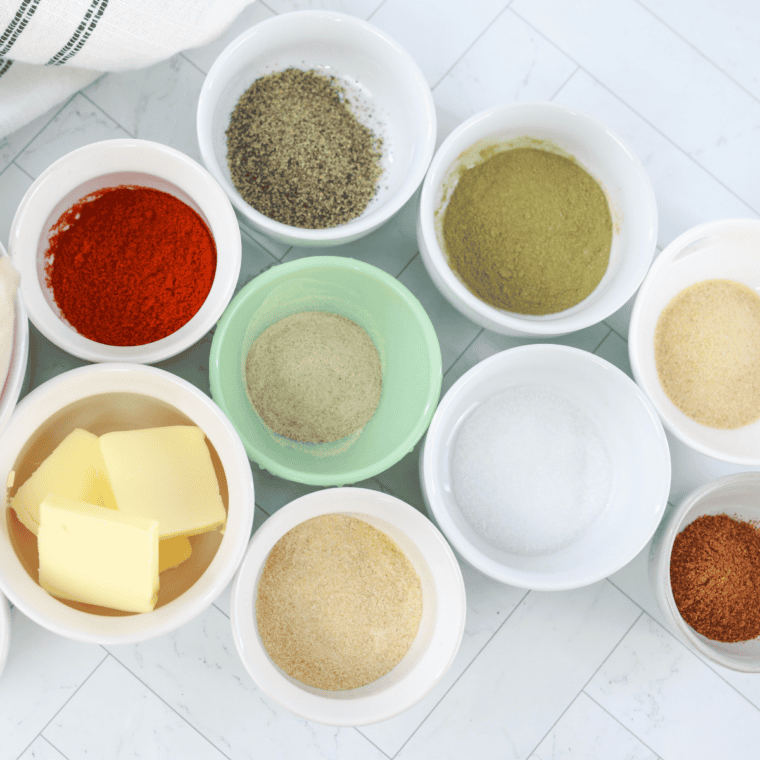
- Coarsely ground black pepper: The savory, punchy bite. Freshly cracked is best; coarse beats fine.
- Dried lemon zest: The soul of the blend. Use real dried zest, not just bottled lemon flavor. (Drying instructions below.)
- Fine sea salt or kosher salt: Adjust to taste, or reduce for low-sodium.
- Citric acid: The secret to that bright, tangy bottled finish. Found near canning supplies. Skip it if you can’t find it, but use it if you can.
- Granulated sugar: Rounds out the tartness, just like the original.
- Onion powder: Subtle savory depth.
- Garlic powder: Savory backbone.
- Ground celery seed: The “what is that?” note that makes it taste like the real bottle. (If you love that flavor, it’s the same backbone that powers homemade Old Bay.)
Makes about ½ cup (roughly one 3.5 oz bottle).
How to Make Copycat Lemon Pepper Seasoning
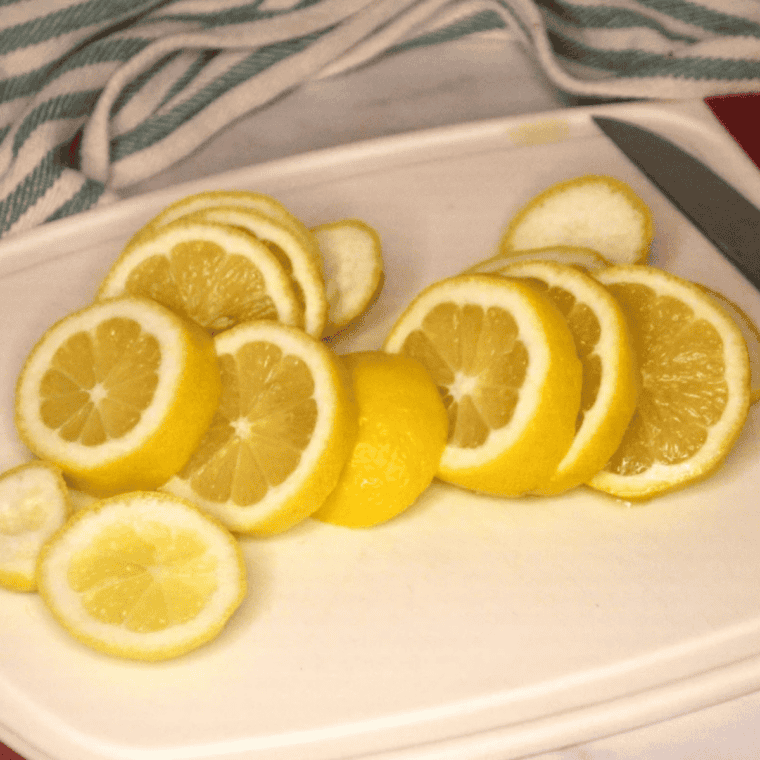
Step 1: Zest 4–5 lemons with a microplane, avoiding the bitter white pith. Spread the zest on a parchment-lined sheet and dry at 200°F for 30–45 minutes until brittle, or air-dry overnight. (Shortcut: use store-bought dried lemon peel.)
Step 2: Add the black pepper, dried lemon zest, salt, citric acid, sugar, onion powder, garlic powder, and ground celery seed to a small bowl.
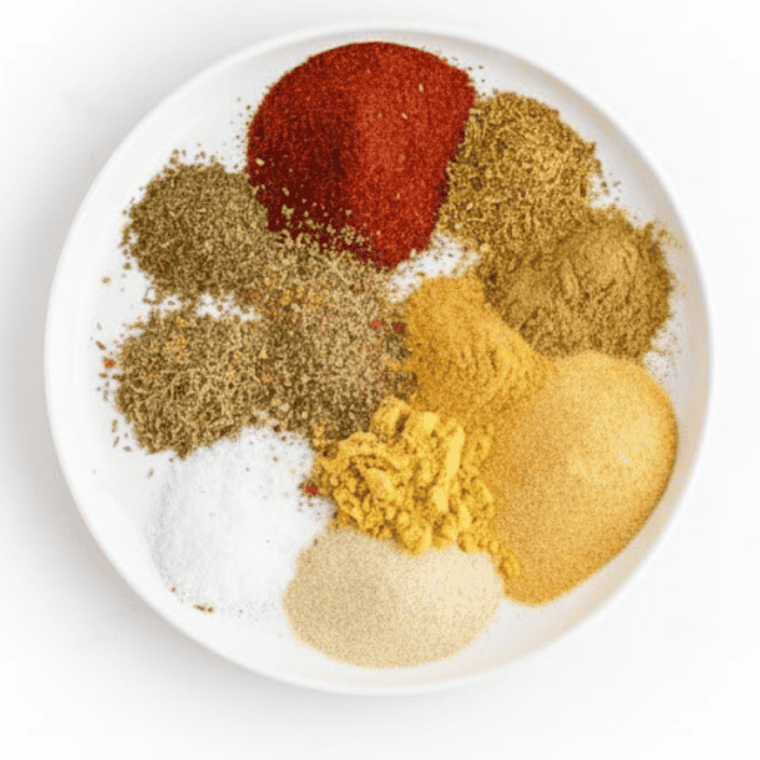
Step 3: Whisk until evenly blended. For a finer, more bottle-like texture, pulse in a spice grinder 2–3 times.
Store. Transfer to an airtight jar and keep in a cool, dark cabinet.
Tips for the Best Lemon Pepper
- Toast the pepper first. Warm the black pepper in a dry pan for 1–2 minutes before grinding for a deeper, more aromatic bite.
- Use real zest. Dried lemon zest is non-negotiable for authentic flavor — bottled lemon “flavor” tastes flat.
- Don’t skip the citric acid if you want it to taste like the bottle. It’s the brightness most homemade versions miss.
- Grind to match. Pulse the finished blend if you want the fine, even texture of the commercial shaker.
Substitutions
- No citric acid? Add the zest of one extra lemon, or finish dishes with a squeeze of fresh lemon juice as you cook.
- No celery seed? A pinch of celery salt works — just cut the added salt slightly.
- Lower sodium? Halve or omit the salt entirely; the blend still works.
How to Store
Keep your homemade lemon pepper in an airtight jar in a cool, dark, dry place. It stays at peak flavor for about 6 months and remains usable beyond that, just less vivid. If you open the jar and can’t immediately smell the lemon and pepper, it’s time for a fresh batch.
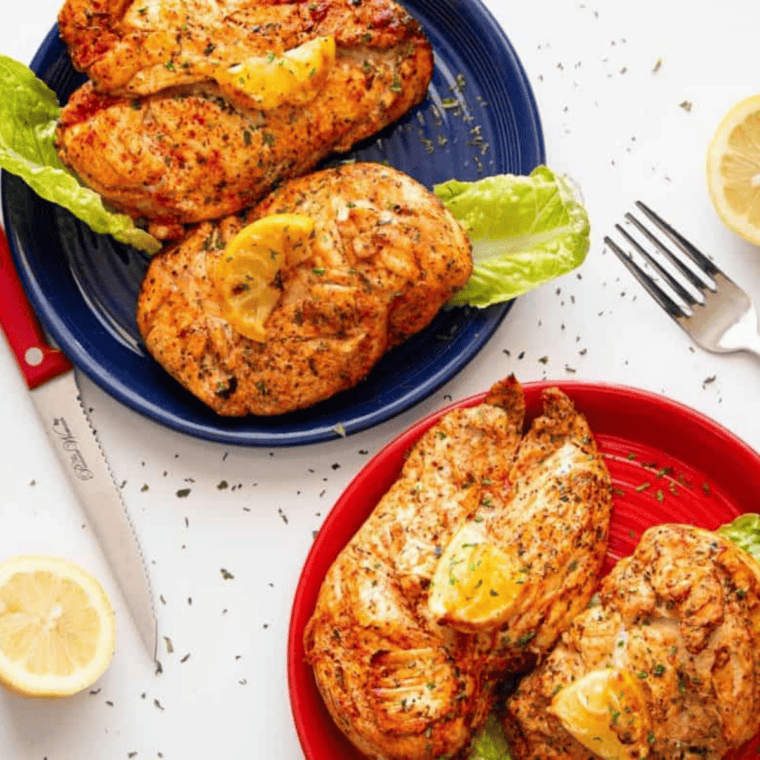
Ways to Use Lemon Pepper Seasoning
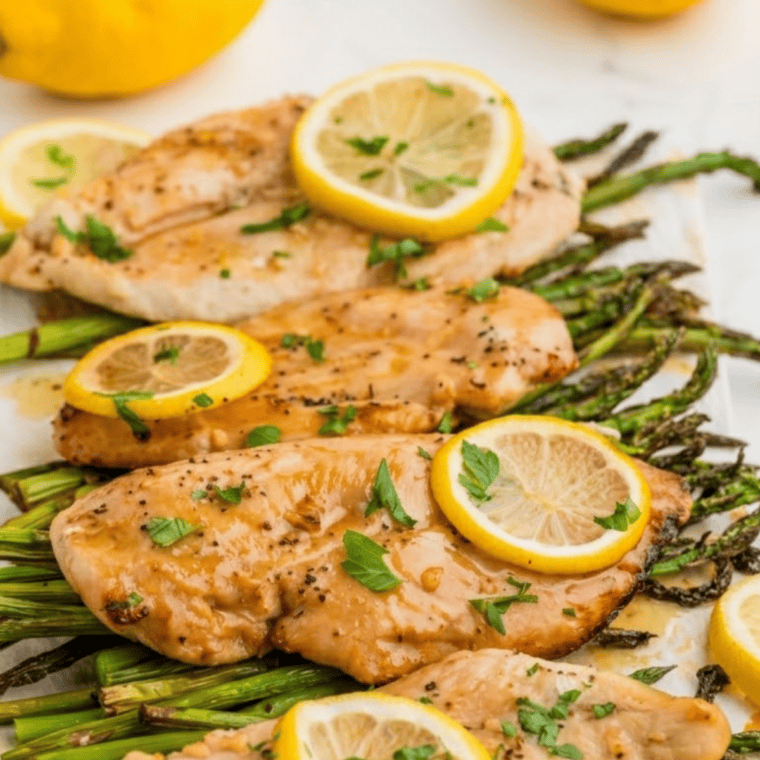
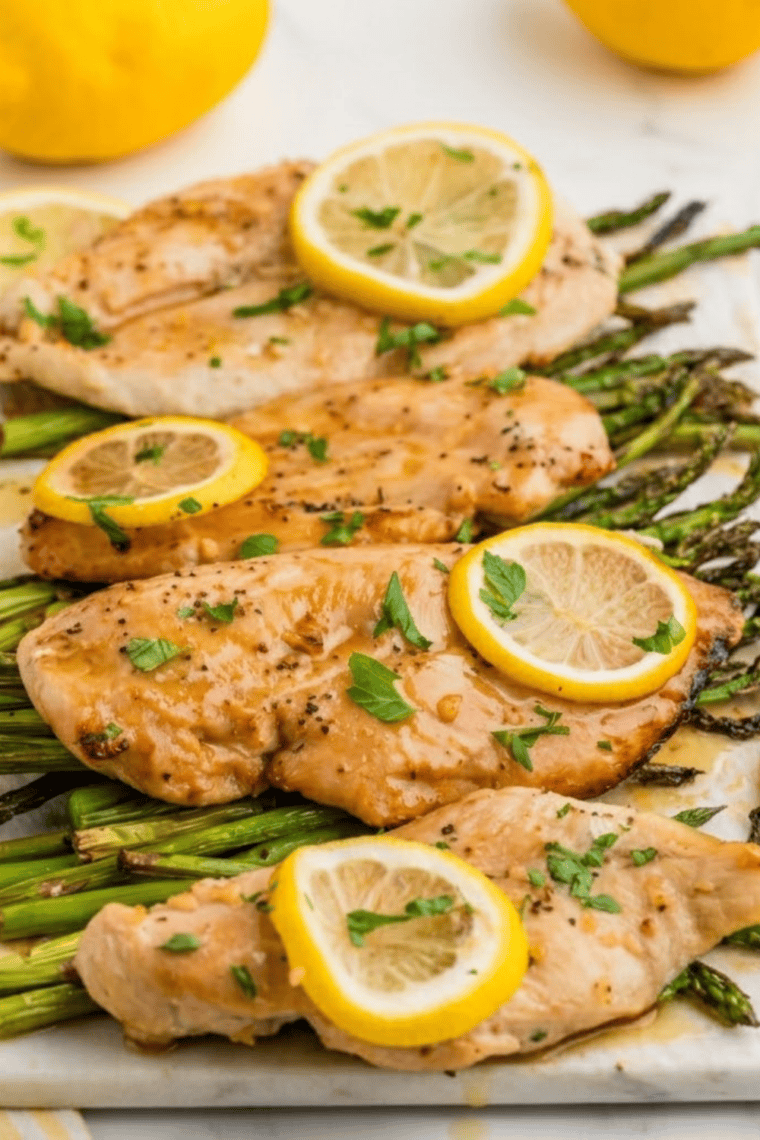
- Rub on chicken wings before air frying or baking — it’s a bright, citrusy alternative to a buttery Wingstop Louisiana rub
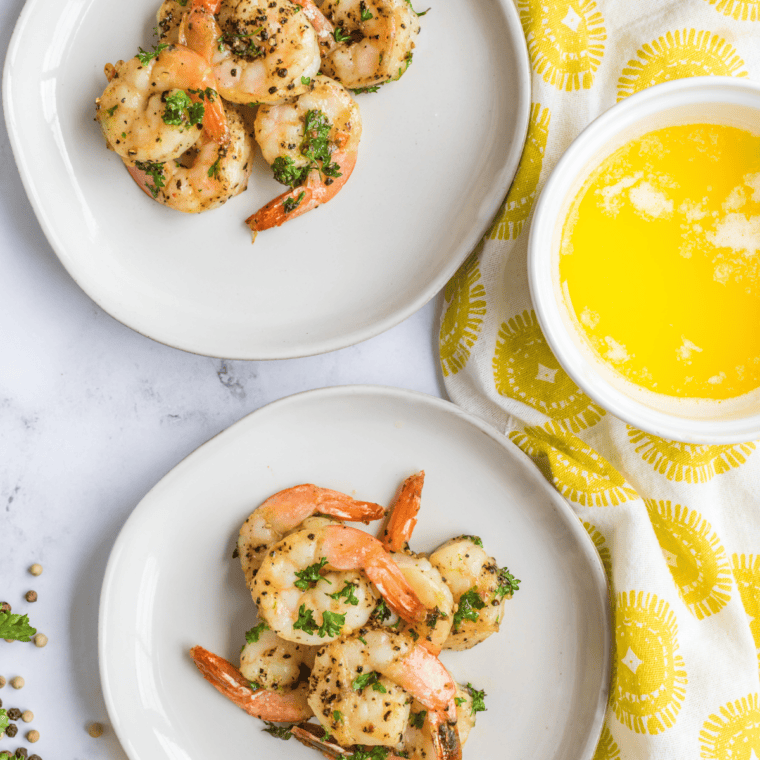
- Season salmon, shrimp, and white fish (for a seafood boil, reach for Old Bay instead)
- Shake over roast chicken alongside my rotisserie chicken seasoning for layered flavor
- Toss with roasted potatoes, asparagus, or broccoli
- Stir into melted butter for a quick pan sauce
- Sprinkle over eggs, tuna salad, coleslaw, or pasta
- Mix into salad dressings, dips, and marinades
More Homemade Seasoning Blends to Try
Once you’ve got lemon pepper in the cabinet, these are the DIY blends worth making next: copycat McCormick Smash seasoning for burgers, Grill Mates Mesquite and Smokehouse Maple for grilling, taco seasoning and sloppy joe seasoning for weeknight dinners, and Salad Supreme for pasta salad season.
Frequently Asked Questions
What is lemon pepper seasoning made of? Lemon pepper seasoning is a blend of coarse black pepper, dried lemon zest (or lemon oil), and salt, with smaller amounts of citric acid, sugar, onion, garlic, and celery seed.
How much homemade seasoning equals one bottle of McCormick? This recipe makes about ½ cup, roughly the equivalent of one 3.5 oz bottle of McCormick Lemon & Pepper.
Is lemon pepper seasoning the same as lemon pepper salt? Not quite. Lemon pepper salt is saltier; classic lemon pepper leads with pepper and lemon, with salt as a supporting note. This recipe leans toward the classic balance — adjust the salt up if you prefer.
Can I make it without salt? Yes. Omit the salt entirely for a salt-free version. The lemon, pepper, and citric acid still carry the flavor.
Is this lemon pepper seasoning gluten-free? Yes — all the ingredients are naturally gluten-free. As always, check your individual spice labels if you have a sensitivity.
Why is my homemade lemon pepper not as bright as the bottle? You likely left out the citric acid. That tangy lift is what separates a homemade version from the store-bought blend.
Related Recipes
- Homemade Old Bay Seasoning — the celery-salt seafood classic, made from scratch
- Copycat Montreal Steak Seasoning — bold, peppery steakhouse flavor
- Homemade Fajita Seasoning (McCormick Copycat) — cumin-forward with a citrusy lift
- Perfect Pinch Rotisserie Chicken Seasoning — savory, herby, juicy-chicken essential
- Copycat McCormick Smash Seasoning — smoky, savory blend built for smash burgers
- Wingstop Louisiana Rub — buttery, smoky Cajun dry rub for wings
Copycat McCormick Lemon Pepper Seasoning
Description
Ingredients
- 3 tablespoons coarsely ground black pepper
- 2 tablespoons dried lemon zest
- 1 tablespoon fine sea salt or kosher salt
- 1 teaspoon citric acid, optional, for the tangy bottled finish
- 1 teaspoon granulated sugar
- ½ teaspoon onion powder
- ½ teaspoon garlic powder
- ¼ teaspoon ground celery seed
Instructions
- Dry the lemon zest. Zest 4–5 lemons with a microplane, avoiding the bitter white pith. Spread on a parchment-lined sheet and dry at 200°F for 30–45 minutes until brittle, or air-dry overnight. (Shortcut: use store-bought dried lemon peel.)
- Combine. Add the black pepper, dried lemon zest, salt, citric acid, sugar, onion powder, garlic powder, and ground celery seed to a small bowl.
- Stir. Whisk until evenly blended. For a finer, bottle-like texture, pulse in a spice grinder 2–3 times.
- Store. Transfer to an airtight jar and keep in a cool, dark cabinet.
Equipment
- Mixing Bowl
- Whisk
Notes
- The 5-minute time assumes store-bought dried lemon peel. Drying fresh zest adds 30–45 minutes.
- Citric acid is the secret to the bright, tangy bottled finish — skip it if needed, but use it if you can.
- Keeps about 6 months at peak flavor in an airtight jar away from heat and light.
- For a salt-free version, omit the salt entirely.
Nutrition
Share this recipe
We can’t wait to see what you’ve made! Mention @forktospoon or tag #forktospoon!