Choosing the right oil for air fryer cooking is one of the simplest ways to get crispier, more evenly browned food — and to protect your air fryer basket at the same time. The short version: you want an oil with a high smoke point, applied lightly, using a refillable mister or a brush rather than an aerosol can. Below you’ll find a smoke-point chart, my top picks, how much oil to actually use, and the common mistakes worth avoiding.

How to Use Your Air Fryer With Oil
I air fry almost every day, and after a lot of trial and error, I’ve learned that the oil you reach for makes a real difference. The wrong oil can burn, smoke, and leave a sticky residue on your basket. The right oil helps food crisp up beautifully without a greasy aftertaste. Here’s everything you need to know.
Can You Use Oil in an Air Fryer?
Yes — you can absolutely use oil in an air fryer, and in most cases a light coating gives you better results. A thin layer of oil helps food brown, crisp, and release from the basket, and it carries seasonings so they stick to your food instead of blowing around inside the machine. The key word is light: air fryers work by circulating hot air, so you only need a small amount to get that fried-food texture.
Do You Actually Need Oil in an Air Fryer?
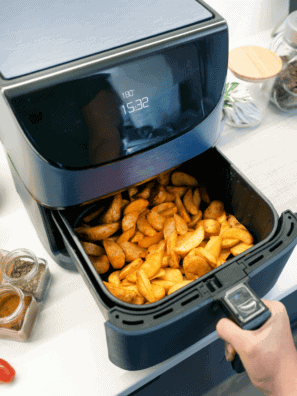
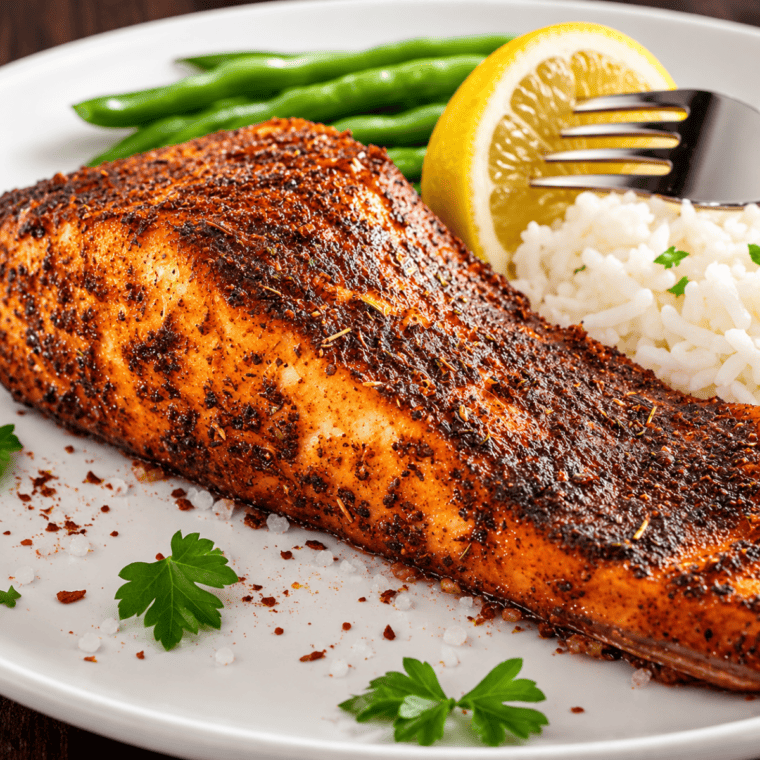
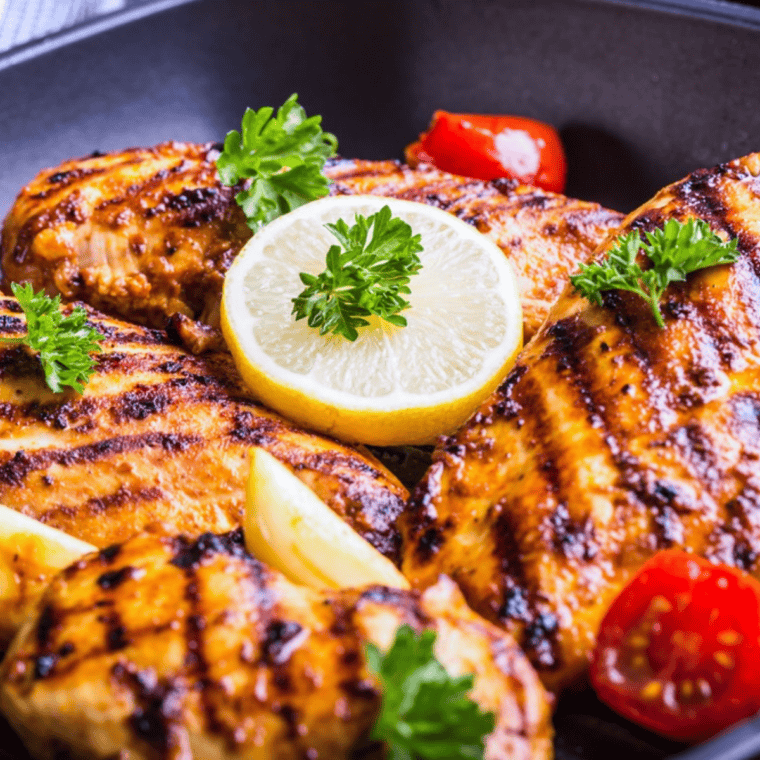
Not always. Naturally fatty foods release plenty of their own fat as they cook, so they don’t need any added oil — think chicken thighs, air fryer salmon, and crispy air fryer bacon. But for lean foods, breaded items, fresh vegetables, and anything you want extra-crispy — like homemade air fryer French fries — a light spritz of oil makes a noticeable difference. Think of oil as optional but helpful, not mandatory.
Best Oil for Air Fryer: Smoke Point Chart
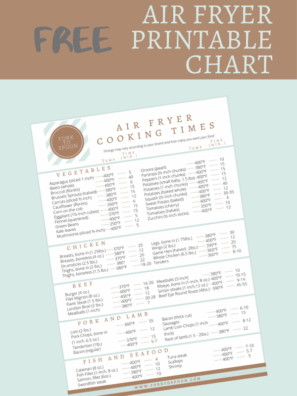
The single most important factor when choosing an oil for your air fryer is its smoke point — the temperature at which the oil starts to break down, smoke, and turn bitter. Since most air fryers cook between 350°F and 400°F (this free printable air fryer cooking chart is handy for dialing in temperatures by food), you want an oil that stays stable well above that range. Here’s how the most common cooking oils stack up:
| Oil | Smoke Point (°F) | Smoke Point (°C) | Good for Air Frying? |
|---|---|---|---|
| Avocado oil (refined) | 520°F | 270°C | ✅ Excellent |
| Ghee / clarified butter | 485°F | 252°C | ✅ Excellent |
| Light or refined olive oil | 465°F | 240°C | ✅ Excellent |
| Peanut oil | 450°F | 232°C | ✅ Great |
| Refined coconut oil | 450°F | 232°C | ✅ Great |
| Sunflower oil (refined) | 440°F | 227°C | ✅ Great |
| Grapeseed oil | 420°F | 216°C | ✅ Good |
| Canola oil | 400°F | 204°C | ✅ Good |
| Vegetable oil | 400–450°F | 204–232°C | ✅ Good |
| Extra virgin olive oil | 375°F | 191°C | ⚠️ OK at lower temps |
| Butter | 302°F | 150°C | ❌ Burns easily |
| Flaxseed oil | 225°F | 107°C | ❌ Avoid |
What Is a Smoke Point (and Why It Matters)?
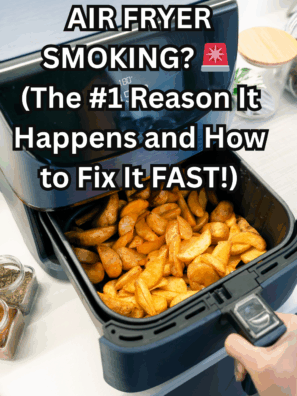
A smoke point is simply the temperature at which an oil stops shimmering and starts smoking. Once an oil passes that point, it breaks down, releases an acrid smell, can set off your smoke alarm, and gives food a burnt, bitter taste. Cooking below an oil’s smoke point keeps the flavor clean and keeps your kitchen smoke-free. That’s why matching your oil to your cooking temperature matters so much in an air fryer, where temperatures climb fast.
The Best Oil for Air Fryer Overall
If you want one all-purpose pick, refined avocado oil is hard to beat. With a smoke point around 520°F, it can handle any temperature your air fryer can throw at it, it has a neutral flavor, and it won’t burn even on high-heat recipes. Refined (light) olive oil and peanut oil are excellent runners-up. For most everyday air frying, any oil with a smoke point of 400°F or higher will serve you well.
Can You Use Olive Oil in an Air Fryer?
Yes, but choose the right kind. Light or refined olive oil has a high smoke point (around 465°F) and works great for air frying at any temperature. Extra virgin olive oil, on the other hand, has a lower smoke point (around 375°F), so it’s better suited to lower-temperature cooking or for drizzling over food after it comes out. If you love the flavor of extra virgin olive oil, use it as a finishing oil rather than a cooking oil.
Oils to Avoid in an Air Fryer
Steer clear of oils with low smoke points, since they’ll burn and smoke at typical air fryer temperatures. Butter (around 302°F) scorches quickly — if you want that buttery flavor, use ghee instead, which has a much higher smoke point. Flaxseed oil and other delicate finishing oils should never go in a hot air fryer. And skip aerosol cooking sprays entirely, which is worth its own section below.
Why You Shouldn’t Use Aerosol Cooking Spray (Like PAM)
This is the mistake I see most often. Aerosol sprays such as PAM contain propellants and additives like lecithin that can damage the non-stick coating on your air fryer basket over time, leaving a sticky, cloudy residue that’s nearly impossible to remove. Almost every air fryer manufacturer recommends against them. I break down exactly why in this post on whether you can use PAM in an air fryer — the short answer is to reach for a refillable oil mister instead.
How Much Oil Should You Use in an Air Fryer?
Less than you think. For most dishes, ½ to 1 teaspoon of oil is plenty — just enough to lightly coat the surface of the food. Over-oiling doesn’t make food crispier; it makes it greasy and can cause excess smoking as the oil drips and pools in the basket. When in doubt, use a light mist, cook, and add a touch more next time if you want extra crisp.
The Best Way to Apply Oil in an Air Fryer
You have three easy options, and all of them beat an aerosol can:
- Refillable oil mister or sprayer. Fill a pump-style or pressurized mister with your favorite high-smoke-point oil for an even, controlled spritz. This is my go-to method.
- Pastry brush. Brush a thin layer of oil directly onto your food for precise coverage — great for breaded items.
- Toss in a bowl. This is perfect for air fryer roasted vegetables and homemade fries — just drizzle a little oil in a bowl, toss until everything is lightly coated, then add to the basket.
Whatever you choose, apply oil to the food rather than spraying the basket directly. It gives you better browning and keeps buildup off the coating.
Keeping Your Air Fryer Clean After Using Oil
A little oil residue is normal, but letting it bake on batch after batch leads to stubborn, sticky grease and lingering smells. Wiping the basket after each use goes a long way. When it’s time for a deeper clean, my guide to cleaning your air fryer walks through the whole process, and if your machine has picked up an odor, here’s how to get rid of smells in your air fryer. Seasoning your basket occasionally, much like a cast-iron pan, also helps food release more easily and cuts down on the oil you need.
Frequently Asked Questions
What is the best oil for an air fryer? Refined avocado oil is the best all-around choice thanks to its very high smoke point (around 520°F) and neutral flavor. Light olive oil and peanut oil are excellent alternatives.
Can I use extra virgin olive oil in an air fryer? Yes, but only at lower temperatures, since it has a smoke point around 375°F. It’s better used as a finishing oil drizzled over food after cooking.
Can you use PAM or aerosol spray in an air fryer? It’s not recommended. The propellants and additives can damage your basket’s non-stick coating. Use a refillable oil mister or a brush instead.
How much oil do you put in an air fryer? Very little — usually ½ to 1 teaspoon is enough to lightly coat the food. Too much oil causes greasy results and smoking.
Do you spray the basket or the food? Apply oil to the food, not directly to the basket. This gives better browning and keeps residue off the non-stick coating.
Do you need oil to air fry? Not always. Fatty foods cook fine without it, but a light coating helps lean foods, veggies, and breaded items crisp up and brown.

Homemade Air Fryer Oil Spray (DIY Oil Mister)
Description
Ingredients
- ½ cup high-smoke-point oil, refined avocado, light olive, grapeseed, or canola
- 1 teaspoon water, to thin the oil for a finer mist (for pump-style bottles)
Instructions
- Choose a high-smoke-point oil from the chart above — refined avocado or light olive oil are great all-purpose picks.
- Fill the mister no more than two-thirds full so there’s room to build pressure (for pump-style sprayers).
- Optional: For a finer mist in a basic pump bottle, add a teaspoon or two of water and give it a gentle swirl. Skip this step for dedicated oil sprayers.
- Prime the sprayer with a few pumps, then test the spray on a paper towel to check the pattern.
- Spritz lightly onto your food — not the basket — before and, if needed, partway through cooking.
Equipment
- refillable oil mister or food-safe pump spray bottle
Notes
- Refill with fresh oil regularly. Oil can go rancid over time, so refill every couple of weeks and wash the sprayer periodically to prevent clogs.
- Avoid aerosol sprays. Never substitute a store-bought aerosol can like PAM — the propellants can damage your basket’s coating.
- A pastry brush works too. If your sprayer clogs, brushing on a thin layer of oil is a reliable backup.
- Less is more. A light, even coating browns better than a heavy one and prevents smoking.
Nutrition
Share this recipe
We can’t wait to see what you’ve made! Mention @forktospoon or tag #forktospoon!