If you’ve ever reached for a dusty jar of store-bought curry powder and wished it tasted more alive, this homemade curry powder recipe is about to become a permanent fixture in your spice cabinet. It comes together in about 10 minutes with ground spices you probably already own, and the difference in aroma and flavor is genuinely night and day.
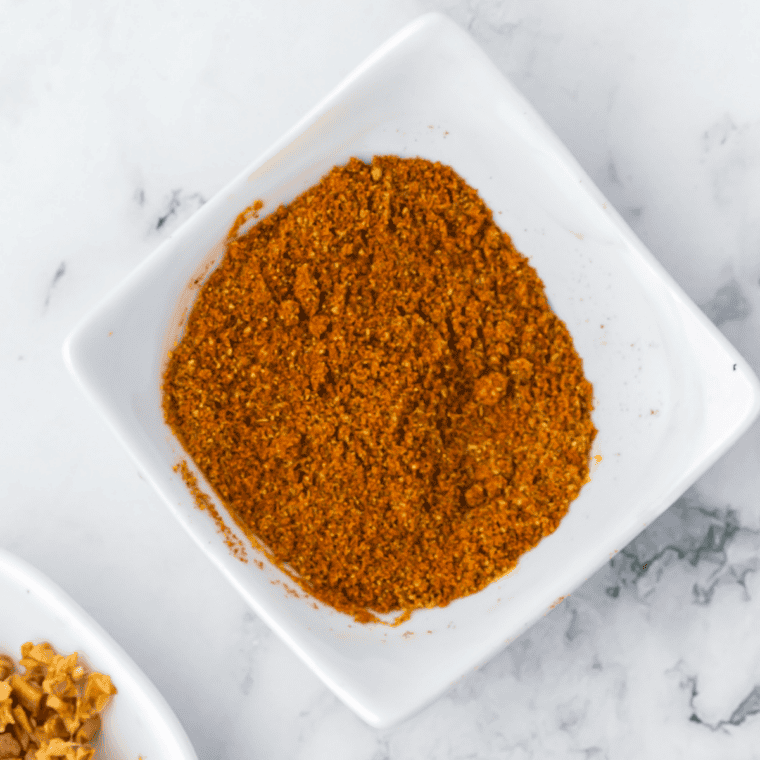
A good DIY curry spice blend is warm, earthy, a little sweet, and as mild or fiery as you want it to be. Best of all, you control every ingredient — no fillers, no anti-caking agents, no mystery “natural flavors.” Just toasty, fragrant spices ready to transform soups, roasted vegetables, marinades, and of course, a proper pot of curry.
What Is Curry Powder?
Curry powder is a ground spice blend built around a handful of warming, aromatic spices — most commonly coriander, cumin, turmeric, ginger, and pepper. It delivers that familiar golden color and cozy, layered flavor people associate with curry dishes across Indian, Caribbean, Thai, and British cooking.
Here’s a fun fact worth knowing: curry powder isn’t actually a traditional Indian product. It was created by British cooks in the 18th century who wanted a single convenient blend that could approximate the flavors of Indian regional cooking. Authentic Indian kitchens typically reach for individual spices or specific blends like garam masala instead. That history is exactly why no two jars of curry powder taste the same — and why making your own lets you dial in a version you love.
Curry Powder vs. Garam Masala: What’s the Difference?
People mix these up constantly, so let’s clear it up:
- Curry powder is usually milder, turmeric-forward, and used throughout the cooking process to build the base flavor of a dish.
- Garam masala is a sharper, warmer Indian blend (think cinnamon, cardamom, cloves) that’s often added near the end as a finishing spice. Turmeric is usually absent.
You can absolutely use both in the same dish — they’re complementary, not interchangeable.
Ingredients You’ll Need
The beauty of this curry spice recipe is that almost everything comes from ground spices you already have. Here’s the blend:
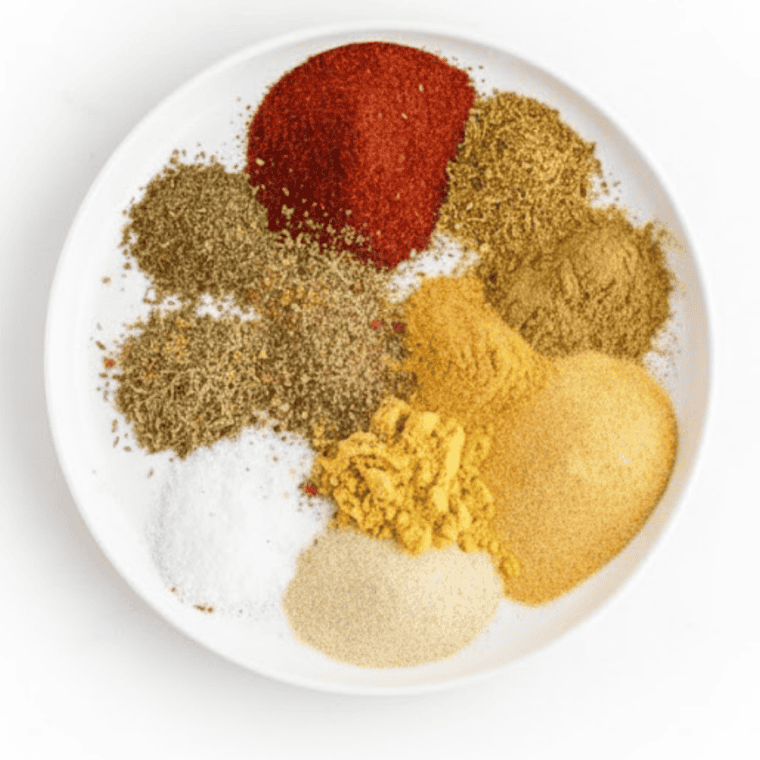
- 4 tablespoons ground coriander — citrusy, slightly sweet; the backbone of the blend
- 2 tablespoons ground cumin — deep, earthy warmth
- 2 tablespoons ground turmeric — that signature golden color and gentle bitterness
- 1 tablespoon ground ginger — warm, peppery brightness
- 1 tablespoon sweet paprika — mild fruity sweetness and color
- 2 teaspoons dry mustard powder — tangy sharpness and depth
- 1 teaspoon ground cardamom — floral, citrusy aroma
- 1 teaspoon ground cinnamon — sweet, woody warmth
- 1 teaspoon ground black pepper — a clean, sharp bite
- 1 teaspoon ground fenugreek (optional but traditional) — sweet, maple-like notes
- ½ teaspoon ground cloves — intense, aromatic sweetness
- ½ to 1 teaspoon cayenne pepper — adjust to your heat preference
This makes a little over ½ cup of curry powder.
How to Make Curry Powder
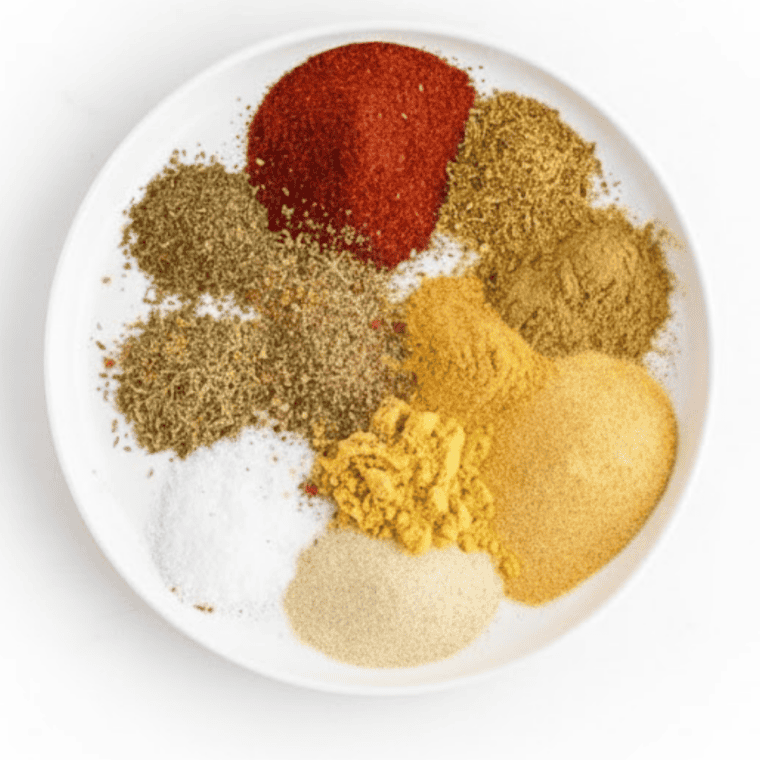
- Measure everything out. Add all the ground spices to a medium bowl. Doing this first means you can catch an empty jar before you’re mid-recipe.
- Whisk until fully blended. Use a small whisk or fork and mix for 20–30 seconds, until the color is uniform and there are no streaks of bright turmeric or paprika.
- Transfer and store. Pour the blend into a clean, airtight jar. Label it with the date and tuck it into a cool, dark cupboard.
That’s it. No special equipment, no toasting required when you start with pre-ground spices.
Want Even Bolder Flavor? Toast Whole Spices
For the most aromatic, restaurant-quality results, start with whole seeds — coriander, cumin, fenugreek, and cardamom pods. Toast them in a dry skillet over medium heat for 1–2 minutes until fragrant, then grind in a spice grinder or mortar and pestle. It’s an extra step, but it wakes the spices up in a way ground spices simply can’t match.

Expert Tips for the Best Curry Powder
- Use fresh spices. Ground spices lose potency after about a year. If your jars have been around since a presidency or two ago, replace them — old spices are the number one reason homemade blends taste flat.
- Adjust the heat. Want it mild? Drop the cayenne entirely. Crave a kick? Bump it up to a full teaspoon or add a pinch of crushed red chili.
- Customize the blend. Love a sweeter, warmer profile? Add a little extra cinnamon and a pinch of nutmeg. Prefer it more savory and earthy? Lean into the cumin and coriander.
- Make a big batch. If you cook with curry powder often, double or triple the recipe. It stores beautifully and saves you money over pre-made jars.
How to Use Homemade Curry Powder
This is where your fresh blend really earns its place in the cabinet. Curry powder is one of the most versatile spices you can own — here are some of the best ways to put it to work:
- Curry roasted vegetables. A tablespoon tossed with oil and potatoes makes magic. These air fryer curry roasted potatoes are crispy on the outside, tender inside, and ready in about 10 minutes.
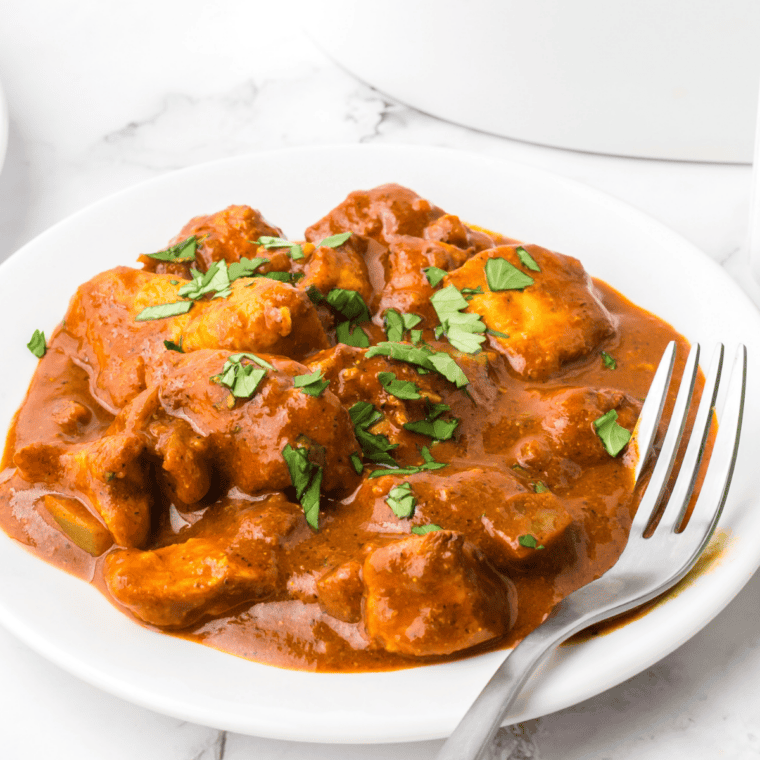
- Quick weeknight curry. Build a comforting dinner around it — this Instant Pot chicken curry leans on curry powder, ginger, and garlic for a one-pot meal in under 30 minutes.
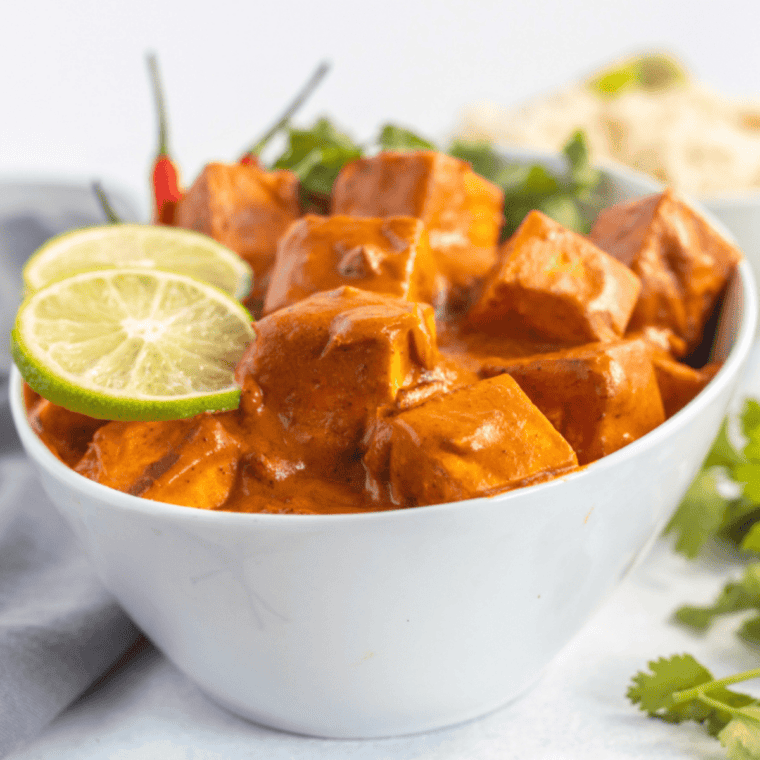
- Crispy, plant-based protein. Toss it with cubes of tofu before air frying. This air fryer curry tofu is a healthy, high-protein way to use your blend.
- Salads with a twist. Stir a teaspoon into the dressing for a creamy, savory-sweet curried chicken salad loaded with apples, grapes, and raisins.
- Elevated sandwiches. Rub it onto chicken for an air fryer curried chicken sandwich — pile on slaw and red onion for crunch.
- Party-ready appetizers. A pinch transforms classic deviled eggs. These air fryer curried deviled eggs are an easy make-ahead crowd-pleaser.
Beyond these, sprinkle it on popcorn, swirl it into soups and stews, stir it through rice or quinoa, or whisk it into marinades for tofu, tempeh, or vegetables.
How to Store Curry Powder
Keep your homemade curry powder in an airtight container — a recycled glass spice jar with a tight lid is perfect — away from heat, light, and moisture. Store it in a cool, dark pantry rather than next to the stove, where heat and steam degrade it faster.
For peak flavor, use it within 3 months, though it remains safe and usable well beyond that. The aroma is your best guide: if it still smells vivid and fragrant, it’s good to go.
Frequently Asked Questions
Where did curry powder originate? Curry powder was developed by the British in the 18th century as a convenient blend meant to mimic the flavors of Indian cooking. Traditional Indian kitchens use individual spices and specific masalas rather than a single all-purpose “curry powder.”
What’s the difference between curry powder and curry paste? Curry powder is a dry blend of ground spices, ideal for soups, stews, rubs, and quick seasoning. Curry paste is a wet blend that includes fresh aromatics like garlic, ginger, and chilies, and is common in Thai and Southeast Asian dishes.
Does all curry powder contain turmeric? Most do — turmeric provides the signature golden color and earthy base — but it isn’t strictly required. The exact mix varies by region, household, and personal preference.
Is homemade curry powder spicy? Only as spicy as you make it. The heat comes from cayenne and black pepper, both of which you can reduce or omit for a mild blend, or increase for serious fire.
How long does homemade curry powder last? Stored properly in an airtight container in a cool, dark place, it stays at peak flavor for about 3 months and remains usable for much longer.
Can I make this without certain spices? Yes. Curry powder is forgiving. If you’re missing cardamom or fenugreek, leave them out — the blend will still taste great. It’s a template, not a rulebook.
More Curry Recipes You’ll Love
Now that you’ve got a jar of fresh curry powder ready to go, put it to work with these reader favorites:
- Air Fryer Curry Roasted Potatoes — crispy outside, tender inside, ready in about 10 minutes.
- Instant Pot Chicken Curry — a comforting one-pot dinner in under 30 minutes.
- Easy Air Fryer Curry Tofu — crispy, high-protein, and totally plant-based.
- Air Fryer Chicken Vindaloo — bold, fiery, and packed with flavor.
- Curried Chicken Salad — creamy, savory-sweet, perfect for sandwiches or wraps.
- Air Fryer Curried Deviled Eggs — an easy make-ahead appetizer that disappears fast.
Homemade Curry Powder Recipe
Description
Ingredients
- 4 tablespoons ground coriander
- 2 tablespoons ground cumin
- 2 tablespoons ground turmeric
- 1 tablespoon ground ginger
- 1 tablespoon sweet paprika
- 2 teaspoons dry mustard powder
- 1 teaspoon ground cardamom
- 1 teaspoon ground cinnamon
- 1 teaspoon ground black pepper
- 1 teaspoon ground fenugreek, optional
- ½ teaspoon ground cloves
- ½ to 1 teaspoon cayenne pepper, to taste
Instructions
- Add all the ground spices to a medium bowl.
- Whisk until the color is completely uniform, about 20 to 30 seconds.
- Transfer to a clean, airtight jar and label it with the date.
- Store in a cool, dark place and use within 3 months for best flavor.
Equipment
- Mixing Bowl
- Whisk
Notes
- Makes about 1/2 cup
- For a mild blend, reduce or omit the cayenne pepper.
- For maximum aroma, toast and grind whole spices instead of using pre-ground.
- Double or triple the recipe if you cook with curry powder often.
Nutrition
Share this recipe
We can’t wait to see what you’ve made! Mention @forktospoon or tag #forktospoon!