If you’ve ever cooked a pot of arroz con pollo, seasoned a lechón, or marinated chicken thighs for a Cuban-style dinner, you already know the secret isn’t one magic spice — it’s the blend. Cuban complete seasoning, known in Spanish as sazón completa, is the all-purpose backbone of Cuban home cooking. The good news: you don’t need to buy a jar full of additives. This homemade Cuban complete seasoning comes together in five minutes with spices you probably already own, and it’s completely free of MSG, anti-caking agents, and artificial color.
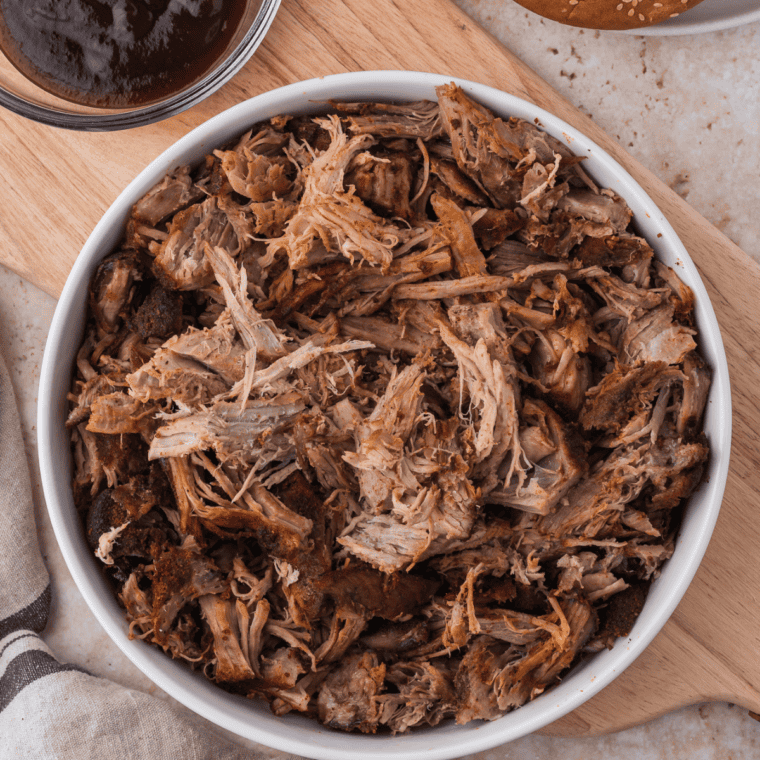
Below you’ll find the authentic recipe, exactly what goes in it and why, how to use it on different proteins, how it differs from adobo and from Puerto Rican sazón, and how long it keeps. Try it on our Pork Roast in the Air Fryer or Air Fryer Jerk Pork Skewers.
What Is Cuban Complete Seasoning (Sazón Completa)?
Cuban complete seasoning is an all-in-one dry Cuban spice blend built around garlic, onion, cumin, and oregano. The name “complete” (completa) means it’s designed to season a dish on its own — you sprinkle it on and you’re most of the way to a finished flavor, no extra five jars required.
It’s the seasoning Cuban cooks reach for when they want that familiar, savory, garlicky, faintly earthy taste in everything from black beans to grilled pork. Commercial versions (you’ve probably seen the popular yellow-and-red jars on the Latin aisle) work fine, but they often include MSG, disodium inosinate, and silicon dioxide. Making it yourself means you control the salt, skip the additives, and get a fresher, more aromatic result.
What is sazón completa used for?
Just about everything savory. Cuban cooks use sazón completa as:
- A dry rub for chicken, pork, and beef before grilling or roasting
- A base layer in marinades
- A flavor builder stirred into the sofrito for beans, stews, and picadillo
- An all-purpose shake-on seasoning for yellow rice, soups, roasted vegetables, and seafood
If a recipe calls for salt and pepper, you can usually reach for complete seasoning instead and get far more depth.
What Spices Are in Complete Seasoning?
Here’s where homemade wins. A good Cuban seasoning recipe leans on a tight set of pantry spices, each doing a specific job:
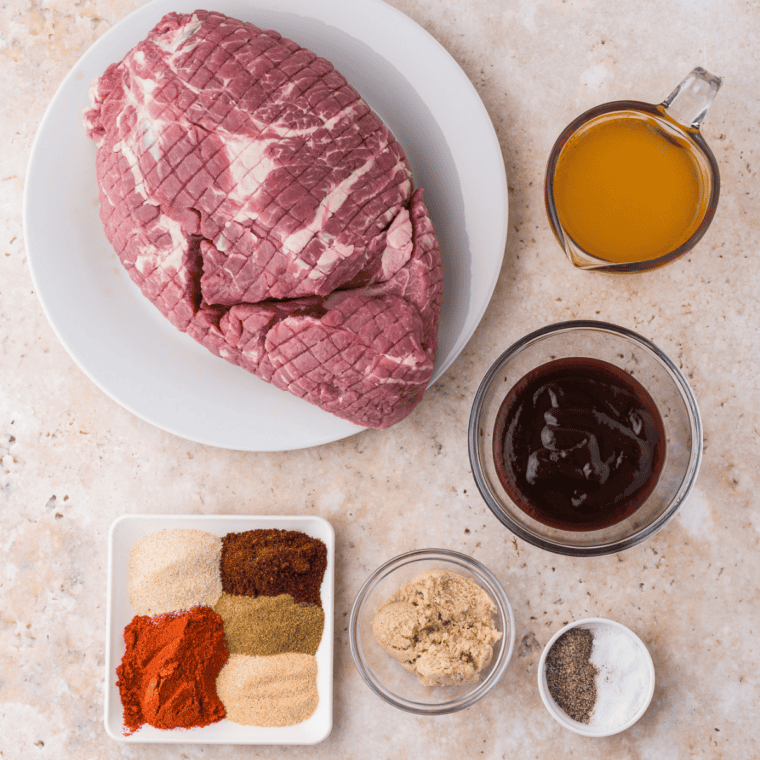
- Garlic powder — the dominant note in Cuban cooking; nothing tastes “Cuban” without it.
- Onion powder — rounds out the garlic and adds savory sweetness.
- Ground cumin — warm, earthy, slightly smoky; the signature backbone of Latin seasoning.
- Dried oregano — Cuban cooks favor Mexican or Mediterranean oregano for its peppery bite.
- Ground coriander — bright, citrusy, and balances the heavier cumin.
- Annatto (achiote) powder — optional, but it’s what gives the blend its warm golden-orange color without artificial dye.
- Salt and black pepper — the seasoning agents that carry everything else.
How To Make Homemade Cuban Complete Seasoning Recipe
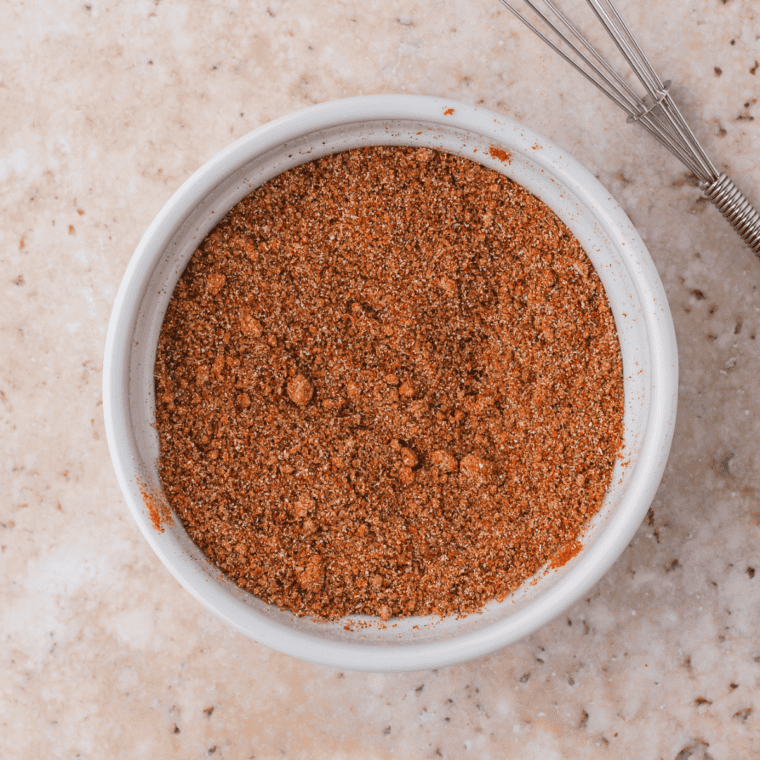
Step 1: Add all the spices to a small bowl.
Step 2: Stir thoroughly with a fork or small whisk until the color is uniform and there are no clumps of any single spice. If your oregano leaves are large, crush them between your fingers or pulse the whole blend a few times in a spice grinder for a finer texture.
Step 3: Rub a tiny pinch on your tongue. Want it saltier? Add salt a teaspoon at a time. Want more warmth? Nudge up the cumin.
Step 4: Funnel into a clean, airtight jar and label it with the date.
That’s it — a true homemade sazón completa with nothing on the label but spices.
Make it salt-free: Leave out the salt entirely and you’ve got a versatile, low-sodium Cuban spice mix you can salt to taste at the stove. This is ideal if you’re watching sodium or cooking for someone who is.
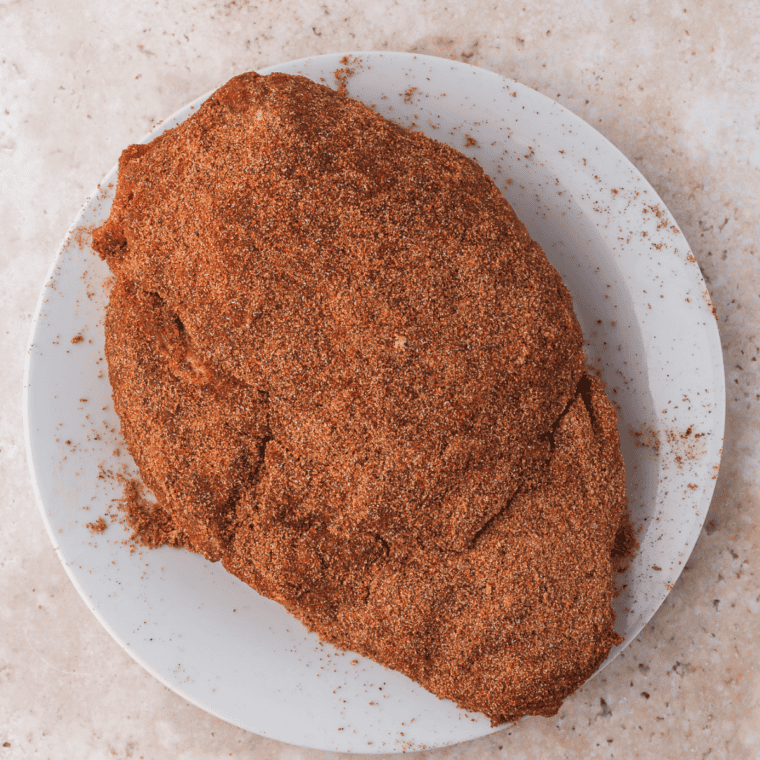
How to Use Cuban Complete Seasoning on Every Protein
The blend is genuinely all-purpose, but here’s how to get the best results on each.
Seasoning for Cuban chicken
For grilled, roasted, or pan-seared chicken, use about 1 to 1½ teaspoons per pound. For the classic flavor, combine the seasoning with minced garlic, lime juice (or bitter orange), a little olive oil, and a splash of orange juice, then marinate for at least an hour — overnight is better. This is the foundation of Cuban pollo asado, and it’s exactly what makes our Cuban-style roast chicken so good. Short on time? It works beautifully in the air fryer Cuban chicken, too.
Seasoning for Cuban pork
Pork loves this blend. For lechón-style roast pork or masas de puerco, rub 1½ to 2 teaspoons per pound directly onto the meat, then build a mojo marinade with sour orange, mashed garlic, oregano, and olive oil. The longer it marinates, the deeper the flavor — see our full Cuban pork roast for the complete method.
Beef and ground meat
Stir into picadillo, ropa vieja, or burgers as you brown the meat — about 1 teaspoon per pound plus a little more after tasting. It melts right into the sofrito and is the seasoning behind our weeknight Cuban picadillo.
Seafood
Use a lighter hand here — ½ to 1 teaspoon per pound of fish or shrimp — so the spices support rather than overwhelm. A squeeze of lime at the end ties it together.
Beans, rice, and vegetables
Add a teaspoon or two to black beans, yellow rice, or roasted vegetables. The annatto gives rice and beans that appetizing golden tint without artificial coloring — try it in a pot of Cuban black beans or alongside a batch of Cuban yellow rice.
Difference Between Adobo and Sazón Completa
People mix these up constantly, so here’s the clear version.
- Adobo is a savory, salt-forward, garlic-heavy blend — think garlic powder, salt, oregano, black pepper, and sometimes turmeric. It’s an everyday, all-purpose seasoned salt you sprinkle on right before or during cooking. It’s mostly about savoriness and salt.
- Sazón completa (Cuban complete seasoning) is broader and more aromatic. It includes the garlic and oregano of adobo but adds cumin and coriander for warmth and depth, and often annatto for color. It’s built to be a more “finished,” stand-alone seasoning.
- In short: adobo seasons, sazón completes. Many Cuban cooks keep both jars and use them together — adobo for quick salting, sazón completa when they want fuller flavor and color.
Puerto Rican vs Cuban Complete Seasoning
Both are Caribbean Latin blends, but the emphasis differs.
- Puerto Rican sazón leans heavily on annatto (achiote) for color and frequently includes culantro (recao) and coriander; the commercial packets are famous for turning rice and stews a deep orange-red. It’s a defining flavor of arroz con gandules and many PR stews.
- Cuban complete seasoning is more garlic-, cumin-, and oregano-forward, with color as a secondary concern. Cuban cooking famously pairs this blend with citrus — sour orange and lime — in mojo, which is less central to the Puerto Rican palate.
Neither is “better”; they’re tuned to two different (delicious) cuisines. If you cook both, it’s worth keeping a jar of each.
Best Homemade Complete Seasoning Tips
A few things separate a flat blend from a great one:
- Start with fresh spices. Ground spices fade after about a year. If your cumin smells like dust, the blend will taste like dust.
- Toast for depth (optional). Lightly toasting whole cumin and coriander seeds in a dry pan, then grinding them, gives a noticeably richer aroma.
- Crush the oregano. Whole dried leaves don’t distribute well; crushing or grinding them releases more flavor and gives an even texture.
- Salt last, salt to taste. Salt tolerance is personal. Keeping it adjustable — or salt-free — makes the blend more versatile.
How Long Does Homemade Seasoning Last?
Stored properly, homemade complete seasoning lasts 1 to 2 years, though it’s at its most aromatic in the first 6 months. Keep it in an airtight jar, away from heat, light, and moisture — the cabinet next to the stove is the worst spot because of the heat and steam. A pantry shelf or a drawer is ideal.
Signs it’s past its prime: faded color, weak aroma, or clumping from absorbed moisture. It won’t be unsafe, but it won’t season as well, so refresh it.
Can you freeze homemade spice blends?
You can, and it can extend shelf life, but it’s usually unnecessary for a blend you’ll use within a year or two. The bigger risk is condensation: every time you pull the jar out of the freezer, moisture can collect and cause clumping. If you do freeze a large batch, divide it into smaller airtight portions and only thaw what you’ll use, keeping a small working jar in the pantry.
Frequently Asked Questions
Is Cuban complete seasoning the same as Goya Sazón? No. Goya’s packets are a specific, color-forward style heavy on annatto and usually contain MSG and artificial coloring. Cuban complete seasoning is a broader garlic-cumin-oregano blend, and this homemade version skips the additives entirely.
How do I make complete seasoning without MSG? Simply leave it out — MSG isn’t a traditional ingredient, it’s a commercial flavor enhancer. The garlic, onion, cumin, and oregano in this recipe provide plenty of savory depth on their own.
Can I make Cuban seasoning without annatto? Yes. Annatto is purely for color. Skip it (and the turmeric) and the flavor is unchanged — your blend will just be tan instead of golden.
Is this seasoning spicy? No. Traditional Cuban seasoning is savory and aromatic, not hot. If you want heat, add cayenne or red pepper flakes to taste.
How much should I use per pound of meat? A good rule of thumb is about 1 to 1½ teaspoons per pound, then adjust to taste. Use a lighter hand on seafood.
Can I use fresh garlic and onion instead of powder? For the dry blend, stick with powders so it stays shelf-stable. Add fresh garlic and onion in the marinade or sofrito for an extra layer of flavor.
More Homemade Seasoning Blends to Try
If you liked making this from scratch, these other DIY blends use the same pantry-spice approach — no fillers, no mystery additives:
- Homemade Fiesta Rub — a bold, Mexican-inspired blend of chili powder, paprika, and cumin for tacos, fajitas, and grilled meats.
- Homemade Dan-O’s Original Seasoning (Copycat) — a low-sodium, all-purpose blend that’s good on just about everything.
- Copycat Kinder’s Garlic & Herb Seasoning — garlicky, herby, and bright with lemon; great on chicken, seafood, and veggies.
- Copycat Kinder’s The Blend — a simple salt-garlic-pepper workhorse for meat, potatoes, and vegetables.
- Outback Steak Seasoning — a smoky, savory steakhouse rub for beef, burgers, and chicken.
- Homemade Curry Powder — a fresh 10-minute curry blend built on coriander, cumin, and turmeric.
Homemade Cuban Complete Seasoning (Sazón Completa)
Description
Ingredients
- 3 tablespoons garlic powder
- 2 tablespoons onion powder
- 2 tablespoons fine sea salt, adjust to taste
- 1 tablespoon ground cumin
- 1 tablespoon dried oregano
- 2 teaspoons ground coriander
- 1 teaspoon ground black pepper
- 1 teaspoon annatto, achiote powder — optional, for color
- ½ teaspoon ground turmeric — optional, deepens the golden color
Instructions
- Combine. Add all the spices to a small bowl.
- Whisk. Stir thoroughly until the color is uniform and there are no clumps. Crush large oregano leaves or pulse the blend in a spice grinder for a finer texture.
- Taste and adjust. Rub a tiny pinch on your tongue. Add salt a teaspoon at a time, or more cumin for warmth.
- Store. Funnel into a clean, airtight jar and label with the date.
Equipment
- Mixing Bowl
- Whisk
Notes
- For a salt-free version, leave out the salt and season to taste at the stove.
- Skip the annatto and turmeric if you don’t mind a tan (rather than golden) blend — the flavor is unchanged.
- Stored airtight away from heat and light, it keeps its best flavor for about 6 months and stays usable for 1–2 years.
- Use about 1 to 1½ teaspoons per pound of meat; a lighter hand on seafood.
Nutrition
Share this recipe
We can’t wait to see what you’ve made! Mention @forktospoon or tag #forktospoon!