It’s the strangest design decision in the air fryer world — and after three months of cooking in glass, I’ve decided it’s mostly the right one.
I stood in my kitchen holding the PowerPod, turning it over, looking for the dial.
There isn’t one. Not on the original Ninja Crispi. You get four buttons — Max Crisp, Air Fry, Bake, Recrisp — and that’s the entirety of your control. No punching in 375°F. The PowerPod detects which glass container you’ve clamped it onto and sets the heat itself.
My first reaction was that this was a cost-cutting insult. Every $60 basket air fryer on the shelf lets you pick a temperature. This one costs around $160 and doesn’t.
Three months and something like sixty meals later, I’ve changed my mind — with one significant caveat I’ll get to.

First, a correction I had to make myself
The presets aren’t vague. They run at real, fixed temperatures — Max Crisp sits at 400°F, and every preset has a defined range behind it. You just can’t move them.
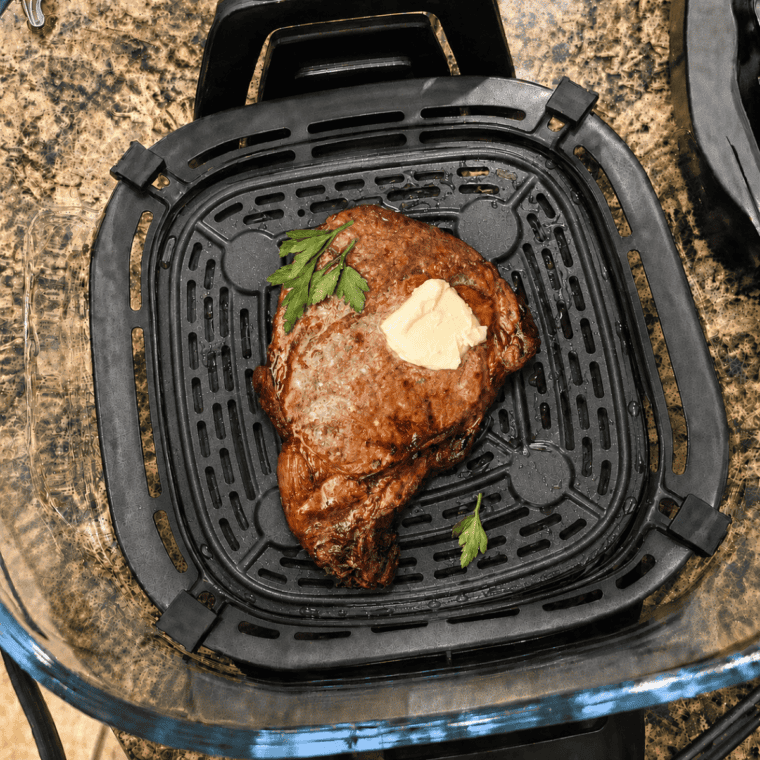
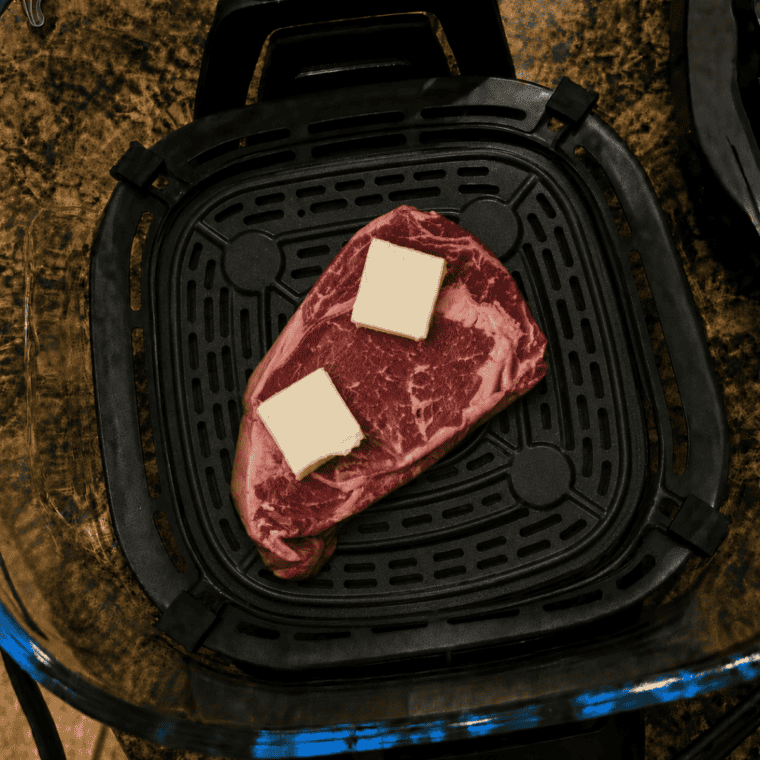
That distinction matters more than it sounds, because it means Crispi recipes aren’t guesswork. My steak bites specify Max Crisp at 400°F for 8 to 10 minutes with a shake halfway, and that 400 isn’t a suggestion — it’s what the machine does. You’re not losing precision. You’re losing the ability to override it.
Whether that trade bothers you is the whole question.
What you’re actually buying
The Crispi isn’t a smaller air fryer. It’s a different object.
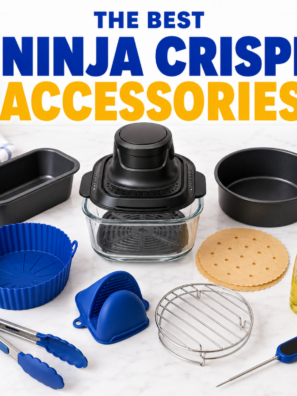
Instead of a plastic drawer, you cook in tempered glass containers — a 4-quart and a 6-cup — with removable crisper plates in the bottom. The heating element lives in a detachable lid, the PowerPod, which clamps on top. When food’s done, you lift the pod off and the glass goes straight to the table. Snap a storage lid on the leftovers and it goes into the fridge. Same dish, no transfer, no second bowl.
Everything except the PowerPod is dishwasher-safe.
That reads like a marketing bullet until you live with it. The thing I noticed around week two wasn’t the crisping — it was that my sink stopped filling up. Stuffed peppers go in raw, come out done, get a lid snapped on, and become tomorrow’s lunch without ever touching another dish. That’s the actual product.
So why lock the temperature?
Because the glass is doing something a metal basket can’t.
Glass holds and radiates heat differently than a thin nonstick drawer, and the PowerPod is calibrated against the specific thermal behavior of the container attached to it. That’s why it senses which one you’ve clamped on. Ninja made the call that a preset tuned to that pairing beats a number you picked yourself and probably picked wrong.
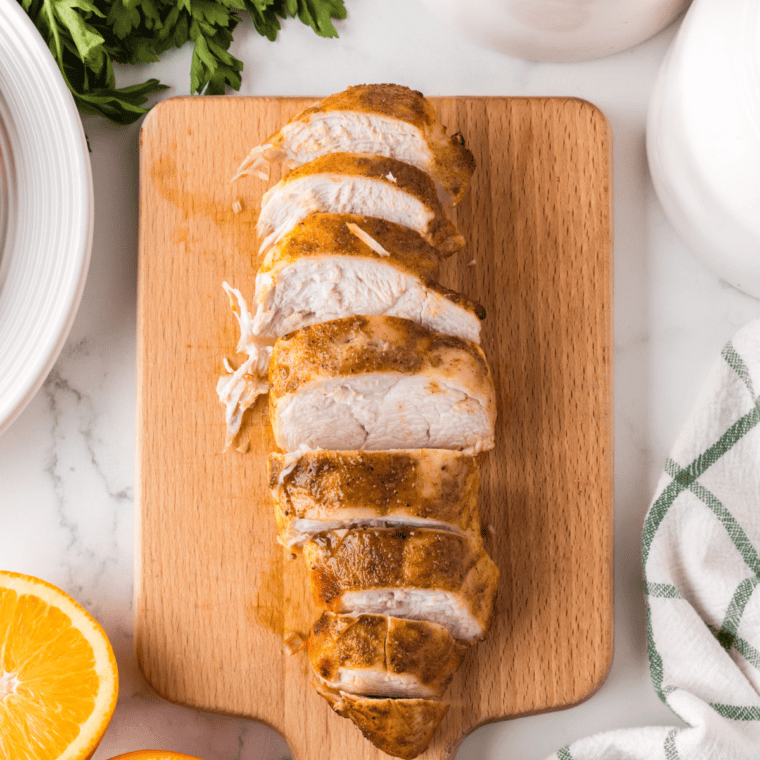
In practice, this shifts how you cook. You stop thinking in temperatures and start thinking in time and internal temp. Every good Crispi recipe is written this way out of necessity — this pork tenderloin runs 16 to 18 minutes on Air Fry with one turn, then two or three minutes on Max Crisp to build the crust, and you pull it the moment it hits 145°F. There’s no temp setting in that recipe because there can’t be. The thermometer does the work the dial would have done.
Buy an instant-read thermometer if you don’t own one. It’s a $15 purchase that makes this machine make sense.
The four buttons, honestly
Max Crisp is the one you’ll use most and the one that justifies the machine. It’s also a finishing move — a couple of minutes at the end of almost anything builds a crust that Air Fry alone won’t. It’s what gives sweet potato fries crunchy edges without the sogginess that usually comes with the higher sugar content.
Air Fry is the workhorse for anything that needs to cook through before it browns. Chicken, pork, and most vegetables live here — asparagus takes about 12 minutes with a teaspoon of oil and no flipping, and Parmesan zucchini rounds land in the same window.
Recrisp is the sleeper. It revives day-old fries, pizza, and fried chicken in a way a microwave simply cannot — two to three minutes and leftovers come back crisp instead of rubbery. I use it more than I expected to, and it’s quietly why the machine earns counter space rather than cupboard space.
Bake is the weak one. Reviewers consistently flag it, and I agree. It’s fine. It’s not why you’d buy this.
The three things that actually trip people up
Never skip the crisper plate. It lifts food off the bottom so fat and moisture drain away. Skip it and you’re steaming, not crisping. Burgers make this vivid — the burger recipe is blunt that patties sitting in their own rendered fat come out gray and steamed, and it’s right. The plate is doing real work.
Don’t crowd it. Two big patties in the 6-cup, four in the 4-quart. Air fryers crisp by moving hot air across surfaces; block the airflow and nothing crisps. This is the single most common reason a Crispi meal disappoints, and it’s the reason to cook in sequence instead of piling everything in. Run the fries first, tip them onto a plate, then run the main while they rest.
Lean meat needs help. The fat drips away through the plate, which is the point, but 93/7 beef has nothing left to give. Eighty-twenty is the floor for burgers, not the ceiling.
Who this is genuinely wrong for
I want to be direct about this, because a lot of coverage isn’t.
If you’re feeding four people every night, this isn’t your main appliance. The 4-quart container is not a family-sized capacity, and reviewers cooking for households of four consistently land in the same place: it’s a brilliant supplementary machine, not a replacement for a large dual-zone model. Buying it as your only air fryer for a family will frustrate you.
If you cook by temperature and want to keep doing that, the presets will chafe no matter how well-calibrated they are. That’s a real preference, not a flaw in you.
For both cases there’s now the Crispi Pro, released in late 2025 — 6-quart capacity, more functions, and precise digital temperature control from 80°F to 450°F. It solves exactly those two complaints. It also lives permanently on your counter, where the original tucks into a cupboard. That’s the trade.
Who it’s right for
Small households. One or two people. Anyone who cooks, eats, and stores in a rhythm where the same dish doing all three jobs is worth real money.
Also: anyone who’s been eyeing their scratched nonstick basket with mild unease. There’s no coating here to flake or peel — it’s glass and a metal plate.
And anyone with a dorm room, an office kitchen, an RV, or a small apartment. It’s the only air fryer I’ve owned that’s genuinely portable in a way that isn’t just marketing copy.
Three months in
I didn’t expect the locked temperature to stop bothering me. It did, around the two-week mark, once I quit translating oven recipes and started cooking to time and internal temp instead.
What I didn’t expect was how much the glass would change my habits. I cook smaller. I cook more often. I stopped meal-prepping into a stack of containers, because dinner already lives in the container it was cooked in.
It’s not the most capable air fryer you can buy. It might be the one you’ll actually use on a Tuesday.
If you’re still figuring out what this thing is good at, the air fryer recipe archive is where I’d start.
Great Ninja Crispi Recipes to try
- Ninja Crispi Burger Recipe: Juicy Air Fryer Burgers in 12 Minutes
- Ninja Crispi Steak Bites
- Ninja Crispi Pork Tenderloin: Juicy Air Fryer Recipe (25 Min)
- Ninja Crispi Stuffed Peppers (Ready in 30 Minutes)
- Ninja Crispi Asparagus (Perfectly Crispy in About 12 Minutes)
- Ninja Crispi Zucchini: Crispy Parmesan Rounds in 12 Minutes
- Ninja Crispi Sweet Potato Fries
- Easy Ninja Crispi Hot Dog Recipe ⚠️ slug mismatch
Roundups:
- 50 Best Air Fryer Ninja Crispi Recipes
- 50 Easy Ninja Crispi Chicken Recipes
- 77 Ninja Crispi Seafood Recipes
- 91+ Easy Ninja Crispi Breakfast Recipes
- 40+ Best Ninja Crispi Beef Recipes
Related archive: