This copycat Bob Evans hotcakes recipe makes wide, tender buttermilk pancakes with crisp golden edges, exactly like the ones on the Farmhouse Kitchen breakfast plate. The batter takes ten minutes and one bowl, and the whole stack is done in under half an hour.
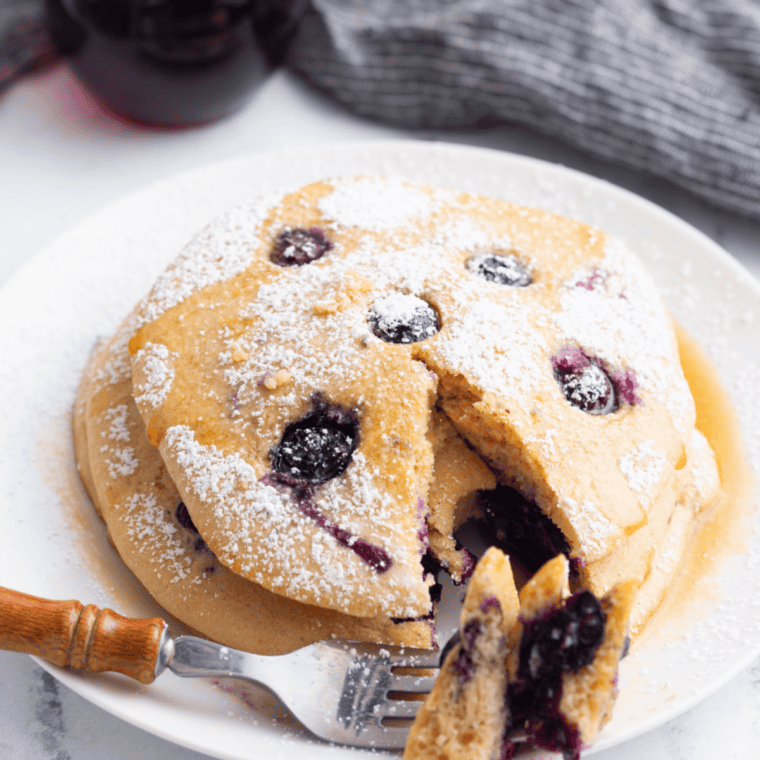
The short answer: thin the batter more than you think you should, use both baking soda and baking powder, cook on a buttered griddle at 350°F, and flip once. That combination is what separates a hotcake from a regular homemade pancake.
What Makes Bob Evans Hotcakes Different
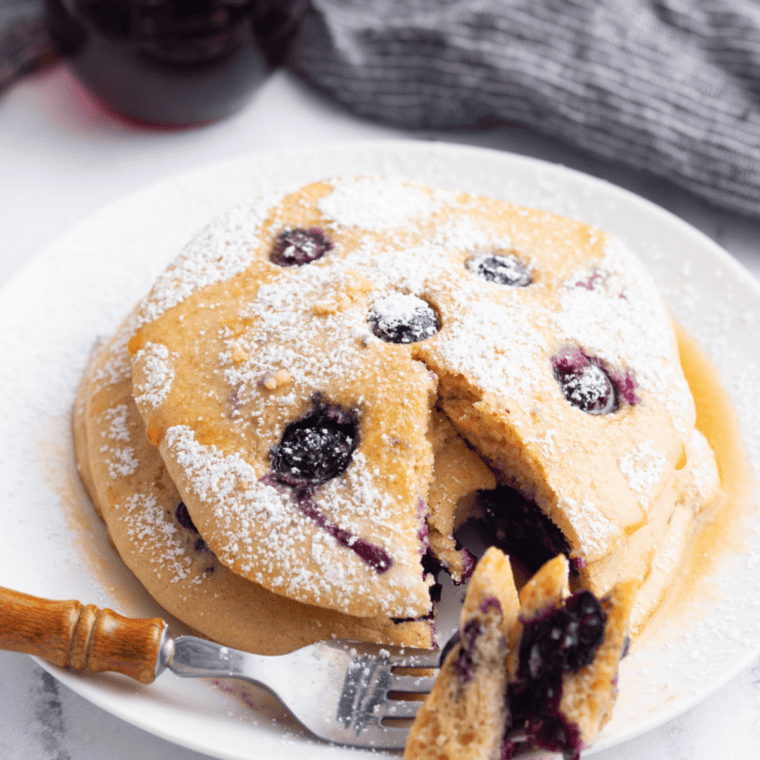
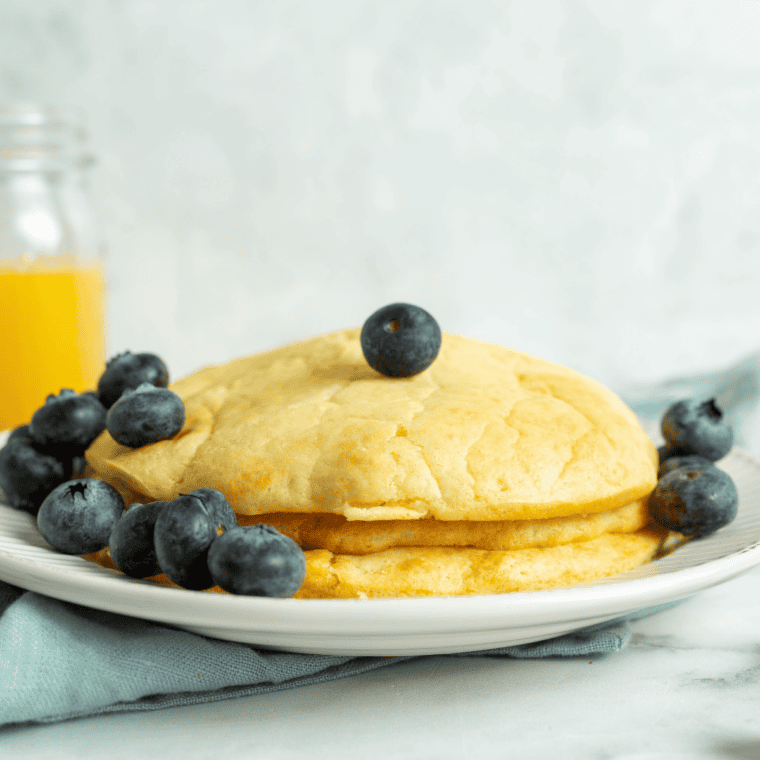
Most pancake recipes online are built for height. They give you a tall, cakey stack that stands up in photos. Bob Evans hotcakes are not that. They come out wide enough to hang off the fork, thin enough to fold, and tender straight through, with a thin lacy rim that goes slightly crisp against the griddle.
Getting that at home comes down to three things.
- A thinner batter. This recipe runs about 2¼ cups of buttermilk to 2 cups of flour, which is looser than a standard pancake ratio. Loose batter spreads on contact instead of mounding, and the spreading is what gives you the diameter and the crisp edge.
- Two leaveners, not one. The baking soda reacts with the acid in the buttermilk immediately, which handles browning and initial lift. The baking powder gives a second push once the batter hits the heat. Use only powder and the hotcakes taste flat. Use only soda and they taste faintly soapy.
- Real butter in the batter. Oil produces a softer, blander pancake. Butter browns on the griddle, and that browning is most of the flavor you associate with the restaurant version.
Ingredients
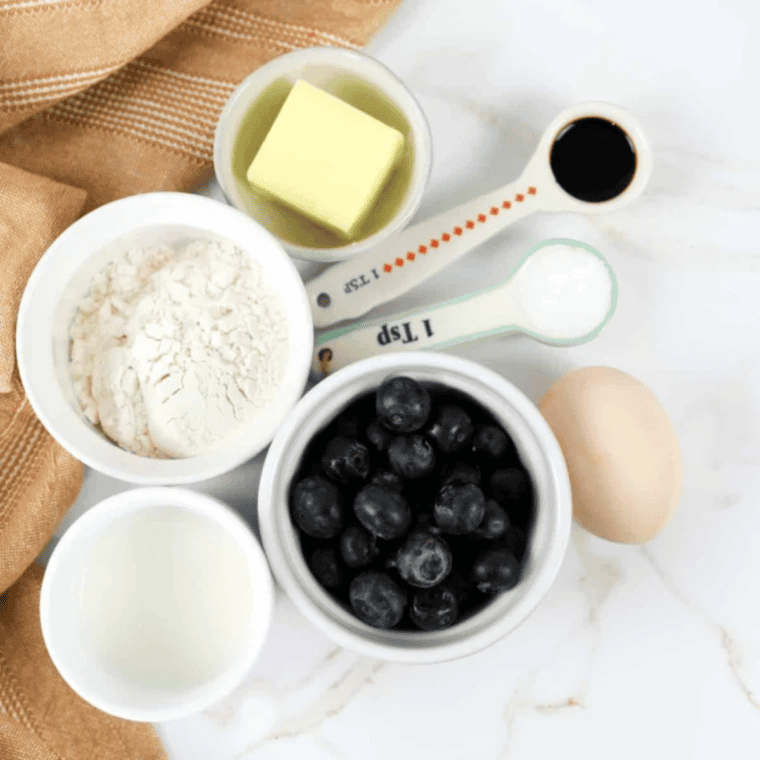
All-purpose flour: The structure. Spoon it into the cup and level it off. Scooping from the bag packs in an extra ounce and is the main reason homemade hotcakes turn out dense.
Granulated sugar: Sweetens the batter and feeds the browning that gives you golden edges. Do not leave it out entirely or you lose the color.
Baking powder: Second-stage lift. It activates on the griddle, which keeps the middle tender. Check the date on the can.
Baking soda: Reacts with the acid in the buttermilk for rise and browning. Skip it and the hotcakes come out pale and flat.
Fine salt: Keeps the batter from tasting like plain sweet flour and balances the syrup.
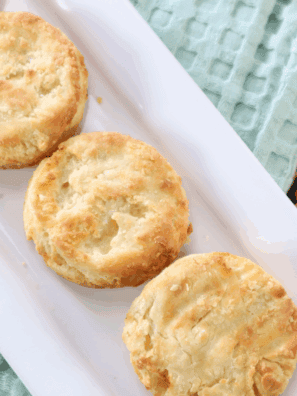
Buttermilk: The most important ingredient. The acid tenderizes the crumb and triggers the baking soda, and the thickness lets the batter spread without running. Use the rest of the quart for Bob Evans style buttermilk biscuits.
Eggs: Structure without rubberiness. Room temperature, or they seize the melted butter into hard flecks.
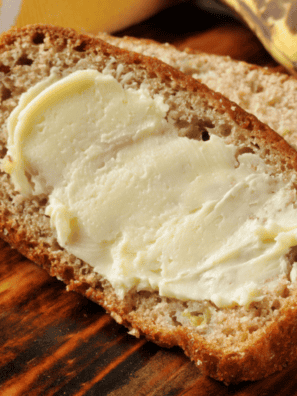
Unsalted butter, melted: Where the flavor comes from. Butter browns on the griddle in a way oil does not. Cool it slightly so it does not scramble the eggs.
Vanilla extract: Rounds out the tang of the buttermilk. One teaspoon.
Substitutions and Variations
- No buttermilk: Stir 2 tablespoons white vinegar or lemon juice into 2¼ cups whole milk and let it stand 10 minutes. It runs thinner, so hold back a little liquid. Plain milk alone does not work, since the baking soda needs acid.
- No baking soda: Bump the baking powder to 1 tablespoon. The rise holds up but the hotcakes stay pale.
- Dairy-free: Almond, soy, or oat milk plus 2 tablespoons vinegar. Use vegan stick butter rather than oil, since it browns better.
- Salted butter: Drop the added salt to ¾ teaspoon.
- Whole wheat: Swap in up to half white whole wheat and add 2 extra tablespoons buttermilk.
- Less sweet: Cut the sugar to 1 tablespoon and add 30 seconds per side.
- Blueberry: Drop the berries on after you pour, not into the bowl. Folding them in turns the batter gray.
- Chocolate chip: Same method. Mini chips spread more evenly.
- Pecan: Scatter ½ cup toasted chopped pecans on the wet side before flipping.
- Extra tangy: Swap ¼ cup of the buttermilk for sour cream.
How to Make Bob Evans Hotcakes
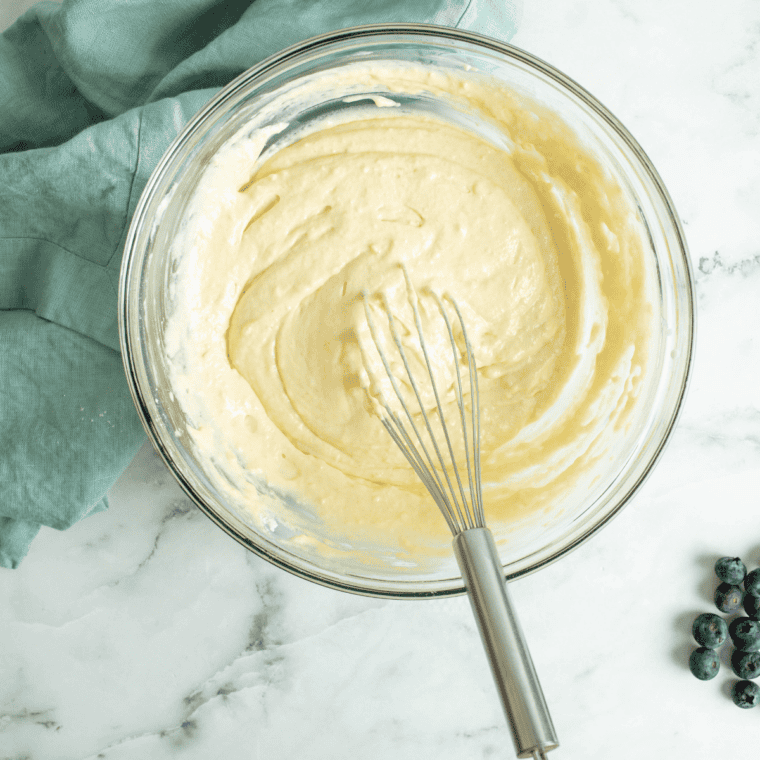
Step 1: Whisk the dry ingredients. Combine the flour, sugar, baking powder, baking soda, and salt in a large bowl. Whisk for a full 20 seconds. Undistributed baking soda leaves bitter pockets.
Step 2: Whisk the wet ingredients. In a separate bowl, beat the eggs, then whisk in the buttermilk and vanilla. Stream in the melted butter while whisking so it disperses instead of pooling.
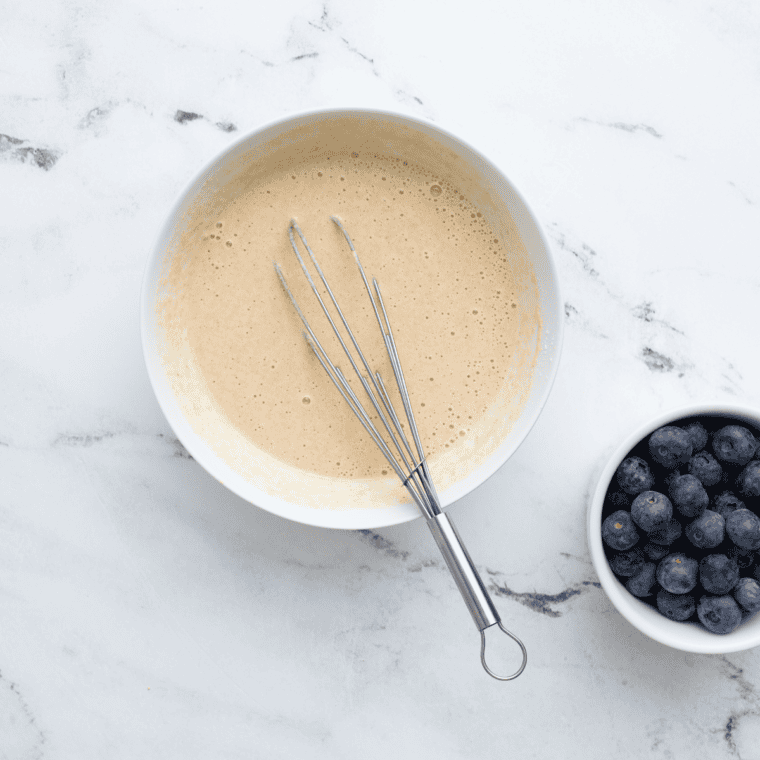
Step 3: Combine, barely. Pour the wet into the dry and stir with a rubber spatula only until the dry streaks disappear. The batter should look lumpy and shaggy. That is correct. Every extra stir builds gluten, and gluten is what turns a hotcake rubbery.
Step 4: Rest the batter 10 minutes. The flour hydrates, the lumps relax on their own, and the leaveners get a head start. You will see bubbles rise to the surface. If it thickens past the consistency of heavy cream, loosen it with a tablespoon or two of buttermilk.
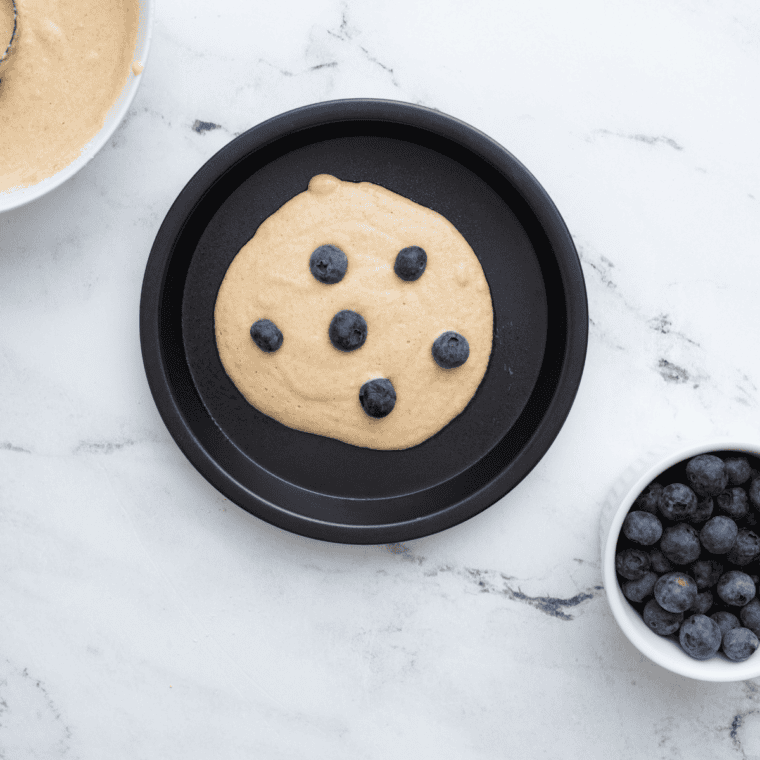
Step 5: Heat the griddle to 350°F. An electric griddle makes this easy. On the stovetop, use a large nonstick or cast-iron skillet over medium and give it a full five minutes to heat evenly. Test with a few drops of water: they should sizzle and skate across the surface, not vanish on contact.
Step 6: Butter the surface and pour. Melt about a teaspoon of butter and spread it into a thin sheen with a paper towel. Pour ⅓ cup of batter per hotcake. Let it spread on its own and resist pushing it around with the ladle.
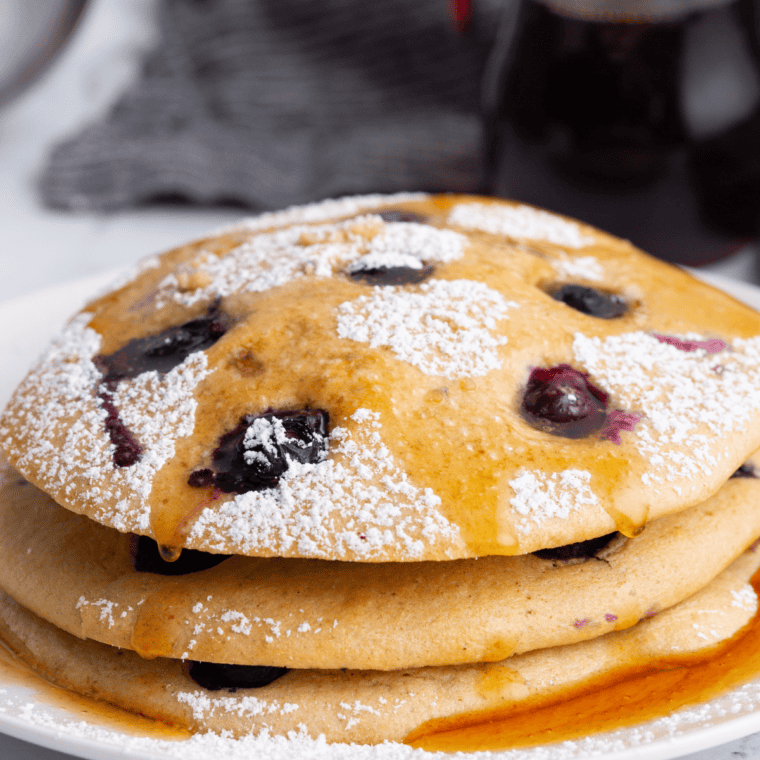
Step 7: Cook 2 to 3 minutes on the first side. Wait until bubbles form across the entire surface and the edges look dry and set. Lift an edge and check the color before you commit. You want deep, even golden brown.
Step 8: Flip once, cook 1 to 2 minutes more. One flip. Pressing down with the spatula compacts everything you just built. The second side always cooks faster and never looks as good, which is normal and nobody will see it.
Step 9: Hold them on a rack. Keep finished hotcakes on a wire rack in a 200°F oven while you cook the rest. Stacking them on a plate traps steam and softens the bottoms.
Tips for Perfect Hotcakes Every Time
Wipe the griddle between batches. Butter burns. By the third round you will have dark specks that transfer onto the next hotcakes. Wipe with a paper towel and add fresh butter.
Treat the first one as a test. It always is, for everyone. Use it to calibrate the heat before you commit the rest of the batter.
Pale and puffy means the heat is too low. Dark outside with a raw center means it is too high. Between those two, low heat is the more common mistake, because most people are afraid of burning them.
Do not mix the batter the night before. The leaveners exhaust themselves in the fridge. You can whisk the dry ingredients ahead and keep them in a jar, which cuts the morning work down to about three minutes.
No griddle? A large nonstick skillet works fine, one or two at a time. If you have a flat top, Blackstone griddle pancakes walk through the temperature and oiling differences for outdoor cooking, and air fryer pancakes covers the silicone mold method if you would rather not stand over a pan at all.
Variations
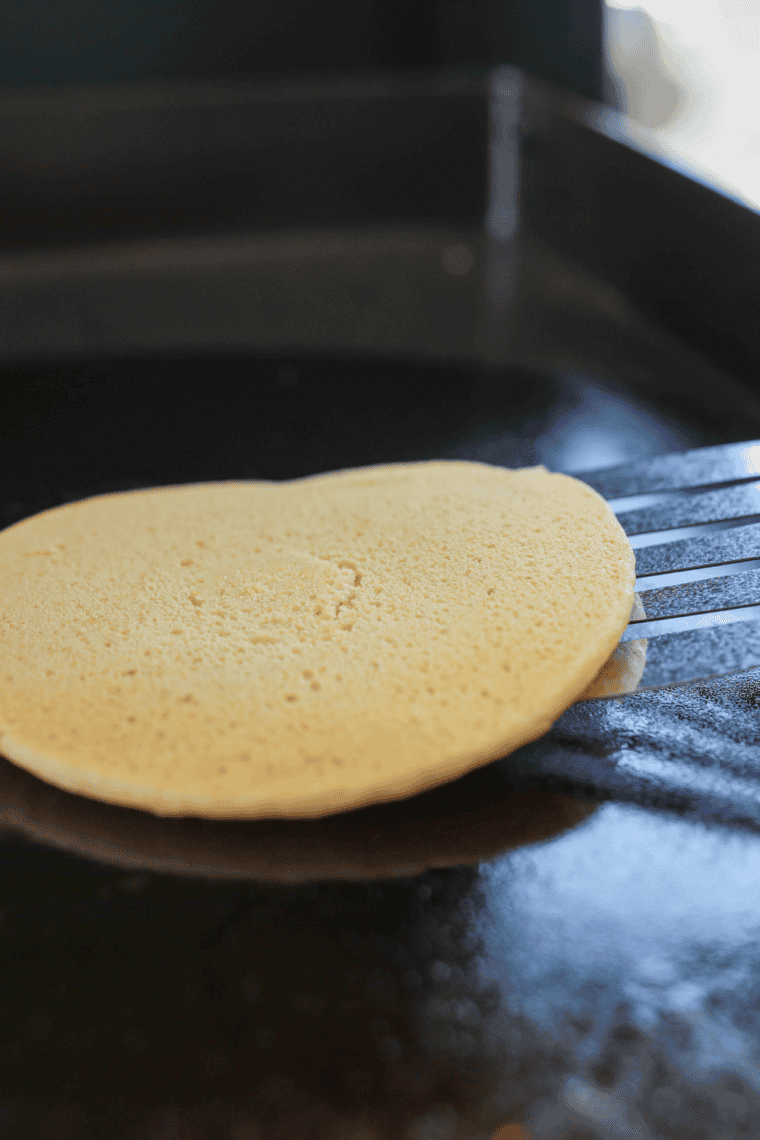
- Blueberry hotcakes: Drop the berries onto each hotcake right after you pour, not into the bowl. Folding them into the batter bruises them and turns the whole thing gray.
- Chocolate chip: Same method. Mini chips distribute more evenly than full size.
- Pecan: Toast ½ cup of chopped pecans and scatter them on the wet side before flipping.
- Extra tangy: Swap ¼ cup of the buttermilk for sour cream. The batter thickens slightly and the flavor moves closer to old-fashioned diner hotcakes.
What to Serve With Them
The restaurant plate is hotcakes, eggs, sausage, and potatoes, and it is easy to build the whole thing at home. Copycat Bob Evans breakfast sausage patties are sage-forward and lightly sweet, which cuts through the syrup better than anything from a supermarket roll. Bob Evans home fries round out the plate with diced potatoes, onion, and green pepper.
If you want the full farmhouse spread, add a batch of Bob Evans sausage gravy over split biscuits on the side. Sweet and savory on the same plate is the entire point of a diner breakfast.
Storing and Reheating
Cooled hotcakes keep in an airtight container in the refrigerator for 3 days. To freeze, lay them in a single layer on a sheet pan until firm, then transfer to a freezer bag with parchment between each one. They hold for 2 months.
The toaster on medium is the fastest way back to crisp edges. For a full stack or anything with mix-ins, the oven does a better job. This guide to reheating pancakes ranks all five methods with times, and explains why microwaving a stack turns the middle gummy.
Frequently Asked Questions
What is the difference between hotcakes and pancakes? Regionally the terms are used interchangeably. In practice, hotcakes usually describes the wider, thinner, diner-style version, which is what this recipe produces. A pancake more often implies the tall fluffy stack.
Can I make Bob Evans hotcakes without buttermilk? Yes, using the milk and vinegar substitute above. Plain milk on its own does not work well, because the baking soda has no acid to react with and you end up with a flat hotcake and a faint metallic aftertaste.
Why are my hotcakes tough? Almost always overmixing, occasionally too much flour. Stop stirring while the batter still looks lumpy.
Can I double this recipe? Yes, and it scales cleanly. Use your largest bowl and stay gentle when folding, since bigger batches tempt you into more stirring than the batter needs.
Is this the actual Bob Evans recipe? No. Theirs is proprietary. This is a home version built to match the texture and flavor of the restaurant hotcakes as closely as a home kitchen can.
What other restaurant pancakes can I make at home? Copycat Perkins pancakes are softer and more buttery, closer to a classic diner short stack. First Watch lemon ricotta pancakes go the other direction entirely, light and bright with ricotta in the batter.
Bob Evans Hotcakes
Description
Ingredients
- 2 cups all-purpose flour, spooned and leveled
- 3 tablespoons granulated sugar
- 2 teaspoons baking powder
- 1 teaspoon baking soda
- 1 teaspoon fine salt
- 2¼ cups buttermilk, well shaken
- 2 large eggs, room temperature
- 4 tablespoons unsalted butter, melted and slightly cooled
- 1 teaspoon vanilla extract
- Butter, for the griddle
Instructions
- Whisk flour, sugar, baking powder, baking soda, and salt in a large bowl for 20 seconds.
- In a separate bowl, beat the eggs, then whisk in buttermilk and vanilla. Stream in the melted butter while whisking.
- Pour wet into dry and stir with a spatula only until the dry streaks disappear. The batter should look lumpy.
- Rest the batter 10 minutes. If it thickens past heavy cream, loosen with 1 to 2 tablespoons buttermilk.
- Heat a griddle to 350°F, or a large skillet over medium for 5 minutes.
- Spread a teaspoon of melted butter into a thin sheen. Pour ⅓ cup batter per hotcake and let it spread on its own.
- Cook 2 to 3 minutes, until bubbles form across the surface and the edges look dry and set.
- Flip once and cook 1 to 2 minutes more. Do not press down.
- Hold finished hotcakes on a wire rack in a 200°F oven while you cook the rest.
Equipment
- Skillet
- Mixing Bowl
- Spoon
Notes
Do not mix the batter the night before. The leaveners exhaust in the fridge. Whisk the dry ingredients ahead instead.
Storage: refrigerate 3 days, or freeze 2 months with parchment between each.
Reheating: toaster on medium, or a 350°F oven for 8 to 10 minutes.
Nutrition
Share this recipe
We can’t wait to see what you’ve made! Mention @forktospoon or tag #forktospoon!