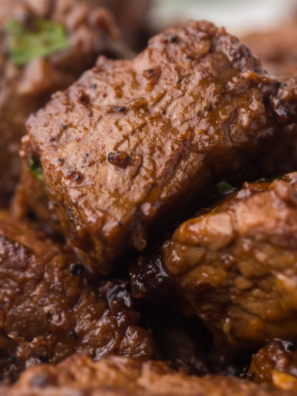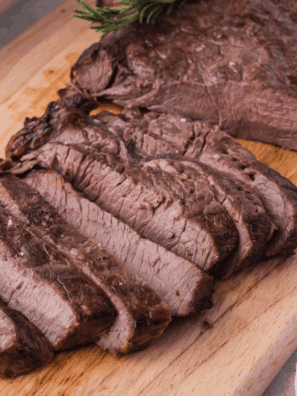
If you have ever eaten at LongHorn Steakhouse and found yourself trying to figure out what exactly is on the steak, the answer is Prairie Dust. It is their house seasoning, it goes on everything from the Renegade Sirloin to the fries, and it is the reason a LongHorn steak tastes like a LongHorn steak and not like something you made at home.
understand the one ingredient most copycats get wrong, you can make it taste right every single time.
What Is Prairie Dust, Exactly?
Prairie Dust is LongHorn’s signature all-purpose steakhouse seasoning. It is not the same thing as their 7-Pepper rub, which is darker, coarser, and much more pepper-forward. Prairie Dust is finer, saltier, faintly sweet, and — this is the giveaway — noticeably golden.
That color is the whole puzzle. People try to hit it with extra paprika and end up with something orange-red that tastes like barbecue rub. The actual answer is turmeric. Just a little, and not enough to taste, but it is what turns the blend that warm mustard-gold instead of red.
Once you know that, the rest falls into place quickly.
Why You’ll Love This Recipe
- Five minutes, no cooking. Measure, whisk, jar. That is the entire process.
- You probably have all ten spices already. Nothing exotic, nothing you have to order.
- It costs a fraction of a bottled steakhouse seasoning and makes about ⅔ cup.
- It works on far more than steak. Fries, chicken, roasted potatoes, burgers, eggs, popcorn.
- No anti-caking agents or fillers, so the flavor is more concentrated than store-bought.
Ingredients
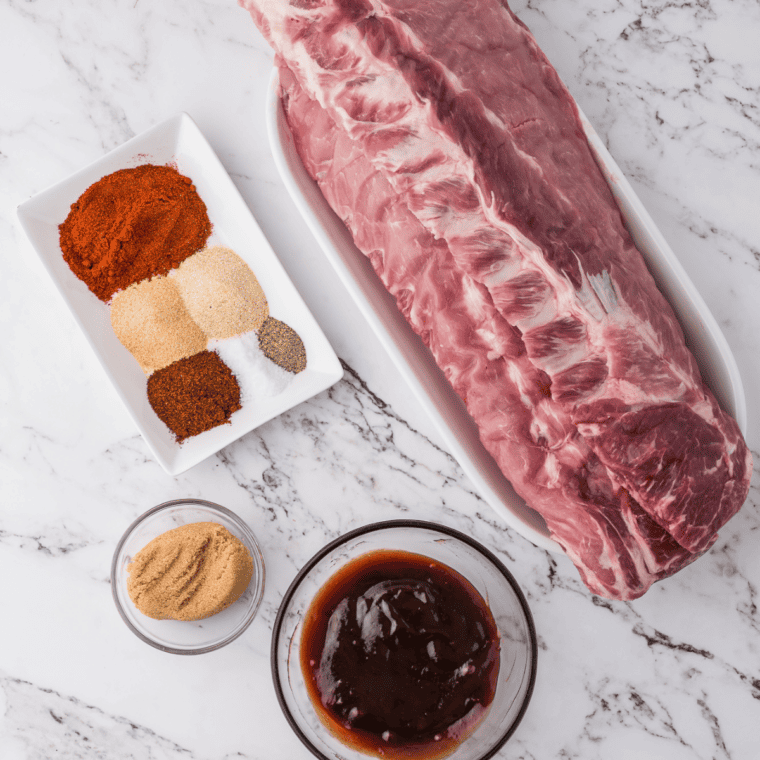
Kosher salt — The backbone. Kosher rather than table salt, because the larger crystals distribute more evenly through a dry blend and dissolve on the meat rather than sitting on top of it.
Granulated sugar — Prairie Dust is subtly sweet, and the sugar does two jobs: it balances the salt and it helps build that steakhouse crust when it hits a hot pan.
Paprika — Sweet paprika, not smoked. Smoked paprika will push this toward barbecue territory and away from steakhouse.
Garlic powder and onion powder — The savory base. Powder, not granulated, so the texture stays fine and even.
Ground black pepper — Finely ground here. Save the coarse grind for a steak-and-chop rub.
Turmeric — The secret. This is what makes it look like Prairie Dust instead of generic seasoned salt. Use exactly the amount below; more will turn it bitter and slightly medicinal.
Ground coriander — Adds a bright, faintly citrusy lift that keeps the blend from tasting flat. Most copycat versions skip it and you can tell.
Cayenne pepper — A background warmth, not heat. You should notice it only after you swallow.
Celery seed — Ground fine. It contributes that hard-to-place savory note that reads as “restaurant.”
How to Make Copycat Prairie Dust Seasoning
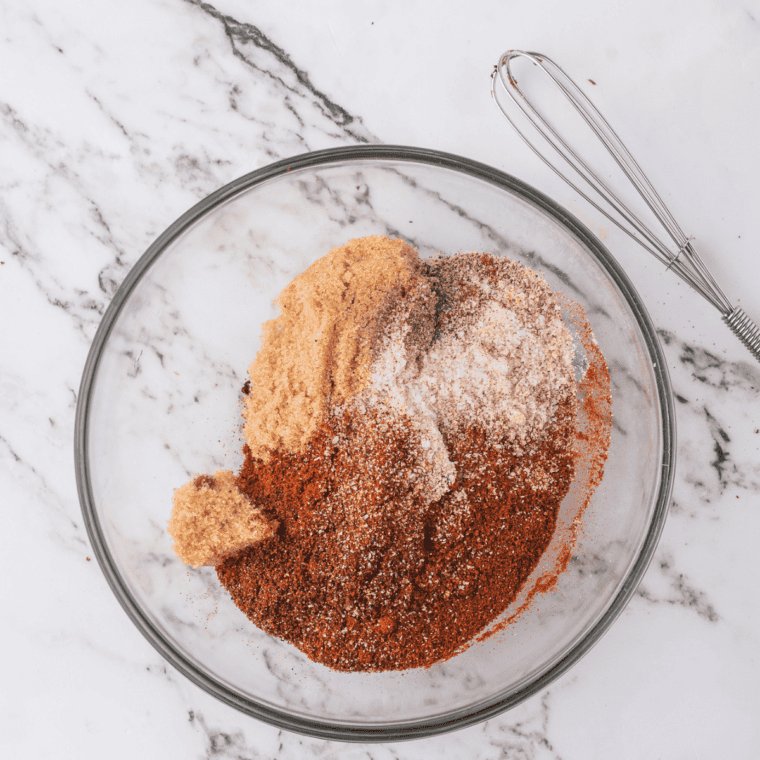
Step 1. Grind the celery seed and coriander. If you are starting from whole seeds, a spice grinder or mortar and pestle takes about thirty seconds. If you are using pre-ground, skip ahead.
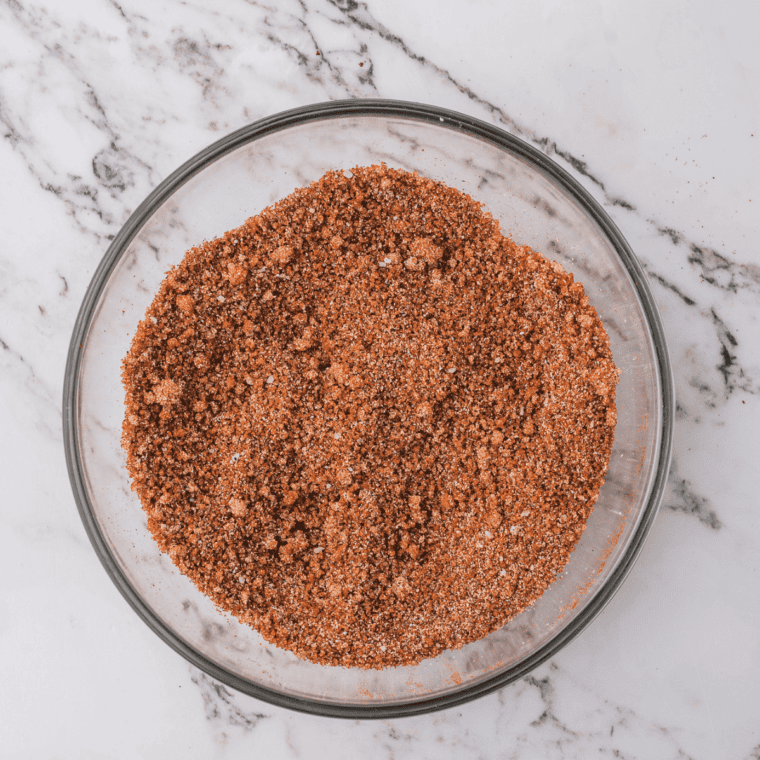
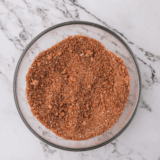
Step 2. Add every ingredient to a small bowl and whisk thoroughly, at least a full minute. Dry blends look mixed long before they actually are, and turmeric in particular tends to clump and streak. Whisk until the color is completely uniform with no yellow pockets.
Step 3. For the finest texture, pulse the whole blend in a spice grinder two or three times. This is optional, but it is what gets you from homemade to restaurant.
Step 4. Transfer to an airtight jar and label it with the date.
Tips for the Best Results
- Whisk longer than feels necessary. Streaky turmeric means one bite is bland and the next is bitter.
- Use fresh spices. Turmeric and coriander both fade fast. If yours have been open more than a year, this is the recipe where you will notice.
- Salt it on early. For steak, season at least 40 minutes before cooking, or the night before. The salt needs time to work into the meat rather than draw moisture to the surface right as it hits the pan.
- Do not add the sugar-heavy blend to a screaming hot grill. Sugar burns. Medium-high is the ceiling.
- Taste it on something neutral first — a plain potato chip or a bit of buttered bread — before you commit it to a ribeye.
How to Use It
This is genuinely an all-purpose blend, which is the point of it.
- Steaks and burgers — About ¾ teaspoon per side of a normal steak, more if it is thick.
- French fries — Toss hot fries with it straight out of the air fryer. This is what LongHorn does.
- Roasted potatoes and vegetables — Toss with oil first so it adheres.
- Chicken — Works on wings, thighs, and whole roasted birds.
- Eggs and avocado toast — A pinch is excellent.
- Popcorn — Grind it extra fine first.
Variations
Lower sodium — Cut the salt in half and add ½ teaspoon more paprika to keep the volume. You will need to salt separately when you cook.
Spicier — Double the cayenne, or add ¼ teaspoon chipotle powder for smoke and heat together.
Coarser steak version — Swap the fine black pepper for coarse cracked pepper and skip the final grinding step. Closer to their 7-Pepper rub.
Salt-free — Omit the salt entirely and use it as a finishing dust over already-seasoned food.
Storage
Keep it in an airtight jar away from the stove — heat and light are what actually kill spice blends, more than time. It will hold its full flavor for about six months and remain perfectly usable for a year, though the turmeric and coriander will soften first.
If it cakes, a few grains of uncooked rice in the jar will absorb the ambient moisture. Break up any clumps with a fork before using rather than shaking harder.
Frequently Asked Questions
Is Prairie Dust the same as LongHorn’s 7-Pepper rub? No. They are two different seasonings. Prairie Dust is the fine golden all-purpose blend. The 7-Pepper rub is darker, coarser, and built around several kinds of pepper. LongHorn uses both, on different things.
Can I leave out the turmeric? You can, and it will still taste good — but it will not look right, and the flavor loses a little depth. Turmeric is the single ingredient that makes this read as Prairie Dust rather than generic seasoned salt.
Does LongHorn sell Prairie Dust? They have sold it in restaurants at various points, though availability comes and goes by location. That inconsistency is exactly why this recipe is worth having.
Can I use table salt instead of kosher? Yes, but use about half as much by volume. Table salt is much denser, and a straight swap will make the blend far too salty.
How much does this make? About ⅔ cup, which is roughly equivalent to a standard store-bought seasoning bottle. The recipe doubles and triples without any adjustment.
Is it gluten-free? The ingredients themselves are, but check your individual spice jars — some brands process on shared equipment or use anti-caking agents.
More LongHorn Steakhouse Copycat Recipes
Once you have a jar of Prairie Dust on the shelf, you are most of the way to a full LongHorn dinner at home. Here is where to go next:
- LongHorn Steakhouse Fries — The single best use for this seasoning. Toss them hot, straight out of the air fryer.
- LongHorn Steakhouse Honey Wheat Bread — That warm loaf they bring to the table before you have even ordered.
- LongHorn Texas Tonion — Their crispy battered onion, and the appetizer everyone fights over.
- Texas Tonion Dipping Sauce — The creamy sauce that goes with it.
- LongHorn Parmesan Crusted Spinach Dip — Creamy, garlicky, with a golden Parmesan crust on top.
- LongHorn Stuffed Mushrooms — White cheddar filling, air fried until the tops go crisp.
- LongHorn Fried Green Tomatoes — Crispy, tangy, and genuinely better in the air fryer.
- LongHorn Steakhouse Wings — Try tossing these in Prairie Dust instead of sauce.
- All My LongHorn Steakhouse Copycat Recipes — The full collection in one place.
Copycat LongHorn Prairie Dust Seasoning
Description
Ingredients
- 3 tablespoons kosher salt
- 2 tablespoons granulated sugar
- 1 tablespoon sweet paprika
- 2 teaspoons garlic powder
- 2 teaspoons onion powder
- 1½ teaspoons finely ground black pepper
- 1 teaspoon ground turmeric
- 1 teaspoon ground coriander
- ¾ teaspoon cayenne pepper
- ½ teaspoon ground celery seed
Instructions
- If using whole celery seed or coriander, grind to a fine powder.
- Combine all ingredients in a small bowl and whisk for a full minute, until the color is completely uniform with no streaks of yellow.
- Optional but recommended: pulse the blend two or three times in a spice grinder for a finer, more restaurant-like texture.
- Transfer to an airtight jar, label with the date, and store away from heat and light.
Equipment
- Mixing Bowl
- Whisk
Notes
Nutrition
Share this recipe
We can’t wait to see what you’ve made! Mention @forktospoon or tag #forktospoon!