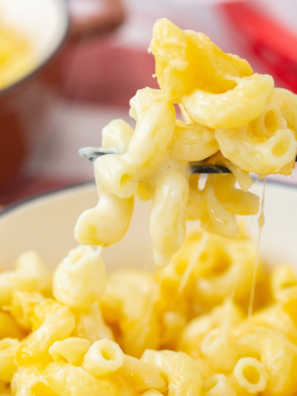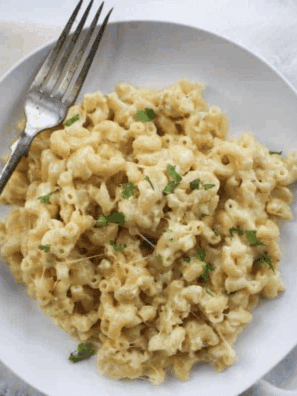
The ultimate homemade mac and cheese — velvety, rich, and ready in 35 minutes. With three perfectly chosen cheeses and a foolproof béchamel, this is the recipe your family will request every week.
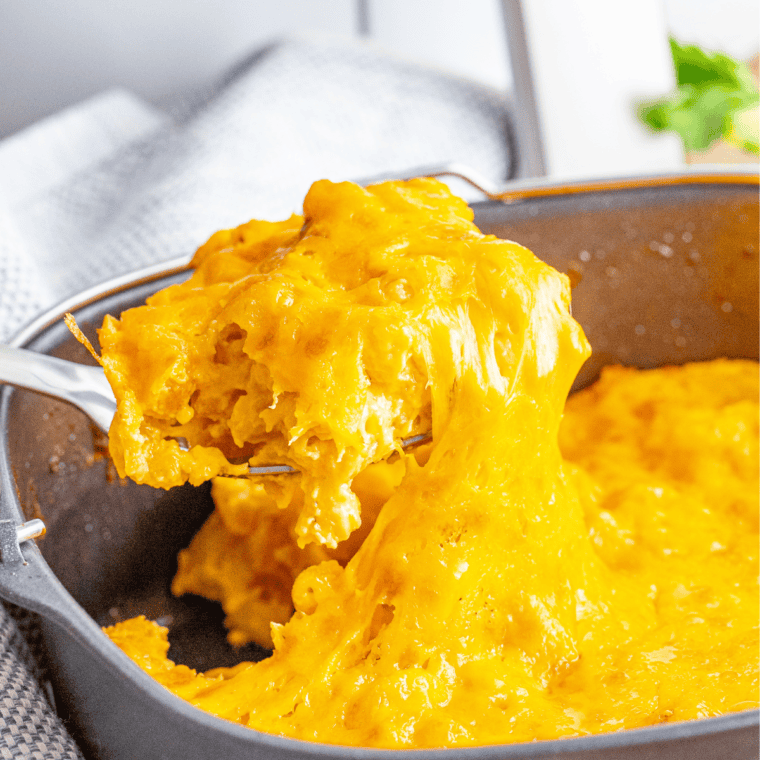
From Laurie’s (my) kitchen: I have made mac and cheese more times than I can count — baked, stovetop, Instant Pot, you name it. This 3-cheese stovetop version is the one my family asks for by name. The combination of sharp cheddar for flavor, Gruyere for nuttiness, and American cheese for that impossibly smooth melt is genuinely the perfect trio. The biggest mistake people make is overheating the cheese — I’ll walk you through exactly how to avoid that.
Why This 3 Cheese Mac and Cheese Recipe Wins
Homemade mac and cheese sounds intimidating, but I promise it isn’t. The technique is simple: make a butter-flour roux, whisk in milk to build a béchamel sauce, then melt three carefully chosen cheeses into it. The whole thing takes 35 minutes and uses one pot.
Here’s what separates this recipe from the rest:
- Three cheeses, three jobs — Sharp cheddar delivers bold flavor. Gruyere adds nutty depth. American cheese from the deli (not the plastic-wrapped slices) creates that glossy, smooth, never-grainy sauce.
- No broken sauce — The single most important tip in this recipe: remove the pot from heat before adding cheese. Cheese added to a boiling sauce goes grainy and gritty. Off the heat, it melts perfectly every time.
- Better than any box — The richness and complexity of real cheese, real butter, and whole milk is incomparable. Once you make this, boxed mac and cheese will feel like a step backward.
- Completely customizable — Bake it under a breadcrumb crust, stir in lobster or bacon, or keep it pure. The base recipe handles all of it.
The Best Cheeses for Mac and Cheese (And Why These Three Work)
Choosing the right cheeses is the most important decision in this recipe. The wrong combination gives you a grainy, oily sauce. The right combination gives you velvet. Here’s the reasoning behind each cheese:
Sharp Cheddar — The Flavor Engine
Sharp or extra-sharp cheddar is the primary cheese in this recipe — 12 ounces of it. It provides the recognizable, tangy, bold flavor that makes mac and cheese taste like mac and cheese. The sharpness also balances the richness of the other cheeses.
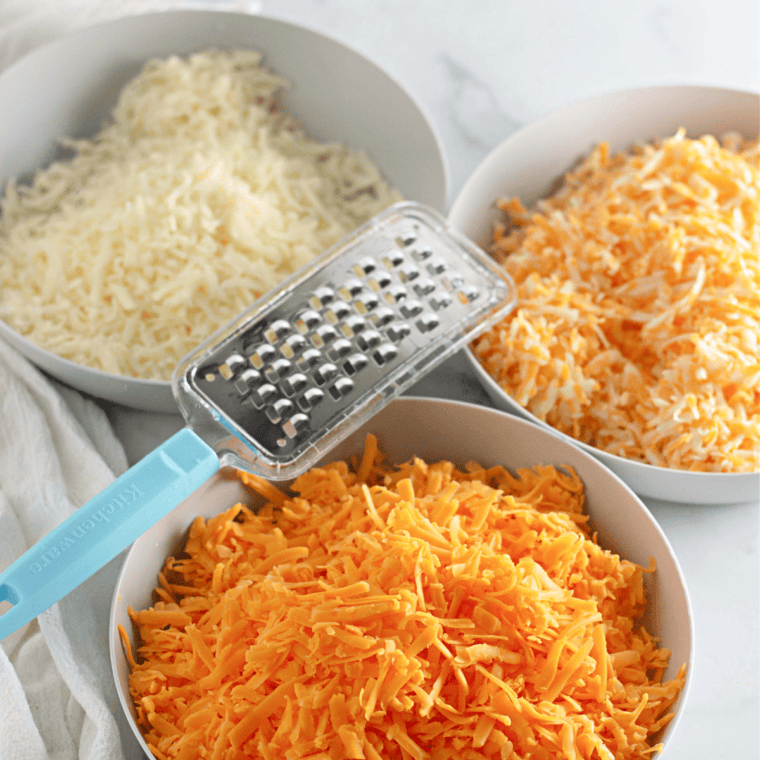
Key tip: Buy a block of cheddar and grate it yourself. Pre-shredded cheese is coated in anti-caking agents (usually potato starch or cellulose) that prevent it from melting smoothly into a sauce. Freshly grated cheese melts in seconds and produces a silkier result.
Gruyere — The Depth and Nuttiness
Gruyere is a Swiss-style aged cheese with a distinctly nutty, slightly sweet, savory flavor. It melts beautifully and adds a sophistication that cheddar alone doesn’t have. Even people who have never tasted Gruyere will notice that this mac and cheese tastes different — richer and more complex.
If you can’t find Gruyere, Comté or Emmental are close substitutes. Fontina is another good option with a milder, creamier flavor.
American Cheese — The Secret Weapon
This is the most controversial ingredient, and also the most important one for texture. The American cheese at the deli counter is not the same as the individually wrapped plastic cheese slices. Deli American is a real cheese blend with high moisture content and a very low melting point — it creates an emulsified, glossy, ultra-smooth sauce similar to what Velveeta achieves, but with better flavor.
Important: Ask for American cheese at the deli counter, not the refrigerated section. Request a block or thick slices. If your grocery store doesn’t carry it, use 6 ounces of Velveeta as a substitute. Do NOT use Kraft singles — they contain more fillers and won’t produce the same result.
Ingredients Needed
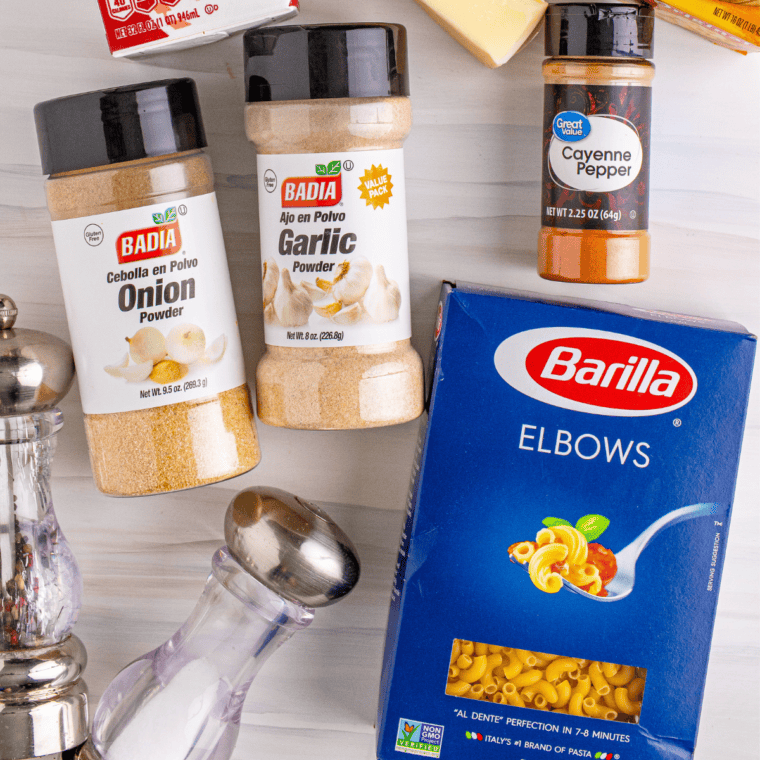
- Elbow macaroni: classic pasta shape holds creamy cheese sauce well
- Unsalted butter: creates rich base for smooth cheese sauce
- All-purpose flour: thickens sauce into creamy, velvety consistency
- Whole milk: makes mac and cheese extra creamy and rich
- Dry mustard: adds subtle tang and enhances cheese flavor
- Cayenne pepper: balances richness with mild background heat
- Garlic, grated: adds savory depth and aromatic flavor boost
- Sharp cheddar: provides bold cheesy flavor and classic taste
- American cheese: melts smoothly for ultra-creamy sauce texture
- Gruyere cheese: adds nutty, complex flavor and richness
- Black pepper: freshly ground adds gentle spice and balance
How to Make Creamy 3 Cheese Mac and Cheese — Step by Step
Step 1: Bring a large pot of generously salted water to a rolling boil. Cook elbow macaroni until al dente — usually 1–2 minutes less than the package suggests. The pasta will continue cooking slightly in the cheese sauce, so you want a little bite remaining. Drain through a colander and rinse briefly with cool water to stop the cooking and prevent sticking.
Step 2: Rinse and dry the same pot, then return it to the burner over low heat. Add the butter. Once melted, whisk in the flour all at once. Whisk constantly for 1–2 minutes until the paste turns a pale golden yellow and smells slightly nutty. This is your roux — it’s what will thicken the sauce.
What is a roux? A roux is a cooked mixture of equal parts fat and flour that acts as a thickener. Cooking it for 1–2 minutes is essential to eliminate the raw flour taste. It should look like a smooth, slightly bubbly paste.
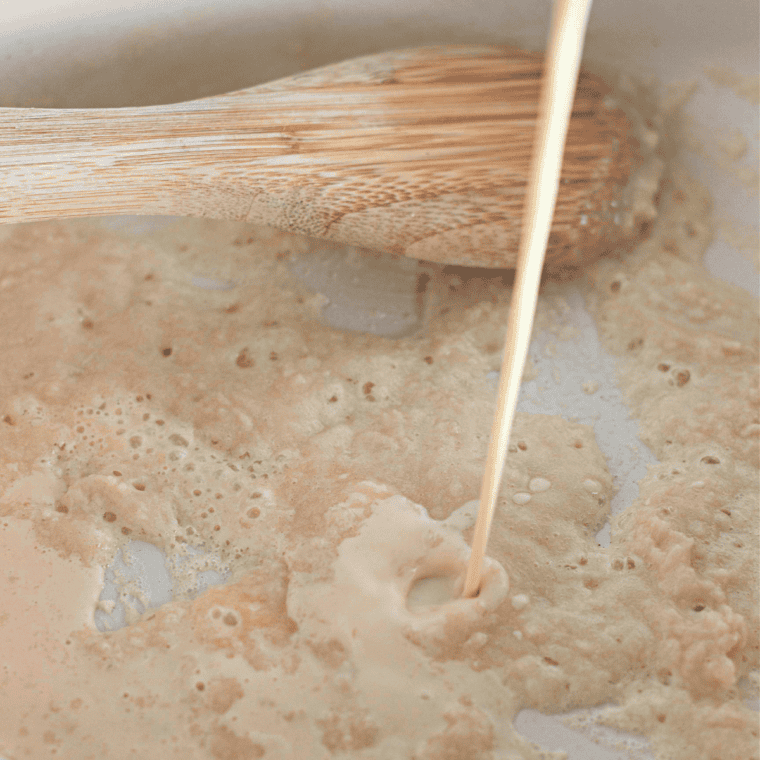
Step 3: Slowly pour in the whole milk in a steady stream, whisking constantly to prevent lumps. Once all the milk is incorporated, increase the heat to medium-high and whisk frequently. Continue cooking until the sauce thickens to the consistency of cream soup — this takes 7–10 minutes. You’ll know it’s ready when it coats the back of a spoon and a line drawn through it holds its shape. Whisk in the dry mustard, cayenne pepper, and grated garlic at this stage.
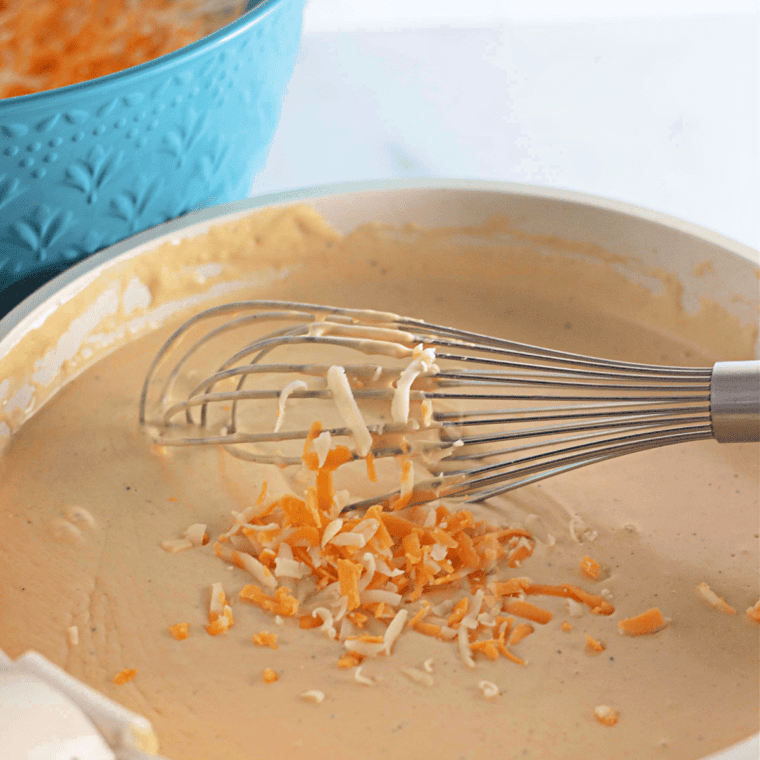
Step 4: Turn the heat completely off and remove the pot from the burner. Wait 30 seconds. Then add the grated cheeses in three or four additions, whisking after each addition until fully melted before adding more. The residual heat of the sauce is enough to melt the cheese — you don’t need additional heat, and additional heat will ruin the texture.
Why cheese breaks: Cheese is an emulsion of fat, protein, and water. When heated too aggressively, the proteins tighten and the fat separates — leaving you with a greasy, gritty, grainy sauce that cannot be fixed. Adding cheese off the heat keeps the proteins relaxed and the emulsion intact. This is the single most important technique in this recipe.
Step 5: Add the drained macaroni to the cheese sauce and stir gently until every piece of pasta is coated. Taste and adjust seasoning — you may want a pinch of salt or extra black pepper. Serve immediately in warm bowls, garnished with a sprinkle of extra cheddar or fresh herbs if desired.
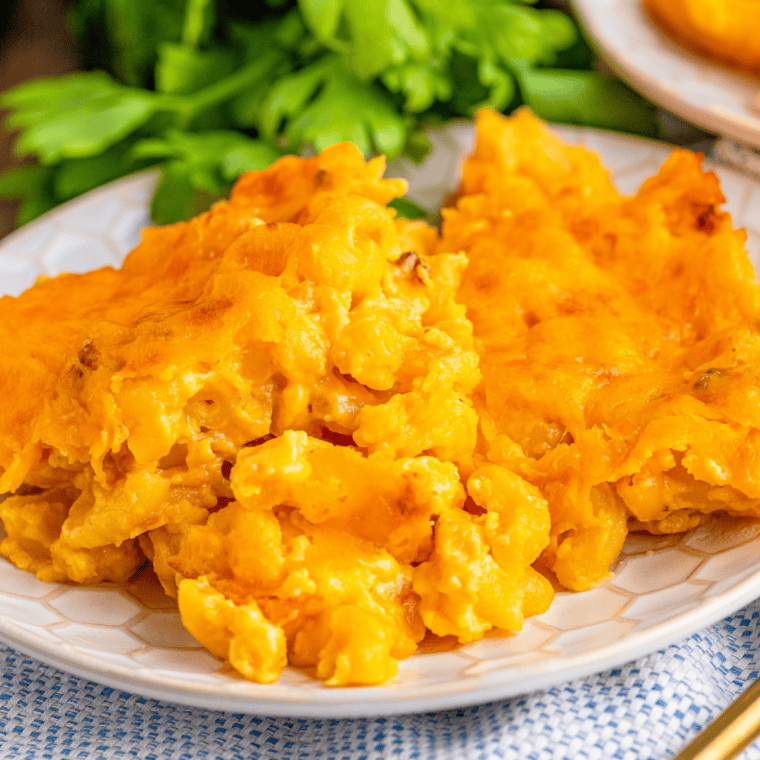
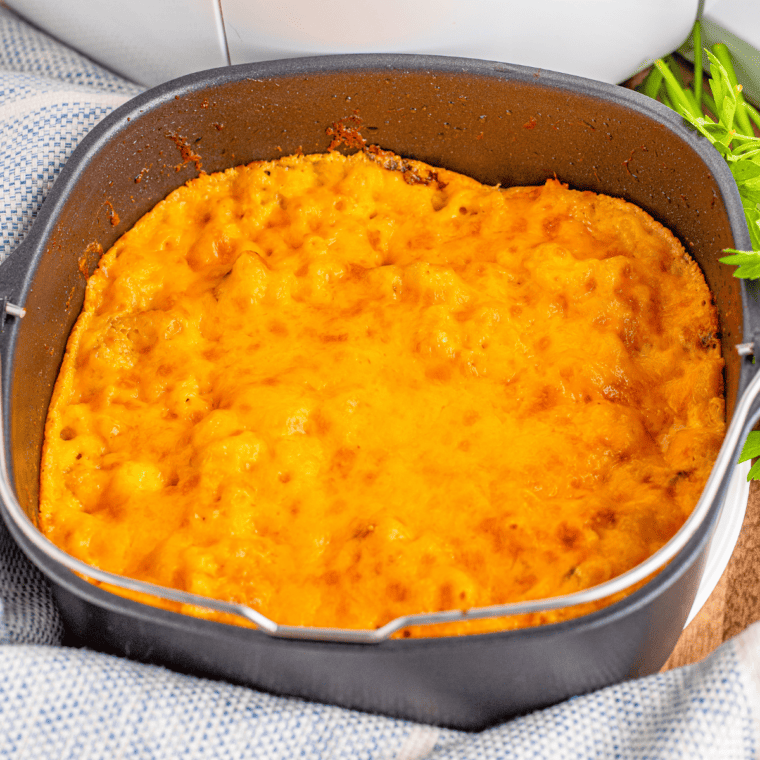
For a baked version, transfer to a buttered baking dish, top with a mixture of panko breadcrumbs and melted butter, and bake at 375°F for 15–20 minutes until the top is golden and crispy.
Pro Tips for the Creamiest Mac and Cheese
- Always use freshly grated cheese. Pre-shredded cheese contains anti-caking agents that create a grainy sauce. Grate it yourself — it takes 5 extra minutes and makes a massive difference.
- Add cheese off the heat. This is the most important rule. Remove the pot from the burner before adding any cheese.
- Don’t rush the roux. Cook the butter-flour mixture for a full 1–2 minutes to eliminate the raw flour taste. It should smell slightly nutty before you add the milk.
- Warm the milk. For an even smoother sauce, gently warm the milk in the microwave (about 2 minutes) before whisking it into the roux. Cold milk added to a hot roux can cause lumps.
- Season the pasta water. It should taste like the sea. Properly salted pasta water is your first layer of flavor.
- Taste before serving. Cheese is salty and brands vary. Always taste the finished sauce before adding additional salt.
- Serve immediately. Mac and cheese thickens as it sits. If it tightens up, stir in a splash of warm milk to bring it back.
Variations and Add-In Ideas
Make it baked
Transfer the finished mac and cheese to a buttered 9×13 baking dish. Mix ¾ cup panko breadcrumbs with 2 tablespoons of melted butter and a pinch of paprika. Sprinkle over the top. Bake at 375°F for 15–20 minutes until golden and bubbling at the edges. The contrast between the creamy interior and crispy crust is outstanding.
Add protein
- Bacon: Cook 6 strips until crispy, crumble, and stir in with the macaroni. Save a tablespoon of bacon fat to substitute for some of the butter in the roux.
- Pulled pork or shredded chicken: Stir in 1–2 cups of shredded meat for a hearty main course.
- Lobster or crab: For a special occasion, stir in 1 cup of cooked lobster or crab meat — one of the best things you can do with this sauce.
- Shrimp: Sauté ½ pound of peeled shrimp in butter, season with Old Bay, and serve on top.
Add vegetables
- Roasted broccoli: Toss florets in olive oil, roast at 425°F until charred at the edges, stir into the mac and cheese.
- Spinach: Stir in 2 cups of baby spinach right before serving — the heat wilts it in about 30 seconds.
- Roasted butternut squash: Adds sweetness and color that kids love.
- Jalapeños: Dice 1–2 fresh jalapeños and sauté them in the butter before adding the flour for a spicy version.
Change the cheese blend
- Fontina + Parmesan + American (milder, more Italian flavor)
- Pepper jack + cheddar + American (spicy version)
- Smoked Gouda + cheddar + American (sweeter, smokier flavor)
- White cheddar + Gruyere + cream cheese (tangier and extra rich)
How to Store and Reheat Mac and Cheese
Refrigerator: Allow the mac and cheese to cool to room temperature before storing. Transfer to an airtight container and refrigerate for up to 4–5 days.
To reheat: Add the desired portion to a small saucepan over very low heat with a splash of milk (start with 2 tablespoons per cup of mac and cheese). Stir constantly until heated through. If using the microwave, use 50% power in 60-second intervals, stirring between each.
Freezer: Freeze individual portions in airtight containers for up to 2 months. Thaw overnight in the refrigerator, then reheat on the stovetop with extra milk. Note that the sauce texture may be slightly less smooth after freezing.
Make-ahead tip: The cheese sauce can be made 1–2 days in advance and stored separately from the cooked pasta. Reheat the sauce on the stovetop with a splash of milk until smooth, then stir in the pasta and warm through.
What to Serve with 3 Cheese Mac and Cheese
Mac and cheese is rich and filling, so lighter sides work best:
- A simple green salad with a sharp vinaigrette — the acidity cuts through the richness perfectly
- Roasted broccoli or cauliflower — caramelized, slightly bitter vegetables are a natural contrast
- Grilled or roasted chicken — adds lean protein and keeps the meal balanced
- Tomato soup — the classic pairing; the acidity of tomatoes is a perfect match for creamy cheese
- Garlic bread — for when you want to lean all the way into comfort food
- Pulled pork or brisket — mac and cheese as a BBQ side is one of life’s great combinations
Frequently Asked Questions
Why is my mac and cheese sauce grainy or gritty? The most common cause is adding cheese to sauce that’s still over direct heat. The proteins in cheese tighten when overheated, separating the fat and leaving a grainy texture. Always remove the pot from the burner before adding cheese. Using pre-shredded cheese (which contains anti-caking agents) can also cause graininess — always grate fresh from a block.
Can I use different cheeses? Yes. The cheddar-Gruyere-American combination is ideal, but there’s flexibility. Great substitutes for Gruyere include fontina, Comté, Emmental, or mild Gouda. If you can’t find deli American cheese, use 6 ounces of Velveeta. Avoid cheeses that don’t melt well (feta, halloumi, cotija) as they will make the sauce lumpy.
Can I make this ahead of time? Yes. Make the cheese sauce up to 2 days ahead and store it separately from the cooked pasta. When ready to serve, reheat the sauce gently over low heat with a splash of milk, stirring constantly. Add the pasta and warm through.
How do I make baked mac and cheese? Follow the recipe through step 5, then pour into a buttered 9×13 baking dish. Mix ¾ cup panko breadcrumbs with 2 tablespoons of melted butter and a pinch of paprika. Spread over the top. Bake at 375°F for 15–20 minutes until the topping is golden brown and edges are bubbling.
My sauce is too thick. How do I fix it? Add warm milk a tablespoon at a time, stirring after each addition, until you reach your desired consistency. The sauce thickens as it cools and as the pasta absorbs it — always have warm milk nearby.
Can I use 2% milk instead of whole milk? Yes. The sauce will be slightly less rich but still very good. Don’t go lower than 2% — skim milk produces a thin, watery sauce. For an extra indulgent version, use a 50/50 mix of whole milk and heavy cream.
Can this be made gluten-free? Yes. Substitute a 1:1 gluten-free all-purpose flour blend for the regular flour in the roux. Use a gluten-free pasta — brown rice or corn pasta both work well with this sauce.
What’s the difference between stovetop and baked mac and cheese? Stovetop mac and cheese (this recipe) is creamier and silkier — the sauce coats every piece of pasta like velvet. Baked mac and cheese has a drier, firmer texture but gains a crispy breadcrumb topping and caramelized edges. Stovetop is better for weeknights; baked is better for entertaining.
How do I reheat leftover mac and cheese? On the stovetop over low heat is best — add a splash of milk and stir constantly. In the microwave, use 50% power in 60-second intervals, stirring between each. Never reheat at full power or the sauce will break and turn greasy.
More Easy Recipes
- Caramelized Peppers & Onions
- air fryer two-ingredient ice cream bread
- cast iron corn
- Easy Garlic Bread Spread Recipe
- air fryer Caesar chicken
- air fryer low-carb mozzarella sticks
- air fryer low-carb tortilla chips
- air fryer old bay saltine crackers
Don’t Forget To Pin!
Made this recipe? Leave a star rating below — it helps more people find this recipe and I love hearing how it turned out for you!
Share your creation on Instagram and tag @forktospoon — I can’t wait to see it!
Creamy 3 Cheese Mac and Cheese
Description
Ingredients
- 1 pound elbow macaroni
- 4 tablespoons unsalted butter
- ¼ cup all-purpose flour
- 4 cups whole milk
- ¼ teaspoon dry mustard
- ⅛ teaspoon cayenne pepper
- 1 clove garlic, grated (highly recommended)
- 12 ounces sharp cheddar cheese, freshly grated
- 6 ounces American cheese, deli counter, freshly grated
- 6 ounces Gruyere cheese, freshly grated
- Salt and freshly ground black pepper, to taste
Instructions
- Bring a large pot of generously salted water to a boil. Cook macaroni until al dente (1–2 minutes less than package instructions). Drain and rinse briefly with cool water. Set aside.
- Rinse and dry the pot. Return to the stove over low heat. Melt butter. Add flour all at once and whisk constantly for 1–2 minutes until the roux is pale golden and smells nutty.
- Slowly pour in the whole milk in a steady stream, whisking constantly. Increase heat to medium-high. Whisk in dry mustard, cayenne pepper, and grated garlic. Cook, whisking frequently, until the sauce thickens to a cream-soup consistency, 7–10 minutes.
- Remove the pot from the heat. Add the grated cheeses in three additions, whisking after each until fully melted and smooth. Season with salt and black pepper to taste.
- Add the drained macaroni to the cheese sauce. Stir gently until every piece of pasta is fully coated.
- Serve immediately, garnished with extra cheese or fresh herbs if desired. Stir in a splash of warm milk if the sauce is too thick.
Equipment
- Baking Pan
- Saucepan
Nutrition
Share this recipe
We can’t wait to see what you’ve made! Mention @forktospoon or tag #forktospoon!