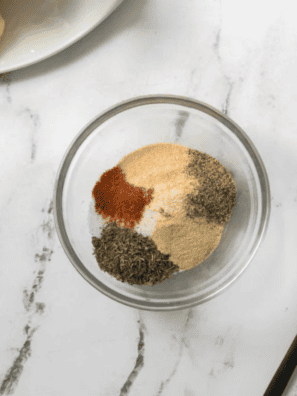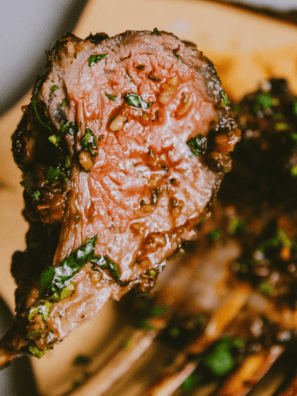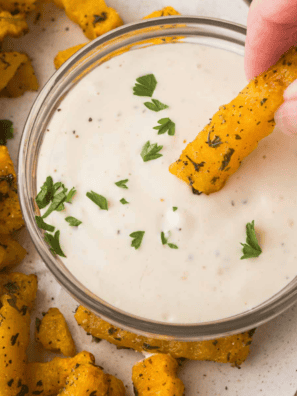
There’s a reason that black-and-red Kinder’s shaker keeps ending up in my cart. Santa Maria Style Seasoning is the one blend that makes a tri tip taste the way it’s supposed to taste — heavy on garlic, heavier on cracked black pepper, salty enough to build a real crust, with a lemony snap on the back end that most people can’t quite name.
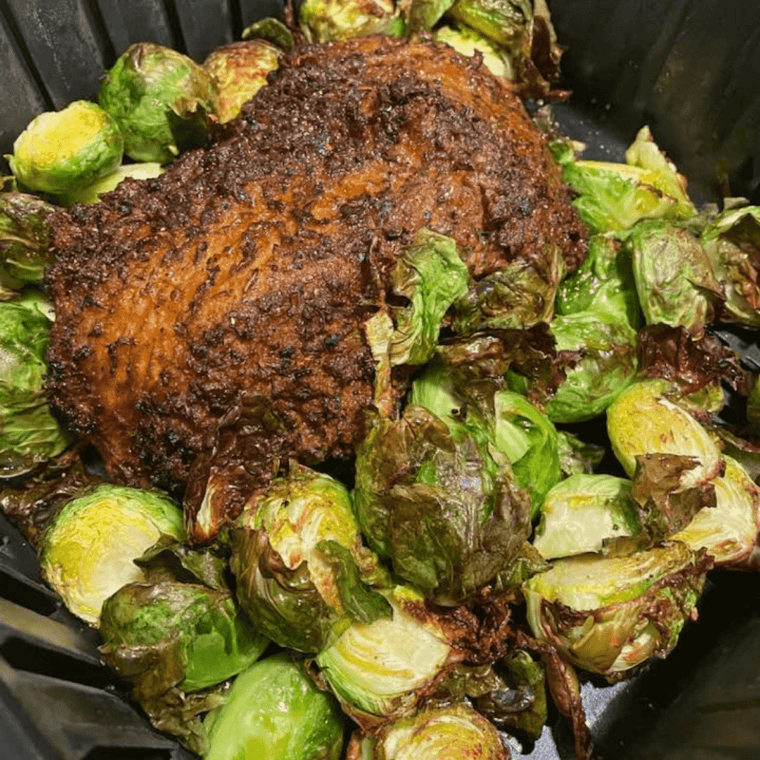
It’s also about eleven ingredients you already own, and you can mix a jar in five minutes.
This copycat Kinder’s Santa Maria seasoning costs roughly a third of what the shaker runs, contains nothing you can’t pronounce, and lets you set the salt exactly where you want it. Honest note before we go further: the commercial formula is proprietary, so this isn’t a molecular match. It’s a homemade version built from the label — salt, garlic, cane sugar, onion, black pepper, paprika, chili pepper, citric acid, and lemon oil — reverse-engineered into home measurements that taste right on beef.
Why This One Earns a Permanent Jar
- Five minutes, one bowl. Measure, whisk, jar. There’s no toasting, no grinding, no cooking.
- Real savings. A 7.6 oz shaker runs $9 or so. The same volume from bulk spices lands closer to $3.
- Salt on your terms. Store-bought blends lead with salt because salt is cheap. Cut it in half here and nothing else about the flavor changes.
- It’s genuinely all-purpose. Tri tip is the headline, but this goes on chicken, potatoes, shrimp, and eggs without complaint.
- It scales cleanly. Triple it for a quart jar, or portion it into 4-ounce jars for gifts.
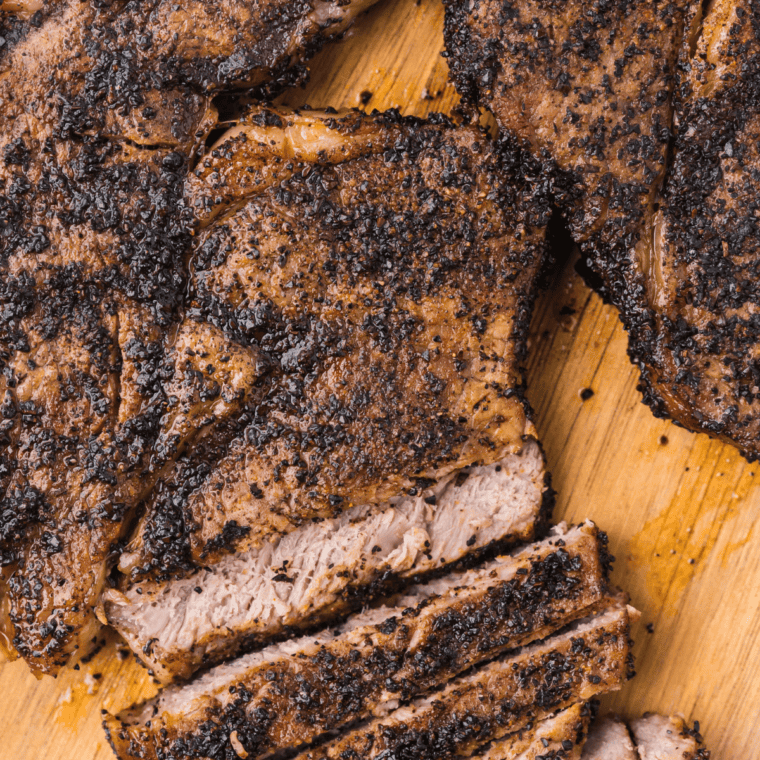
What Santa Maria Style Seasoning Actually Is
Santa Maria style barbecue comes out of the Santa Maria Valley on California’s Central Coast, where ranch cooks have grilled beef over coast live oak — locals call it red oak — since the 1800s. The seasoning philosophy is deliberately spare: salt, black pepper, garlic. That’s the whole traditional trinity. No sauce mopped on, no sweet bark, nothing that gets between you and the beef.
The cut at the center of it is tri tip, a triangular muscle off the bottom sirloin that a Santa Maria butcher popularized in the late 1950s by seasoning it with salt, pepper, and garlic salt and putting it over the fire instead of into the grinder. If you want the deeper background on the cut itself, I got into it in this slow cooker tri tip, including the grain-direction problem that ruins half of most people’s roasts.
Kinder’s — the Bay Area butcher shop founded in 1946 that turned into a spice brand — starts from that classic base and rounds it out. Their Santa Maria blend adds onion, a little cane sugar, paprika, a whisper of chili pepper, herbs, and then the part nobody guesses on the first taste: lemon, plus citric acid for actual tartness. That citrus edge is exactly what separates their shaker from plain garlic salt and pepper, and it’s the piece most homemade versions leave out.
Reading the Label: How I Built the Ratios
Ingredient lists are ordered by weight, which tells you most of what you need about proportions. Kinder’s leads with salt, then dehydrated garlic, then cane sugar and dehydrated onion, then black pepper, an unspecified spice blend, and paprika. Near the end — meaning small amounts — come citric acid, chili pepper, and lemon oil.
Translated into a home kitchen:
| What the label lists | What you’ll use | What it’s doing |
|---|---|---|
| Salt (first ingredient) | Fine sea salt | The backbone; carries everything else |
| Dehydrated garlic | Granulated garlic | Bigger presence than most people expect |
| Cane sugar | Turbinado sugar | Balances the salt, helps the crust brown |
| Dehydrated onion | Granulated onion | Savory depth behind the garlic |
| Black pepper | Coarse ground black pepper | Non-negotiable in Santa Maria style |
| “Spices” and herbs | Parsley, rosemary, celery seed | The herbal layer the label won’t spell out |
| Paprika | Sweet paprika | Color and mild sweetness |
| Citric acid + lemon oil | Citric acid + dried lemon zest | The bright finish people can’t place |
| Chili pepper | Cayenne | Warmth, not heat |
Worth noting how this sits next to Kinder’s other blends. The Blend is the stripped-down salt-pepper-garlic rub with nothing else in it. Woodfired Garlic takes that same base and pushes it smoky. Buttery Garlic and Herb softens it with dairy notes and sugar. Santa Maria is the one that goes bright — it’s the citrus in the lineup.
Ingredients
Makes about 1 cup, roughly one large shaker’s worth. Full measurements are in the printable recipe card at the bottom of the post.
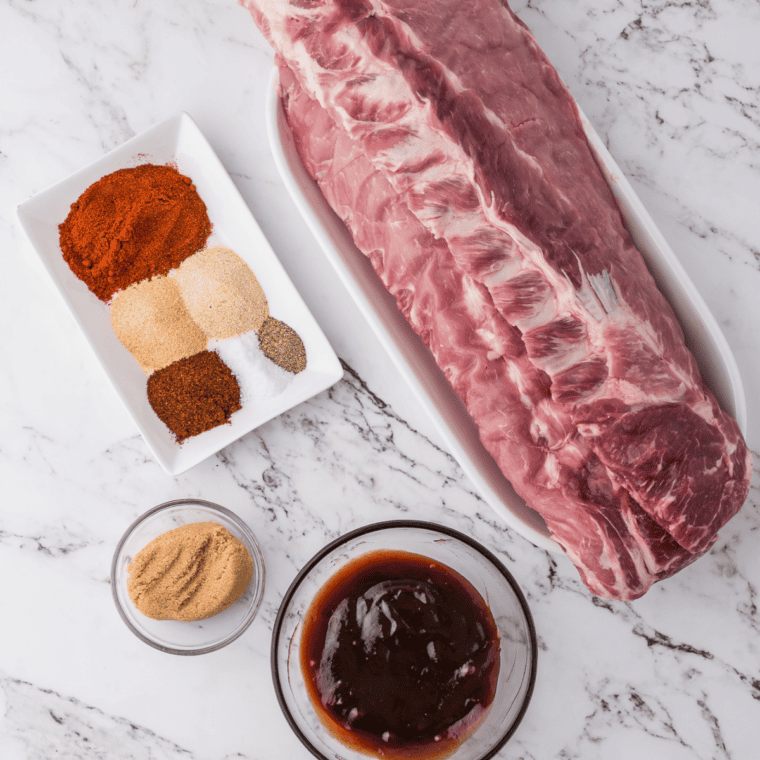
- Fine sea salt: The backbone of the blend and the first ingredient on the Kinder’s label for a reason. Salt doesn’t just make things taste salty — it makes beef taste more like beef, and it’s what lets this blend work as a dry brine instead of just a coating. Fine grain matters here because it distributes evenly and clings to meat instead of bouncing off.
- Granulated garlic: The second-biggest player, and a bigger presence than most people expect. Use granulated, not powdered. The coarser grind absorbs less moisture, resists clumping in the jar, and gives you actual texture in the crust rather than a dusty coating. It’s the same reason granulated garlic is the right call in Copycat Kinder’s The Blend Mix.
- Granulated onion: Savory depth sitting just behind the garlic. On its own you’d barely notice it, but pull it out and the blend goes flat and one-dimensional.
- Coarse ground black pepper: Non-negotiable in Santa Maria style. This is a pepper-forward blend, so the grind is doing real work — 16-mesh restaurant grind or freshly cracked peppercorns give you that speckled crust. Pre-ground pepper is dusty and tastes tired by comparison.
- Turbinado sugar: Just a tablespoon in a full cup, so it isn’t sweet. It balances the salt and helps the exterior brown into a proper crust.
- Sweet paprika: Color and a mild, round sweetness. Smoked paprika will pull the whole blend toward barbecue territory, which is the opposite of what Santa Maria is going for.
- Dried parsley: The green flecks. It’s partly visual, but crushed between your palms on the way into the bowl it also contributes a clean herbal note that keeps the blend from tasting like straight garlic salt.
- Citric acid: The secret weapon, and the ingredient most homemade versions skip. Salt makes food taste more like itself; acid wakes your whole palate up. It’s the same trick that makes Copycat Mrs. Dash taste like something despite having zero sodium. Look for it near canning supplies, sometimes labeled “sour salt.”
- Dried lemon zest: The flavor nobody guesses on the first taste. Kinder’s uses lemon oil; dried zest is the home equivalent, and the flavor lives in the peel’s oils, not the juice. If you want to dry your own, there are step-by-step instructions in Copycat McCormick Lemon Pepper Seasoning.
- Dried rosemary, crushed fine: Part of the “herbs” the label won’t spell out. Crush it well — whole needles in a rub are unpleasant to bite into.
- Cayenne pepper: Warmth, not heat. You shouldn’t taste it as spice at all, just a low hum underneath everything else.
- Celery seed (optional): That hard-to-place savory note that makes a blend read as commercial rather than homemade. It fills the vague “spices” gap on the label better than anything else.
Substitutions and Swaps
- Garlic powder for granulated garlic: Works, but cut it to about 2½ tablespoons since powder is more concentrated by volume. Expect more clumping over time.
- Onion powder for granulated onion: Same adjustment — reduce slightly and expect a finer texture.
- Granulated sugar for turbinado: A straight swap. Brown sugar also works but adds molasses depth that pulls it away from the original.
- Celery salt for celery seed: Use a scant ½ teaspoon and pull back on the sea salt slightly, the same balance used in Copycat Lawry’s Seasoned Salt.
- No citric acid: Skip it and finish the sliced meat with a squeeze of fresh lemon. Don’t add lemon juice to the jar — liquid clumps the blend and it won’t keep.
- Store-bought dried lemon peel for zest: Perfectly fine, and faster.
- Fresh garlic or onion: Never. Moisture in a dry blend means clumping and spoilage.
How to Make It
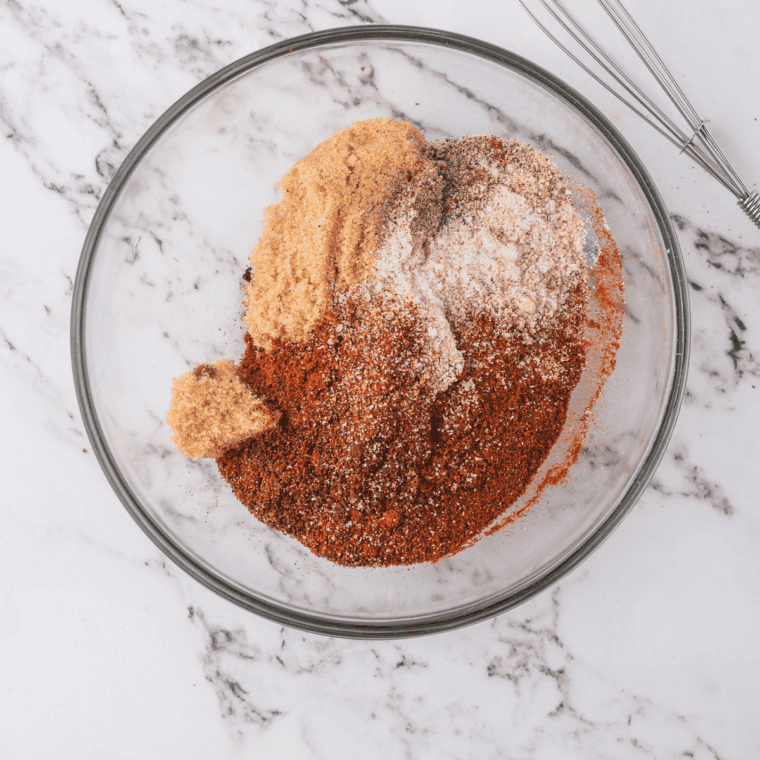
Step 1: Measure everything into a medium bowl. Break up clumps in the garlic and onion granules with your fingers as you go.
Step 2: Crush the herbs on the way in. Rub the parsley and rosemary between your palms directly over the bowl. It wakes up the oils and keeps stray rosemary needles out of your crust.
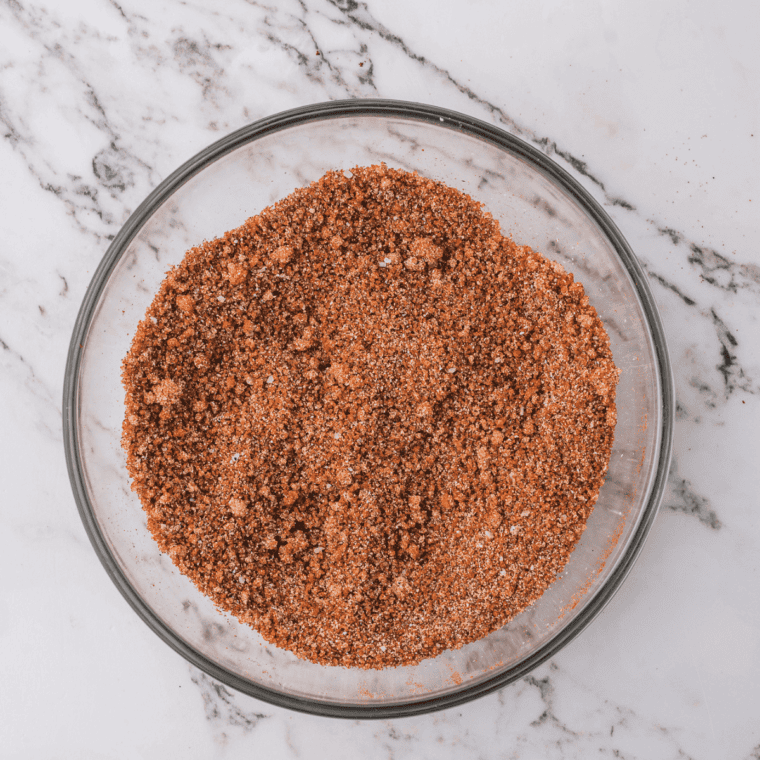
Step 3: Whisk for a full 30 seconds. Longer than feels necessary. The citric acid and cayenne are present in tiny amounts, and a concentrated stripe of either in one bite is unpleasant. You’re done when the color is completely uniform.
Step 4: Jar it. A wide-mouth half-pint mason jar holds this batch with a little room to spare. A shaker insert in the lid makes it feel like the real thing.
Step 5: Rest it overnight if you can. The lemon zest and rosemary perfume the whole blend after about 12 hours. Good immediately, better tomorrow.
How to Use Copycat Santa Maria Seasoning
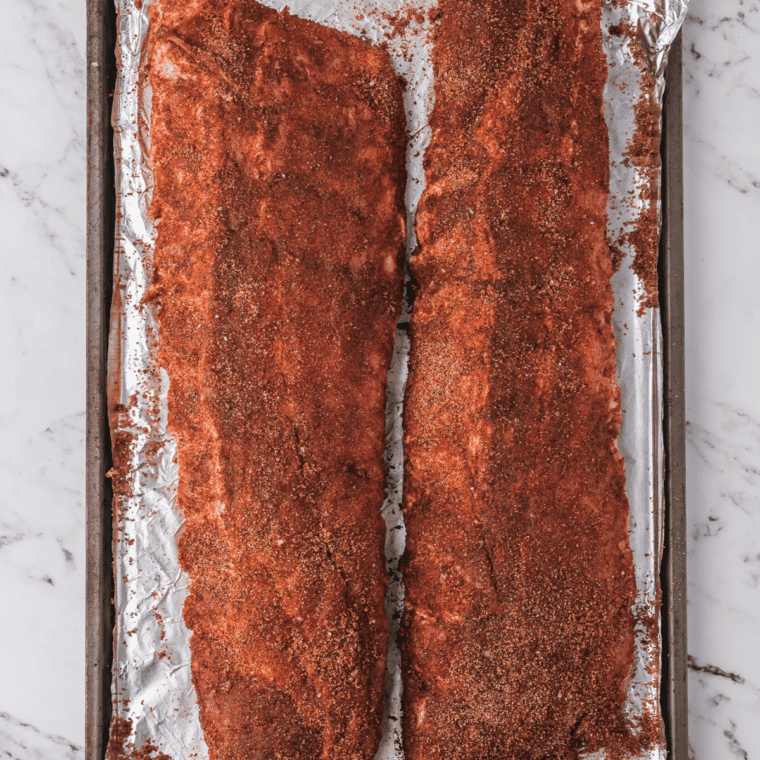
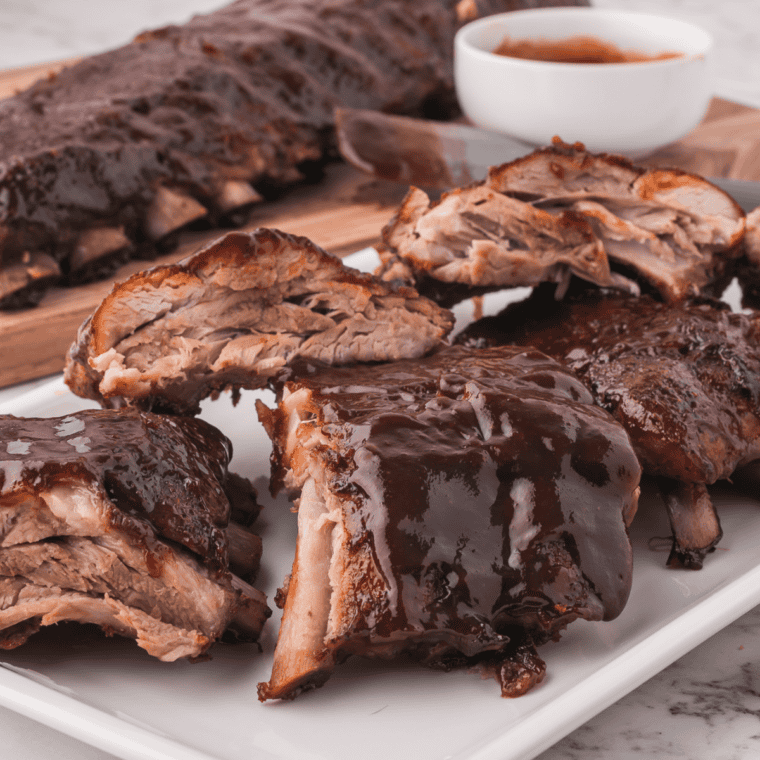
On tri tip, the way it’s meant to be used. About 1 tablespoon per pound. Pat the roast dry, coat every surface heavily, then leave it uncovered in the fridge for 4 to 24 hours. That’s a dry brine — the salt pulls moisture, dissolves in it, and gets reabsorbed, seasoning the beef all the way through while drying the surface for a better crust. It’s the same move that makes air fryer roast beef come out the way it does.
From there, pick your method. Air fryer tri tip is the fastest route and gets you a legitimate crust in a fraction of grill time. Slow cooker tri tip is the hands-off version, and this rub does real work there since a crock pot won’t build flavor on its own. Either way, pull at 130°F for medium-rare, rest 10 minutes, and cut the roast in half at the bend before slicing — the grain changes direction, and slicing straight through means half your roast is chewy no matter how well you cooked it.
Everywhere else it works:
- Chicken thighs — 2 teaspoons per pound, straight onto the skin
- Roasted potatoes — 1 tablespoon per 2 pounds; it’s excellent in place of the seasoning in air fryer garlic parmesan roasted potatoes, where the lemon cuts the richness of the cheese
- Fingerling potatoes — swap it for the rosemary-thyme mix in air fryer garlic roasted fingerling potatoes
- Smash burgers — season the outside only, right before they hit the griddle
- Shrimp and salmon — a light dusting before searing; the citrus earns its keep here
- Garlic bread — 1 teaspoon into ½ cup softened butter
- Popcorn — grind a tablespoon finer first so it clings instead of collecting at the bottom of the bowl
- Scrambled eggs — a small pinch, the way you’d use an all-purpose blend
Tips That Actually Change the Result
- Crack your own pepper. Whole peppercorns on the coarsest grinder setting are the single biggest upgrade available here. Pre-ground pepper is dusty and flat, and in a blend this pepper-forward you’ll taste the difference immediately.
- Don’t skip the citric acid. It’s the difference between “nice garlic rub” and “that’s the Kinder’s flavor.” If you truly can’t find it, a squeeze of fresh lemon over the sliced meat gets you partway.
- Press it in. Rub it on with your hands so the granules embed in the surface instead of sitting on top waiting to fall off.
- Keep it raw. This is an untoasted blend on purpose. Santa Maria seasoning should taste sharp and fresh, not roasty.
- Watch the sugar over open flame. There’s only a tablespoon in a full cup, so it’s not much — but on a screaming-hot grill, sugar scorches before beef finishes.
Variations
- Low-sodium — drop salt to 2 tablespoons and bump garlic to 4. Great as a finishing shake.
- Salt-free — omit salt entirely and salt the meat separately. Best for long cooks where you want total control.
- Spicy Santa Maria — double the cayenne, add 1 teaspoon crushed red pepper.
- Extra citrus — double the lemon zest and citric acid. Especially good on chicken and fish, and it lands in the same bright, lemon-forward territory as the copycat Dan-O’s.
- Coffee-crusted — add 1 tablespoon finely ground dark roast for a deeper steakhouse bark.
Storage
Airtight jar, cool dark cabinet, not above the stove where heat and steam will cake it and dull the pepper.
- Peak flavor: 3 months
- Still good: up to 6 months
- Safe but flat: past 6 months, once the pepper and lemon fade
If your kitchen runs humid and it starts clumping, drop a few grains of uncooked rice in the jar, or work ½ teaspoon of cornstarch into the blend as a natural anti-caking agent.
Frequently Asked Questions
What does Kinder’s Santa Maria Style Seasoning taste like? Salty and garlic-forward with a heavy cracked pepper backbone, a small amount of sweetness, and a bright citrus finish. It’s savory rather than sweet — nothing like a Kansas City–style sugar-heavy BBQ rub.
Is Santa Maria seasoning the same as steak seasoning? No. Most steak seasonings lean on coriander, dill seed, and coarse salt crystals. Santa Maria style is defined by garlic, black pepper, and salt, with herbs and citrus instead of warm seed spices.
Can I use garlic powder instead of granulated garlic? You can, but reduce it to about 2½ tablespoons since powder is more concentrated by volume, and expect more clumping over time.
What cut of meat is this for? Traditionally tri tip. It also works beautifully on top sirloin, flank steak, chicken, pork loin, and roast beef.
Is this recipe gluten free? Yes, as long as your individual spices are certified gluten free. There’s no wheat, soy, or dairy in the blend.
How much do I use per pound? About 1 tablespoon per pound for beef roasts, 2 teaspoons per pound for chicken and pork. Be more generous than feels right — a lot of it falls off during cooking.
Where do I find citric acid? The canning section of most grocery stores, often labeled “sour salt,” or online. One small container lasts years.
Can I make a big batch? Yes, it multiplies cleanly. A triple batch fills a quart jar. Just whisk longer at scale — big batches need more mixing, not less.
Copycat Kinder’s Santa Maria Style Seasoning
Description
Ingredients
- 5 tablespoons fine sea salt
- 3 tablespoons granulated garlic
- 2 tablespoons granulated onion
- 2 tablespoons coarse ground black pepper
- 1 tablespoon turbinado sugar
- 1 tablespoon sweet paprika
- 1 tablespoon dried parsley
- 1 teaspoon citric acid
- 1 teaspoon dried lemon zest
- ½ teaspoon dried rosemary, crushed fine
- ½ teaspoon cayenne pepper
- ½ teaspoon celery seed, optional
Instructions
- Add all ingredients to a medium bowl, crushing the parsley and rosemary between your palms as you add them.
- Whisk 30 seconds, until the color is completely even and no clumps remain.
- Transfer to an airtight jar or spice shaker. Rest overnight for best flavor.
- Store in a cool, dark place up to 6 months.
Equipment
- Mixing Bowl
- Whisk
Notes
Nutrition
Share this recipe
We can’t wait to see what you’ve made! Mention @forktospoon or tag #forktospoon!