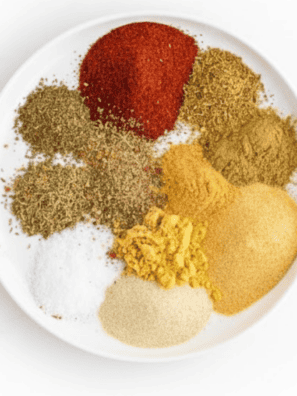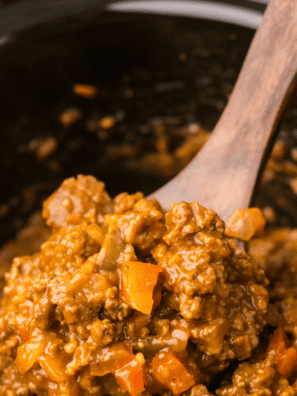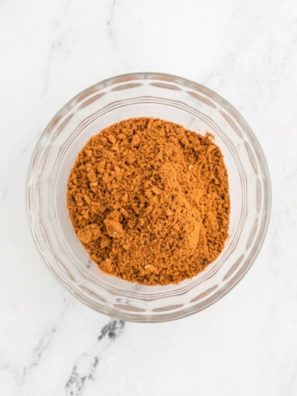
Homemade seasoning mixes take about 5 minutes, cost a fraction of store-bought packets, and let you control exactly what goes into your food. If you have a spice cabinet with garlic powder, onion powder, paprika, and a few dried herbs, you already have most of what you need for every blend on this list.
Those little envelopes in the spice aisle are convenient, but they often lean heavily on salt, starches, and anti-caking agents. When you mix your own, you decide how much sodium goes in, you can make it gluten-free or dairy-free, and you can turn up the heat or tone it down for picky eaters.
Below are 12 homemade seasoning mixes from Fork To Spoon that replace the packets you buy most: taco seasoning, ranch, onion soup mix, brown gravy, Alfredo, and seven more weeknight heroes. Each one links to the full recipe with exact measurements.
Here’s what makes homemade seasoning mixes worth it:
- Lower cost: One jar of homemade mix replaces several packets for about the same money as a single envelope.
- Less sodium: You set the salt level, or leave it out and salt the dish instead.
- No fillers: Skip the maltodextrin, MSG, and mystery “natural flavors.”
- Always on hand: A batch in the pantry means no last-minute grocery run.
- Customizable: Make it spicier, milder, smokier, or allergy-friendly.
12 Homemade Seasoning Mixes to Replace Store-Bought Packets
1. Homemade Taco Seasoning (Old El Paso Copycat)

Homemade taco seasoning is the gateway blend: once you make it, you’ll never buy another packet. This copycat version uses about 10 pantry spices, led by chili powder, cumin, and paprika, and seasons a full pound of ground beef. It’s lower in sodium than the original and free of fillers.
Use it for: ground beef or turkey tacos, taco salad, nachos, burrito bowls, seasoned rice, and roasted potatoes.
Get the Homemade Taco Seasoning recipe
2. Homemade Ranch Seasoning Mix

A classic dry ranch mix combines dried parsley, dill, chives, garlic powder, onion powder, salt, and pepper, with buttermilk powder if you want that signature tang. Roughly 2 tablespoons of homemade ranch mix replaces a standard 1-ounce packet.
Use it for: ranch dressing and dip, Mississippi pot roast, ranch crackers, roasted broccoli, popcorn, and chicken breading. Try it in Copycat Buc-ee’s Ranchin’ Saltines or Air Fryer Broccoli With Ranch Seasoning.
Turn it into creamy dressing with this Red Robin Ranch recipe
3. Homemade Onion Soup Mix (Lipton Copycat)

This onion soup mix gets its texture from dried onion flakes and its savory depth from beef bouillon, rounded out with onion powder, garlic powder, parsley, paprika, and pepper. It keeps for about 6 months in an airtight container.
Use it for: French onion dip, burgers, meatloaf, pot roast, onion-roasted potatoes, and slow cooker chicken.
Get the Lipton Onion Soup Mix Copycat recipe
4. Homemade Brown Gravy Mix (McCormick Copycat)

This brown gravy mix is a shelf-stable blend of flour, cornstarch, beef bouillon, and spices that turns into rich gravy with nothing but water. About 3½ tablespoons equals one 0.87-ounce packet and makes roughly 1 cup of gravy.
Use it for: mashed potatoes, Salisbury steak, pork chops, biscuits, poutine, and hot roast beef sandwiches. For creamy gravy, swap half the water for milk.
Get the Copycat McCormick Brown Gravy Mix recipe
5. Homemade Alfredo Sauce

Store-bought Alfredo packets are mostly modified corn starch, dry milk, and a little cheese. Making Alfredo from scratch with butter, garlic, cream, and real Parmesan takes about the same 10 minutes and tastes far richer.
Use it for: fettuccine Alfredo, chicken Alfredo bake, white pizza sauce, breadstick dip, and Alfredo baked potatoes.
Get the Easy Copycat Fazoli’s Alfredo Sauce recipe
6. Homemade Chili Seasoning Mix (McCormick Copycat)
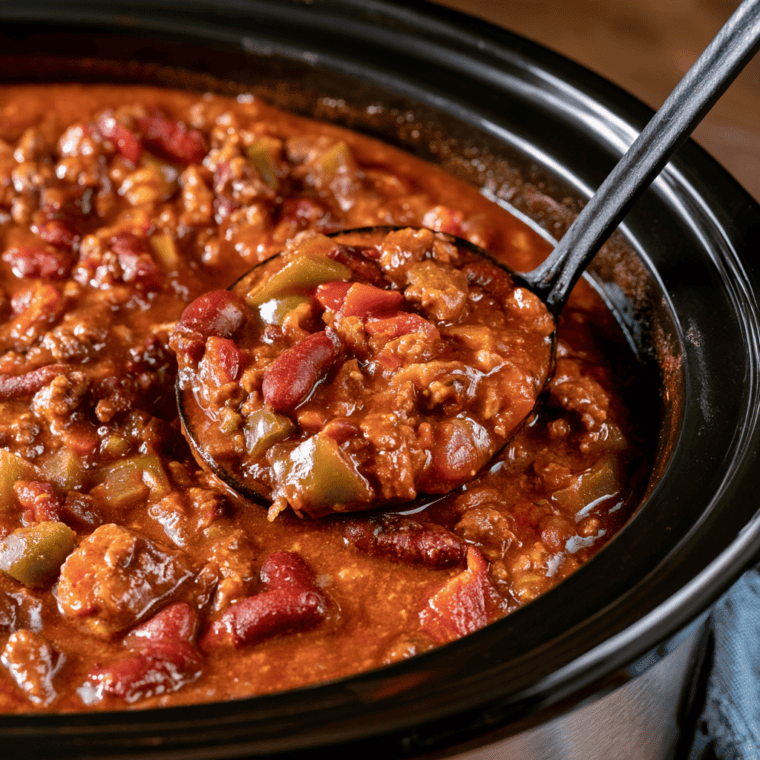
This smoky chili seasoning blends paprika, chili powder, cumin, garlic powder, and oregano, and one batch covers several pots of chili. Sprinkle it over browned meat and stir for a minute to bloom the spices before adding liquids.
Use it for: beef or turkey chili, chili mac, Frito pie, chili dogs, and taco soup.
Get the Homemade Chili Seasoning Mix recipe
7. Homemade Fajita Seasoning (McCormick Copycat)
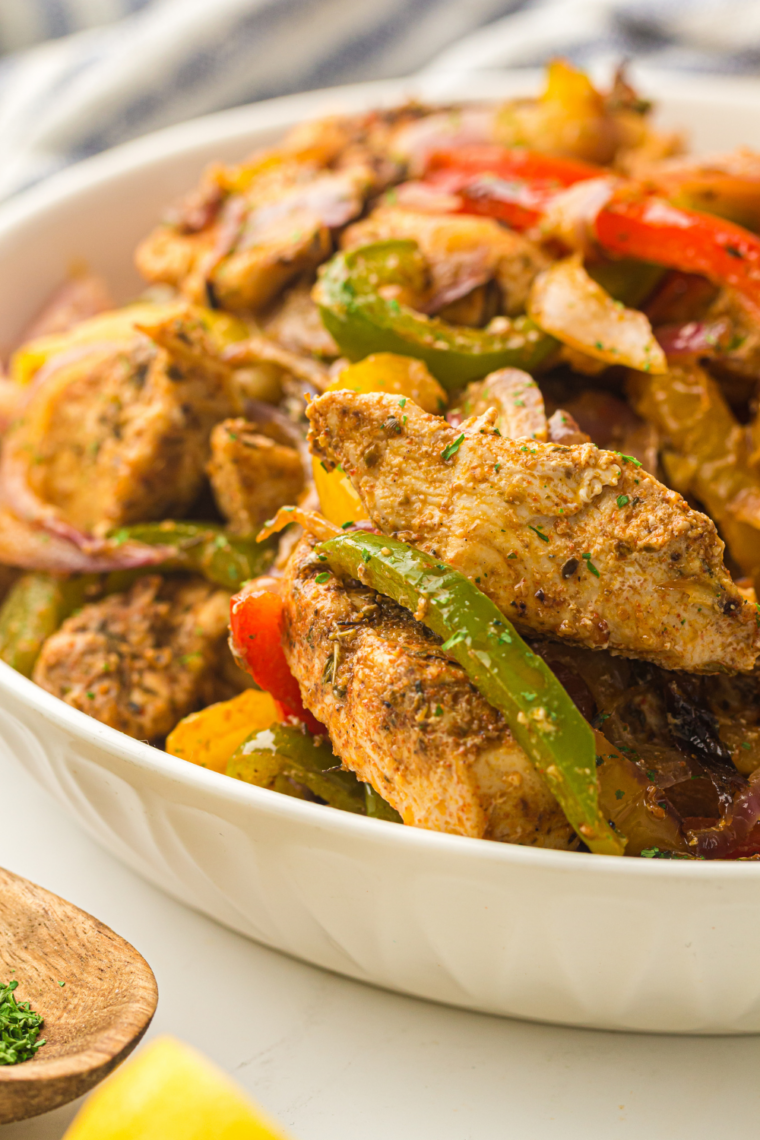
Cumin leads this fajita blend, with coriander, chili powder, paprika, and a pinch of cayenne behind it. About 4 tablespoons equals one 1.12-ounce packet.
Use it for: chicken, steak, shrimp, or veggie fajitas, sheet pan dinners, and quesadillas.
Get the Homemade Fajita Seasoning recipe
8. Homemade Sloppy Joe Mix

This sloppy joe mix uses 7 pantry spices, including brown sugar, smoked paprika, and cumin, for that sweet, smoky, tangy flavor. About ¼ cup plus 1 teaspoon equals one store-bought packet.
Use it for: classic sloppy joes, sloppy joe sliders, stuffed peppers, and sloppy joe tater tot casserole.
Get the Homemade Sloppy Joe Mix recipe
9. Best Meatloaf Seasoning

This meatloaf seasoning builds flavor with smoked paprika, garlic and onion powder, parsley, thyme, oregano, sage, ground mustard, celery seed, and a touch of brown sugar for a caramelized crust.
Use it for: beef or turkey meatloaf, meatballs, Salisbury steak, and burger patties.
Get the Best Meatloaf Seasoning recipe
10. Homemade Pot Roast Seasoning

This 9-spice pot roast seasoning starts with sweet paprika and Italian seasoning, then adds brown sugar and turmeric for a dark crust and a bronze gravy. Use 1 to 1½ tablespoons per pound of meat.
Use it for: chuck roast, brisket, pork shoulder, whole roast chicken, and Mississippi-style pot roast.
Get the Homemade Pot Roast Seasoning recipe
11. Homemade Old Bay Seasoning

This Old Bay copycat recreates the famous celery salt, paprika, and bay leaf blend from that yellow tin for much less money. It’s naturally gluten-free when your individual spices are.
Use it for: shrimp boils, crab cakes, fries, deviled eggs, corn on the cob, and Bloody Mary rims.
Get the Homemade Old Bay Seasoning recipe
12. Steak ‘n Shake Burger Seasoning

This diner-style burger seasoning uses 7 pantry staples: kosher salt, garlic powder, onion powder, black pepper, white pepper, paprika, and a little sugar. Keep a jar by the stove for smash burger night.
Use it for: smash burgers, steakburgers, patty melts, grilled chicken, and fries.
Get the Steak and Shake Burger Seasoning recipe
Bonus blends: Love seasoned fries? Try the Lawry’s French Fry Seasoning or the sweet-and-savory Copycat Wingstop Fry Seasoning.
How to Store Homemade Seasoning Mixes
Store homemade seasoning mixes in airtight glass jars in a cool, dark cupboard, and most will keep their best flavor for about 6 months. Ground spices don’t spoil, but they slowly lose aroma and color.
- Keep moisture out. Never shake a jar directly over a steaming pot. Steam gets inside and causes clumping.
- Label everything. Write the blend name, the date, and how much equals one packet on each jar.
- Refrigerate dairy blends. Ranch mixes made with buttermilk powder last longer in the fridge.
- Break up clumps. Mixes with brown sugar or bouillon may harden. Shake the jar or pulse it in a spice grinder.
- Start with fresh spices. A mix is only as good as its oldest ingredient. If your paprika has faded to brown, replace it.
Quick Packet Conversion Chart
| Homemade mix | Equals one store packet |
|---|---|
| Ranch seasoning | About 2 tablespoons (1 oz packet) |
| Brown gravy mix | About 3½ tablespoons (0.87 oz packet) |
| Fajita seasoning | About 4 tablespoons (1.12 oz packet) |
| Sloppy joe mix | About ¼ cup + 1 teaspoon |
| Taco seasoning | One batch seasons 1 lb of meat |
Sources: Fork To Spoon recipe pages linked above.
Frequently Asked Questions
Are homemade seasoning mixes cheaper than store-bought packets?
Yes. One jar of homemade seasoning mix typically replaces several packets for about the cost of one, especially if you buy spices in bulk.
How long do homemade seasoning mixes last?
Most homemade seasoning mixes stay fresh for about 6 months in an airtight container. Blends with dried dairy, like ranch with buttermilk powder, keep longer in the refrigerator.
Are homemade seasoning mixes healthier?
They can be. You control the salt, skip fillers like maltodextrin and MSG, and can make blends gluten-free or dairy-free. Check bouillon labels if you’re watching sodium or gluten.
Can I make these seasoning mixes without salt?
Yes. Leave the salt out of any blend and season the finished dish to taste. Mixes with bouillon, like onion soup mix and brown gravy, will still contain some sodium.
What’s the difference between taco seasoning and fajita seasoning?
Taco seasoning leans on chili powder and is built for ground meat. Fajita seasoning is more cumin-forward, often adds coriander and citrus, and suits sliced chicken, steak, and peppers.
Can I double or triple these recipes?
Absolutely. Every dry blend scales easily. Mix a big batch, then store it in labeled jars so you always have “packets” ready.
Ditch the Packets for Good
With these 12 homemade seasoning mixes in your pantry, taco night, pot roast Sunday, and a quick bowl of Alfredo are always 5 minutes away. Start with the blend your family uses most, likely taco seasoning or ranch, then build your homemade spice rack one jar at a time.
Which seasoning mix will you make first? Share it in the comments, and tag @forktospoon on Instagram when you whip up a batch. For more pantry staples, browse all the homemade seasoning recipes at Fork To Spoon.