If your Creami pints keep coming out icy, chalky, or weirdly crumbly, the odds are good that the problem isn’t your machine or your spin setting. It’s your milk.
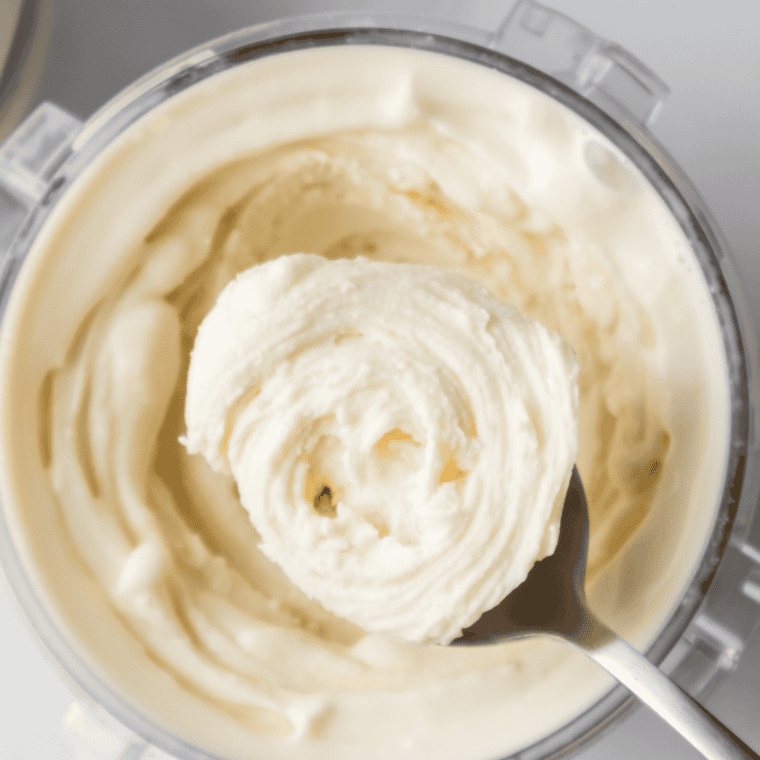
The Creami works differently from a traditional churner. A standard ice cream maker freezes your base slowly while agitating it, which keeps ice crystals microscopic and whips in air as it goes. The Creami does the opposite: it freezes your base into a solid brick, then shaves that brick into powder at high speed and compacts it back together. That means all the texture insurance has to be built into the base before it goes in the freezer. And the single biggest lever you have is what liquid you pour in.
The one principle that explains everything
Fat and milk solids make things creamy. Free water makes things icy.
Every liquid dairy or plant milk is mostly water. The difference between a silky pint and a snow cone is how much of that water is tied up by fat, protein, sugar, and stabilizers instead of freezing into crystals. Skim milk is roughly 91% water with almost nothing to bind it. Heavy cream is closer to 58% water with a huge amount of fat doing the binding.
So the question isn’t really “which milk is best” — it’s “how do I get enough fat and solids into the pint.” Once you see it that way, the whole chart below makes sense.
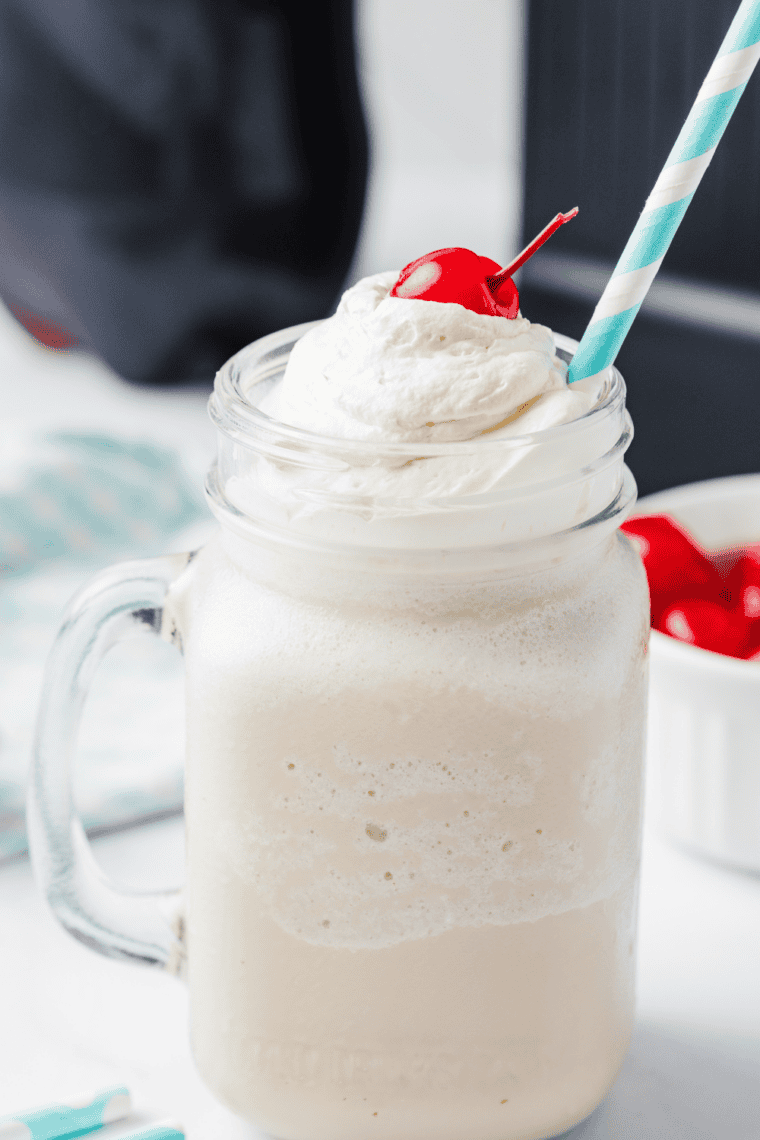
Dairy milks, ranked by what they actually do
Whole milk (3.25% fat) is the sensible default, but on its own it’s borderline. A pint of straight whole milk and sugar will spin up passable on the first try and then turn gritty by day two. It works best as the base of a blend rather than the whole story. Use it when you want a lighter gelato-style texture and you’re pairing it with something else on this list — the Ninja Creami Nutella Gelato is a good example of whole milk carrying a base with cream backing it up.
2% and skim will give you ice unless you intervene. That doesn’t mean don’t use them — it means you need to replace the missing fat with something. Milk powder, protein powder, a spoonful of cream cheese, or a pinch of xanthan gum all work. Skim alone is the number one cause of “why is my Creami making snow.”
Heavy cream is the fastest fix and the easiest to overdo. Straight cream in a pint gets waxy and coats your mouth unpleasantly, and it can start to churn toward butter under the paddle. Treat it as a booster, not a base: about 1/4 to 1/3 cup of cream topped up with whole milk to the fill line is a great all-purpose ice cream base. If you want to taste that ratio in its purest form, make Fior di Latte — it’s milk, cream, sugar, vanilla, and nothing to hide behind.
Half-and-half is the lazy person’s version of that blend, and it’s genuinely good. Around 10–12% fat, no math, no second container. If you want a one-ingredient dairy answer to this whole article, it’s half-and-half.
Evaporated milk is the underrated one. It’s milk with about 60% of the water removed, so you get concentrated milk solids without the water that would freeze into crystals. Swapping evaporated milk for regular milk in almost any Creami recipe measurably improves texture, and it brings a faint cooked-caramel note that’s lovely in vanilla, coffee, and butter pecan.
Sweetened condensed milk does double duty as sweetener and stabilizer — sugar depresses the freezing point, which keeps the pint softer and scoopable. A few tablespoons in a base is a classic trick. Just cut back your other sugar accordingly or it’ll be cloying.
Ultra-filtered milk (Fairlife and similar) is the protein-pint crowd’s favorite for good reason: more protein and less sugar than regular milk at the same fat level. That extra protein binds water and gives body. If you’re building high-protein pints, this is your base liquid — the GLP-1 Protein Ice Cream is built on exactly this principle.
Kefir, buttermilk, and Greek yogurt thinned with milk bring acidity and thickness. Excellent for anything fruit-forward or “cheesecake” flavored, where a little tang keeps the sweetness from going flat.
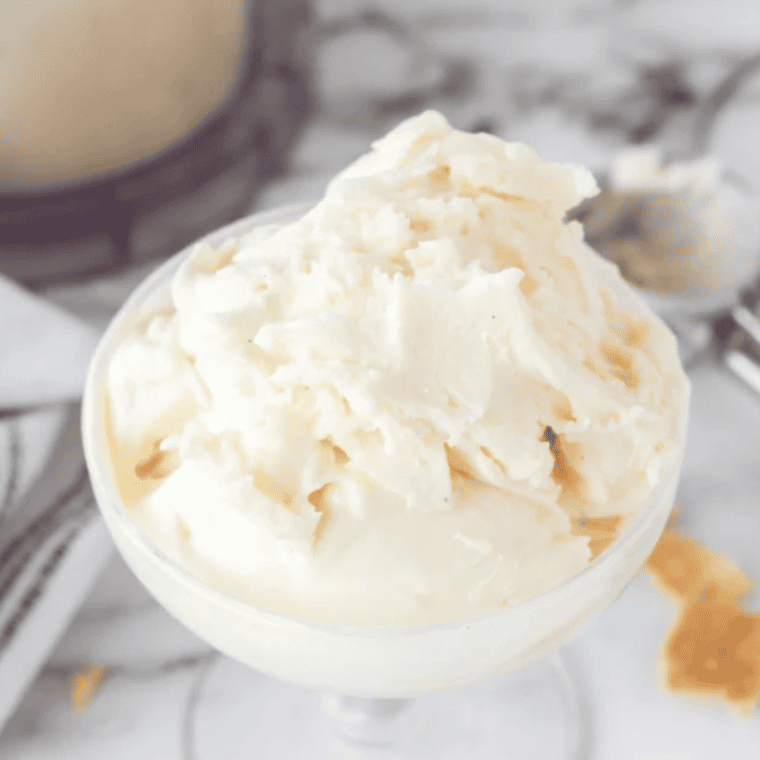
Non-dairy options
Oat milk is the best plant milk for Creami texture, full stop. It has more dissolved carbohydrate than the others, which behaves a lot like milk solids do. Reach for a barista edition — they’re formulated with extra fat and emulsifiers specifically to resist breaking, and that translates directly to a smoother pint.
Canned full-fat coconut milk is the richest non-dairy option by a wide margin and produces genuinely luxurious results. The tradeoff is that it tastes like coconut, so use it where that’s welcome: mango, chocolate, lime, matcha, pineapple. Shake or blend the can first so the fat cap is fully incorporated.
Soy milk has the best protein content of the plant milks, which gives it real structure. Slightly beany in delicate flavors; unnoticeable in chocolate or coffee.
Cashew milk is smoother than almond and works well when blended with a spoonful of cashew butter to bump the fat.
Almond milk is the hardest to make work. It’s mostly water with very little fat or protein — essentially the skim milk of the plant world. If it’s what you’ve got, add a tablespoon or two of nut butter, coconut cream, or a stabilizer, and expect to re-spin.
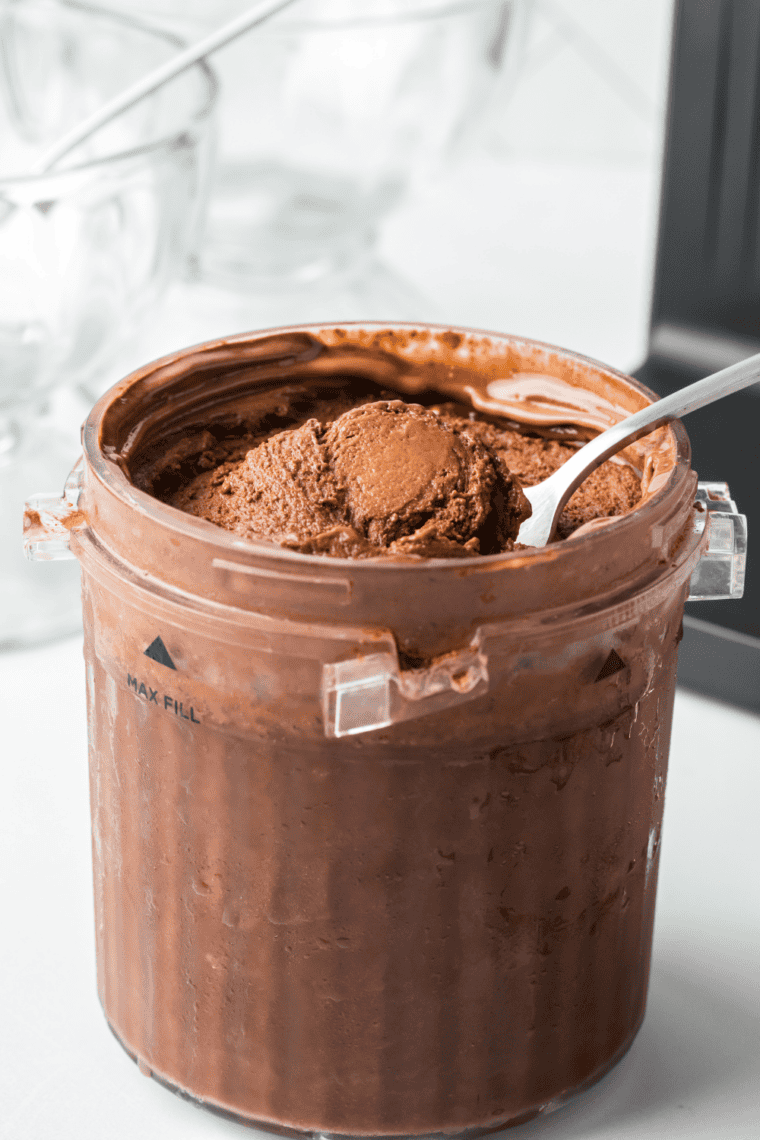
A base formula that works every time
For a standard 16 oz Creami pint, aim for something like:
- 12 oz of your primary milk (whole, half-and-half, evaporated, oat, or ultra-filtered)
- 2–4 oz of a fat booster (heavy cream, coconut cream, nut butter, cream cheese)
- 1/3 cup sweetener of some kind
- Optional insurance: 1/8 tsp xanthan gum, 2 tbsp nonfat dry milk powder, or 1 tbsp instant pudding mix
Blend it smooth, pour to — not past — the max fill line, freeze flat for a full 24 hours, and spin.
When it still comes out crumbly
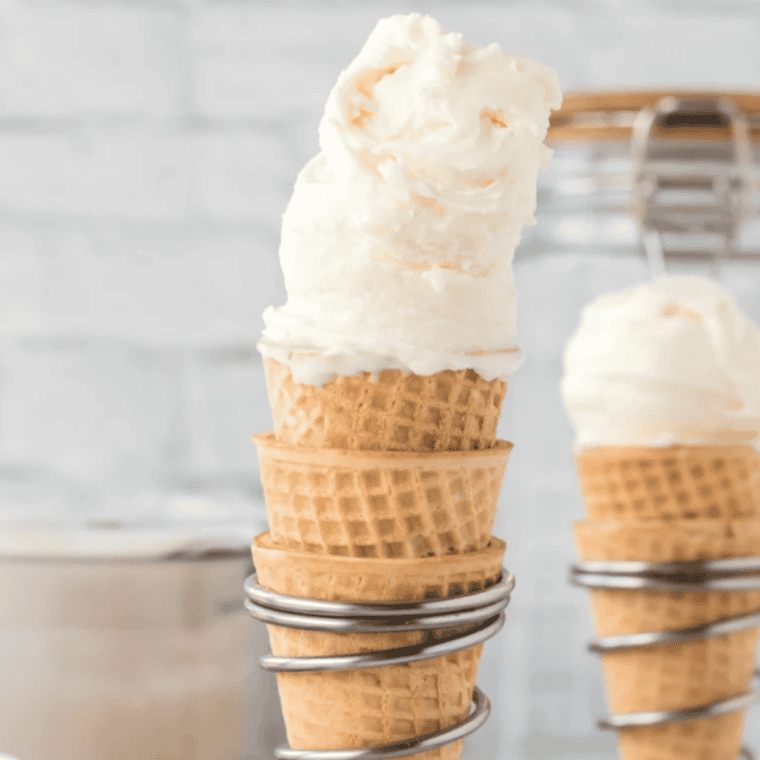
That powdery first spin is normal and not a failure. Add a splash of your milk — one to two tablespoons, right down the hole the paddle left — and hit Re-spin. Almost every icy pint is one re-spin away from being right — it’s such a standard step that recipes like Peach Gelato build it right into the instructions. If it’s still not there after two, the base was too lean, and you should add fat next time rather than spin a third time.
Two other habits worth building: let the pint sit on the counter for 5–10 minutes before spinning if your freezer runs very cold, and always freeze the pint on a level surface. A tilted, uneven brick shaves unevenly and gives you a pint that’s soupy on one side and frozen on the other.
The short version
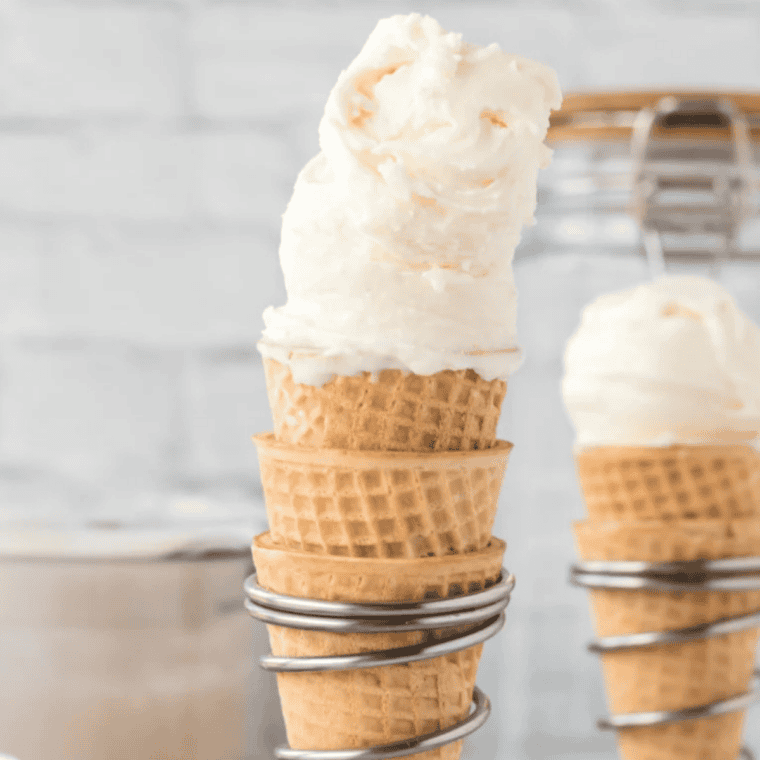
If you want one answer: half-and-half, or whole milk with a splash of heavy cream. If you want the best answer: evaporated milk plus a fat booster. If you’re going non-dairy: barista oat milk or canned coconut milk. And if you’re chasing macros: ultra-filtered milk plus a stabilizer.
Everything else is flavoring. Once you’ve got your base liquid sorted, go pick a flavor from the 75 Delicious Ninja Creami Recipes roundup and put it to work.