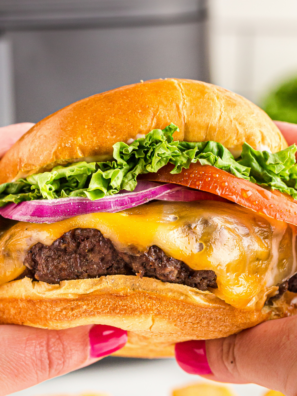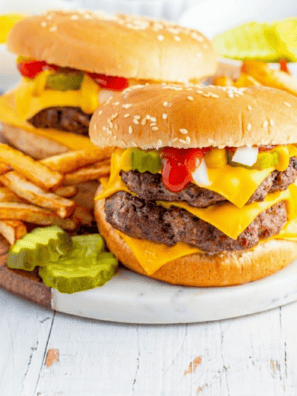
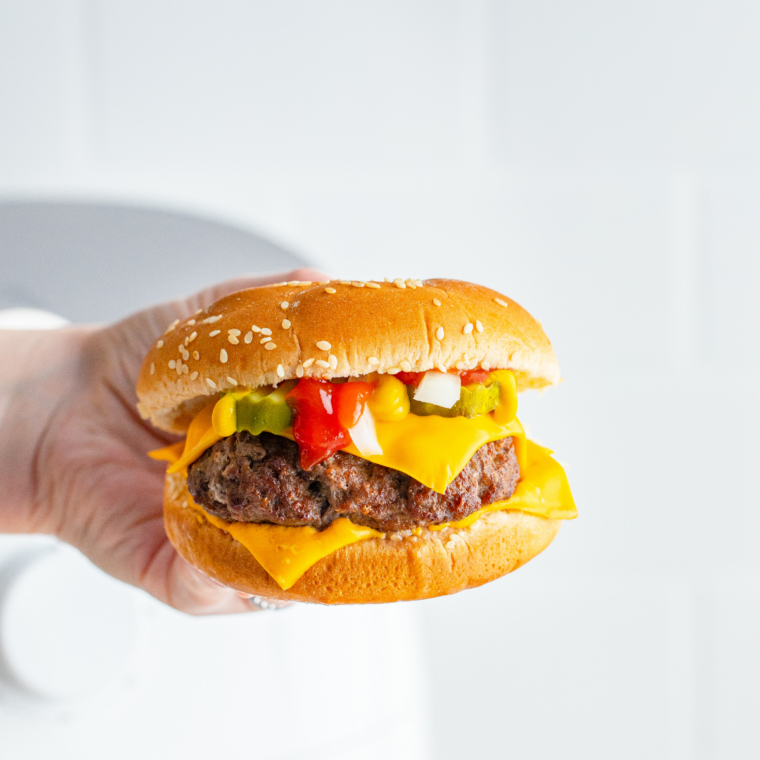
There’s a reason McDonald’s has sold over 300 billion hamburgers since 1955. That first bite hits something almost primal — the soft pillowy bun, the thin crispy patty, the bright tang of mustard, ketchup, pickles, and onions all colliding at once. It’s been engineered to be exactly that good, and we’ve all been trained to crave it.
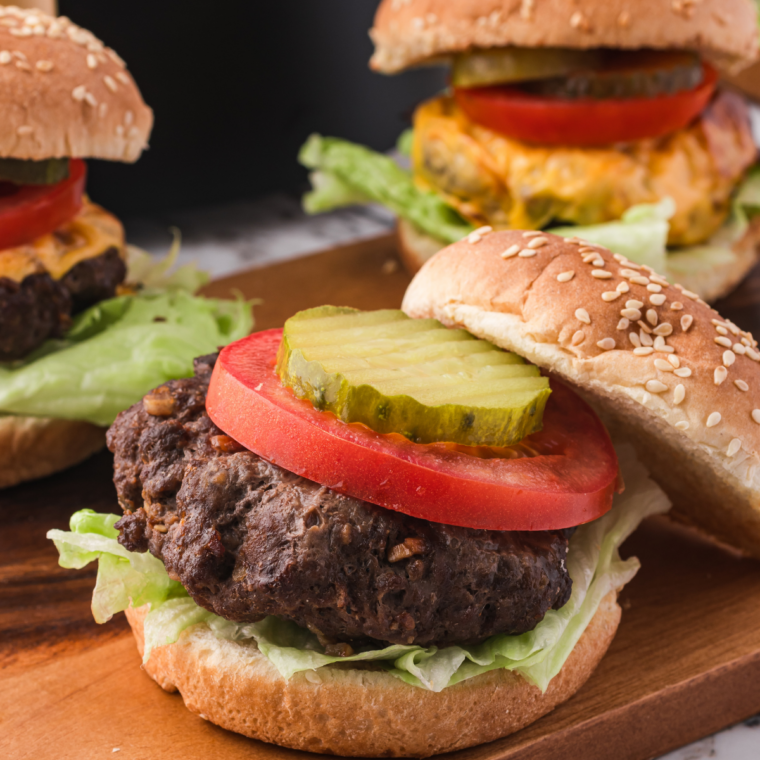
But here’s the secret nobody talks about: you can make this classic McDonald’s hamburger recipe at home — and it’ll be better than the original. Fresher beef. Hotter pan. Steamier bun. Same craveable flavor profile, dialed up to 11. This guide breaks down every detail that makes a McDonald’s hamburger taste like a McDonald’s hamburger, plus the small upgrades that let you outdo the drive-thru in your own kitchen.
By the end of this post, you’ll know:
- The exact ingredients McDonald’s uses (and the one you’re probably skipping)
- The smash technique that creates those signature crispy edges
- Why steaming the buns matters more than anything else
- The little 2-minute trick that takes your burger from “homemade” to “indistinguishable from the real thing”
Let’s build the perfect classic McDonald’s hamburger.
Why This Classic McDonald’s Hamburger Recipe Is Better Than the Original
I know what you’re thinking: how can a homemade version possibly beat decades of fast-food engineering? Three reasons:
1. The beef is fresher. McDonald’s patties are flash-frozen and reheated on a flat-top. Yours go from butcher counter to skillet in the same day. That alone is a flavor upgrade you can’t fake.
2. The pan is hotter. A home cast iron skillet on a hot burner runs hotter than the regulated commercial flat-top McDonald’s uses. Hotter pan equals deeper Maillard crust on the patty, which means more flavor in every bite.
3. The bun is steamier. Restaurant buns sit under a warming lamp. Yours come straight out of a steamer basket, pillowy and slightly tacky — exactly how they’re supposed to feel.
Everything else stays faithful to the original. This isn’t a “gourmet” makeover that swaps in brioche and arugula. It’s the classic, executed with sharper tools.
What Makes McDonald’s Hamburgers So Distinct
Before we get into the cooking, you need to understand what you’re targeting. The McDonald’s hamburger flavor is built on five very specific pillars:
- Ultra-thin patties that cook in seconds and develop crisp, lacy edges
- Steamed buns that are soft and pillowy, never toasted or crusty
- Rehydrated dried onions — yes, dried — which deliver that signature sweet, slightly funky aroma
- Salt and pepper only, applied after the smash, never before
- Tangy yellow mustard and ketchup in modest amounts, balanced by thin dill pickle slices
Nail those five elements and you’re 95% of the way there. Add the wrap-and-rest trick at the end, and you’re past 100.
Ingredients
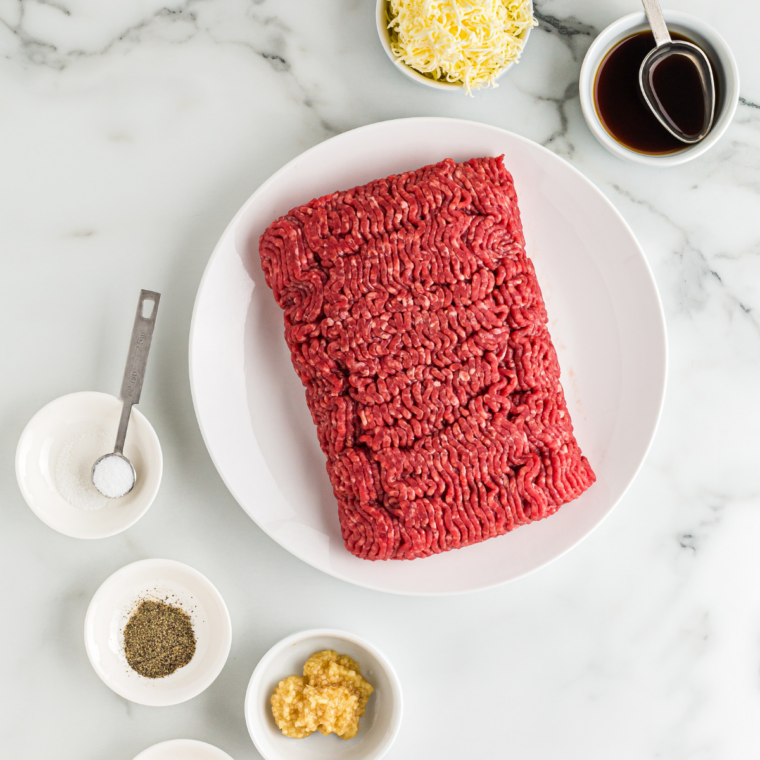
- Ground Beef: 80/20 chuck for juicy flavorful patties.
- Salt: Sharp seasoning that enhances beef richness.
- Black Pepper: Mild heat with deep savory notes
- Hamburger Buns: Soft plain buns for classic burgers.
- Dried Minced Onion: Rehydrated for bold savory flavor boost.
- Warm Water: Softens onion and releases full flavor.
- Dill Pickle Chips: Crunchy tangy bite in every layer.
- Yellow Mustard: Sharp tangy classic fast food taste.
- Ketchup: Sweet tangy sauce balancing savory beef flavor.
Equipment Needed:
- A heavy cast iron skillet or flat-top griddle
- A sturdy metal spatula (for smashing)
- A piece of parchment paper
- A pot with a steamer insert or microwave for the buns
How To Make Homemade McDonald’s Hamburgers
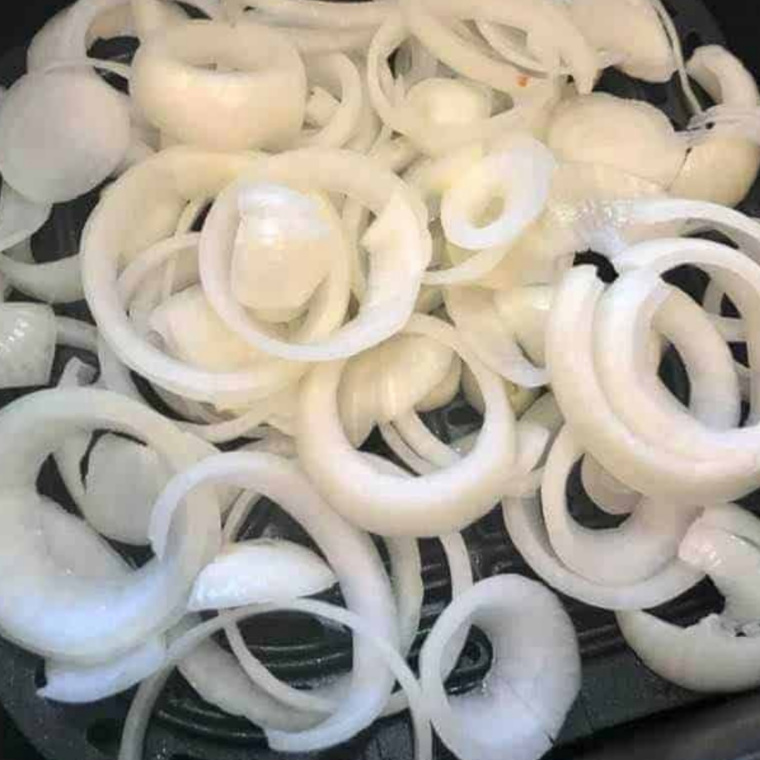
Step 1: Rehydrate the Onions: This is the single most-overlooked step in copycat recipes, and the one that will make people swear your burger tastes exactly like McDonald’s.
Place the dried minced onion in a small bowl and pour the warm water over it. Let it sit for at least 10 minutes while you prep everything else. The onions will plump up and turn translucent. Drain them well before using.
Why this matters: Fresh onions will not give you the same flavor. The drying process concentrates the sugars and develops a distinct sweet-savory aroma that’s central to the McDonald’s profile. This is the trick most home cooks skip — and it’s why their copycats never quite taste right.
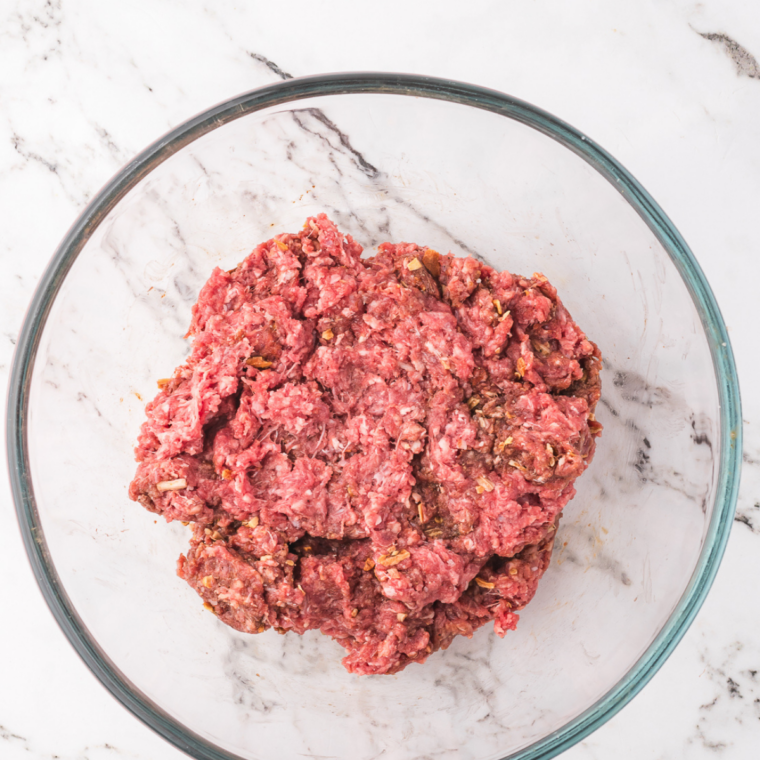
Step 2: Portion the Beef (Don’t Pack It)
Divide the ground beef into four equal balls, about 2 ounces (57g) each. McDonald’s patties are notoriously thin — these will look small in your hand, and that’s exactly right.
Critical rule: do not pack the meat tightly. Just loosely form rough balls. Tightly packed beef becomes dense and rubbery once smashed. You want craggy edges and a loose structure that will crisp beautifully when it hits the hot pan.
Season nothing yet. Salt draws out moisture, which prevents the crust from forming.
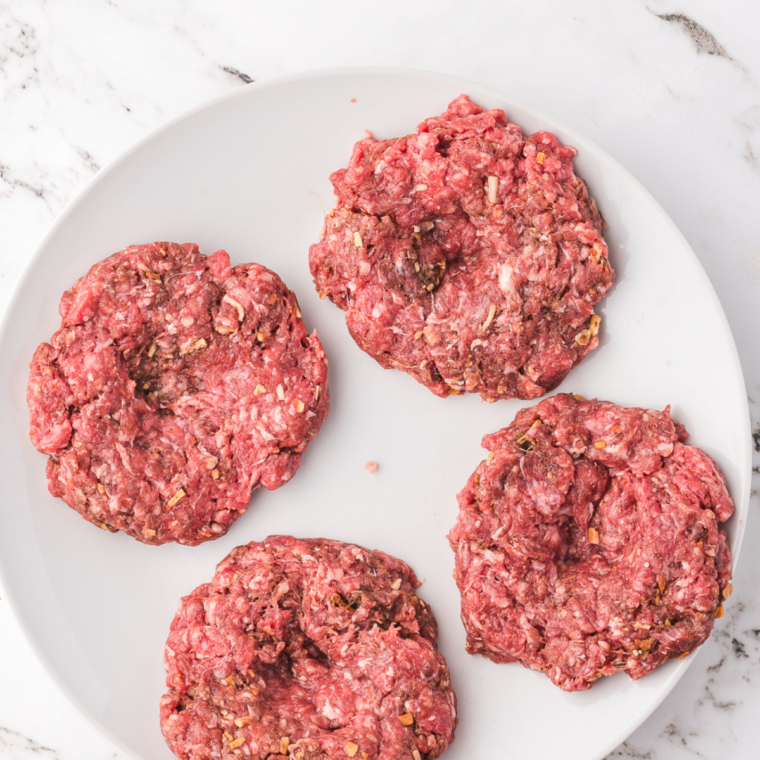
Step 3: Get the Pan Screaming Hot
Heat your cast iron skillet over high heat for at least 5 minutes. You want it ripping hot — when a drop of water bounces and sizzles violently across the surface, you’re ready. Do not add oil. The fat from the 80/20 beef is all you need.
Turn your vent fan on now. This is the part that smokes.
Step 4: Smash the Patties Place a beef ball on the hot pan. Lay a small square of parchment paper on top, then press down hard with a sturdy spatula until the patty is about ¼ inch thick and roughly 4 inches wide. Hold the pressure for a full 10 seconds. Lift the spatula, peel away the parchment, and repeat with the next ball.
The smash technique is what creates those signature crispy, lacy crusty edges. Don’t be timid — really lean into it.
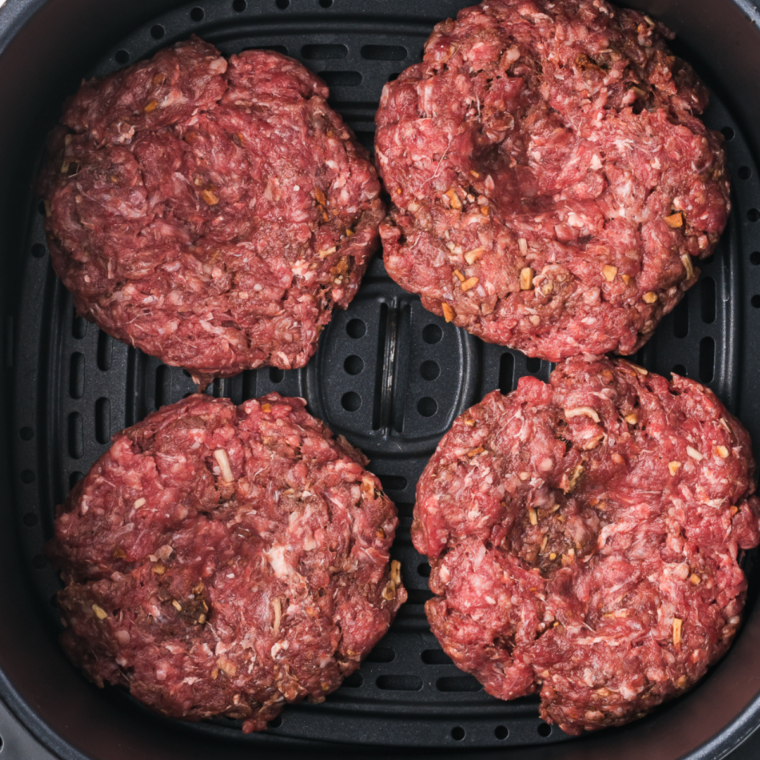
Step 5: Season, Then Flip
Now season generously with salt and pepper on the up-facing side. Cook for about 90 seconds, until the edges are dark brown and crispy and you can see the cooked color creeping up the sides.
Flip with confidence. The patty should release easily — if it sticks, give it another 10 seconds. Cook the second side for just 30 to 45 seconds. That’s it. These patties are too thin to overcook by more than a hair.
Want a cheeseburger? Add a single slice of American cheese (not cheddar, not anything fancy) directly on top of the patty right after flipping, and let it melt in the residual heat.
Step 6: Steam the Buns (Never Toast Them) While the patties finish, steam your buns. The easiest method: place them, cut-side up, in a covered steamer basket over simmering water for 30 seconds. Alternatively, wrap them in a slightly damp paper towel and microwave for 10 seconds.
Steamed buns are non-negotiable. Toasting them gives you a crusty bun, which is great for a gastropub smash burger but completely wrong for the McDonald’s profile. You want pillowy, slightly tacky bread that almost feels like it’s hugging the patty.
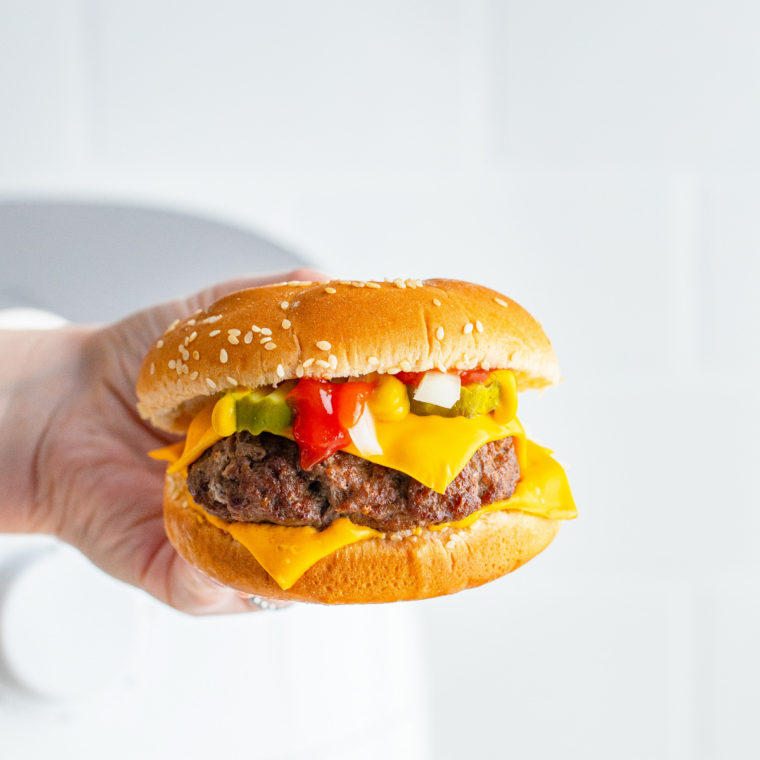
Step 7: Assemble in the Correct Order This matters more than you’d think. Build each burger from the bottom up:
- Bottom bun
- 1 teaspoon yellow mustard, in a swirl
- 1 tablespoon ketchup, in a swirl
- 1 generous pinch of the rehydrated onions
- 2 pickle chips
- The hot patty, straight from the pan
- Top bun
Wrap each finished burger in a square of parchment paper or wax paper and let it sit for 2 minutes before eating. This isn’t a gimmick — the resting period lets the bun absorb a little steam from the patty and softens everything into one cohesive bite. It’s the difference between a homemade burger and the burger.
Pro Tips for Going Even Deeper
- Beef quality is less important than fat ratio. Don’t splurge on grass-fed wagyu here — standard 80/20 chuck is perfect.
- If your patties shrink into balls instead of staying flat, your pan isn’t hot enough. A truly screaming pan locks the shape in immediately.
- Wrap and rest. That two-minute rest in paper is genuinely transformative. Skip it and you have a good burger. Do it and you have a McDonald’s burger.
- Want a cheeseburger? Add a single slice of American cheese (not cheddar, not anything fancy) directly on top of the patty right after the flip, and let it melt in the residual heat.
Common Mistakes to Avoid
Mistake 1: Using brioche buns. Brioche is buttery, eggy, and dense. McDonald’s uses a plain, lightly sweet, soft white bun. Save the brioche for a different burger.
Mistake 2: Salting the beef before smashing. Salt draws moisture. Pre-salted patties don’t crisp.
Mistake 3: Flipping too early. Wait until you see the crispy edges have darkened. If you flip and the patty stretches, give it more time.
Mistake 4: Using too much mustard or ketchup. McDonald’s is sparing with condiments. 1 tsp mustard, 1 tbsp ketchup. More than that and the bun gets soggy and the flavor goes off-balance.
Mistake 5: Skipping the rest. I know. I keep saying it. It’s that important.
More Copycat McDonald’s RecipesVariations on the Classic
Once you’ve nailed the classic, branch out:
- Cheeseburger: Add American cheese after the flip.
- Double cheeseburger: Two patties, two slices of cheese, double the toppings.
- Quarter Pounder style: Use 4-oz beef balls instead of 2-oz, smash slightly thicker, and add a slice of raw white onion alongside the rehydrated dried onion. Skip the pickles for a true Quarter Pounder profile.
- Big Mac style: Build with two patties, a middle bun, lettuce, special sauce, white onion, and pickles.
Frequently Asked Questions
What is the secret to McDonald’s hamburgers?
The secret is a combination of ultra-thin smashed patties cooked at extremely high heat, rehydrated dried onions (not fresh), steamed buns, and a precise topping ratio of yellow mustard, ketchup, and dill pickles. The patties are seasoned only with salt and pepper after smashing, never before.
What kind of meat does McDonald’s use?
McDonald’s uses 100% pure ground beef. For a classic copycat at home, use 80/20 ground chuck. The 20% fat content is essential for creating the crispy lacy edges when smashed on a hot pan.
Why does McDonald’s use dried onions instead of fresh?
The drying process concentrates the sugars and develops a distinct sweet, slightly funky aroma central to the McDonald’s flavor profile. Fresh onions have higher water content and a sharper bite that doesn’t replicate the signature taste.
How thin are McDonald’s hamburger patties?
About ¼ inch thick and 4 inches in diameter. Each patty weighs around 1.6 ounces (45g) before cooking. For a homemade version, smash 2-ounce beef balls to ¼ inch thickness.
Why are McDonald’s buns so soft?
Because they’re steamed, not toasted. Steaming adds moisture and creates the pillowy, slightly tacky texture that hugs the patty. For a copycat at home, steam your buns in a covered steamer basket for 30 seconds.
Can this recipe be made into a cheeseburger?
Yes. Add one slice of American cheese directly on top of the patty right after flipping, and let it melt in the residual heat during the final 30 to 45 seconds of cooking.
Related Recipes You’ll Love
- McDonald’s Buffalo Sauce
- Air Fryer Big Mac Wraps
- Copycat McDonald’s Quarter Pounder Recipe
- Best Smash Burger Recipe with Crispy Edges
- Red Lobster Cheddar Bay Biscuits Copycat Recipe
- Ninja Creami McDonald’s Chocolate Milkshake
- Ninja Creami McDonald’s Strawberry Milkshake
Media; Instagram, Facebook, and TikTok, and Join Our Facebook Page and group for all your Air Fryer Recipes and Tips!
Classic McDonald’s Hamburger Recipe: Better Than the Original
Description
Ingredients
- 1 pound ground beef, 450g ground beef, 80/20 chuck
- 1/2 teaspoon Salt, to taste
- 1/4 teaspoon freshly ground black pepper, to taste
- 4 plain hamburger buns, soft, no brioche
- 2 tablespoons dried minced onion
- 3 tablespoons warm water
- 8 dill pickle chips, thin, crinkle-cut
- 4 teaspoons yellow mustard
- 4 tablespoons ketchup
Instructions
- Rehydrate the onions. Combine dried minced onion and warm water in a small bowl. Let sit at least 10 minutes, then drain.
- Portion the beef. Divide ground beef into four loose 2-ounce balls. Do not pack tightly.
- Preheat the pan. Heat a cast iron skillet over high heat for at least 5 minutes until screaming hot. No oil.
- Smash the patties. Place a beef ball on the pan, top with parchment paper, and smash flat with a spatula. Hold pressure for 10 seconds.
- Season and flip. Salt and pepper the top. Cook 90 seconds until crispy edges form, then flip and cook 30 to 45 seconds more.
- Steam the buns. Steam over simmering water for 30 seconds, or microwave wrapped in a damp paper towel for 10 seconds. Don’t toast.
- Assemble. Build each burger: bottom bun, 1 tsp mustard, 1 tbsp ketchup, pinch of onions, 2 pickles, hot patty, top bun.
- Wrap and rest. Wrap each in parchment paper for 2 minutes before serving.
Equipment
- Skillet
- Tongs
- Mixing Bowl
- Spoon
Notes
Notes
- Use 80/20 chuck — leaner beef won’t crisp the same way.
- Dried onions are non-negotiable. Fresh onions taste completely different.
- Want a cheeseburger? Add a slice of American cheese right after the flip.
- Cheap, soft buns beat brioche every time for this style.
Nutrition
Share this recipe
We can’t wait to see what you’ve made! Mention @forktospoon or tag #forktospoon!