You filled the vessel, picked a program, waited an hour, and pulled the lever — and out came a cold drink instead of a slush. Frustrating, especially with a machine this expensive.
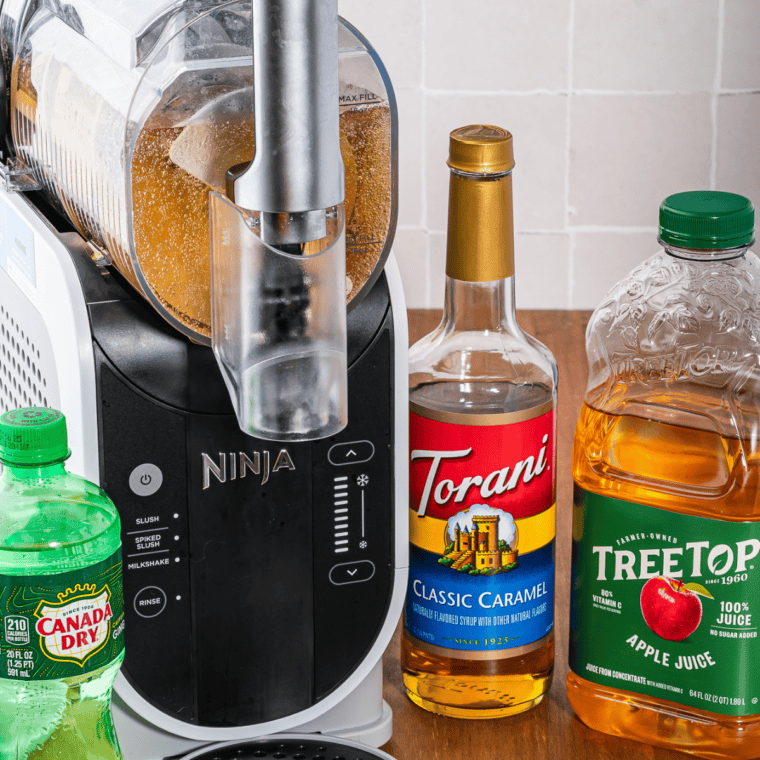
Here is the good news: in almost every case, the machine is working fine. The problem is the liquid you put in it. The Ninja Slushi is far pickier about what it will freeze than most people expect, and the manual buries the two rules that matter most.
Below are the seven causes, ordered from most common to least. Work down the list and you will almost certainly find yours in the first three.
The Short Answer
If you only read one paragraph: your drink probably does not have enough sugar in it, or it has too much alcohol. The Slushi does not freeze liquid into a block — it forms fine ice crystals suspended in syrup, and it needs dissolved sugar to do that. Diet soda, unsweetened tea, plain juice, and strong cocktails will spin for hours and stay liquid. Add sugar or cut the alcohol and the same machine will produce slush in twenty minutes.
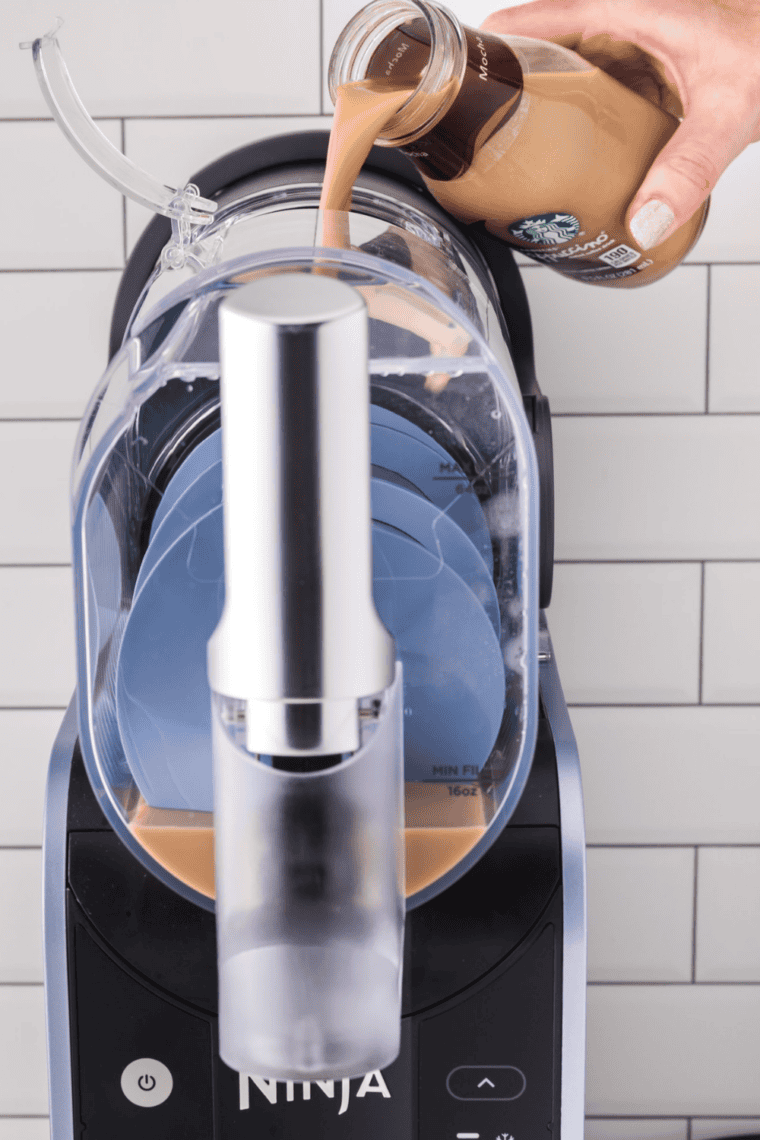
Fix 1: Add More Sugar (The Number One Cause)
This is the one that catches nearly everybody, and it is not a preference thing — it is physics.
The Slushi works by chilling liquid below freezing while an auger keeps scraping crystals off the wall. Sugar is what lowers the freezing point and keeps those crystals fine and slushy instead of letting the whole thing seize into solid ice or refuse to set at all. Without enough of it, the machine has nothing to build texture with.
What this means in practice:
- Diet and zero-sugar drinks will not work. Diet soda, sugar-free syrups, and unsweetened drink mixes are the single most common failed experiment. If you want a sugar-free slush, you need a sugar substitute that behaves like sugar structurally — allulose is the one that actually works. Erythritol, monk fruit, aspartame, and stevia do not provide the same effect on their own.
- Plain fruit juice is often borderline. Some juices have enough natural sugar; many do not, especially the no-sugar-added varieties.
- Coffee and tea need sweetening. Black coffee will not slush. Sweeten it properly before it goes in.
The fix: Add sugar, simple syrup, or allulose and re-run the program. Simple syrup is better than granulated sugar because it is already dissolved — undissolved granules sink and do not help.
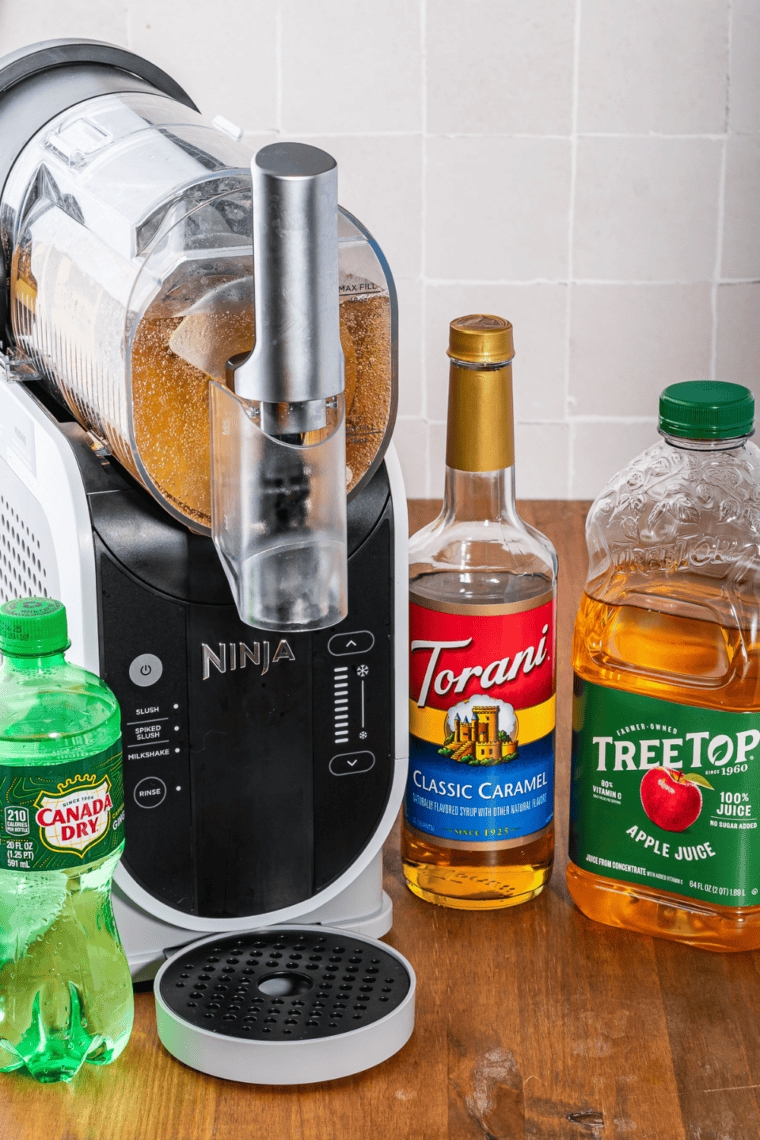
If you want to see what a naturally well-balanced base looks like, our Ninja Slushi Apple Cider Slush freezes beautifully without any added sugar at all, simply because cider already carries enough of its own.
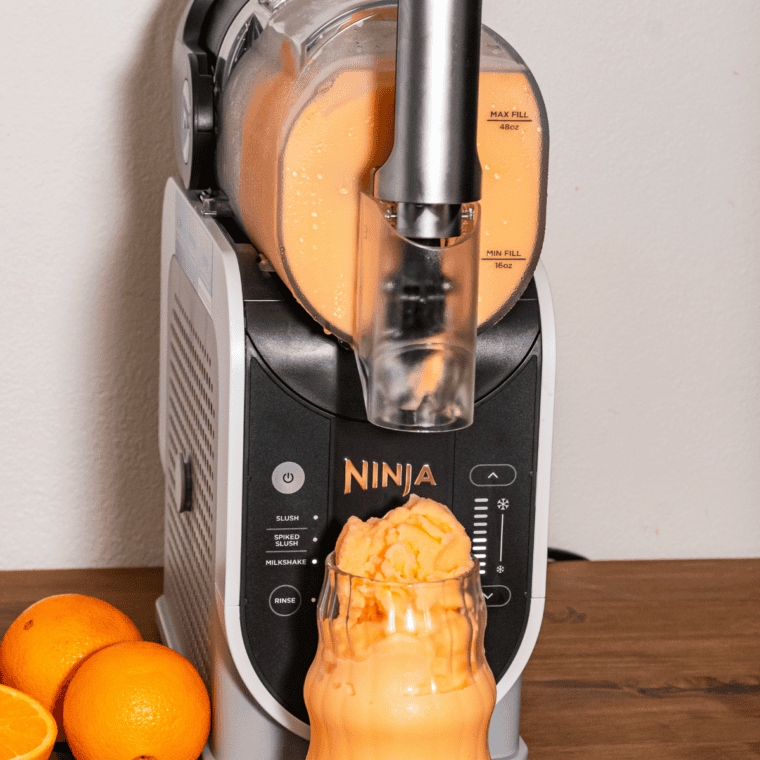
Fix 2: Cut the Alcohol
The second most common cause, and the reason a lot of first cocktail attempts fail.
Alcohol lowers the freezing point dramatically. A little is fine and the Spiked Slush program is built for it. Too much and the mixture simply cannot get cold enough to form crystals, no matter how long you run it.
The fix: Dilute it. Add more mixer, more juice, or more of the non-alcoholic base until the overall drink is lighter than what you would pour over ice. If you are used to a strong pour, this will feel wrong — do it anyway, and add a float on top after dispensing if you want the strength back.
This is exactly why our Ninja Slushi Hard Lemonade and Mango Margarita call for more mixer than you would expect. It is not a typo. It is the only way they freeze.
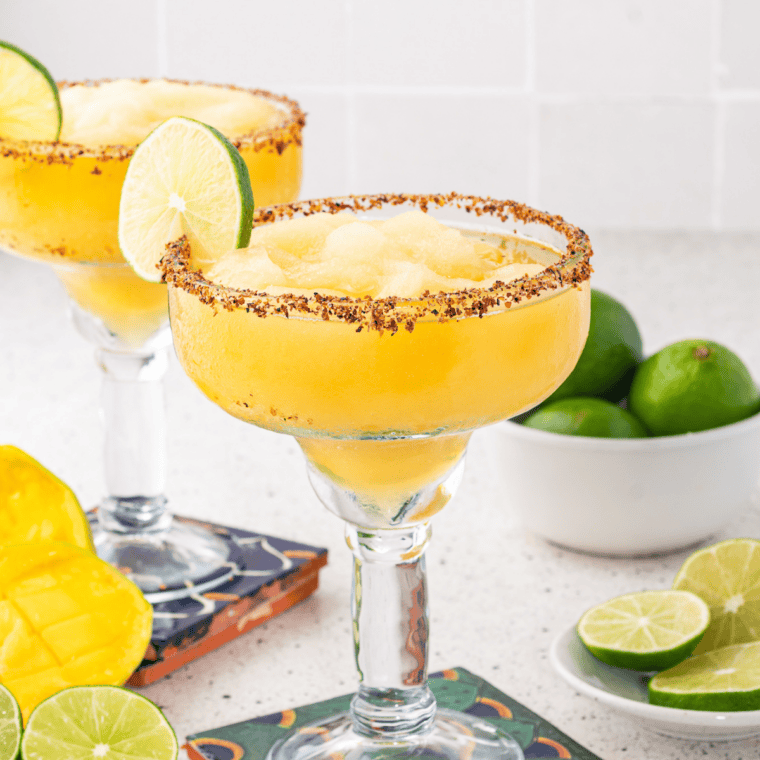
Fix 3: Check Your Fill Level
There are MIN and MAX lines on the vessel and both of them matter.
Below the MIN line, there is not enough liquid in contact with the chilled wall for the auger to work with, and the machine struggles to build anything.
Above the MAX line, there is too much volume for the unit to bring down to temperature in a reasonable time, and it may never get there.
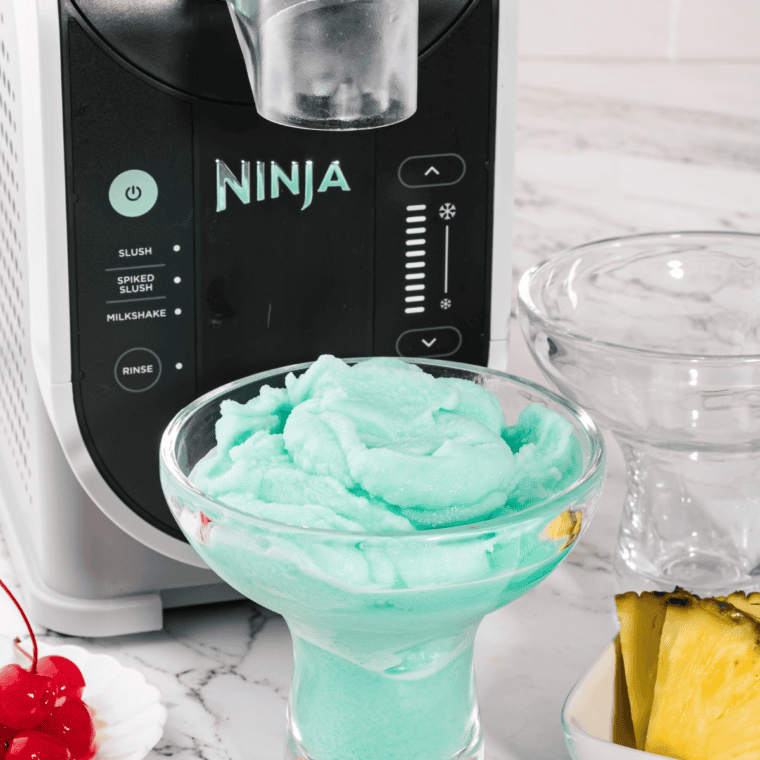
The fix: Top up or pour some off. When you are scaling a recipe, scale to the fill line rather than to a number of servings — that is the measurement the machine actually cares about. Our Ninja Slushi Blue Hawaiian is written this way, which is why it works the same whether you are running a small vessel or a large one.
Fix 4: Start with Cold Liquid
The Slushi will chill room-temperature liquid, but it adds a long time to the front end, and on a warm day it may never fully catch up.
The fix: Refrigerate your mixture before it goes in. Cold liquid in means a dramatically shorter run — often the difference between forty minutes and an hour and a half. If you are making a batch for guests, mix it the night before and chill it.
This is also why our Frosted Lemonade recipe starts with cold ingredients rather than room temperature ones.
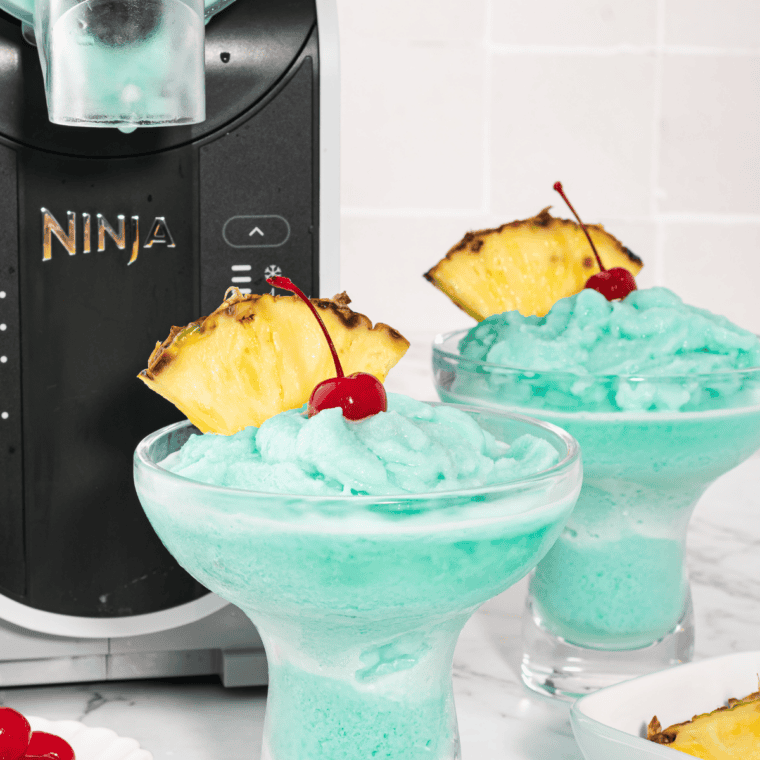
Fix 5: Give It More Time (And Stop Opening the Lid)
The Slushi is slower than people expect, and the temptation to check on it is strong.
Every time you lift the lid you let warm air in and reset progress. Every time you dispense a test pour, you remove chilled product and the machine has to work on what is left. Both of these are extremely common and both add serious time.
The fix: Set it and leave it. Depending on the program, the batch size, and the starting temperature, a full run can take anywhere from twenty minutes to well over an hour. Check it once at the halfway point if you must, then leave it alone.
Dairy bases are the exception worth knowing about — our Ninja Slushi Chocolate Milkshake comes together noticeably faster than a fruit slush, because milk and sugar together set up more readily than juice does.
Fix 6: Make Sure You Picked the Right Program
The programs are not interchangeable. Each one runs a different auger speed and target temperature calibrated for a specific kind of mixture.
- Slush is for sweetened non-alcoholic drinks.
- Spiked Slush is calibrated for alcohol and runs colder to compensate.
- Frozen Juice, Frappé, and Milkshake each target their own consistency.
Running a boozy drink on the standard Slush setting is a common mistake, and it will not freeze. Running a milkshake base on Slush will not work either.
The fix: Match the program to what is actually in the vessel. If you are making something with alcohol in it, use Spiked Slush — that is the whole point of it. And if you are making something dairy-based like our Ninja Slushi Banana Milkshake, run the Milkshake program rather than trying to force it through Slush.
Fix 7: Check Airflow, Placement, and Temperature
This one is rarer but real, and it is the fix people never think of.
The Slushi has a compressor, like a small refrigerator, and it vents heat. If those vents are blocked or the machine is crammed against a wall, it cannot shed heat and cannot get cold.
The fix:
- Leave several inches of clearance on all sides, especially the back.
- Keep it on a level surface. An unlevel machine can cause uneven contact and inconsistent results.
- Move it out of direct sunlight and away from the oven or dishwasher.
- On a very hot day in a warm kitchen, expect longer run times. This is normal.
- If the machine is brand new or was just transported, let it stand upright for a few hours before the first run. Compressor appliances need the refrigerant to settle, exactly like a new fridge.
Quick Diagnostic Checklist
Run through this before you start your next batch:
| Check | What you want |
|---|---|
| Sugar content | Sweetened noticeably more than you would drink it |
| Alcohol | Lighter than a normal pour; diluted well |
| Fill level | Between MIN and MAX, not eyeballed |
| Starting temp | Refrigerator cold, not room temperature |
| Program | Spiked Slush if there is alcohol in it |
| Lid | Closed, and staying closed |
| Placement | Level, vented, out of the sun |
Frequently Asked Questions
Can I make a sugar-free slush in the Ninja Slushi? Yes, but only with allulose. Most other sweeteners — erythritol, monk fruit, stevia, aspartame — sweeten without doing the structural work sugar does, so the mixture will stay liquid. Allulose is the one that behaves closely enough to sugar to produce real slush.
Why won’t diet soda freeze in my Slushi? Same reason. Diet soda has essentially no sugar in it, so there is nothing to build slush texture from. Use regular soda, or add allulose to the diet version.
My drink froze solid instead of turning slushy. What happened? The opposite problem — usually too much sugar, or a mixture with very little else in it. Dilute it slightly with water or unsweetened liquid and re-run.
How long should the Ninja Slushi take? It varies a lot with program, batch size, and starting temperature. Cold liquid in a full vessel is much faster than room-temperature liquid. If you are past an hour with no progress at all, the problem is the recipe, not the wait.
Can I put ice in it? No. The Slushi chills the liquid itself, which is the entire point of the machine. Adding ice dilutes the drink and interferes with the auger.
Is my machine broken? Almost certainly not. If it is running, chilling, and the auger is turning, it is working. Nine times out of ten a “broken” Slushi is a sugar or alcohol problem. If it will not power on, makes a grinding noise, or shows an error code, that is a different issue and worth contacting Ninja support.
Now Go Make Something That Works
Once you understand the rules, this machine is genuinely excellent — and the fastest way to build confidence is to run a recipe that is already balanced correctly rather than converting one of your own on the first try. Our Ninja Slushi Frosted Lemonade is the one I hand to every new owner: no alcohol to complicate things, plenty of sugar, and it sets reliably every single time. Get one good batch under your belt, then start experimenting.