This copycat Kinder’s lemon pepper seasoning takes five minutes, uses real dried lemon zest instead of citrus flavoring, and costs a fraction of the bottle. Coarse cracked pepper, bright lemon, a savory garlic backbone — no dyes, no anti-caking agents, and you decide how salty it gets.
Kinder’s version is noticeably coarser and more garlic-forward than the lemon pepper most people grew up with, and that’s the profile this recipe chases. If you’ve been buying the bottle, you already know the difference. If you haven’t, this is just a very good homemade lemon pepper seasoning either way.
Why You’ll Love This Recipe
- Real lemon, not “natural lemon flavor.” Dried zest gives you the aromatic oils the bottle approximates.
- Coarse, not dusty. Cracked pepper you can actually see, which is what makes Kinder’s version distinct.
- You control the salt. Most commercial lemon pepper is salt first, flavor second.
- No yellow dye. Store lemon pepper is often colored; this one gets its color from the zest itself.
- Five minutes of active work, and it fills a standard spice jar.
What Is Lemon Pepper Seasoning Made Of?
Lemon pepper seasoning is a blend of coarse black pepper, dried lemon zest, and salt, usually rounded out with citric acid, sugar, onion, and garlic. The citric acid is the piece most people miss — it delivers the tangy, lingering brightness that dried zest alone can’t, because zest brings aroma while acid brings the sour edge your tongue actually registers.
Kinder’s take leans coarser and more savory than the classic supermarket version, with more garlic presence and a visible grind. That’s what we’re building here.
Ingredients
Makes about ½ cup.
- Dried lemon zest: the foundation. Zest four to five lemons with a microplane, avoiding the bitter white pith, then dry it (method below). Store-bought dried lemon peel works as a shortcut.
- Coarsely ground black pepper: crack it yourself on the coarsest setting. Pre-ground dust changes both the look and the bite, and this is the ingredient carrying the blend.
- Kosher salt: coarse, to match the texture of everything else. Start light — you can always salt the food directly.
- Citric acid: the quiet hero. Without it the blend tastes like lemony pepper rather than lemon pepper. Find it near canning supplies or in the baking aisle.
- Granulated garlic: granulated rather than powder, so it stays visible in the mix and reads as coarse.
- Onion powder: background savory depth.
- Granulated sugar: a small amount to round the acid. It isn’t there to sweeten.
How to Make It
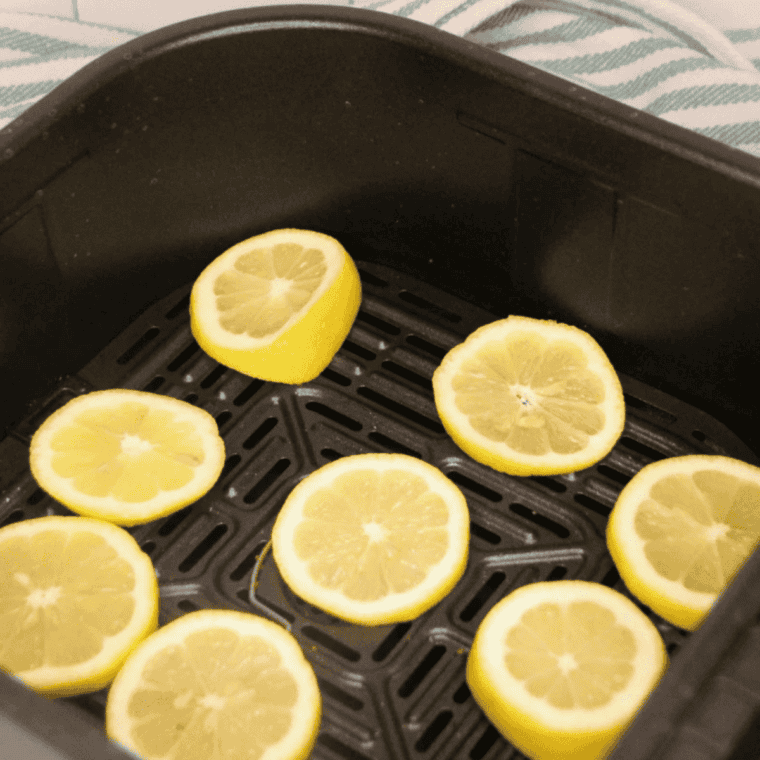
Step 1: Dry the lemon zest. Spread fresh zest on a parchment-lined sheet and dry at 200°F for 30 to 45 minutes until brittle, or leave it out overnight. It’s done when it crumbles between your fingers rather than bending. Skip this by using store-bought dried lemon peel.
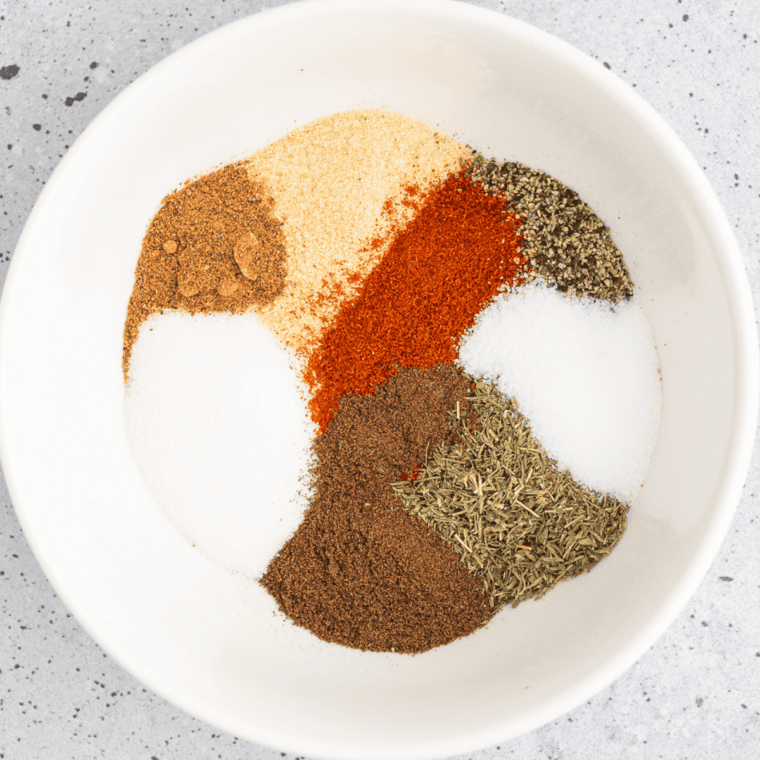
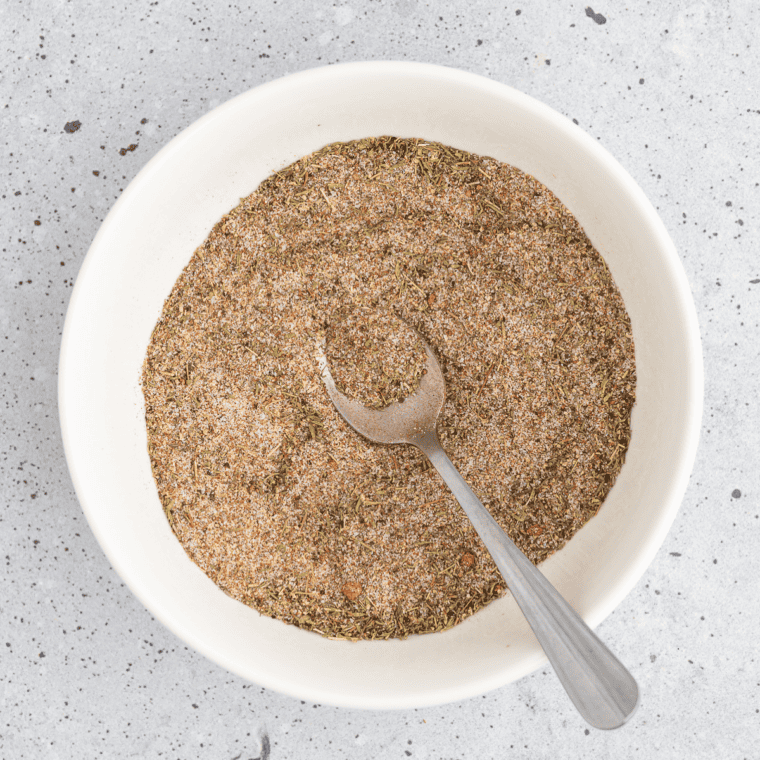
Step 2: Combine. Add the dried zest, pepper, salt, citric acid, garlic, onion powder, and sugar to a small bowl.
Step 3: Whisk, don’t grind. Stir until evenly distributed. Resist the urge to run it through a spice grinder — the coarse texture is the entire point of the Kinder’s-style version. If you want a finer blend for fish or vegetables, pulse it two or three times, no more.
Step 4: Store. Airtight jar, cool dark cabinet, up to six months. The zest fades first, so if it stops smelling like lemon when you open it, make a fresh batch.
How to Use It
Roughly 1 tablespoon per pound of protein. It’s best applied before cooking the pepper toasts, but it’s also excellent sprinkled on afterward — lemon pepper is one of the few blends that works both ways.
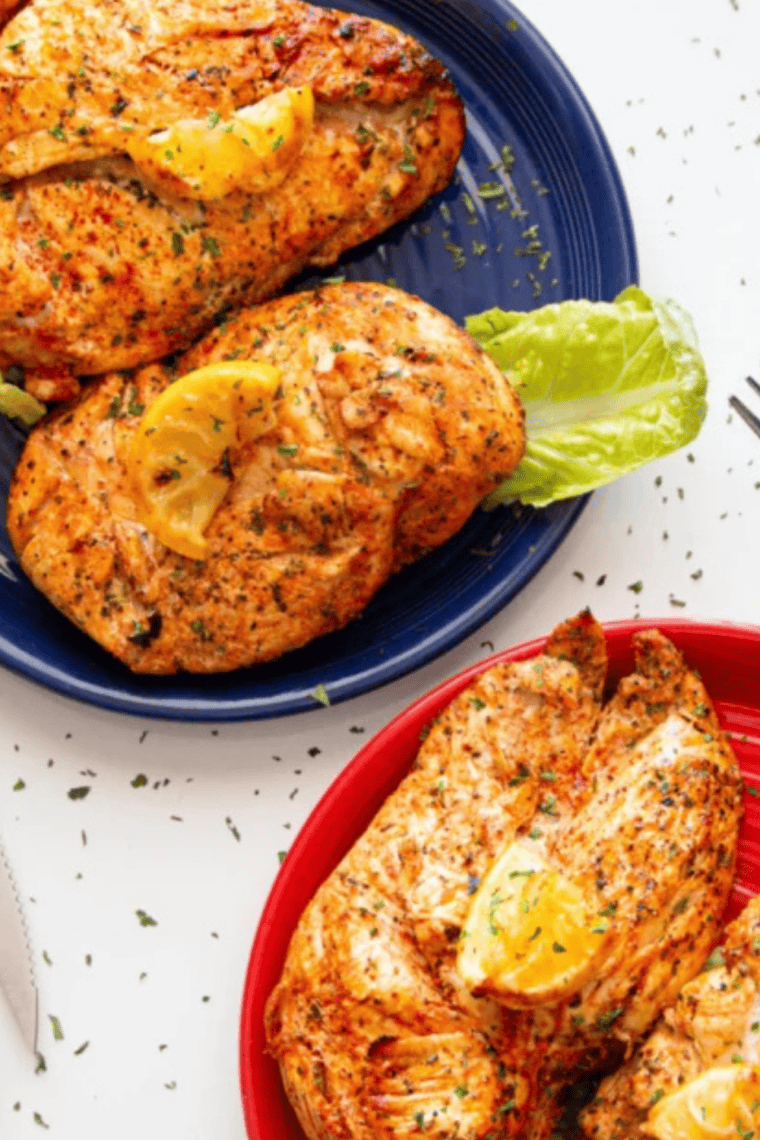
Wings are the obvious one. My Crispy Air Fryer Lemon Pepper Wings are built for exactly this, and swapping in a homemade blend is a real upgrade over the store bottle.
On fish, it’s hard to beat. Try it in place of the seasoning on my Air Fryer Lemon Dijon Salmon — the two lemon notes layer rather than compete.
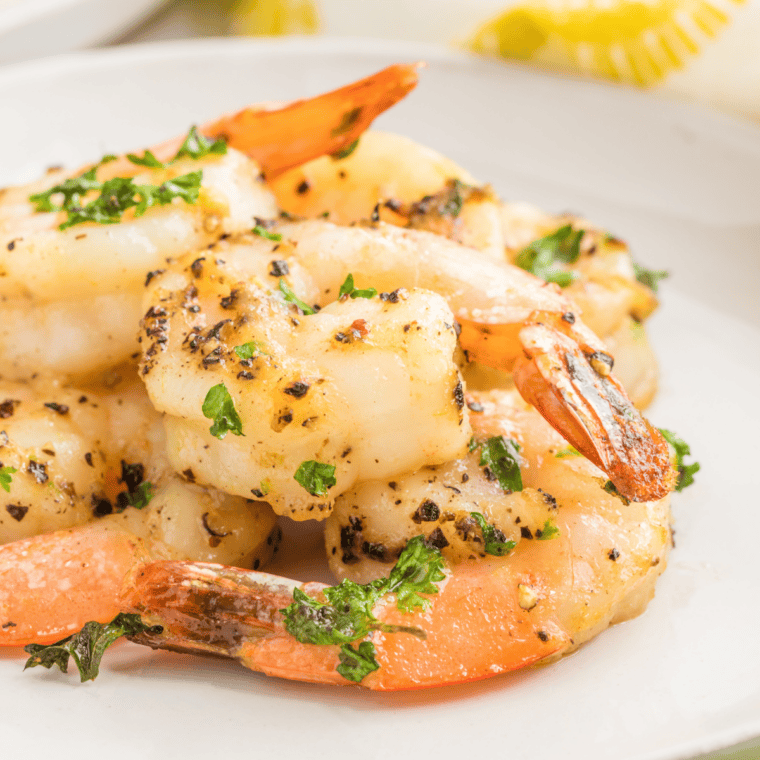
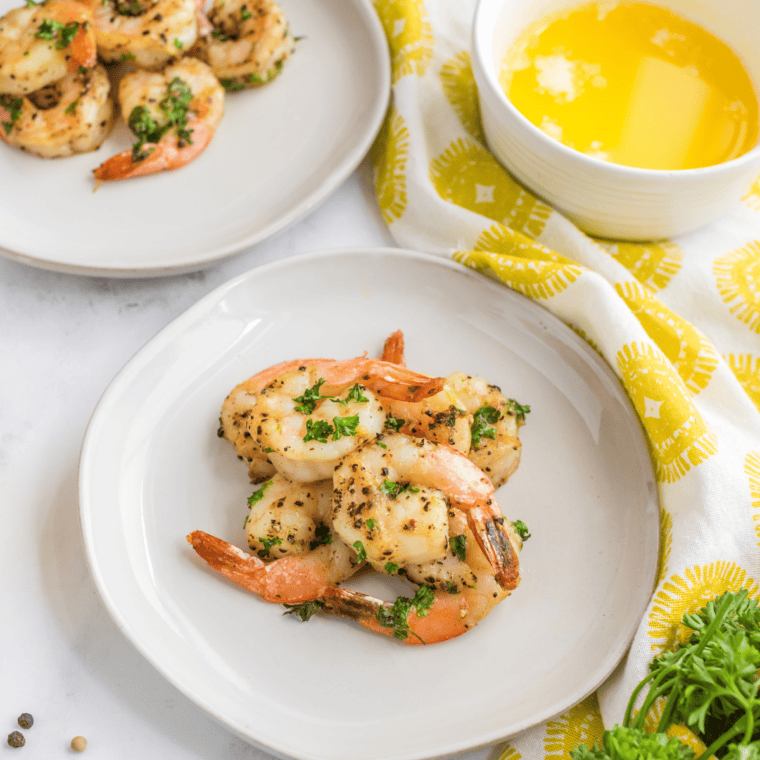
Beyond that: roasted potatoes, asparagus, broccoli, chicken thighs, shrimp, buttered pasta, or straight onto popcorn.
Kinder’s vs. McCormick Lemon Pepper
Worth knowing if you’re deciding which copycat to make. Kinder’s runs coarser, more garlicky, and less salt-dominant. McCormick’s is finer, saltier, and more evenly distributed — better when you want the seasoning to disappear into the food rather than sit visibly on it.
If the fine-ground supermarket style is what you actually want, I have that one too: Copycat McCormick Lemon Pepper Seasoning. Same five-minute approach, different texture and salt balance.
Variations
- Salt-free — omit it entirely and salt your food separately. Lemon pepper is a blend people frequently want low-sodium, and this loses nothing.
- Extra lemony — double the zest and add ¼ teaspoon more citric acid.
- Buttery — add 1 tablespoon butter powder, which pushes it toward Kinder’s Buttery Steakhouse Rub territory.
- Herby — 1 teaspoon each dried thyme and oregano, closer to my Copycat Kinder’s Garlic & Herb Seasoning.
- With heat — ½ teaspoon red pepper flakes, crushed.
- Finer grind — two or three pulses in a spice grinder for a blend that coats fish evenly.
Frequently Asked Questions
How much homemade seasoning equals one bottle of Kinder’s?
This recipe makes about ½ cup, roughly equivalent to one standard bottle of Kinder’s Lemon Pepper. Use about 1 tablespoon per pound of protein.
Can I use bottled lemon juice instead of zest?
No — liquid will clump the blend and won’t survive storage. The flavor you want lives in the peel’s oils, not the juice. Dried zest or store-bought dried lemon peel are the only options here.
Do I really need citric acid?
You can leave it out, but the blend will taste flat compared to the bottle. Citric acid is what makes lemon pepper taste tangy rather than just peppery-with-lemon-aroma. It’s inexpensive and lasts indefinitely.
Is lemon pepper seasoning the same as lemon pepper salt?
No. Lemon pepper salt is salt-dominant with lemon and pepper as accents. Lemon pepper seasoning leads with pepper and lemon, with salt in a supporting role. This recipe is the latter.
Why is my homemade lemon pepper bitter?
Almost always pith. When zesting, take only the yellow layer — the white underneath is bitter and that bitterness concentrates as the zest dries.
How long does it last?
About six months at full strength in an airtight jar kept away from heat and light. The lemon fades before anything else, so let your nose decide.
More Copycat Kinder’s Seasonings
Once you’ve made one, the rest come fast:
- Copycat Kinder’s The Blend Mix — salt, cracked pepper, and garlic; their everyday all-purpose.
- Copycat Kinder’s Cowboy Butter — garlicky and herb-forward, and the one everyone’s talking about.
- Kinder’s Buttery Steakhouse Rub — rich buttery crust for steak.
- Copycat Kinder’s Woodfired Garlic Seasoning — roasted garlic depth with a smoky edge.
- Copycat Kinder’s Garlic & Herb Seasoning — bright, lemony, Mediterranean-leaning.
- Copycat Kinder’s The Steak Blend — bold and peppery for grilled beef.
- Copycat Kinder’s Sweet Heat Seasoning — sweet, smoky, and spicy.
Copycat Kinder’s Lemon Pepper Seasoning
Description
Ingredients
- 3 tablespoons coarsely ground black pepper
- 3 tablespoons dried lemon zest, from 4–5 lemons, or store-bought dried lemon peel
- 2 tablespoons kosher salt
- 1 teaspoon citric acid
- 1 teaspoon granulated garlic
- 1 teaspoon onion powder
- 1 teaspoon granulated sugar
Instructions
- Zest 4–5 lemons, avoiding the white pith. Spread on a parchment-lined sheet and dry at 200°F for 30–45 minutes until brittle, or air-dry overnight. Skip this step if using store-bought dried lemon peel.
- Add the dried zest, black pepper, salt, citric acid, granulated garlic, onion powder, and sugar to a small bowl.
- Whisk until evenly combined. Do not grind — the coarse texture is the point.
- Transfer to an airtight jar. Store in a cool, dark place up to 6 months.
Equipment
- Mixing Bowl
- Whisk
Notes
Nutrition
Share this recipe
We can’t wait to see what you’ve made! Mention @forktospoon or tag #forktospoon!