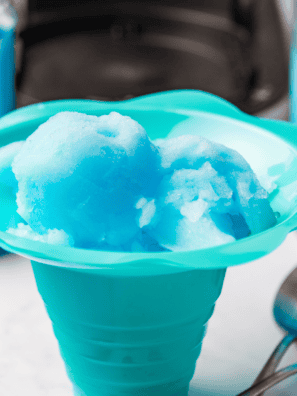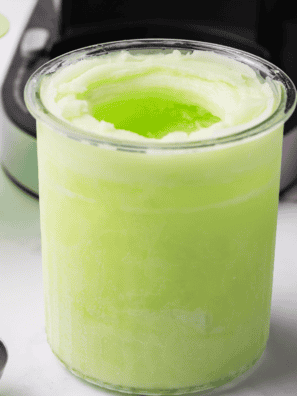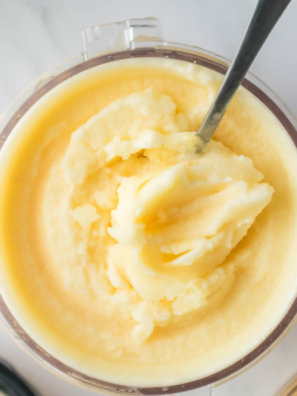
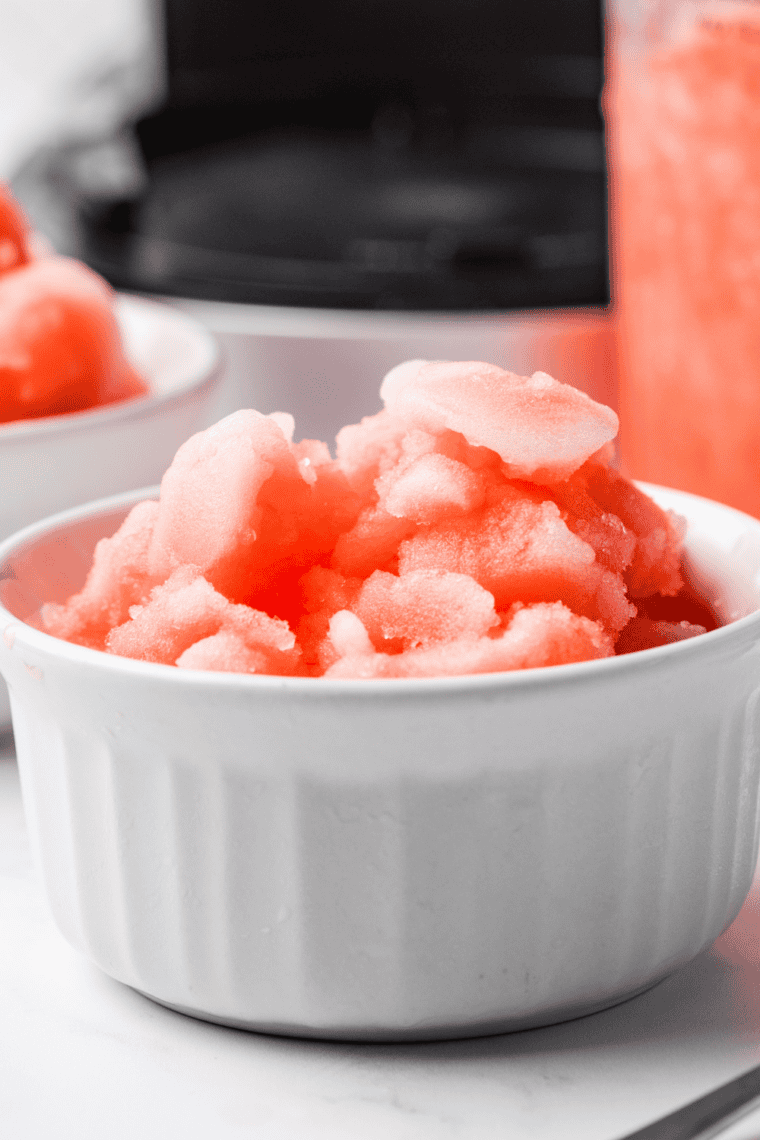
Italian ice is the easiest thing the Ninja Creami makes and the easiest thing to get wrong. There is no fat in it, no dairy, nothing to hide behind — just water, sugar, and flavor. When it works, it comes out fine-grained and scoopable, closer to a Rita’s water ice than a snow cone. When it doesn’t, you get a pale block that shatters into gravel, or a puddle that never sets.
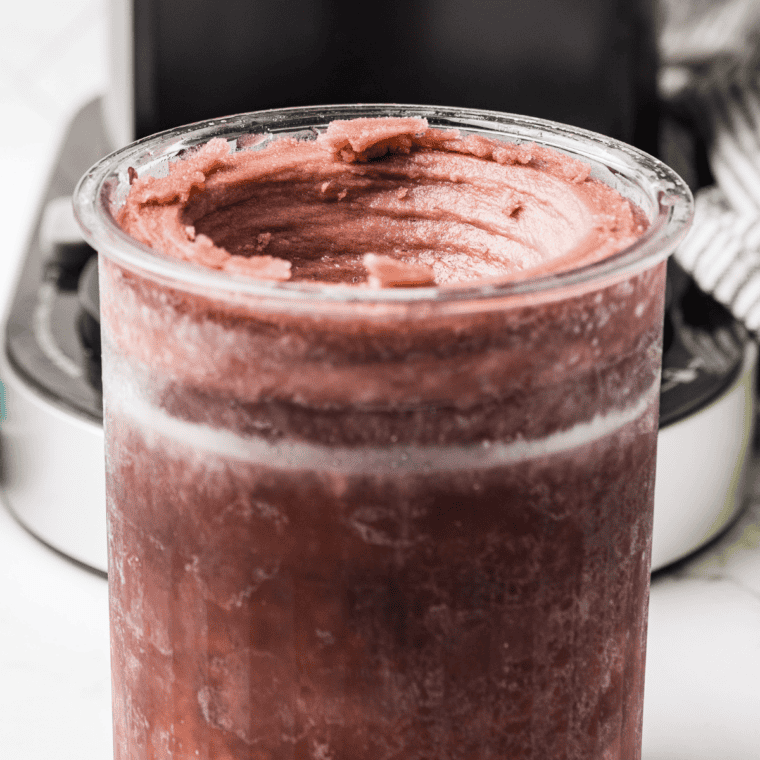
Almost every failure traces back to one number: the ratio of sugar to water. This guide covers what that ratio should be, why the program you pick matters, and how to fix a base that came out icy, soupy, grainy, or bland.
What Italian Ice Actually Is
Italian ice — water ice, if you grew up near Philadelphia — is a frozen dessert of water, sugar, and flavoring, churned as it freezes so the crystals stay small. No cream, no egg, no milk. That’s what separates it from sherbet and gelato.
It’s worth knowing how it differs from its neighbors, because the Creami handles each one differently:
- Italian ice — water and sugar base, flavored with syrup, juice, or extract. Fine texture, no dairy.
- Sorbet — fruit purée base. The fruit itself supplies the body and the sugar. Thicker and more opaque.
- Shaved ice / snow cone — ice shaved first, syrup poured over after. The syrup never freezes into the ice.
Italian ice sits between sorbet and shaved ice: the flavor is frozen into the base like a sorbet, but the base is water rather than fruit.
The Program You Have Depends on the Machine You Bought
This trips up more people than anything else in the recipe.
ITALIAN ICE is a Deluxe program. If you have the original Creami (NC300 or NC301), you do not have that button — use SORBET instead. The result is very close, marginally softer, and nobody will notice. If you have the Deluxe (NC501) or the Swirl, you have the dedicated program. Full model breakdown is in Ninja Creami vs Deluxe vs Swirl.
Every recipe on this site lists both, so you’re never stuck.
The Ratio
This is the whole guide in one line:
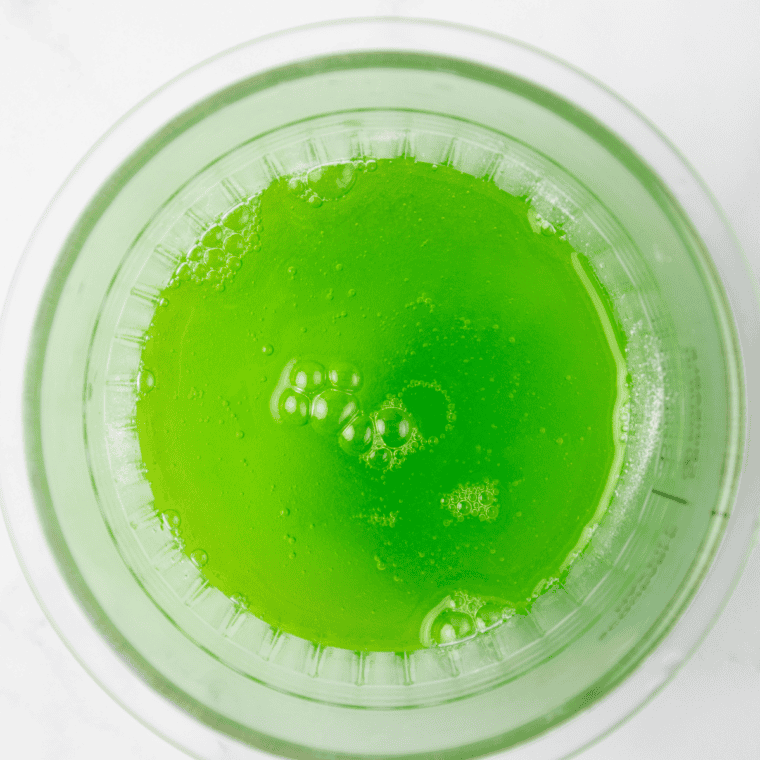
2 cups liquid to ½ cup sugar.
That works out to roughly 20% sugar by weight, which is the range where a water base freezes solid but still shaves smooth. Sugar isn’t there for sweetness alone — it lowers the freezing point, which is what stops the base from freezing into a solid block of ice the blade can’t cut.
Move off that ratio and here’s what happens:
| Sugar | Result |
|---|---|
| Less than ⅓ cup per 2 cups | Freezes too hard. Spins into gravel and stays gravelly no matter how many times you re-spin. |
| ½ cup per 2 cups | The target. Solid after 24 hours, fine-grained after one spin. |
| More than ¾ cup per 2 cups | Never fully freezes. Spins into slush that melts before you sit down. |
If your flavoring already contains sugar — drink syrup, juice, soda, lemonade concentrate — that counts toward the total. This is the single most common reason a base comes out soupy: people follow a ratio and then add half a cup of grape syrup on top of it. Cut your added sugar when the flavoring brings its own.
The Five Things That Actually Matter
Dissolve the sugar completely. Undissolved sugar sinks, freezes at the bottom of the pint, and leaves a gritty layer. Stir until the liquid runs clear, or warm a cup of the water, dissolve the sugar in that, then add the rest cold.
Add acid. A tablespoon of lemon or lime juice in almost any flavor makes it taste more like itself. Fruit flavors go flat and vaguely sweet without it. This is why lime shows up in the watermelon Italian ice — the acidity is what makes the melon read as melon.
Season harder than tastes right. Cold suppresses flavor perception dramatically. A base that tastes correct at room temperature will taste like faintly sweet water once frozen. Taste the base warm and push it until it’s slightly too strong.
A pinch of salt. Same reason as acid. It sharpens everything and nobody can taste it.
Let carbonation go flat first. Soda-based flavors need to sit out and lose their fizz before freezing. Trapped carbonation expands and can dome the pint. The root beer float Italian ice is built on semi-flat root beer for exactly this reason.
Freezing and Spinning
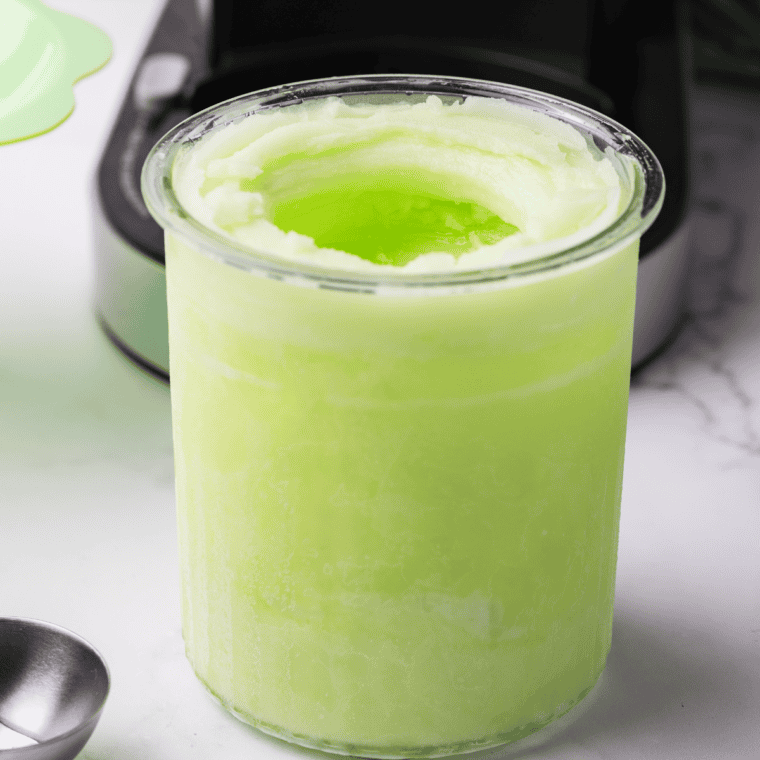
Freeze 24 hours on a level shelf. Not overnight, not twelve hours. The Creami works by shaving a solid block; a base that’s frozen at the edges and soft in the middle spins into slush and can’t be recovered. Level matters too — a tilted freeze gives an angled surface the blade hits unevenly.
Fill below the MAX FILL line. Water expands more than a cream base as it freezes. An overfilled pint domes upward and can jam the paddle.
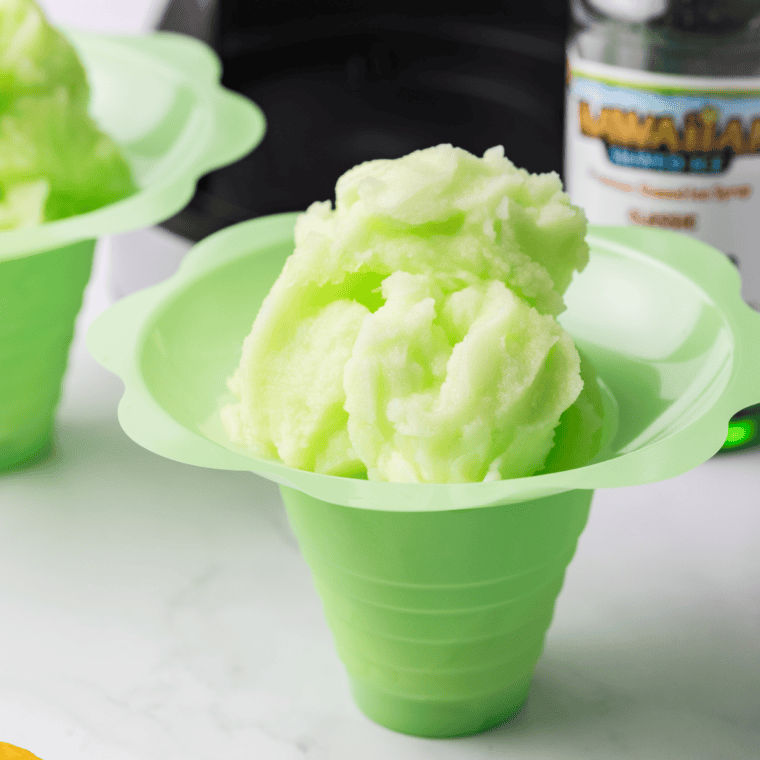
Then: ITALIAN ICE (Deluxe/Swirl) or SORBET (NC300/NC301).
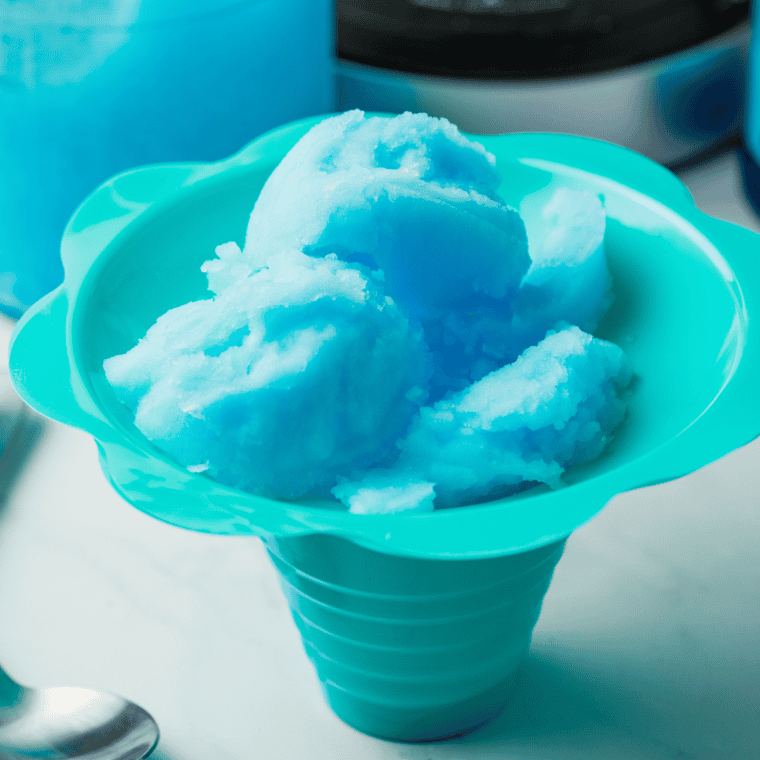
Expect to re-spin. Water bases re-spin more often than cream bases, because there’s no fat to keep the crystals small. A crumbly first pass is normal, not a broken machine — the full explanation is in Why Is My Ninja Creami Crumbly? For Italian ice, re-spin with a tablespoon of the flavored base, not plain water. Water dilutes an already delicate flavor. Keep two tablespoons of the mix back in the fridge before freezing and you’ll have exactly what you need.
Serve It Immediately
Italian ice is at its best straight out of the machine, and it declines faster than any other Creami format. There’s no fat to slow the recrystallization, so a pint that goes back in the freezer comes out noticeably icier the next day.
It’s recoverable — lid it, freeze it flat, and re-spin the whole pint before serving rather than scooping from it. But if you’re making it for a group, spin it last.
Troubleshooting
Icy, gravelly, won’t smooth out after two re-spins. Not enough sugar. Add a tablespoon of simple syrup, re-spin, and increase the sugar next time.
Soupy, melts immediately. Too much sugar — most likely because the flavoring brought its own and you didn’t account for it.
Grainy or sandy on the tongue. Sugar didn’t dissolve. Warm part of the liquid next time.
Tastes like nothing. Under-flavored. Cold mutes flavor; double the extract or syrup and add acid and salt.
Icy chunks at the edges, soft center. Didn’t freeze long enough, or the pint was in the freezer door.
Sugar-Free Italian Ice Is Genuinely Harder
Worth saying plainly: this is the hardest Creami format to make sugar-free, because sugar is doing structural work here and there’s no fat to compensate.
Allulose is the one that works. It lowers the freezing point the way sugar does, so the base still shaves smooth.
Erythritol and most monk fruit blends recrystallize in the freezer and leave a sandy crunch. In a cream base, fat masks it. In Italian ice there’s nothing to hide it, and it’s unpleasant.
Even with allulose, expect to spin twice and accept a slightly firmer result.
Flavor Ideas
Every one of these uses the ratio above:
- Ninja Creami Lemon Italian Ice — the classic, and the best one to learn on
- Ninja Creami Lime Italian Ice
- Easy Ninja Creami Lemon-Lime Italian Ice
- Ninja Creami Watermelon Italian Ice
- Easy Ninja Creami Cherry Italian Ice
- Ninja Creami Blue Raspberry Italian Ice
- Easy Ninja Creami Grape Italian Ice
- Ninja Creami Orange Creamsicle Italian Ice
- Ninja Creami Cotton Candy Italian Ice
- Ninja Creami Root Beer Float Italian Ice
- The Best Ninja Creami Italian Ice Recipes — all of them in one place
Frequently Asked Questions
Does the original Ninja Creami have an Italian Ice setting? No. ITALIAN ICE is on the Deluxe (NC501) and the Swirl. On the NC300/NC301, use SORBET — the result is very close.
What’s the difference between Italian ice and sorbet in the Ninja Creami? Italian ice is a water-and-sugar base flavored with syrup or juice. Sorbet is built on fruit purée, which supplies its own body and sugar. Sorbet comes out thicker and more opaque.
Why is my Italian ice icy? Almost always not enough sugar. Sugar lowers the freezing point, and without enough of it the base freezes too hard for the blade to shave smoothly.
Can I use fresh fruit instead of syrup? Yes, but purée and strain it first — pulp and seeds catch in the paddle — and count the fruit’s own sugar toward your total.
Do I have to freeze it for a full 24 hours? Yes. A partially frozen base spins into slush and there’s no recovering it.
Can I make Italian ice without sugar? With allulose, yes. Avoid erythritol — it recrystallizes and turns gritty, and there’s no fat in an Italian ice to mask it.
How long does it keep? Two to three weeks lidded, but the texture is best the day you spin it. Re-spin the whole pint before serving rather than scooping from a refrozen one.