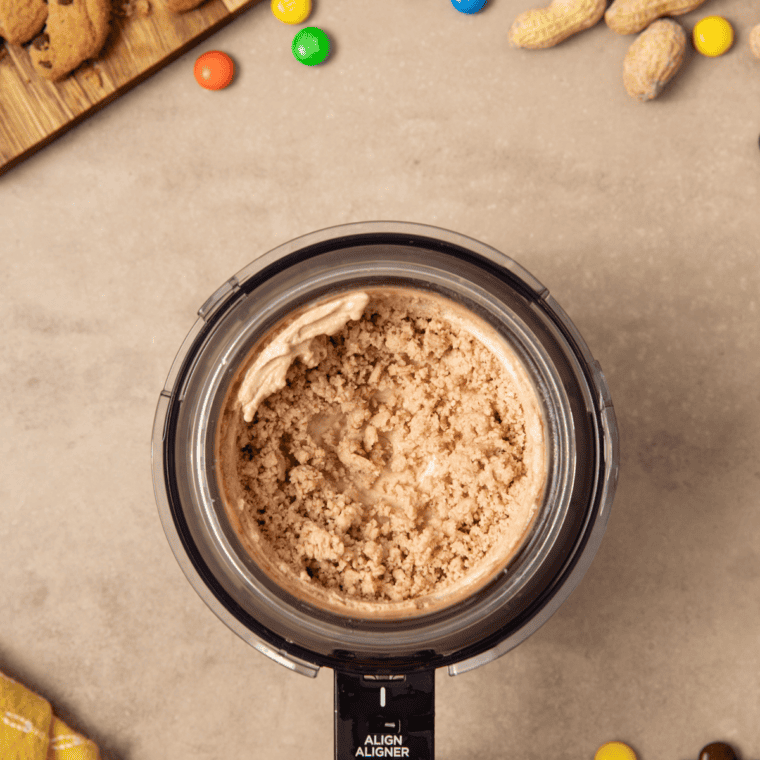
You waited 24 hours. You pressed the button. You lifted out the pint expecting soft serve and got what looks like a snowbank.
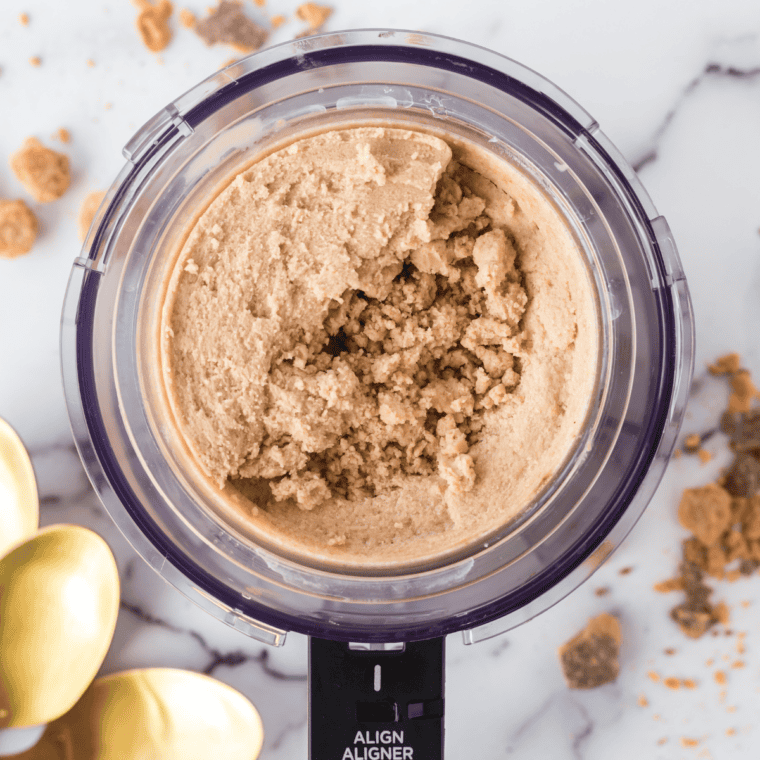
Here is the good news, and it is worth saying before anything else: your machine is fine, your recipe probably worked, and this happens to almost everyone on their first pint. A crumbly first spin is the normal behavior of this machine, not a failure state. Most pints need a second pass, and plenty need a third.
The rest of this guide covers why it happens, how to rescue the pint sitting on your counter right now, and how to stop it happening next time.
The 30-Second Fix
If you have a crumbly pint in front of you and want it eaten in the next five minutes:
- Dig a small hole in the center of the pint, right down toward the bottom.
- Pour in 1 tablespoon of milk — whatever milk your recipe used.
- Run RE-SPIN.
- Still crumbly? Repeat once. Two re-spins is completely ordinary.
- Still crumbly after two? Let the pint stand on the counter for 5 to 10 minutes, then re-spin again.
That fixes the large majority of crumbly pints. The sections below are about why it happened, so it happens less often.
Why a Crumbly First Spin Is Normal
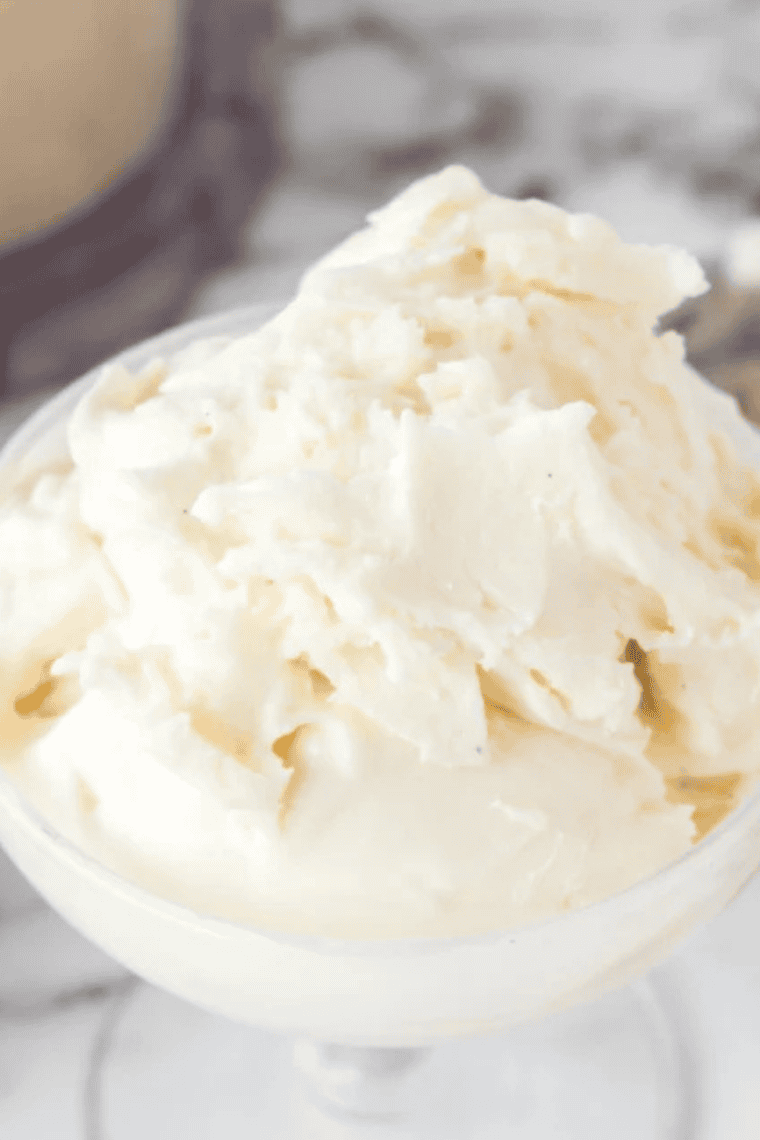
The Creami does not churn. A traditional ice cream maker freezes a liquid slowly while paddling air into it. The Creami does the opposite: it takes a fully frozen puck and shaves it into particles fine enough to read as ice cream.
That means the first pass is doing the hardest work — cutting into solid ice with nothing lubricating it. The powdery result is the machine partway through the job, not the machine failing at it. The re-spin, with a little added liquid, is what turns those particles into something that reads as creamy.
Anyone telling you a good recipe spins perfectly on the first pass is describing a very fatty, very sugary base. Everything leaner crumbles first.
What Actually Causes a Crumbly Pint
1. Not enough sugar
This is the biggest cause, and the least intuitive.
Sugar is antifreeze. Dissolved sugar molecules physically block water from locking into ice crystals, which is why a properly sugared base stays partly unfrozen at freezer temperature and the blade can cut it smoothly. Strip the sugar out and the base freezes into a solid brick that can only be shaved into powder.
This is why low-sugar and sugar-free pints crumble far more than regular ones — and why swapping in a sweetener that does not add bulk makes it dramatically worse. My guide to sugar-free Ninja Creami sweeteners covers which ones replace sugar’s physical job and which only replace the flavor.
2. Not enough fat
Fat coats ice crystals and keeps them small. Small crystals read as creamy; large ones read as icy and crumble apart under the blade.
Skim milk, nonfat yogurt, and fat-free protein bases are the usual suspects. You do not need heavy cream in everything, but a base with essentially no fat has nothing carrying the texture.
3. Protein powder
Protein binds water aggressively, leaving less free water available to form a smooth structure. The base freezes harder and drier, and the first spin comes out as powder more often than not.
The powder itself matters more than most recipes admit — pure whey isolate is the leanest thing on the shelf and the most likely to spin icy, because the fat and lactose that soften a base have been stripped out of it. I went through this in the best protein powder for the Ninja Creami guide.
4. Yogurt bases
Greek yogurt makes excellent frozen desserts, but it is lower in fat and higher in protein than a cream base, so it behaves the same way protein powder does. Two re-spins is standard for a yogurt pint, not a sign of a bad recipe. There is more on ratios and which yogurt to buy in my guide to using Greek yogurt in the Ninja Creami.
5. A very cold freezer
Deep freezers and garage chest freezers run considerably colder than the freezer compartment of a fridge. The colder the pint, the harder the puck, and the drier the first spin.
If yours runs cold, tempering becomes essential — see below.
6. An uneven or overfilled pint
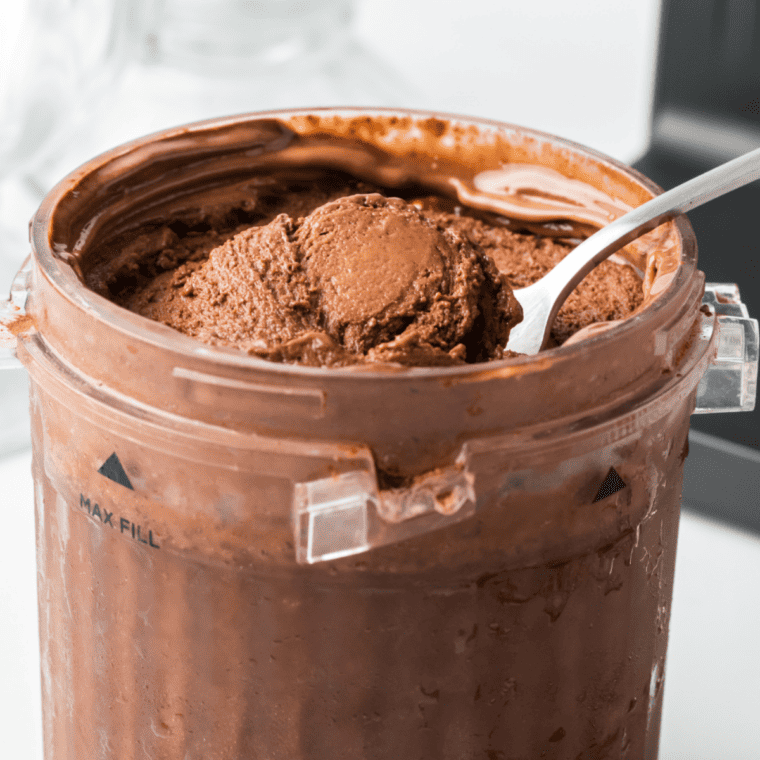
A base frozen at an angle gives the blade a sloped face to bite into, and the machine cuts unevenly. Overfilling past the MAX FILL line causes the base to dome as it expands, which jams the paddle and can leave a bored-out tunnel down the middle instead of an evenly shaved pint.
Both are simple to avoid and surprisingly common.
How to Prevent It Next Time
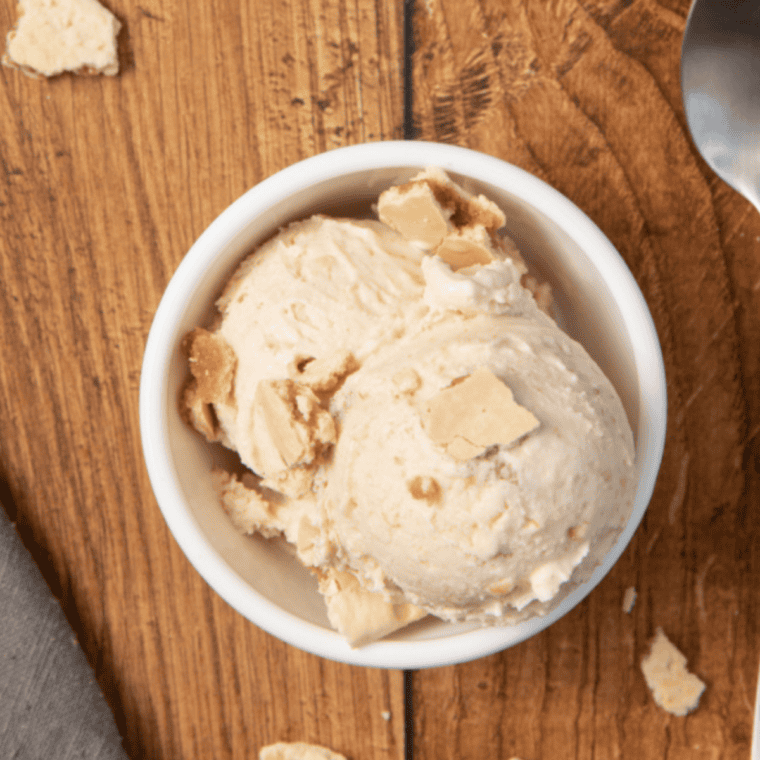
Temper the pint before spinning. Run warm water over the outside of the frozen pint for 30 to 45 seconds before it goes in the machine. This softens the outer layer just enough for the blade to bite cleanly. It is the single highest-value habit for anyone whose pints keep coming out powdery, and it matters most for lean and sugar-free bases.
Freeze flat and level. Not tilted against a bag of frozen peas. A genuinely flat shelf.
Do not overfill. Stop at the MAX FILL line. The base expands.
Add a stabilizer. An eighth of a teaspoon of xanthan gum, or a tablespoon of instant pudding mix, does more for texture than almost anything else you can add. Pudding mix is essentially pre-portioned stabilizer.
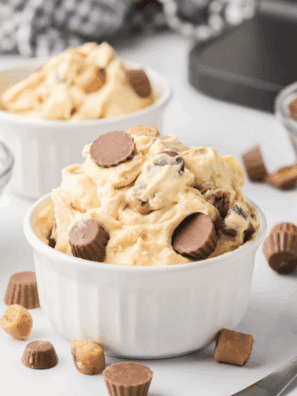
Add something fatty to lean bases. Cream cheese, full-fat Greek yogurt, cottage cheese, nut butter, or half a banana. A spoonful of Greek yogurt or cottage cheese is the most reliable rescue for a lean base — it adds fat, protein, and natural stabilizers in one move, which is exactly what keeps a low-calorie base like my Sonic Blast Reese’s Cup creamy.
Blend, do not whisk. Especially with yogurt, protein powder, or nut butter. Undissolved solids come out as grit.
Use the right program. Lite Ice Cream for lower-fat bases, Ice Cream for full-fat ones, Sorbet for fruit and juice.
Crumbly vs. Gritty vs. Icy — They Are Different Problems
People use these interchangeably, and the fixes are not the same.
Crumbly or powdery means the base froze too hard. Add liquid and re-spin. Fix the sugar and fat next time.
Gritty or sandy with a distinct crunch is almost always erythritol recrystallizing in the cold. Re-spinning will not fix it — it is a sweetener problem, and the answer is to switch to allulose.
Icy with sharp crystals means too much water and not enough fat or stabilizer. Reduce added liquid, raise the fat, add xanthan gum.
A tunnel bored down the middle with untouched sides means the pint was not level when it froze.
Frequently Asked Questions
Is a crumbly first spin normal? Yes. It is the most common thing this machine does, and it is what the Re-spin button exists for. Lean, low-sugar, and protein bases crumble almost every time.
How many times can I re-spin? As many as you need, though three is usually the practical limit. Past that you are warming the pint more than you are improving it. If three passes have not worked, the base composition is the problem, not the spinning.
Do I have to add milk when I re-spin? Not always, but it helps most of the time. One tablespoon is enough. Add the same liquid the recipe used so you are not diluting the flavor.
Why does my protein ice cream always come out crumbly? Because protein binds water and most protein bases are low in fat and sugar. That combination freezes hard. Add Greek yogurt, cottage cheese, or a tablespoon of pudding mix, and expect two re-spins as the norm.
Can I fix it by freezing it longer? No — longer freezing makes it harder, not softer. If anything, the fix is the opposite: let the pint temper on the counter for a few minutes before spinning.
My machine sounds like it is struggling. Is it broken? Some noise on the first pass is normal as the blade cuts in. Continuous grinding with no downward travel means the base is too hard — stop, temper it under warm water, and start again.
Should I use Lite Ice Cream or Ice Cream if my pints keep crumbling? Lite Ice Cream is tuned for lower-fat bases and is usually the better choice for yogurt, protein, and low-sugar pints. Full-fat dessert bases do better on Ice Cream.
Will re-spinning ruin the texture? No. Re-spinning is a normal part of the process, not damage control. Almost every pint on this site was re-spun at least once.
The Bottom Line
A crumbly pint means your base froze harder than the blade could cut smoothly. Add a tablespoon of liquid, re-spin, and eat it.
Then look at the base: more sugar, more fat, or a stabilizer, whichever is missing. Temper the pint before spinning, freeze it flat, and stop at the fill line. Those five habits turn crumbly from a regular event into a rare one.
Once your texture is dialed in, everything else is flavor — browse the full library of Ninja Creami recipes and apply the same fixes to any base.