This copycat Lawry’s Baja Chipotle Marinade takes five minutes, one bowl, and pantry spices you almost certainly already own. It’s smoky, sharp with fresh lime, and just sweet enough to caramelize on the grill — with no modified corn starch, no caramel color, and no sodium benzoate.
If you’ve gone looking for Lawry’s® Baja Chipotle Marinade lately and hit an empty shelf or an “out of stock” screen, this is the fix. And if you’ve already made my copycat Lawry’s Lemon Pepper Marinade or copycat Lawry’s Hickory Brown Sugar Marinade, you already know the drill: read the label, find the ingredient everyone else misses, and skip the preservatives.
Here, the thing everyone misses is the ratio.
Why Most Copycat Baja Chipotle Marinade Recipes Get It Wrong
Search around and you’ll find homemade “baja chipotle” recipes that are thick, tomato-heavy, and closer to salsa than marinade. The real bottle isn’t like that at all.
Ingredients are listed by weight, and on Lawry’s Baja Chipotle Marinade the order goes: distilled vinegar, then lime juice, then water. Tomato puree doesn’t turn up until fifth, well behind salt.
That’s why the original pours thin and sheets right over a flank steak instead of sitting on top of it like barbecue sauce. Nail that ratio and the copycat is genuinely hard to tell apart. Miss it and you’ve made a dip.
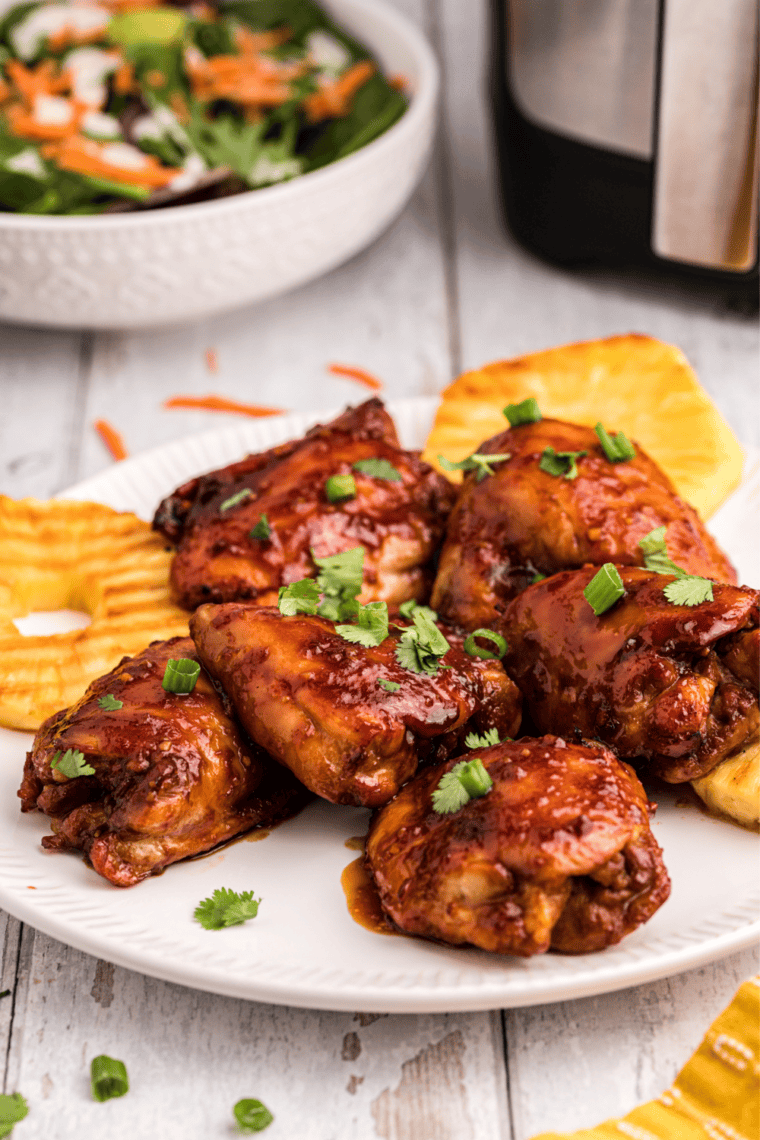
What’s Actually in Lawry’s Baja Chipotle Marinade?
Straight off the label, in order:
- Distilled vinegar — the backbone, and the reason it’s so thin
- Lime juice — the “Baja” brightness
- Water
- Salt — it’s a genuinely salty marinade, which is what drives flavor into the meat
- Tomato puree — color and a little body, not the dominant flavor
- Sugar — balances the acid and helps with char
- Spices — chipotle chili pepper, cumin, and oregano
- Modified corn starch — thickener
- Garlic
After that come caramel color, xanthan gum, sodium benzoate, and potassium sorbate. Those exist so a bottle can sit in a warehouse for eighteen months. Nothing living in your fridge door needs them.
So the copycat is straightforward: hit the same first seven ingredients in roughly the same proportions, drop the last four, and use fresh lime instead of concentrate. That last swap is where the homemade version actually pulls ahead of the bottle.
Why You’ll Love This Recipe
- Five minutes, one bowl. Whisk and done — no blender, no cooking.
- About a dollar fifty a batch. A 12 oz bottle runs $4–6 depending on where you shop.
- You control the heat. The bottled version is mild bordering on timid.
- It keeps for weeks. All that acid means real fridge life, not three days.
- It works on everything. Steak, chicken, shrimp, salmon, pork, portobellos, cauliflower.
Ingredients You’ll Need
Every ingredient here earns its place — this is a short list, so there’s nowhere for a weak one to hide. See the recipe card below for exact measurements.
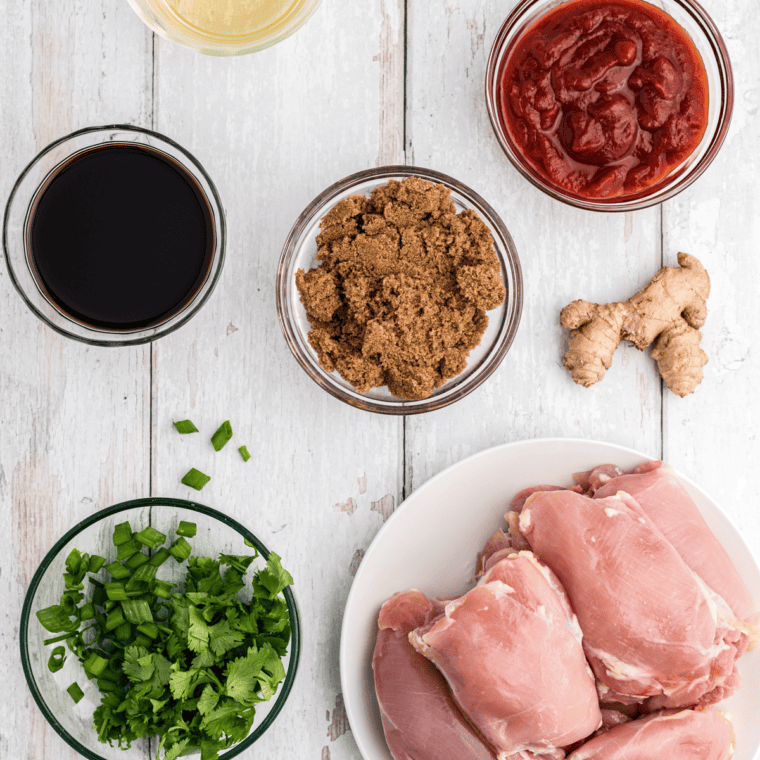
Cut roughly in half — one line per ingredient, and all the substitutions consolidated into a single block instead of repeating twelve times.
- Distilled white vinegar: The backbone. It’s the number one ingredient on the real bottle, and it’s why this pours thin instead of sitting on top of your meat.
- Fresh lime juice: The biggest upgrade over the bottle, which uses concentrate. Bottled lime tastes flat and faintly metallic here.
- Water: Not filler. It softens the acid so the marinade seasons the meat instead of chemically cooking it.
- Tomato paste: Color and just enough body to cling. It sits fifth on the real label, behind the salt — a supporting player, not the star.
- Kosher salt: Salt outranks sugar and spices on the bottle for a reason. It’s what carries flavor into the meat instead of leaving it on the surface. Same logic behind my copycat Lawry’s Seasoned Salt.
- Granulated sugar: Balances the acid and gives you caramelization — the difference between a mahogany chicken thigh and a gray one.
- Ground chipotle chile powder: The heart of the recipe. Smoked, dried jalapeños, so you get warmth and smoke rather than sharp heat. Buy ground chipotle, not a seasoning blend.
- Ground cumin: Earthy and warm, listed right in the label’s spice blend. Toast it 30 seconds in a dry pan first if you have the minute.
- Mexican oregano: Citrusy and grassy, not piney like Italian oregano. Crumble it between your fingers as you add it. This is the one most copycats get wrong.
- Garlic powder: Dehydrated garlic is what’s on the actual bottle — it dissolves clean and keeps the marinade smooth for weeks.
- Smoked paprika: My one addition. It replaces the caramel color on the label and reinforces the chipotle smoke.
- Black pepper: Small amount, but it keeps the marinade from tasting one-note sweet-and-sour.
Substitutions
- Vinegar: Apple cider vinegar works. Skip balsamic and red wine — too dark, too sweet.
- Lime: Bottled 100% lime juice plus ½ teaspoon fresh zest.
- Chipotle powder: 2 minced canned chipotles in adobo plus a teaspoon of the sauce, blended smooth.
- Mexican oregano: Mediterranean oregano, using about 25% less. It’s more assertive. (Same swap applies in my copycat McCormick Al Pastor Seasoning.)
- Garlic powder: Two cloves minced fresh — brighter, but it cuts fridge life from three weeks to one.
- Sugar: Brown sugar for molasses depth, especially good on pork.
- Smoked paprika: Sweet paprika for color without smoke; hot smoked paprika for extra kick.
How to Make Copycat Baja Chipotle Marinade
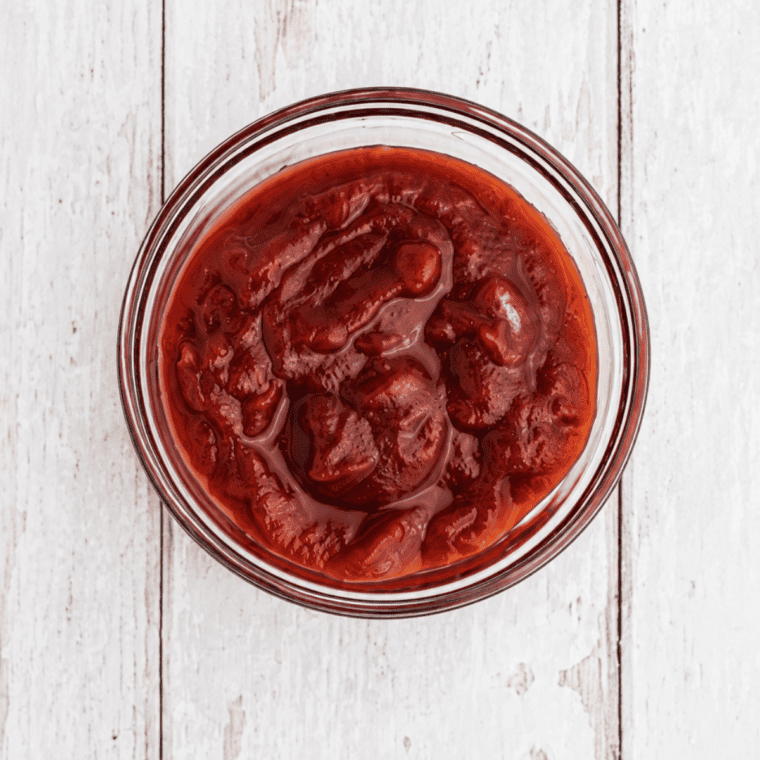
Step 1: Loosen the tomato paste. Whisk the tomato paste into the water until completely smooth. Do this first. Dump paste into a bowl of thin liquid and it clumps into little orange pebbles that never disperse.
Step 2: Add the acid. Whisk in the vinegar and lime juice.
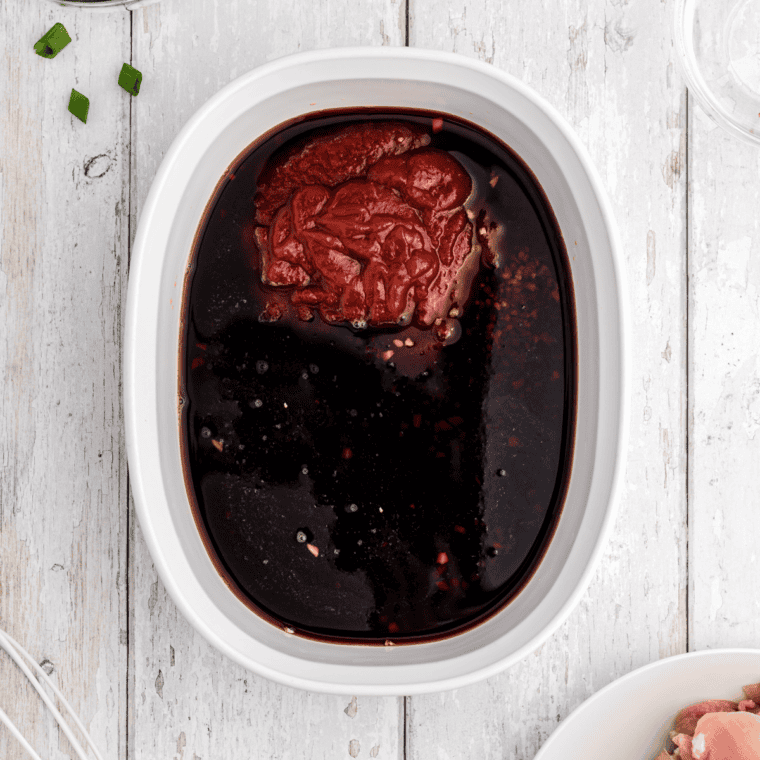
Step 3: Add everything else. Salt, sugar, chipotle, cumin, oregano, garlic powder, smoked paprika, black pepper. Whisk 30 seconds until no dry pockets remain.
Step 4: Rest 15 minutes. Not optional. Ground spices need time to hydrate, and the marinade tastes noticeably harsher straight out of the bowl than it does a quarter hour later.
Step 5: Taste and adjust. More lime for brightness, more chipotle for heat, a pinch more sugar if your limes ran especially sharp. Transfer to a jar and shake before each use. It separates — exactly like the bottled version does.
How Long to Marinate
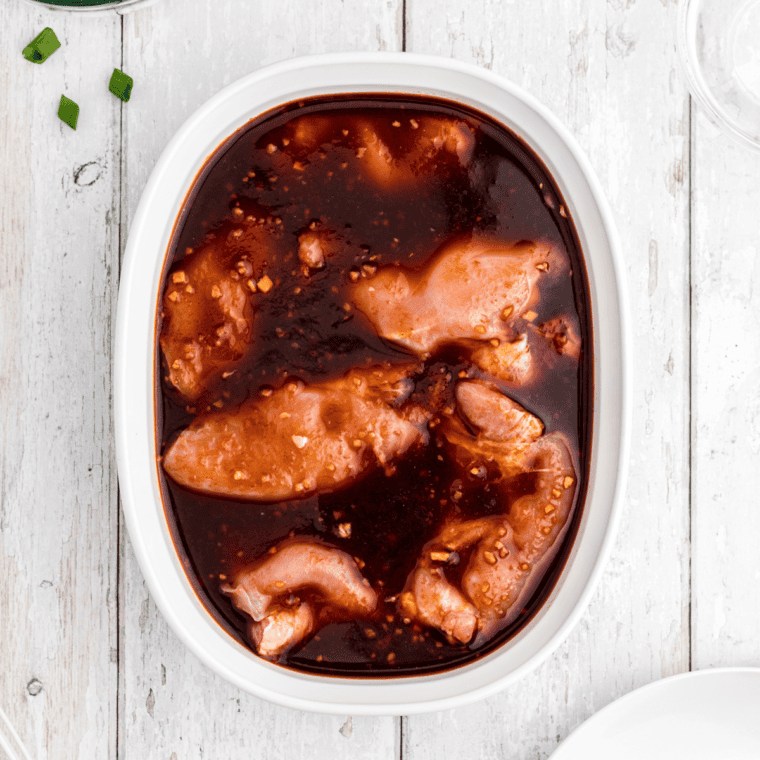
This is a high-acid marinade. It works fast, and it can overwork delicate proteins. The bottle claims 15 minutes and that’s not wrong, but here’s what I’d actually do:
| Protein | Marinating Time |
|---|---|
| Shrimp | 15–30 minutes |
| White fish, salmon | 20–30 minutes |
| Chicken breast | 1–4 hours |
| Chicken thighs | 2–8 hours |
| Flank, skirt, or sirloin steak | 1–6 hours |
| Pork chops or tenderloin | 2–8 hours |
| Tofu, mushrooms, cauliflower | 30 minutes–2 hours |
Past those windows the acid starts breaking down surface proteins and the texture turns chalky or mushy. Shrimp is the one to watch — leave it overnight and you’ve made ceviche.
Food safety: always set aside some marinade before it touches raw meat if you want to baste or serve it as a sauce. Never reuse marinade that’s been in contact with raw protein.
How to Use It
Beyond the obvious steak-on-the-grill move:
- Sheet pan fajitas. Toss sliced peppers, onions, and chicken thighs, then roast at 425°F for 25 minutes.
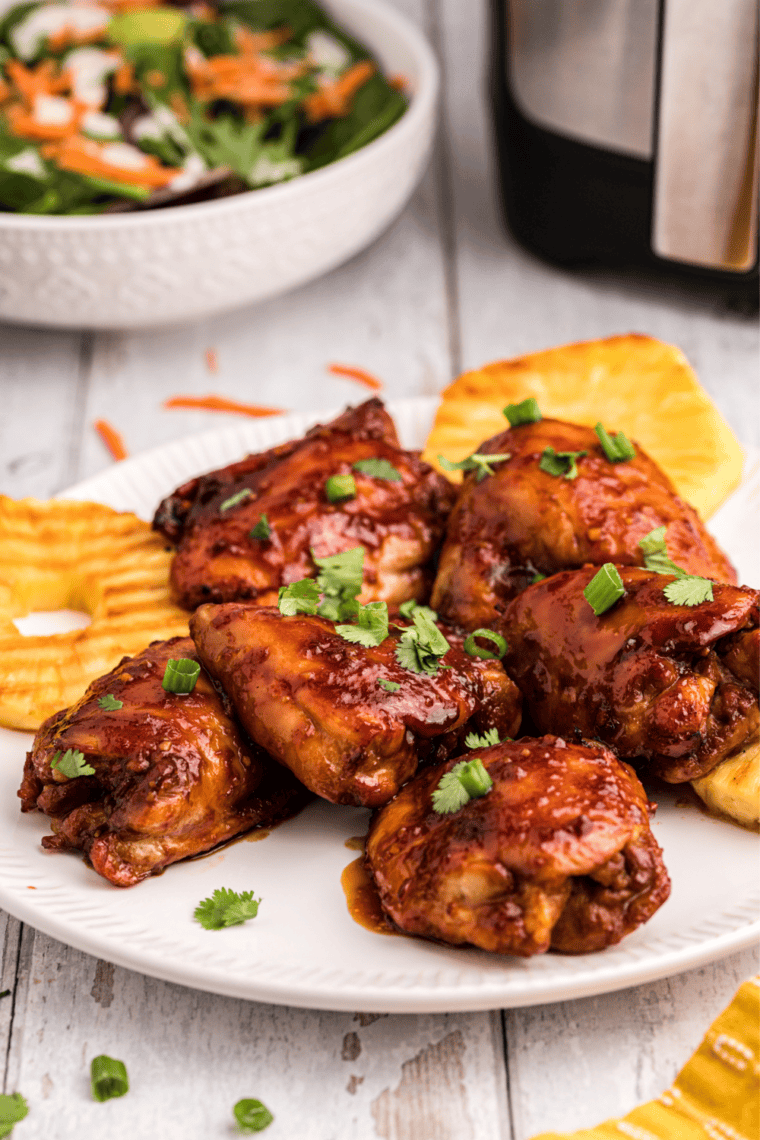
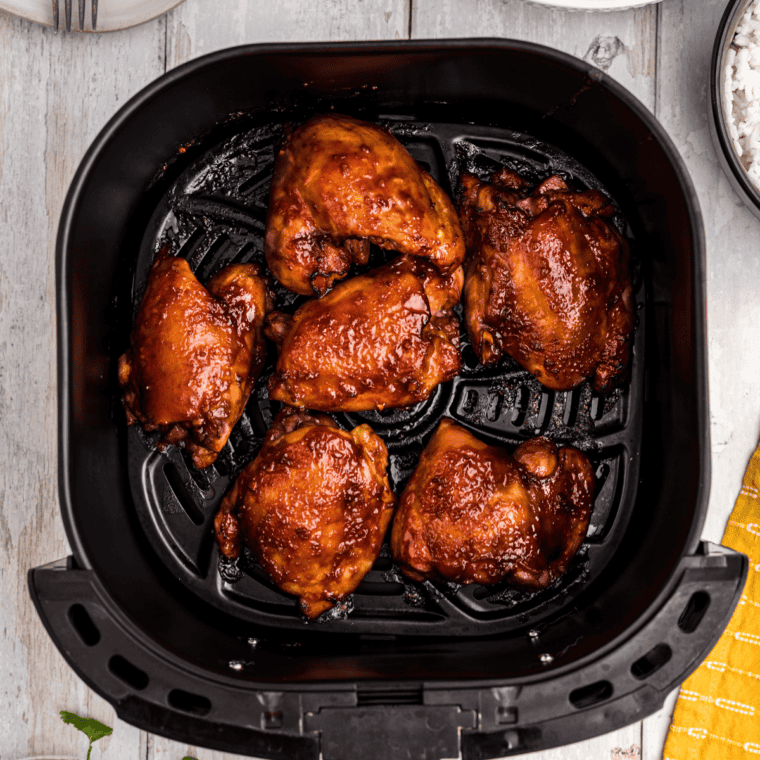
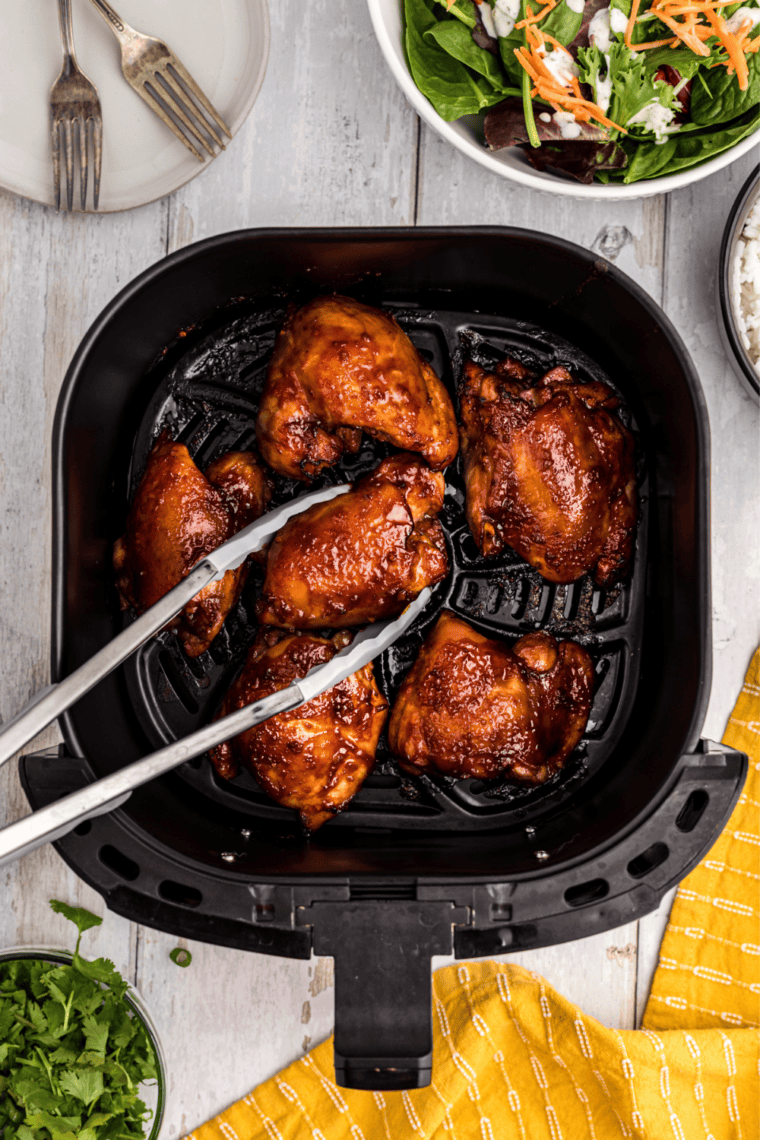
- Air fryer chicken thighs. Marinate two hours, then air fry at 380°F for 18–22 minutes, flipping halfway. Same technique as my air fryer ranch chicken thighs, just a completely different flavor direction — and the air fryer chars the marinade sugars beautifully.
- Shrimp tacos. Twenty minutes in the marinade, then a screaming-hot cast iron pan.
- Taco night, upgraded. Use this on the protein and season your rice and beans with my copycat Lawry’s Taco Seasoning so the whole plate speaks the same language.
- Grilled corn. Brush on during the last few minutes, then finish with cotija and lime.
- Southwest salad dressing. Whisk 3 tablespoons with 2 tablespoons olive oil.
- Slow cooker shredded chicken. Two pounds of thighs, one batch of marinade, 4 hours on low.
Variations
Hotter: add ½ teaspoon cayenne, or bump the chipotle to 1½ tablespoons.
Smokier: raise the smoked paprika to 1 teaspoon and add ¼ teaspoon liquid smoke.
Fresher, more “Baja”: stir in ¼ cup chopped cilantro and 2 cloves minced fresh garlic right before using. Cuts fridge life to about a week, but the flavor is brighter.
Thicker, for basting: whisk 1 teaspoon cornstarch into 1 tablespoon cold water, stir it in, and simmer 5 minutes. This gets closest to the bottled texture — the same trick I use in the honey bourbon marinade.
Al pastor-ish: add 2 tablespoons pineapple juice and a pinch of cinnamon. At that point you’re wandering toward my copycat McCormick Al Pastor Seasoning, and honestly, that’s a great place to wander.
Lower sodium: cut salt to 1 teaspoon and add an extra tablespoon of lime juice. Acid reads as “seasoned” on the palate and covers a lot of the gap.
How to Store It
Keep it in an airtight jar in the refrigerator for up to 3 weeks. Vinegar and lime make it inhospitable to most spoilage, and there’s no fresh aromatic in the base recipe to turn. Add fresh garlic or cilantro and you’re down to about a week.
It freezes beautifully, too. Pour into an ice cube tray, freeze solid, then transfer to a bag. Each cube is roughly 2 tablespoons — one chicken breast’s worth.
Expect separation and some settling. That’s what happens without xanthan gum. Shake hard.
Frequently Asked Questions
Is Lawry’s Baja Chipotle Marinade discontinued? No. It’s still in production under McCormick and stocked at most major grocery chains and online. It does go in and out of stock regionally, which is why so many people go hunting for a copycat.
Is this marinade spicy? Mild to medium as written. Chipotle is a smoked jalapeño, so you get warmth rather than sharp heat. The bottled version is milder than this recipe — drop to 2 teaspoons chipotle to match it exactly.
Is copycat Baja Chipotle Marinade gluten-free? Yes, as long as your spices are certified gluten-free. There’s no soy sauce or wheat-based thickener in this version.
Can I make it without chipotle powder? Use 2 canned chipotles in adobo plus 1 teaspoon of the sauce, then blend smooth. In a real pinch, 2 teaspoons ancho powder plus ¼ teaspoon liquid smoke gets you in the neighborhood, though you lose some sharpness.
How much meat does one batch marinate? About 2 pounds. Figure roughly ½ cup of marinade per pound of protein.
Can I use it as a finishing sauce? Only the portion that never touched raw meat. Set some aside before marinating, or simmer the used portion a full 5 minutes.
Why is my marinade separating? Because there’s no emulsifier in it. The bottle doesn’t separate thanks to additives you didn’t want anyway. Shake it.
What else can I make from the Lawry’s lineup? Quite a lot, as it turns out — the teriyaki with pineapple juice and the Hawaiian tropical fruit juices marinade are the two I reach for most after this one.
This is an independently developed copycat recipe. Lawry’s® is a registered trademark of McCormick & Company. This site is not affiliated with or endorsed by McCormick.
More Lawry’s Copycats Worth Making
Once you’ve decoded one bottle, the rest get easy. If you liked how the chipotle and lime play here, the copycat Lawry’s Lemon Pepper Marinade works the same citrus-forward angle with dill seed and rosemary hiding in the original — that’s the detail nobody else catches. For anything headed to a smoker or a rib rack, the copycat Lawry’s Hickory Brown Sugar Marinade leans on molasses and a whisper of cinnamon straight off the label, and the copycat Lawry’s Honey Bourbon Marinade is the sticky, caramelized one my family asks for on pork chops.
Craving something sweeter and more tropical? The copycat Lawry’s Hawaiian Marinade brings pineapple and citrus to chicken thighs, while the copycat Lawry’s Teriyaki with Pineapple Juice Marinade is the glossy, soy-and-ginger workhorse that belongs on your griddle.
And for the dry blends: copycat Lawry’s Seasoned Salt is the five-minute classic that started this whole series, and copycat Lawry’s Taco Seasoning includes the cocoa powder that gives the real packet its depth. Pair either with this marinade and taco night basically makes itself.
Same parent company, same approach: my copycat McCormick Mesquite Grill Seasoning and copycat McCormick Al Pastor Seasoning are both built the same way — read the label, find the missing ingredient, skip the preservatives.
Copycat Lawry’s Baja Chipotle Marinade
Description
Ingredients
- ½ cup distilled white vinegar
- ⅓ cup fresh lime juice, about 3 limes
- ⅓ cup water
- 3 tablespoons tomato paste
- 1 tablespoon granulated sugar
- 1 tablespoon ground chipotle chile powder
- 2 teaspoons kosher salt
- 2 teaspoons ground cumin
- 1 teaspoon Mexican oregano, crumbled
- 1 teaspoon garlic powder
- ½ teaspoon smoked paprika
- ¼ teaspoon freshly ground black pepper
Instructions
- In a medium bowl, whisk the tomato paste into the water until completely smooth. Do this first — adding paste to thin liquid causes clumps that won’t disperse.
- Whisk in the vinegar and lime juice.
- Add the sugar, chipotle powder, salt, cumin, oregano, garlic powder, smoked paprika, and black pepper. Whisk about 30 seconds, until no dry pockets remain.
- Let rest 15 minutes so the ground spices hydrate. Taste and adjust — more lime for brightness, more chipotle for heat.
- Transfer to a jar. Shake before each use; it separates naturally.
Equipment
- Mixing Bowl
- Whisk
Notes
Nutrition
Share this recipe
We can’t wait to see what you’ve made! Mention @forktospoon or tag #forktospoon!