
If your protein ice cream keeps coming out icy, chalky, or weirdly foamy, the recipe probably is not the problem. The powder is.
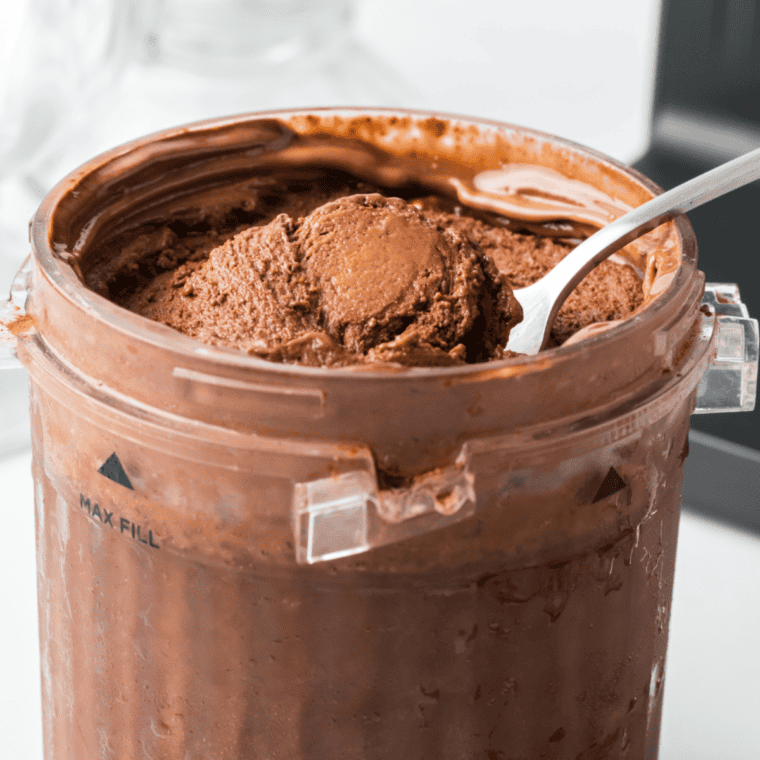
Protein powders are not interchangeable in a Ninja Creami. Two scoops that look identical in the tub can produce two completely different pints — one dense and scoopable, the other crunchy with ice crystals. The difference comes down to what is in the powder besides protein, and almost nobody tells you that before you have wasted a 24-hour freeze finding out.
Here is what actually works, what to avoid, and how to rescue a pint no matter which tub is already in your pantry.
The Short Answer
A whey-casein blend spins creamiest. Pure whey isolate is the leanest option on the shelf and it produces the iciest ice cream, because fat and lactose are exactly what stop ice crystals from forming — and isolate has had both stripped out.
If you only take one thing from this page: look for a powder that is not pure isolate, and add a texture helper regardless of which one you use.
Why Protein Powder Makes Ninja Creami Ice Cream Icy
This is worth understanding, because once you get it you can troubleshoot any recipe on your own.
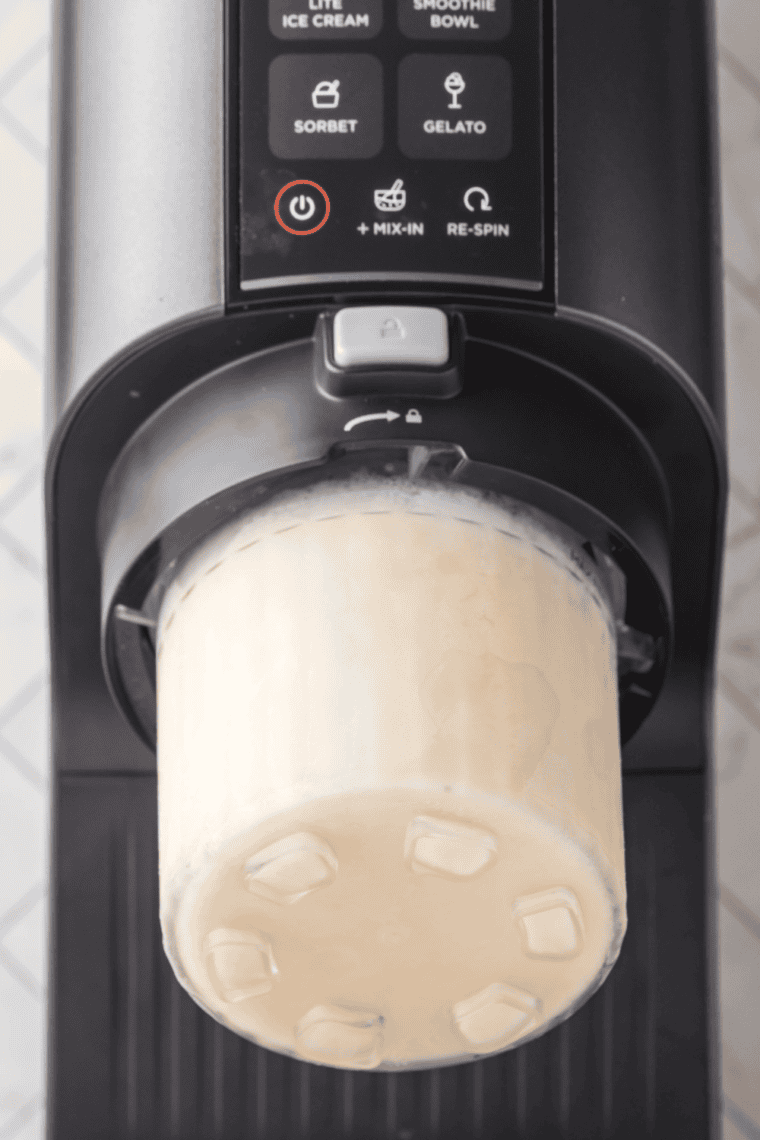
The Creami does not churn air into a base like a traditional ice cream maker. It freezes a pint solid, then shaves that block into fine particles. Whether the result is silky or crunchy depends entirely on how big the ice crystals in that block are — and crystal size is controlled by three things:
- Fat physically gets in the way of crystals joining together.
- Sugar lowers the freezing point, so less of the water actually freezes.
- Stabilizers bind free water so it cannot form crystals at all.
Now look at what a lean protein powder is: almost no fat, almost no sugar, and no stabilizers. You have removed all three defenses at once and replaced them with protein, which does very little to stop crystal growth on its own.
That is the whole problem. It is not your machine, your freezer, or your technique.
The Five Types, Ranked for the Creami
1. Whey-Casein Blend — Best Overall
The sweet spot. Casein thickens and holds water; whey dissolves cleanly and tastes better than casein alone. Together they give you a base that spins dense and smooth on the first pass more often than any other category.
If a label lists both, that is the tub to reach for.
2. Micellar Casein — Creamiest Texture
Casein absorbs a remarkable amount of liquid and turns thick, almost pudding-like, before it ever hits the freezer. That thickness is exactly what a Creami base wants.
The trade-off is flavor and mixability. Casein is chalkier than whey and needs vigorous whisking to dissolve. Many people prefer it as half the protein rather than all of it.
3. Whey Concentrate — Solid Choice
Concentrate retains more fat and lactose than isolate, which is a downside if you are chasing minimal macros and a real advantage if you are chasing texture. It spins noticeably creamier than isolate for the same scoop.
4. Whey Isolate — Works, But Fights You
The leanest, purest option, and the one most likely to produce an icy pint. It is not unusable — plenty of great protein pints are made with isolate — but you will need to add fat or a stabilizer back in deliberately.
If isolate is what you own, do not skip the fixes below.
5. Plant-Based (Pea, Rice, Blends) — Needs the Most Help
Plant proteins bring their own challenges: grittiness, a distinctive earthy flavor, and a tendency to settle. They can absolutely work, but they need full-fat plant milk, a stabilizer, and thorough blending rather than whisking.
Not Recommended: Collagen Alone
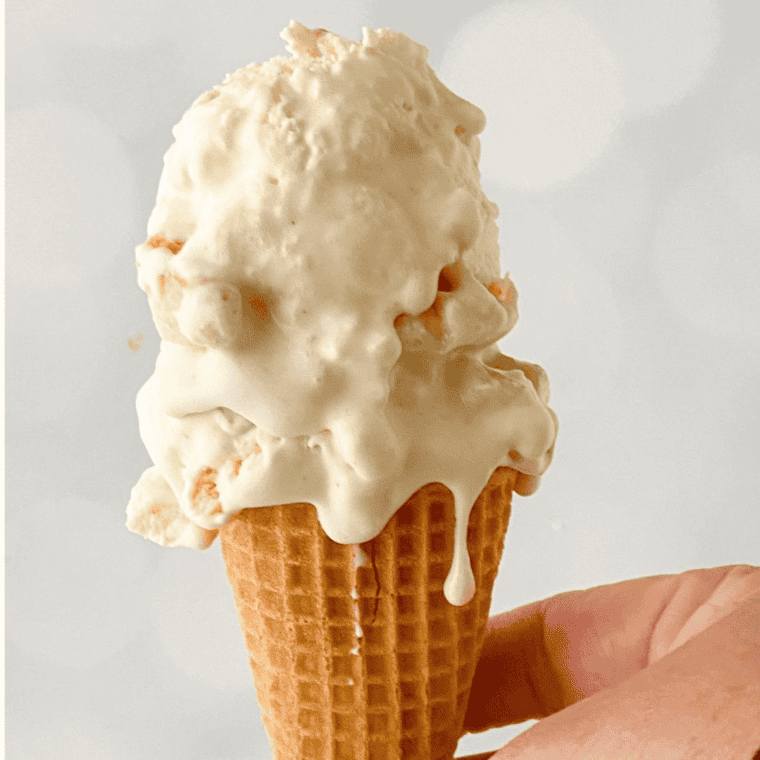
Collagen peptides dissolve invisibly and add protein without changing texture at all — which sounds great and is actually the problem. It contributes nothing structurally, so a collagen-only base freezes into something close to a flavored ice block. Use it alongside another protein, not instead of one.
What to Look For on the Label
Flip the tub over and check for these, in order of importance:
- Some fat. Even 1 to 2 grams per scoop makes a visible difference. Zero-fat powders are the ones that go icy.
- Some carbohydrate. A gram or two of lactose or added carbs helps far more than the macro cost suggests.
- Casein listed anywhere. Micellar casein, calcium caseinate, or milk protein isolate all bring thickening power.
- Gums or lecithin. Xanthan gum, guar gum, and sunflower lecithin are stabilizers. Purists avoid them; your ice cream loves them.
- A flavor you actually like. Freezing mutes sweetness. A powder that tastes mild in a shake will taste like almost nothing in a pint.
Five Fixes That Work With Any Protein Powder
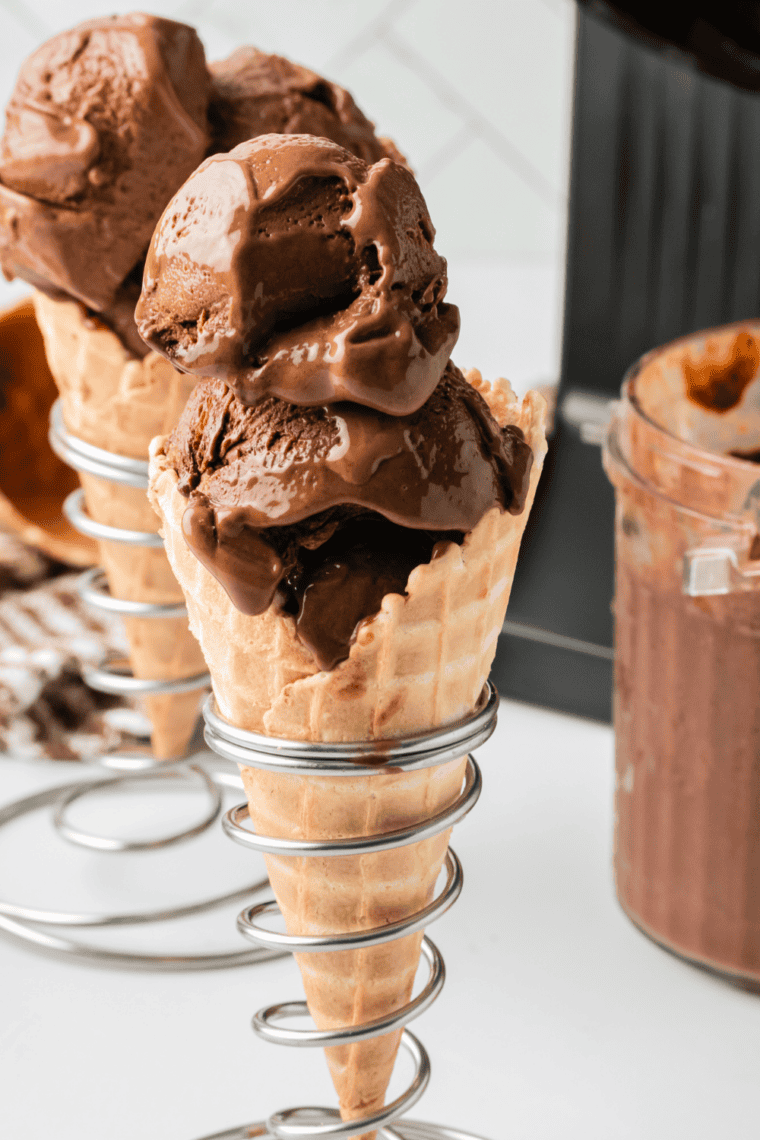
Whatever is already in your pantry, these will improve the result. Use at least one; two is better.
1. Add a spoonful of Greek yogurt or cottage cheese. The single most effective fix. Both add fat, protein, and natural stabilizers at once. This is why our Healthy Ninja Creami Sonic Blast Reese’s Cup leans on them so heavily — it is what keeps a lean base from going crunchy.
2. Use a tablespoon of instant pudding mix. Pudding mix is essentially pre-portioned stabilizer, and it is the trick behind our Cookies and Cream Protein Ice Cream and Banana Pudding Protein Ice Cream. Add the dry powder straight to the base — do not make the pudding first.
3. Sweeten with allulose rather than erythritol or monk fruit. Allulose behaves like sugar structurally: it lowers the freezing point and keeps the pint soft. Most other sweeteners only sweeten, which leaves your base with no freezing-point protection at all.
4. Put a little fat back in. A splash of heavy cream, a tablespoon of cream cheese, or a spoonful of nut butter. Our Ninja Creami Peanut Butter Ice Cream gets its texture from exactly this — the peanut butter is doing structural work, not just flavor work.
5. Use ultra-filtered milk instead of regular. Ultra-filtered milk has less water and more protein by volume, so you get a creamier base and a macro bump for free. It is the easiest upgrade on this list because it changes nothing about your process.
How Much Protein Powder Per Pint?
One scoop, roughly 25 to 30 grams, is the practical ceiling for a single Creami pint.
Two scoops sounds appealing on paper and produces a genuinely worse pint — chalky, dense in the wrong way, and prone to foaming. If you want more protein without more powder, use ultra-filtered milk or a ready-to-drink protein shake as your liquid base instead of adding a second scoop.
Expect somewhere in the range of 25 to 40 grams of protein per finished pint depending on your powder and liquid, which is the whole appeal — that is a full dessert for the protein cost of a shake.
Common Mistakes
Blending instead of whisking. Many protein powders foam aggressively, and that foam freezes into a strange spongy layer. Whisk just until smooth and stop.
Not letting the base rest. Give it five or ten minutes after mixing, especially with casein or plant protein. Powder that has not fully hydrated will feel gritty no matter how long you spin it.
Skipping the temper. Let the frozen pint sit out for five to ten minutes before spinning. This matters more for lean protein bases than for full-fat ones, because a rock-hard low-fat block is what produces that powdery first spin.
Expecting one spin to do it. A crumbly first pass is normal and expected. Add a tablespoon of milk, hit Re-Spin, and repeat if needed. Protein bases almost always need at least one.
Choosing a flavored powder that fights the recipe. A vanilla or unflavored powder is the flexible choice. Strongly flavored powders lock you into one direction and often clash with mix-ins.
Frequently Asked Questions
What is the best protein powder for the Ninja Creami? A whey-casein blend. Casein provides thickness and water-binding, whey provides clean flavor and mixability. Pure whey isolate is the most likely to spin icy because it has almost no fat or lactose left in it.
Why is my protein ice cream icy? Because protein powder is low in fat and sugar, and those are the two ingredients that prevent large ice crystals. Add Greek yogurt, cottage cheese, a tablespoon of pudding mix, or a splash of cream, and switch your sweetener to allulose.
Can I use plant-based protein powder in the Ninja Creami? Yes, but it needs more support. Use full-fat oat or coconut milk, add a pinch of xanthan gum, blend rather than whisk, and let the base rest before freezing so the powder fully hydrates.
Is casein or whey better for protein ice cream? Casein produces a creamier texture; whey tastes better and mixes more easily. A blend of the two outperforms either one alone, which is why blended powders are the top recommendation here.
Can I use collagen peptides? Not on their own. Collagen adds protein without adding any structure, so the base freezes hard and icy. Use it in combination with whey or casein rather than as a replacement.
How many scoops of protein powder per Creami pint? One, around 25 to 30 grams. Two scoops makes the base chalky and does not improve the result. Use ultra-filtered milk or a protein shake as the liquid if you want more protein.
Do I need pudding mix in protein ice cream? Not strictly, but it is the easiest single improvement you can make. It supplies the stabilizers that protein powder lacks, and one tablespoon of the dry mix is enough.
Will a protein shake work instead of powder? Yes, and often better. Ready-to-drink shakes are already fully dissolved, which eliminates grittiness and foaming entirely. They are lower in protein per volume, so the finished pint has a slightly lower total.
Put It to Work
The fastest way to see the difference is to run the same flavor twice with different powders. Start with a recipe that is already engineered around lean protein rather than converting a full-fat one:
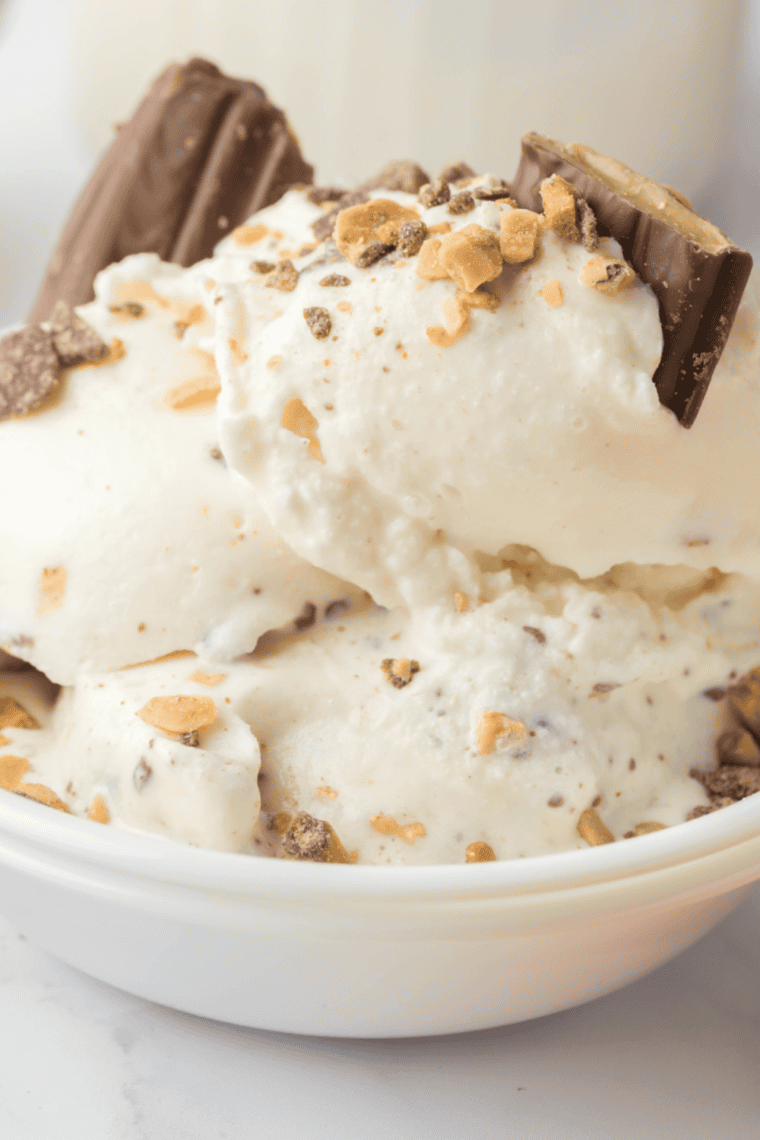
Our Ninja Creami Peanut Butter Ice Cream includes both a classic and a high-protein version in one post, which makes it the clearest side-by-side you can run. From there, Reese’s Protein Ice Cream and Protein Monster Cookie are both built to hold up with a leaner base — and if you want a benchmark for what maximum creaminess feels like, spin a pint of our full-fat Vanilla Bean Ice Cream alongside it. That contrast teaches you more about protein ice cream than any guide can.