
The famous sweet, honey-forward rub — made at home from the real ingredient list so it actually tastes like the bottle. Five minutes, pantry spices, no weird fillers, and you control the salt.
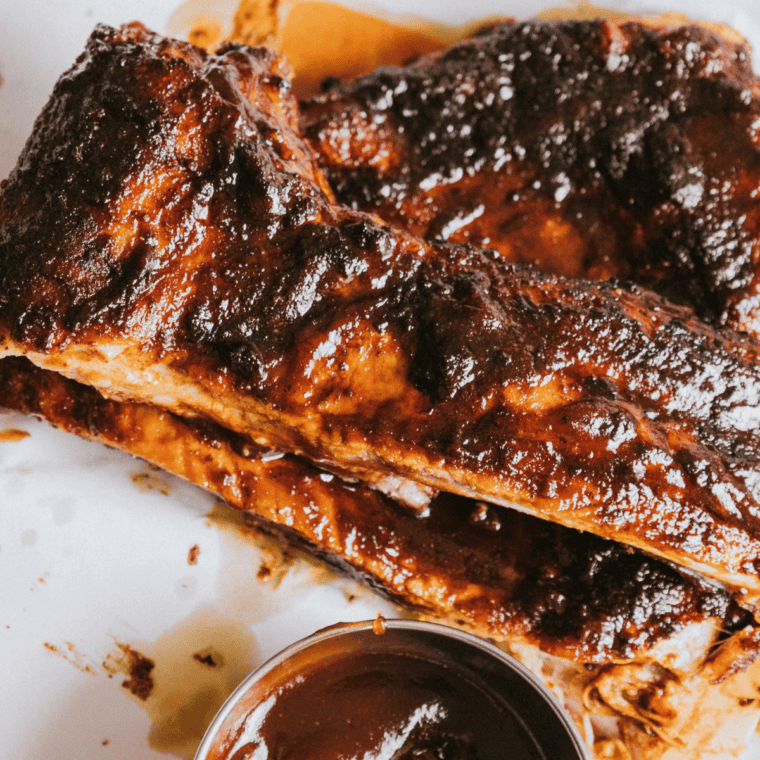
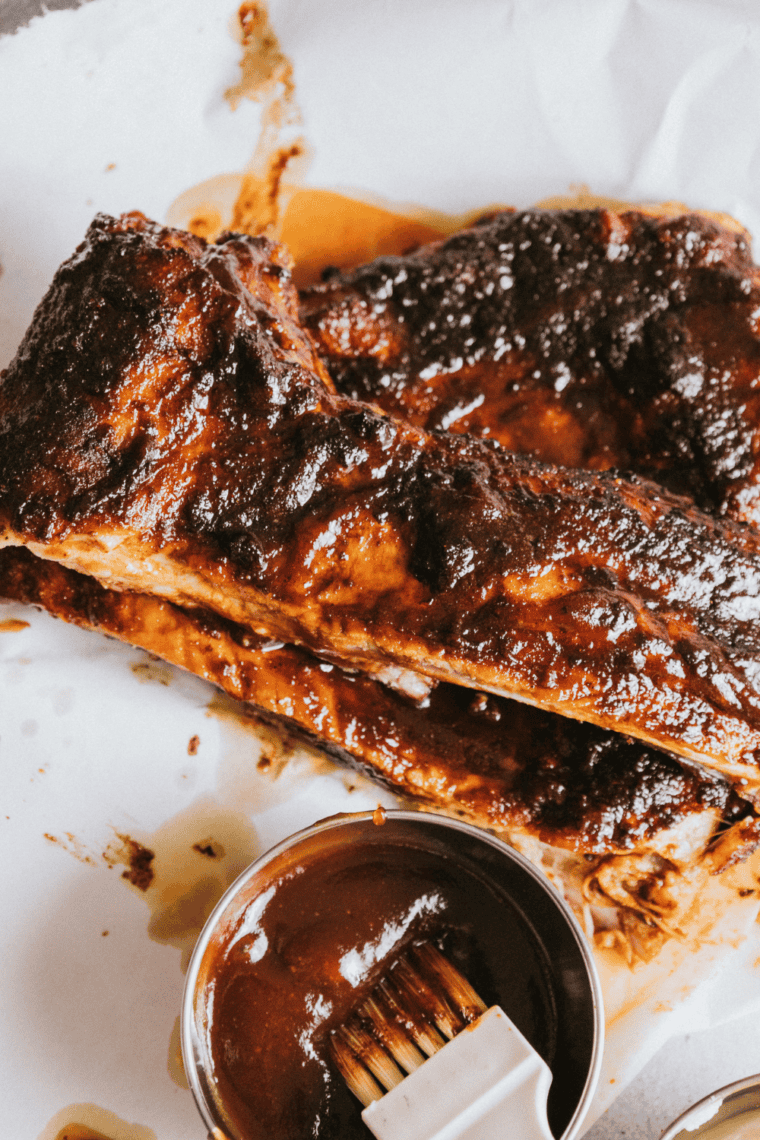
If you smoke pork at home, there’s a good chance you’ve got a half-empty bottle of Meat Church Honey Hog in the cabinet. It’s one of those rubs that just works — sweet, a touch savory, and it lays down that gorgeous mahogany color on ribs and pulled pork. The good news? You can make a homemade copycat in about five minutes for a fraction of the price, and because you’re mixing it yourself, you decide exactly how the salt and sweetness hit the meat.
I’ve tested a lot of “Honey Hog dupes,” and most of them miss in the same way: people reach for chili powder and cayenne to make it interesting. The real thing isn’t spicy at all. The trick is much simpler — and there’s one quiet ingredient most clones leave out entirely (I’ll get to it). If you love a good DIY blend, this joins my other reader favorites like the Copycat Kinder’s The Blend and the Wingstop Louisiana Rub.
Why you’ll love this recipe
- Tastes like the bottle. It’s built from Honey Hog’s real labeled ingredients, not guesswork.
- Ready in 5 minutes with spices you probably already have.
- You control the salt — make it shaker-ready or salt-free for big cuts.
- No fillers or anti-caking junk, and it’s naturally gluten-free.
- Cheaper — roughly $4 a batch versus $10+ for a bottle.
What’s actually in Honey Hog?
Meat Church doesn’t hide the deck. Read the label and you’ll find, in order of weight: sugar, salt, honey powder, paprika, dextrose, dehydrated garlic, and celery, plus an anti-caking agent. That order matters — it tells you the rub is sugar-first and built around sweetness, with paprika doing the heavy lifting on color and garlic and celery rounding out the savory side.
Notice what isn’t there: no black pepper, no chili powder, no cumin, no cayenne. Honey Hog is a sweet rub, full stop. (Its sibling, Honey Hog Hot, is the one with jalapeno for a little kick.) If your homemade version tastes “barbecue-spicy,” you’ve over-built it.
Ingredients you’ll need
Here’s what each one does, so you can adjust to taste:
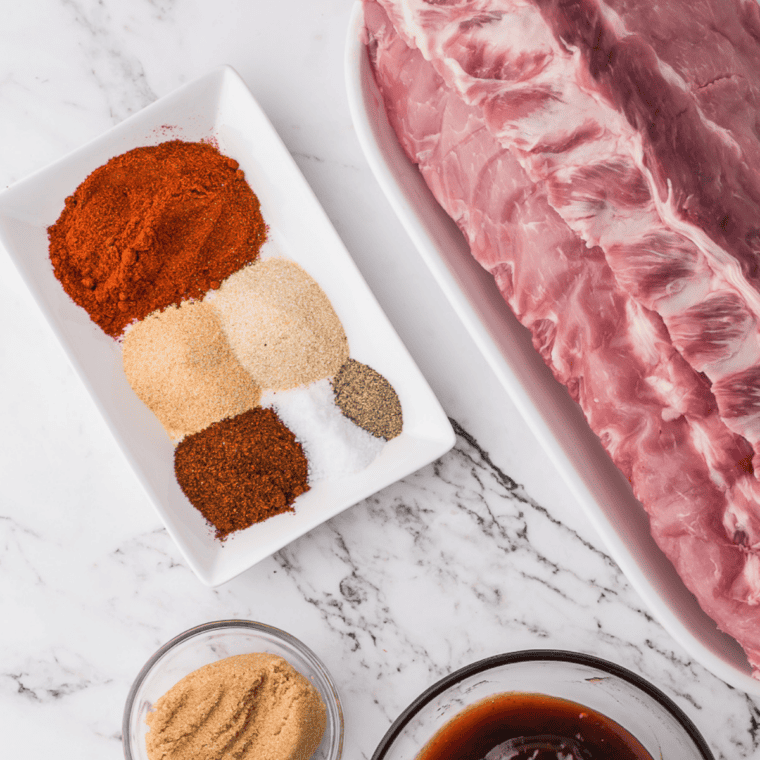
- Granulated & brown sugar: The backbone. White sugar for clean sweetness, a little brown for molasses depth and color.
- Honey powder (dehydrated honey): The namesake. It adds rounded honey sweetness without making the blend wet or clumpy.
- Paprika: Mostly for that signature deep red color on the smoker; use sweet or Hungarian, not smoked, to stay true to the original.
- Kosher salt: Included so it behaves like the bottle. Leave it out for the salt-free version.
- Garlic powder: Savory backbone.
- Celery salt: The quiet secret weapon (more below).
The ingredient most copycats forget
It’s celery — specifically celery salt or ground celery seed. It’s the last savory note on the label and it’s easy to dismiss, but it’s a big part of why Honey Hog tastes “finished” instead of like sweet paprika sugar. That subtle, almost herbal-savory background is the thing your taste buds can’t quite name. Celery seed shows up in a lot of great blends for exactly this reason — it’s the same trick behind my Copycat McCormick Lemon Pepper. Leave it out and the rub is fine; put it in and people start asking what your secret is.
How to make Honey Hog rub
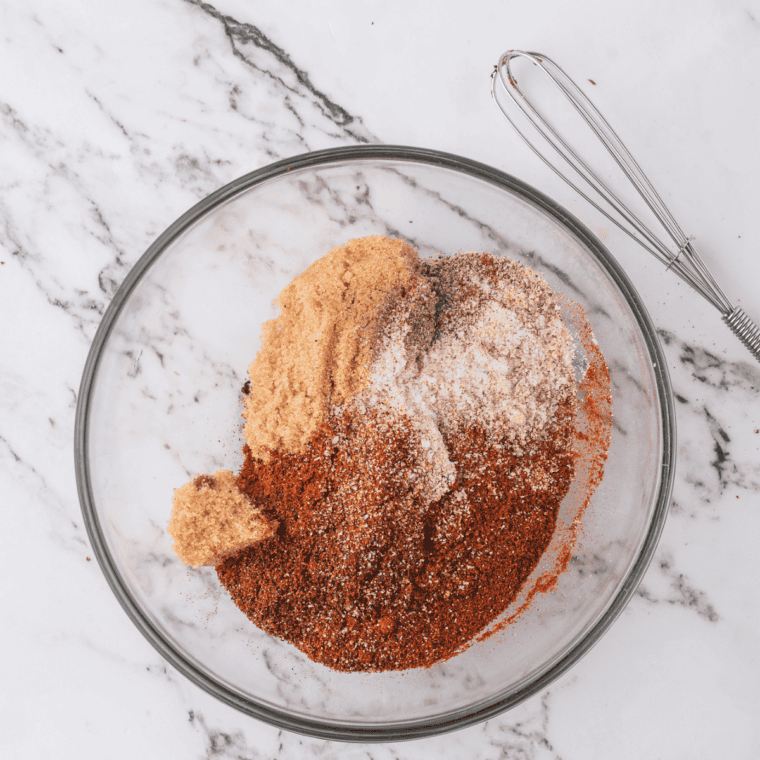
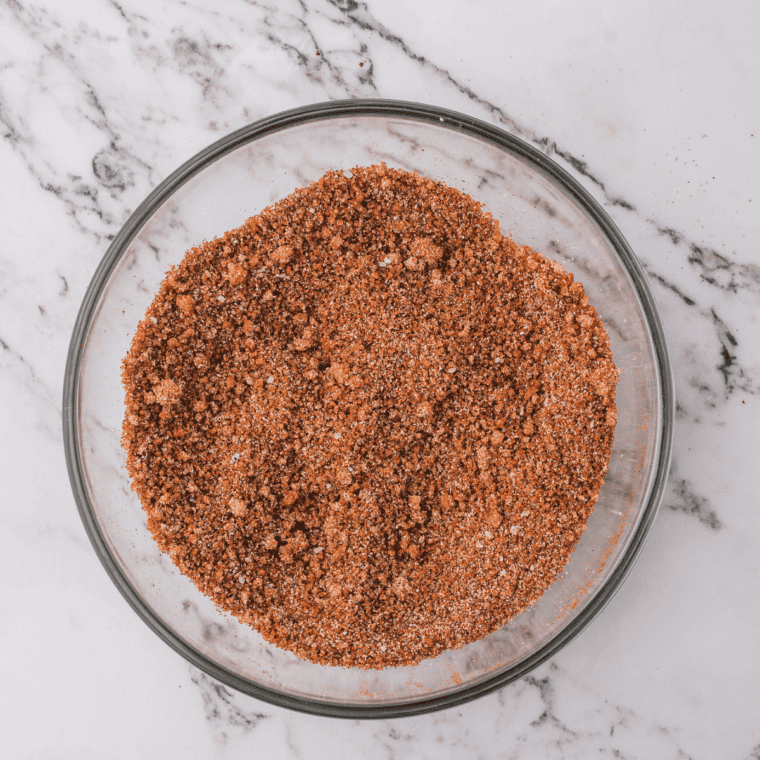
This may be the easiest recipe you make all week. Add everything to a bowl, whisk until the color is even, and you’re done. For a smoother, bottle-like texture, pulse it in a spice grinder. The full printable recipe with measurements is right below.
Pitmaster tip: Sugar-heavy rubs can scorch over direct heat. Honey Hog shines in the 225–275°F range on a smoker. If you’re grilling hot, build a two-zone fire and keep the rubbed side off the flame until the last few minutes.
What to put it on
Honey Hog is marketed as a pork-and-poultry rub, and that’s where it sings, but it’s genuinely versatile:
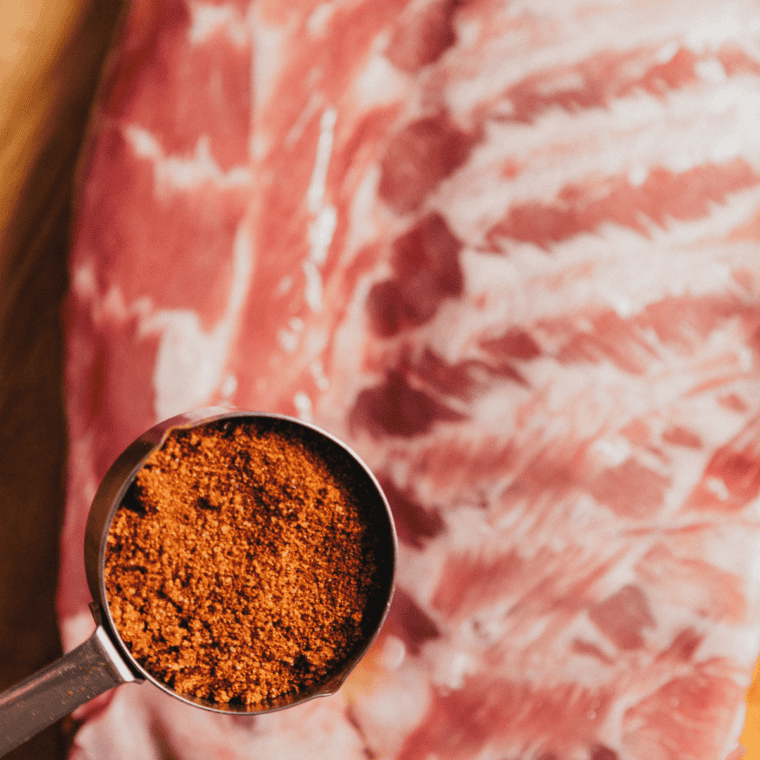
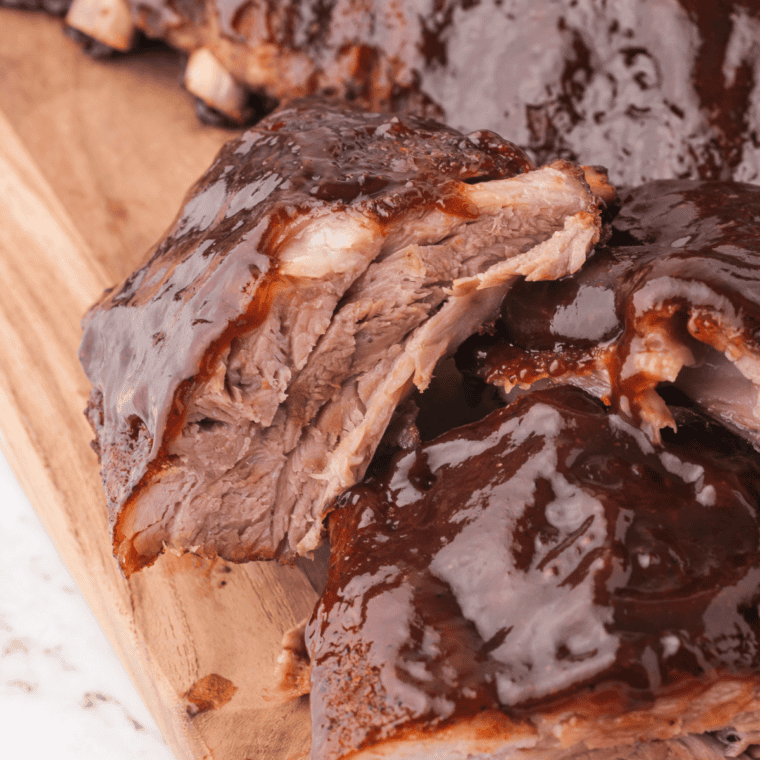
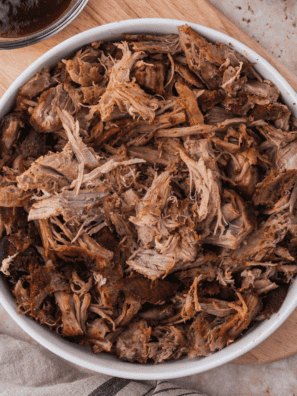
- Pork ribs & pulled pork — the classic use; the sugar builds beautiful bark.
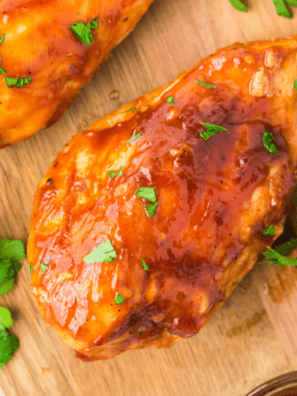
- Chicken thighs and wings — the sweetness caramelizes fast, so watch your heat. (For a spicy, buttery wing instead, try the Wingstop Louisiana Rub.)
- Pork tenderloin or chops for a quick weeknight cook.
- Salmon and other rich fish, used with a light hand.
- Roasted vegetables & sweet potato fries — the sweet-smoky angle works the same way my Wingstop Fry Seasoning does.
Tips for the best rub
- Fresh paprika matters. Paprika older than a year tastes flat and dulls the whole blend — it’s the #1 reason copycats fall short.
- Salt the meat, not just the rub on big cuts. For a pork butt, use the salt-free version and salt separately, about 3/4 tsp kosher salt per pound, before the rub.
- Make small batches. It keeps 6 months, but the aromatics are brightest in the first couple.
- Add heat if you want it. Stir in 1/4 tsp cayenne for a homemade nod to Honey Hog Hot.
How to store it
Keep the rub in an airtight container away from heat and light — a cabinet, not the spot right next to the stove. It’ll stay at its best for about six months; after that it’s still safe, just gradually less punchy as the spices fade. Because there’s real sugar in the mix, keep moisture out so it doesn’t clump. A few grains of rice in the shaker help in humid climates.
Frequently asked questions
What does Meat Church Honey Hog taste like? Sweet first, savory second. It leads with sugar and honey, gets its deep color from paprika, and finishes with a soft garlic-and-celery background. There’s no chili heat — it’s an all-purpose sweet rub, not a spicy one.
Is this exactly the same as the store-bought rub? No — the commercial blend is proprietary, so this is a homemade copycat built from Honey Hog’s labeled ingredients. It’s very close in flavor and color, just made fresh in your own kitchen with no fillers or anti-caking agents.
Is Honey Hog rub spicy? Not at all. The original has no cayenne or chili powder. If you want a little kick, stir in ¼ teaspoon of cayenne, or look at Honey Hog Hot, which adds jalapeño.
Where can I buy honey powder? You’ll find dehydrated honey powder online and in some baking aisles or spice shops. A small jar is inexpensive and lasts a long time. No honey powder on hand? Bump up the brown sugar and add a spoonful of turbinado for a similar rounded sweetness — close, but not identical.
What meats go best with Honey Hog rub? It’s made for pork — ribs and pulled pork especially — and it’s excellent on chicken. It also works on pork chops, salmon, and roasted vegetables. The high sugar content means it browns fast, so keep it to low-and-slow heat, around 225–275°F.
How much should I use per pound? About 1 tablespoon of rub per pound of meat for a solid, even coat. A full batch (roughly 1 cup) covers a couple racks of ribs or one large pork butt with some to spare.
How do I store homemade BBQ rub and how long does it last? Keep it in an airtight jar in a cool, dark cabinet — away from heat, light, and moisture. It stays at peak flavor for about 6 months and is safe beyond that, just gradually less aromatic. Mix smaller batches more often for the freshest flavor.
More Copycat Seasonings & Rubs
Once you’ve got the hang of mixing your own Honey Hog, these homemade blends are worth keeping in the spice cabinet too:
- Copycat Kinder’s The Blend — the all-purpose savory rub that’s good on just about everything
- Wingstop Louisiana Rub — buttery, smoky, and made for crispy chicken wings
- Copycat Wingstop Fry Seasoning — that addictive sweet-and-smoky kick for fries and more
- Longhorn 7 Pepper Seasoning — a bold, coarse pepper crust for steakhouse-style steaks
- Copycat McCormick Lemon Pepper — bright, zesty, and perfect on chicken and fish
- Homemade Dan-O’s Original Seasoning — a low-sodium, all-purpose blend for everyday cooking
- Copycat Tony Chachere’s Creole Seasoning — zesty Louisiana heat for meat, seafood, and veggies
- All the Copycat Kinder’s Blends — the full roundup of homemade Kinder’s-style seasonings
Made this recipe?
Are you on Facebook? Join our Air Fryer Recipes Group, where hundreds of thousands of home cooks share their photos — I’d love to see yours. And on Instagram, tag @forktospoon or use #forktospoon so I can admire your cook!
Copycat Honey Hog BBQ Rub
Description
Ingredients
- ½ cup granulated sugar
- 2 tablespoons light brown sugar, packed
- 3 tablespoons honey powder, dehydrated honey
- 2 tablespoons paprika, sweet or Hungarian, for color
- 1 tablespoon kosher salt, omit for the salt-free version
- 2 teaspoons garlic powder
- 1 teaspoon celery salt
- ½ teaspoon ground celery seed, optional, for extra depth
Instructions
- Add every ingredient to a medium bowl, breaking up any clumps of brown sugar or honey powder with your fingers as you go.
- Whisk thoroughly for about a minute, until the color is even with no streaks of paprika or pockets of sugar.
- For a smoother, more uniform rub that clings better, pulse the blend a few times in a spice grinder or pass it through a fine sieve.
- Funnel into an airtight jar or shaker bottle. Label and date it.
- To use, coat the meat lightly with a binder (mustard, hot sauce, or a little oil), then apply the rub in an even layer. Smoke low and slow at 225–275°F.
Equipment
- Mixing Bowl
- Whisk
Notes
- Salt-free version: Omit the kosher salt and salt the meat separately, about ¾ teaspoon kosher salt per pound, before applying the rub.
- Add heat: Stir in ¼ teaspoon cayenne for a homemade nod to Honey Hog Hot.
- Storage: Keep airtight, away from heat and light, for up to 6 months.
- Use fresh paprika — stale paprika is the #1 reason copycat rubs taste flat.
Nutrition
Share this recipe
We can’t wait to see what you’ve made! Mention @forktospoon or tag #forktospoon!


Anonymous
It’s a great and delicious meal 😄