You made the base at 8pm. You want ice cream tomorrow afternoon. That’s eighteen hours, and the manual says twenty-four, and you are standing in front of your freezer doing math.
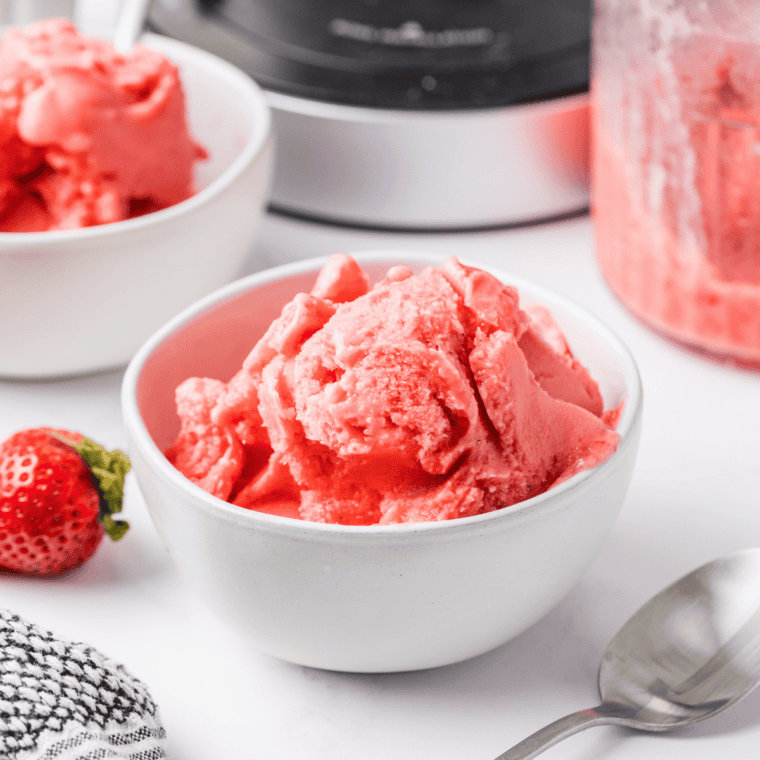
Here is the honest answer: sometimes you can, often you can’t, and it depends almost entirely on what’s in the pint. A sugary full-fat base and a lean protein base behave completely differently at hour eighteen, which is why some people swear the 24-hour rule is overcautious and others find their pint turns to soup.
This guide covers what’s actually happening inside the pint over those twenty-four hours, what you get if you pull it early, and how to know which camp your base falls into.
Why the Number Is 24
The Ninja Creami doesn’t churn. A traditional ice cream maker takes a liquid and freezes it slowly while paddling air in. The Creami does the opposite — it takes a fully solid puck and shaves it into particles fine enough to read as ice cream.
That design has one hard requirement: the puck has to actually be solid, all the way through.
A pint isn’t a glass of water. It’s a tall, narrow column of liquid in an insulating plastic container, and it freezes from the outside in. The outer inch hardens within a few hours. The core is the last thing to go, and it takes far longer than most people expect, because each frozen layer insulates the liquid still inside it.
Twenty-four hours is the manufacturer’s safety margin — the point at which a pint is reliably solid across a wide range of recipes, freezer temperatures, and household conditions. It is not the point at which every pint becomes solid. Many are done sooner. Some genuinely aren’t.
What Happens If You Pull It Early
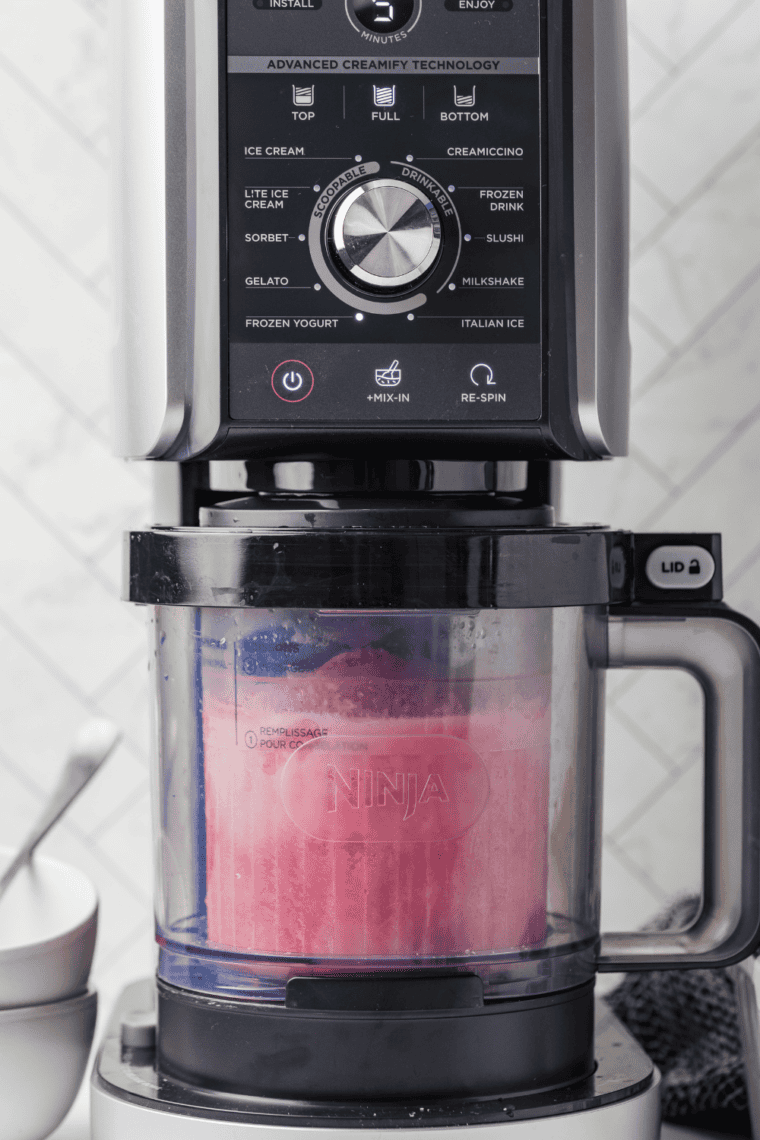
6 to 8 hours. The outside is frozen, the center is liquid or slushy. The blade cuts through the frozen shell, hits soft base, and spins it into something between a milkshake and a smoothie. It won’t hurt the machine, but it isn’t ice cream and it won’t become ice cream with a re-spin.
12 hours. This is where it gets unpredictable. Many full-sugar, full-fat bases are close to done. Lean bases and anything with a lot of fruit purée are usually still soft in the middle. You’ll often get an outer ring of proper ice cream and a soft, wet core that the paddle drags through everything else.
16 to 18 hours. Most bases are genuinely solid by now in a freezer running at 0°F or below. This is the window where cheating usually works. If you’re going to pull early, pull here — not at twelve.
24 hours. Everything is solid. This is the setting the machine was designed around.
Longer than 24 hours. Fine. Bases keep for weeks. The only cost is slow moisture loss and freezer burn on the surface, which a lid prevents.
What Determines Whether Your Base Is Ready Early
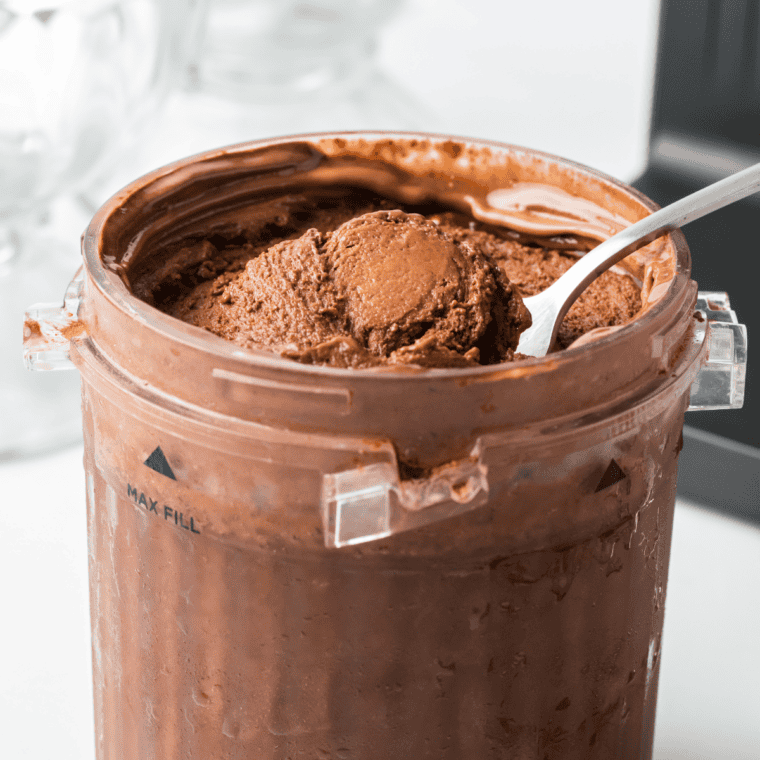
Sugar content
Sugar lowers the freezing point of the base — dissolved sugar molecules physically block water from locking into ice crystals. That’s what keeps a pint scoopable rather than rock hard, and it’s also what makes a sugary base take longer to freeze solid.
The trade is real: a high-sugar base is more forgiving to spin but slower to set. A low-sugar base sets faster and then fights you in the machine. If you’re working with sugar substitutes, which ones you use changes this significantly — my guide to sugar-free Ninja Creami sweeteners covers which ones replace sugar’s physical behavior and which only replace the taste.
Fat content
Fat freezes at higher temperatures than sugar water, so a heavy cream base often reaches solid faster than a skim milk base of the same volume. Full-fat pints are usually the safest candidates for an early pull.
Alcohol
Anything with more than a splash will not freeze properly at all, at any hour. Cap it at a tablespoon or two per pint.
Your freezer
This is the variable people forget. A deep freezer or garage chest freezer runs at -10°F or colder and can set a pint in twelve hours. A fridge-freezer compartment that gets opened twenty times a day, or a pint sitting on the door shelf, may not be solid at twenty-four.
Where the pint sits matters as much as how long it sits. Back of the coldest shelf, flat and level, nothing stacked on top.
How to Tell If a Pint Is Actually Ready
Press the center of the surface with your thumb. If it gives at all, the core is not solid. A ready pint feels like pressing on a countertop.
Tilt it. Any movement or sloshing means liquid inside.
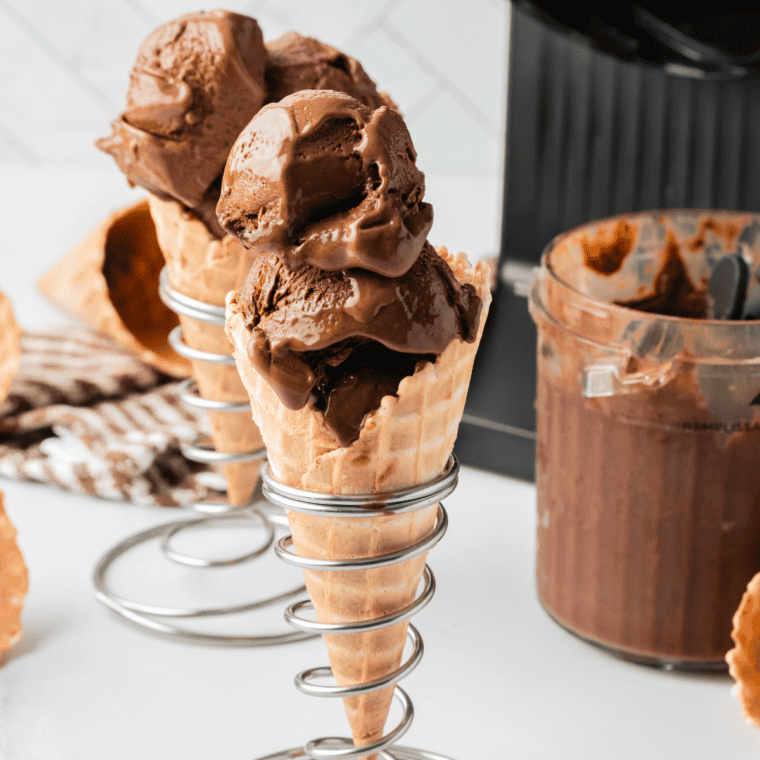
Look at the surface. A fully frozen pint usually has a slightly domed, matte surface. A glossy or dipped center often means it’s still setting.
None of these are perfect, because the core is the last part to freeze and you can’t feel the core through an inch of frozen base. But a pint that fails any of them is definitely not ready.
The Trade-off Nobody Mentions
Here is the thing that makes the 24-hour question more interesting than it looks: freezing longer and colder gives you a harder puck, and a harder puck spins drier.
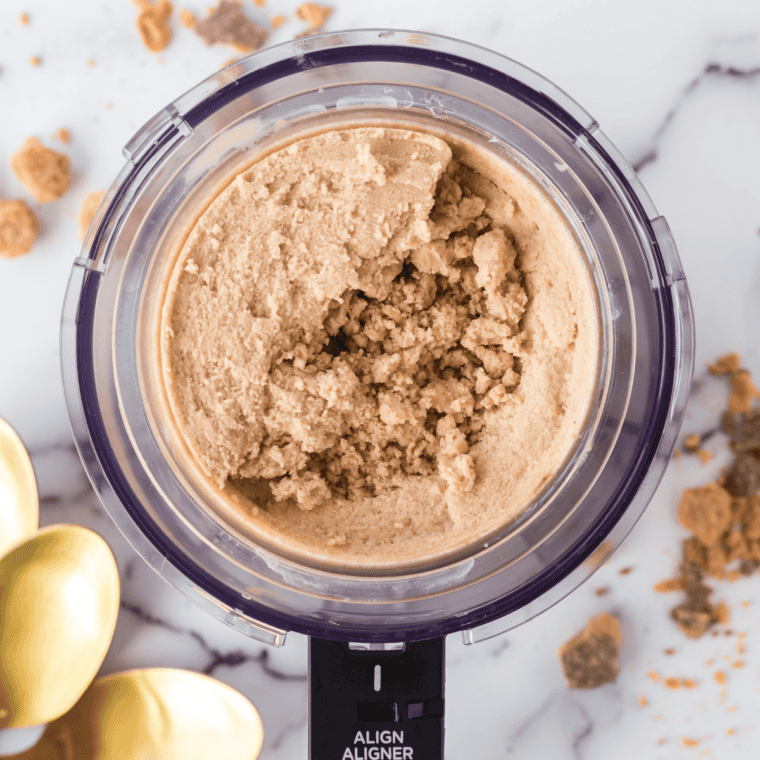
A pint straight out of a -10°F deep freezer is more likely to come out powdery than the same recipe pulled from a warmer freezer. That’s why tempering exists — running warm water over the outside of the pint for 30 to 45 seconds before spinning, or letting it stand on the counter for ten minutes.
So the full picture isn’t “longer is always better.” It’s:
- Too short → slushy, soupy, won’t set up
- Right → solid, spins into ice cream after a re-spin or two
- Very cold → solid but powdery on the first pass, and needs tempering
If your pints come out crumbly rather than soupy, freezing time isn’t your problem — my guide to why Ninja Creami pints come out crumbly covers what is.
Planning Around It
The 24-hour rule stops being annoying the moment you stop making one pint at a time.
Make three or four bases at once. The work is in the mixing, not the freezing. A rotation of pints in the freezer means you never wait.
Mix at night, spin the next evening. That’s about twenty-two hours and works for most bases.
Keep one “safe” pint frozen — a full-fat, full-sugar base that will be ready early if you need it to be.
Label with the time, not just the date. “Vanilla 9pm Tues” tells you what “Vanilla” doesn’t.
Frequently Asked Questions
Can I freeze a Ninja Creami pint for less than 24 hours?
Sometimes. A full-fat, full-sugar base in a cold freezer is often ready at 16 to 18 hours. Lean, low-sugar, high-fruit, and protein bases usually need the full 24. Below 12 hours, almost nothing is ready.
What happens if I spin it too early?
You get something soupy or slushy rather than scoopable. It won’t damage the machine. Put it back in the freezer, let it finish setting, and spin it again — the second attempt usually comes out fine.
Can I speed up freezing?
Somewhat. Chill the base thoroughly in the fridge before it goes in the freezer, put the pint on a metal surface rather than a plastic shelf, and set your freezer to its coldest setting. None of these cut the time in half.
Is it bad to freeze longer than 24 hours?
No. Bases keep for weeks with the lid on. The only real risk is freezer burn on the surface, and a lid prevents that.
Does the pint size change the timing?
Yes. A 24 oz Deluxe pint holds more volume in a wider container and generally takes longer to reach solid than a 16 oz pint. If you’re on a Deluxe, be more conservative about pulling early.
Why does my pint still seem soft after 24 hours?
Usually freezer placement — the door, a crowded shelf, or a freezer running warmer than you think. A freezer thermometer costs a few dollars and settles the question. Very high sugar or alcohol content will also keep a base soft indefinitely.
Does re-freezing spun ice cream take another 24 hours?
No. Already-spun leftovers firm up in a few hours. Level the surface, put the lid on, and re-spin the next day with a splash of milk.
The Bottom Line
Twenty-four hours is a safety margin, not a physical law. Full-fat, full-sugar bases in a cold freezer are frequently ready at sixteen to eighteen. Lean bases, protein bases, low-sugar bases, and anything in a Deluxe pint should get the full day.
And if you find yourself doing this math often, the real fix isn’t cheating the clock — it’s keeping three pints in the freezer so there’s always one that’s ready. Browse the full Ninja Creami recipe library and build a rotation.