That little red-capped bottle of McCormick Grill Mates Mesquite has been quietly running your grill nights for years — and you can make a better version at home for about a quarter of the price. The trick isn’t what most copycat recipes claim; it’s matching what’s actually printed on the label, including the one ingredient nearly every blogger leaves out.
Quick answer: Real McCormick Grill Mates Mesquite Seasoning is built from chili pepper, paprika, salt, garlic, onion, red bell pepper, sugar, and a hit of mesquite smoke flavor — in that order. Most “copycat” recipes online miss the red bell pepper and skip mesquite smoke entirely, which is why they taste close but never quite right. This recipe matches the label and gives you a few smoke-source options based on what you actually have in your pantry.
If you’ve ever flipped the McCormick bottle over and thought “I bet I could make this for a fraction of the price,” you’re right. A 2.5 oz bottle runs $4–6 at the grocery store and you can make roughly the same volume for about a dollar in pantry spices. Below is the recipe, the reasoning behind each ingredient, the variations that actually work, and the troubleshooting most blogs leave out.
Why most copycat mesquite recipes fall short
Search “copycat mesquite seasoning” and you’ll get the same handful of recipes recycled across food blogs: paprika, garlic powder, onion powder, cumin, brown sugar, a pinch of cayenne. Some throw in rosemary or sage. They’re fine seasonings. They’re not mesquite.
Here’s the actual ingredient list straight off the McCormick Grill Mates Mesquite bottle, in order of weight:
Spices (Including Chili Pepper and Paprika), Salt, Garlic, Onion, Red Bell Pepper, Sugar, Sunflower Oil, Citric Acid, Grill Flavor (from Sunflower Oil) and Natural Flavor (Including Mesquite Smoke).
Two things to notice. First, chili pepper is listed before paprika — most copycats invert that or skip chili pepper entirely. Second, red bell pepper is a top-six ingredient, contributing a sweet-vegetal note that nothing else on the typical copycat ingredient list replaces. And finally, the mesquite smoke flavor isn’t an optional flourish — it’s the whole point of the blend. Leaving it out and calling the result “mesquite” is a stretch.
This recipe addresses all three.
Ingredients
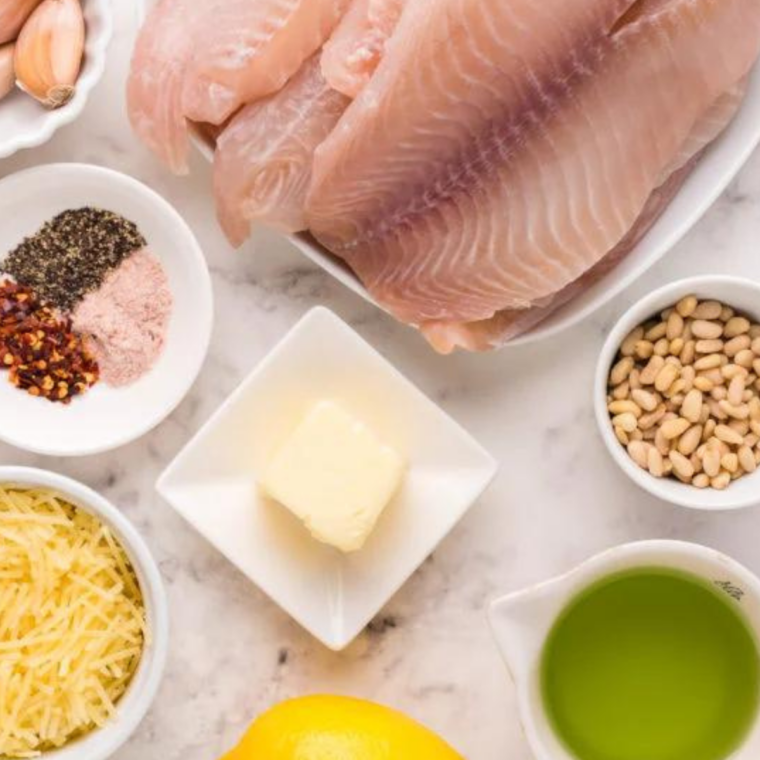
- Sweet paprika: Smoky sweet base with deep red color
- Ancho chile powder: Mild smoky heat with earthy undertones
- Kosher salt: Enhances and balances overall seasoning blend
- Granulated garlic: Strong garlic flavor with savory richness
- Dried minced onion: Sweet onion notes with aromatic depth
- Red bell pepper flakes: Mild heat with subtle sweetness
- Light brown sugar: Light sweetness with caramel-like warmth
- Ground black pepper: Sharp bite with classic pepper heat
- Citric acid: Bright acidity that lifts all flavors
- Liquid smoke: Rich mesquite smoke flavor depth
Instructions
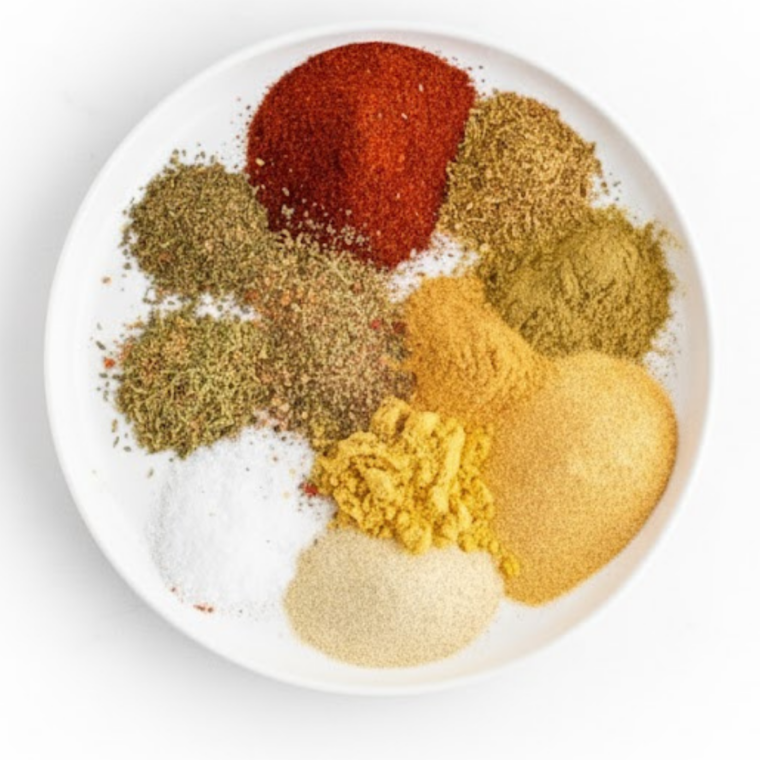
Step 1: If your red bell pepper isn’t already a fine powder, pulse it in a coffee or spice grinder for 15–20 seconds until it’s a coarse powder. Same for any dried onion flakes if you want a smoother blend.
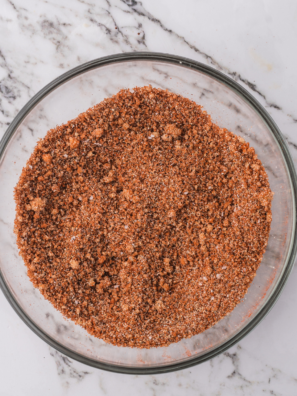
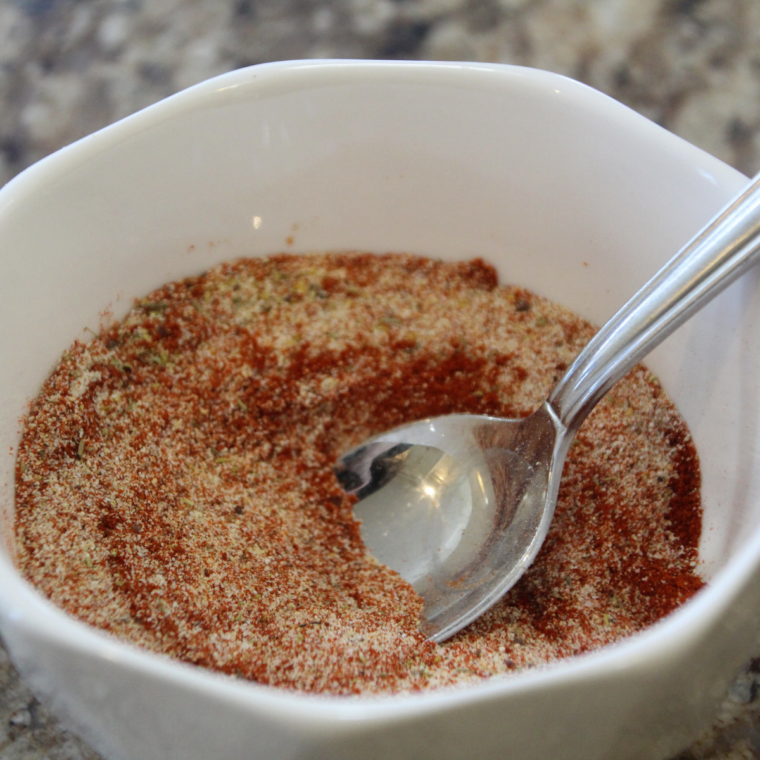
Step 2: Combine all dry ingredients in a small bowl and whisk until uniform.
Step 3: Drizzle in the liquid smoke a few drops at a time, whisking constantly. The blend will clump briefly, then dry out as it absorbs. Break up any clumps with a fork.
Step 4: Spread on a parchment-lined plate for 30 minutes to fully dry, then transfer to an airtight jar.
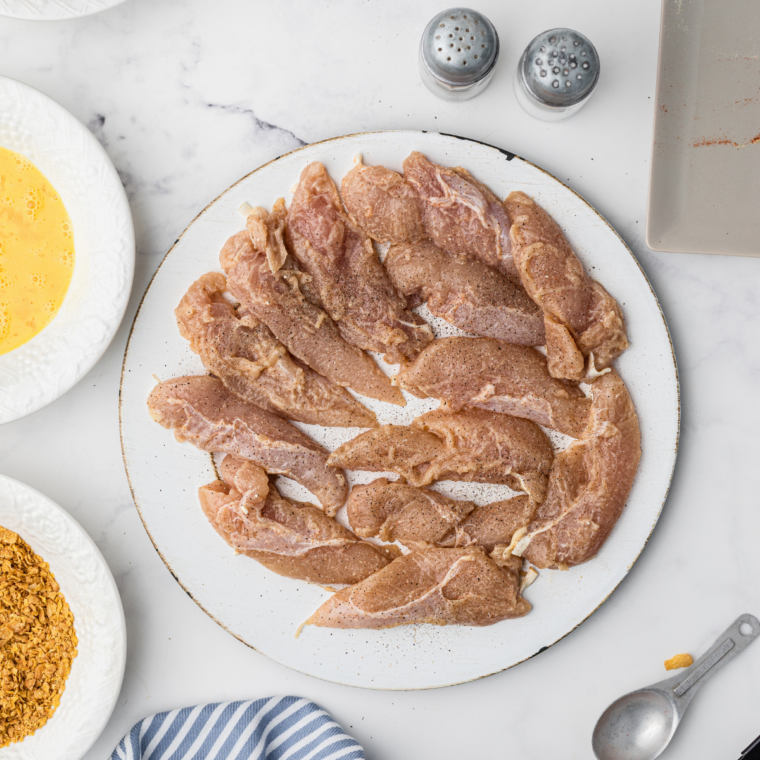
Use 1 tablespoon per pound of meat — the same ratio McCormick recommends on the bottle.
The smoke source decision (this is the part that matters)
The single biggest factor in whether your homemade blend tastes like McCormick is your smoke source. You have three reasonable options, ranked by how closely they match the bottle:
- Liquid smoke (closest match). McCormick uses a natural flavor derived from condensed mesquite smoke, and supermarket liquid smoke — Wright’s and Colgin both sell mesquite varieties — is essentially the same thing in a less concentrated form. A half teaspoon stirred into the dry blend disappears into the powder once it dries. This is what makes the difference between “homemade BBQ rub” and “actually tastes like the bottle.”
- Smoked paprika substitution. Swap the regular paprika for smoked Spanish paprika (pimentón de la Vera). It’s not mesquite smoke — it’s smoldering oak smoke from a different tradition — but it gives you a smoky backbone without adding any liquid. Pick the dulce (sweet) or agridulce (bittersweet) variety. Picante will read as too sharp.
- Mesquite powder. Made from ground mesquite seed pods, this is the only ingredient that contains literal mesquite. It tastes mildly sweet and caramel-like, not smoky — so it adds authenticity but doesn’t replace liquid smoke. If you want the most label-faithful result, use both: a teaspoon of mesquite powder plus a half teaspoon of liquid smoke. Mesquite powder isn’t usually on supermarket shelves but is easy to order online.
Why each ingredient is in there
- Paprika and chili pepper carry the red color, the mild heat, and most of the “warm” baseline flavor. Splitting between sweet paprika and ancho chile is what gives the blend depth — using only one or the other reads flat.
- Salt and sugar balance each other and pull out flavor in whatever you’re seasoning. The light brown sugar is doing more work than you’d think — it’s contributing molasses notes that match what McCormick gets from their sugar plus mesquite-smoke combination.
- Garlic and onion are non-negotiable. Dried minced onion gives you better texture than onion powder alone, which can clump and turn pasty when it hits moisture.
- Red bell pepper is the secret most copycats miss. Dried bell pepper has a concentrated sweet-vegetal character that paprika doesn’t replicate. You can find dried bell pepper flakes in well-stocked spice aisles, at Mexican grocers, or online. In a pinch, you can dehydrate fresh red bell pepper in a low oven (170°F for 4–6 hours) and grind it yourself.
- Citric acid is what gives commercial seasoning blends their bright, lingering finish on the tongue. The McCormick label includes it; almost no copycat recipe does. It’s available wherever canning supplies are sold and a tiny pinch makes a noticeable difference. Skip it if you can’t find it, but if you can, use it.
- Black pepper isn’t on the McCormick label, technically — it’s likely folded into “spices” — but a teaspoon adds the savory bite people associate with grill seasonings.
Sweet mesquite variation
If you usually buy the “Sweet Mesquite” version of McCormick instead of the original, increase the brown sugar to 1 1/2 tablespoons and add 1 teaspoon of granulated sugar. That’s it. The base blend is otherwise identical — McCormick essentially just doubles the sweetener.
How it compares to the bottle
| Factor | Homemade | McCormick Grill Mates |
|---|---|---|
| Cost per ounce | ~$0.40 | ~$1.60–$2.40 |
| Sodium per teaspoon | ~270 mg | ~410 mg |
| Anti-caking agents | None | Sunflower oil, citric acid |
| Shelf life (peak flavor) | 12 months | 24 months (per manufacturer) |
| Sugar source | Brown sugar | Cane sugar |
| Smoke source | Your choice | Natural mesquite smoke flavor |
The two notable trade-offs: store-bought lasts longer (the sunflower oil acts as a stabilizer and anti-caking agent) and has more sodium. Homemade gives you sodium control, a fresher flavor while it’s young, and the ability to swap in better-quality spices than mass-market.
What to use it on (and how much)
This is a versatile blend that works on far more than ribs. Application rates that actually work:
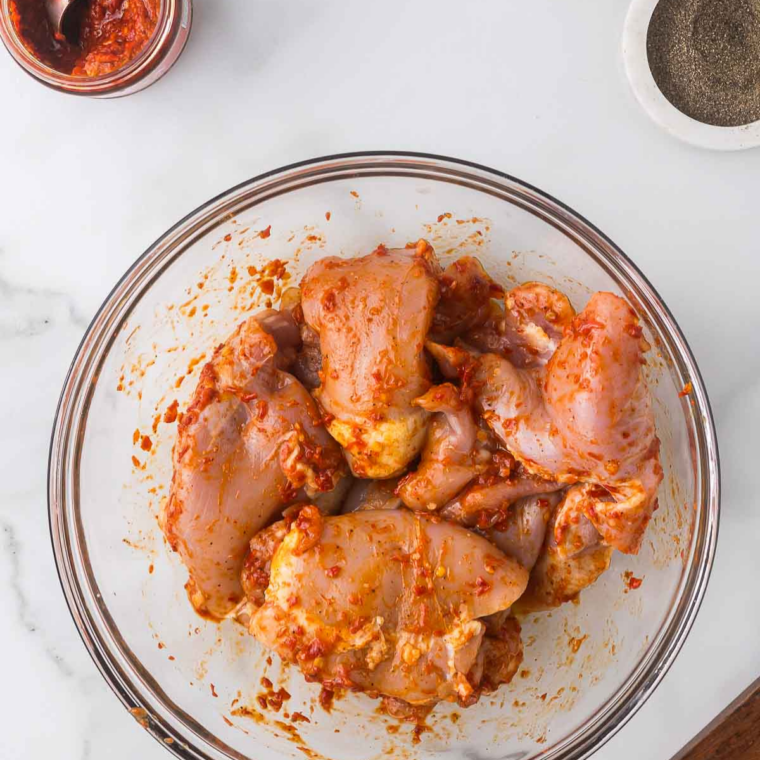
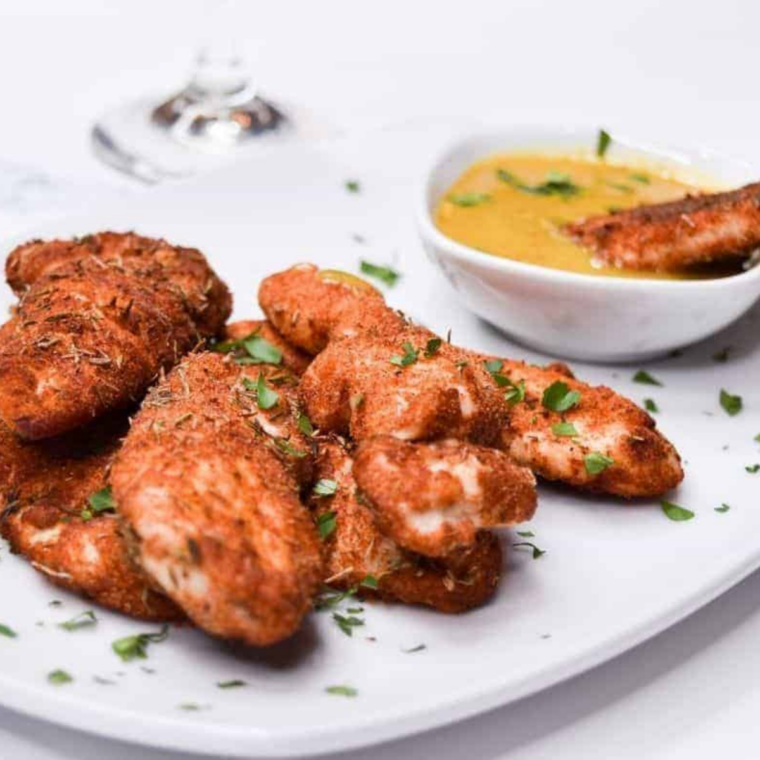
- Chicken (breasts, thighs, wings): 1 tablespoon per pound. Rub on dry meat, let sit 20 minutes before grilling.
- Pork (chops, tenderloin, ribs): 1 to 1 1/2 tablespoons per pound. For ribs, apply the night before and refrigerate uncovered.
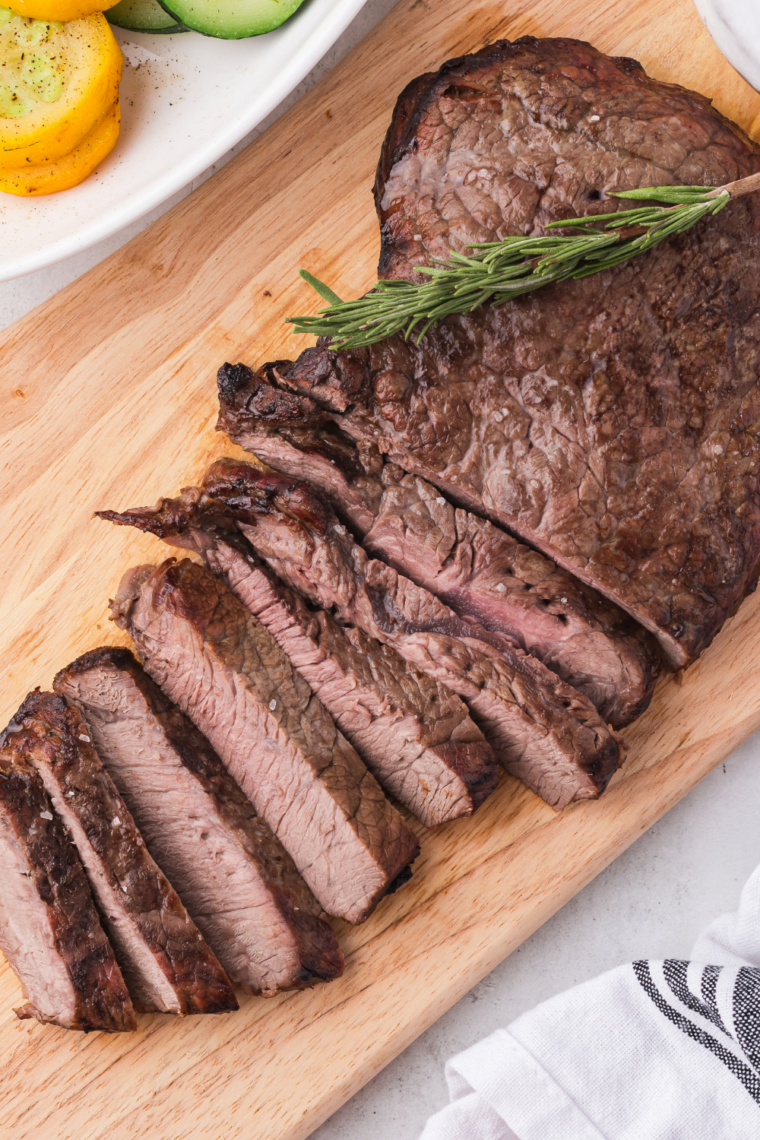
- Beef (steaks, burgers): 2 teaspoons per pound. Beef is already assertive, so go lighter than you would with chicken.
- Salmon and firm white fish: 1 1/2 teaspoons per pound, applied 10 minutes before cooking. Longer than that and the salt starts pulling moisture out.
- Vegetables for grilling or roasting: Toss with olive oil first, then sprinkle 1 teaspoon per pound of cut vegetables.
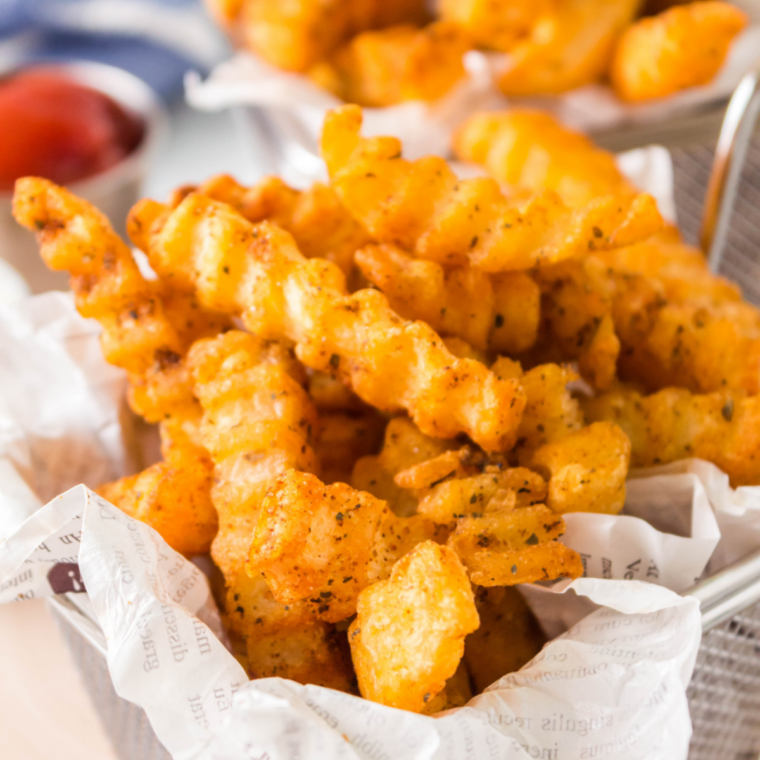
- Potatoes: Toss cubed potatoes with oil and 1 tablespoon seasoning per 1 1/2 pounds before roasting at 425°F.
- Popcorn: A quick shake over freshly popped, buttered popcorn. Genuinely excellent.
- Marinade base: Whisk 2 tablespoons of seasoning into 1/4 cup oil, 2 tablespoons cider vinegar, and 1 tablespoon Worcestershire. Marinate poultry 2–4 hours, pork 4–8 hours, beef up to 24 hours.
Storage and shelf life
Store in a small glass jar with a tight-fitting lid, away from the stove and out of direct sunlight. Heat, light, and humidity are the three things that kill spices fastest — that’s the order in which they do damage. The cabinet next to the stove is the worst storage location in most kitchens; a pantry shelf is the best.
The blend stays safe to eat essentially forever, but flavor peaks in the first 3 to 4 months and noticeably declines after about a year. If you can smell garlic and paprika clearly when you open the jar, it’s still good. If it smells faint or dusty, it’s time for a new batch.
If you used liquid smoke, the blend may feel slightly tacky for the first day. That’s normal — it dries out completely after 24 hours. If it feels wet rather than tacky, spread it on parchment for another hour before sealing the jar.
Troubleshooting
- My blend tastes flat — what’s missing? Almost always the smoke source. If you skipped liquid smoke and didn’t use smoked paprika, you have a generic BBQ rub, not mesquite. Stir in 1/4 teaspoon liquid smoke and let it dry.
- It’s too salty. Reduce the salt to 2 teaspoons and add an extra teaspoon of paprika. Salt levels in commercial mesquite blends are aggressive — yours doesn’t have to be.
- It’s clumping in the jar. Either you didn’t let the liquid smoke dry fully (spread on parchment, let it sit overnight, then re-jar) or your storage location is humid. Tossing a rice grain or two into the jar absorbs ambient moisture.
- Not smoky enough. Increase the liquid smoke by 1/4 teaspoon at a time, drying after each addition. Don’t exceed 1 1/2 teaspoons total per half cup — past that point it tastes acrid rather than smoky.
- Too sweet. Cut the brown sugar to 1 teaspoon. Some palates read commercial mesquite as too sweet to begin with; this is a legitimate adjustment, not a fix.
FAQs
What is mesquite seasoning supposed to taste like? Mesquite seasoning should taste smoky and slightly sweet, with a savory backbone of garlic, onion, and pepper. Authentic mesquite flavor comes from mesquite wood smoke — a Southwestern hardwood that burns hot and produces a distinctive nutty, earthy smoke. Bottled mesquite seasonings approximate this with mesquite smoke flavoring rather than actual wood smoke.
Is mesquite seasoning the same as BBQ rub? No. BBQ rubs are typically heavier on sugar and often include cumin, paprika, and chili powder for a Kansas City or Memphis profile. Mesquite seasoning is specifically built around mesquite smoke flavor and tends to be more savory than sweet, with a Southwestern rather than barbecue-belt character.
Can I make this without liquid smoke? Yes — substitute smoked paprika for the regular paprika. You won’t get authentic mesquite character (smoked paprika is oak-smoked, not mesquite-smoked), but you’ll get a legitimately smoky blend that works as a stand-in.
Is mesquite powder the same as mesquite seasoning? No. Mesquite powder is ground mesquite seed pods — naturally sweet, caramel-flavored, and used in baking and smoothies more than savory cooking. Mesquite seasoning is a spice blend designed to flavor grilled meats and contains little or no actual mesquite.
Where do I find red bell pepper flakes? Most well-stocked spice aisles carry them. Penzeys, The Spice House, and Mexican grocers all stock dried bell pepper. You can also make your own by dehydrating thin slices of red bell pepper at 170°F for 4–6 hours, then grinding in a coffee grinder.
Can I make this without a spice grinder? Yes, if you start with ingredients that are already ground (use onion powder instead of dried minced onion, ground red bell pepper instead of flakes). A mortar and pestle works for any small amount of grinding you do need.
How much should I use per pound of meat? One tablespoon per pound is the McCormick standard and a good starting point. Reduce to two teaspoons for fish and lean cuts; bump to 1 1/2 tablespoons for fatty cuts like pork shoulder and short ribs.
Is this recipe gluten-free? Yes — all the ingredients listed are naturally gluten-free. If you’re cooking for someone with celiac, verify that your individual spices are certified gluten-free, as some bulk spice blends can be processed on shared equipment.
Can I scale this up to make gifts? Easily. Quadruple the recipe to fill four 4-ounce mason jars, which makes a great housewarming or holiday gift. Label with “Use 1 Tbsp per pound of meat” and a “best by” date 12 months out.
Does this work in air fryers and indoor grills? Yes, and arguably better than on a charcoal grill — the seasoning doesn’t have to compete with smoke from the cooking method, so the blend’s own smoke flavor comes through cleaner. Pat meat dry, oil lightly, season, and cook as usual.
More Easy Homemade Seasoning Blends to Try
If you loved this copycat Morton’s Nature’s Seasoning recipe, you’ll want to try these other DIY blends:
- Copycat McCormick’s Smash Seasoning Recipe (Better Than Store-Bought!)
- Copycat Montreal Steak Seasoning
- Copycat Morton’s Nature’s Seasoning Recipe
- Homemade Old Bay Seasoning
- Red Lobster Cajun Seasoning Recipe
- Lawry’s French Fry Seasoning Recipe
Did you make this recipe? Leave a star rating and a comment below — I love hearing how it turned out! And don’t forget to pin this recipe to your “Homemade Seasonings” board on Pinterest for later.
Copycat McCormick Mesquite Grill Seasoning
Description
Ingredients
- 2 tablespoons sweet paprika
- 1 tablespoon ancho chile powder, or mild chili powder
- 1 tablespoon kosher salt
- 1 tablespoon granulated garlic, or 2 teaspoons garlic powder
- 1 tablespoon dried minced onion, or 2 teaspoons onion powder
- 2 teaspoons red bell pepper flakes, ground and dried
- 2 teaspoons light brown sugar
- 1 teaspoon ground black pepper
- 1/2 teaspoon citric acid, optional but recommended
- 1/2 to 1 teaspoon liquid smoke, mesquite liquid smoke
Instructions
- Grind the bell pepper. Pulse dried red bell pepper flakes in a coffee or spice grinder for 15–20 seconds until you have a coarse powder. Do the same with dried minced onion if you want a smoother final blend.
- Combine the dry ingredients. Add paprika, ancho chile powder, salt, granulated garlic, ground onion, ground bell pepper, brown sugar, black pepper, and citric acid to a small bowl. Whisk until uniform in color with no streaks.
- Add the liquid smoke. Drizzle in liquid smoke a few drops at a time, whisking constantly. The blend will clump briefly, then absorb the moisture. Break up any clumps with a fork.
- Dry the blend. Spread on a parchment-lined plate for 30 minutes to fully dry. This step is essential — sealing it before it’s dry causes clumping in the jar.
- Store. Transfer to a small airtight glass jar. Label with the date.
Equipment
- Mixing Bowl
- Whisk
Notes
- Grind the bell pepper. Pulse dried red bell pepper flakes in a coffee or spice grinder for 15–20 seconds until you have a coarse powder. Do the same with dried minced onion if you want a smoother final blend.
- Combine the dry ingredients. Add paprika, ancho chile powder, salt, granulated garlic, ground onion, ground bell pepper, brown sugar, black pepper, and citric acid to a small bowl. Whisk until uniform in color with no streaks.
- Add the liquid smoke. Drizzle in liquid smoke a few drops at a time, whisking constantly. The blend will clump briefly, then absorb the moisture. Break up any clumps with a fork.
- Dry the blend. Spread on a parchment-lined plate for 30 minutes to fully dry. This step is essential — sealing it before it’s dry causes clumping in the jar.
- Store. Transfer to a small airtight glass jar. Label with the date.
Nutrition
Share this recipe
We can’t wait to see what you’ve made! Mention @forktospoon or tag #forktospoon!