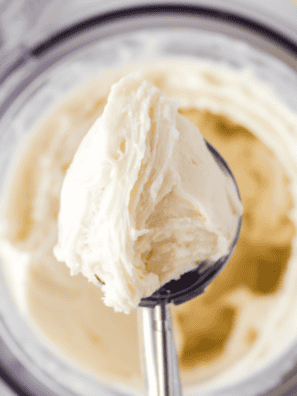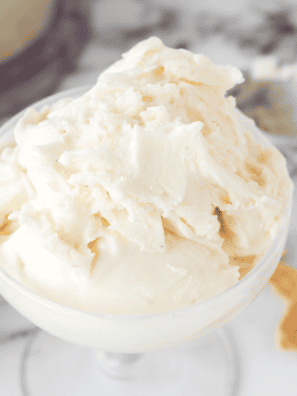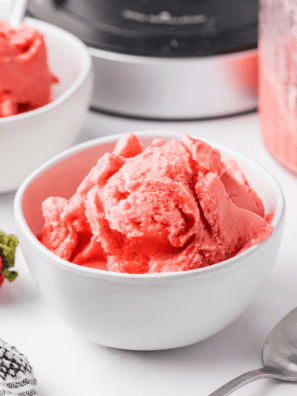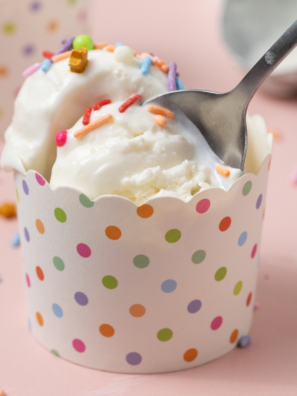
Greek yogurt is the single easiest way to turn a Ninja Creami pint into something you can eat every day without thinking twice about it. It brings protein, body, and a tang that keeps sweet flavors from going flat — and it does all three at once, without a single specialty ingredient.
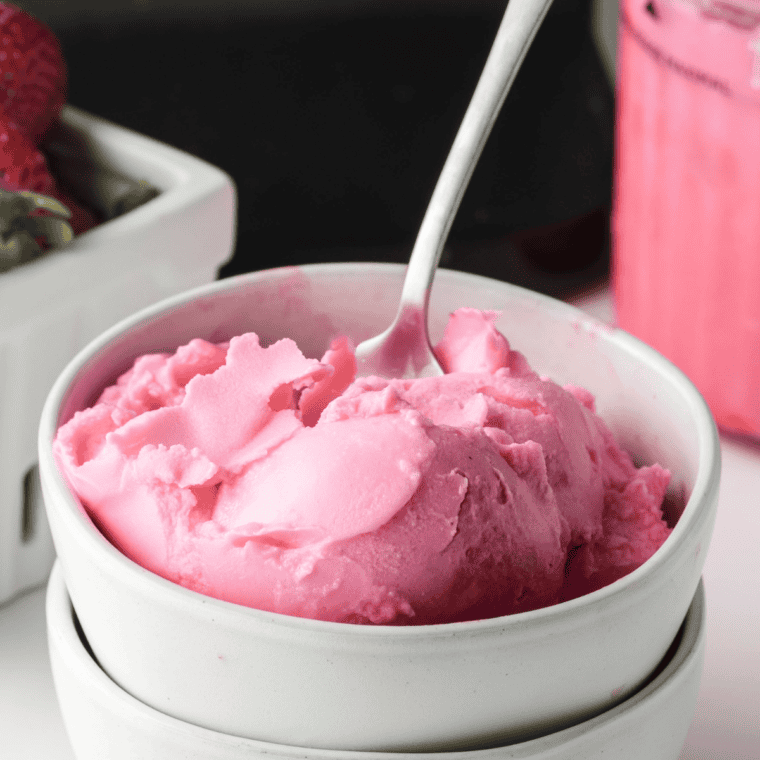
But yogurt does not behave like cream in a freezer, and most of the disappointing yogurt pints people make come down to three or four fixable mistakes. This guide covers what yogurt actually does in a frozen base, which one to buy, the ratios that work, and how to fix a pint that comes out chalky, icy, or sour.
Why Greek Yogurt Works So Well in the Creami
A traditional ice cream base gets its texture from fat. Fat coats ice crystals as they form and keeps them small, which is why heavy cream makes everything creamy and skim milk makes everything icy.
Greek yogurt gets there by a different route. It has been strained, so it holds far less water than regular yogurt and far more protein — usually 15 to 20 grams per cup. That protein does some of the same work fat does: it gets in the way of ice crystals and gives the base something to hold onto during the spin.
This matters specifically for the Creami. The machine shaves a solid block into ice cream, so it is unusually good at rescuing bases that would fail in a churn-style machine. A yogurt base that would freeze into a brick in an ice cream maker comes out of a Creami spin as soft serve.
The tang is the other half. Frozen desserts lose flavor intensity as they get colder — this is why ice cream tastes sweeter melted. Yogurt’s acidity cuts through that dulling effect, which is why a yogurt-based strawberry pint tastes more like strawberry than a cream-based one does.
Which Greek Yogurt to Buy
Full-fat (5%) makes the best texture. It is the closest to a traditional base and the most forgiving. If you are making this as dessert rather than as a protein target, buy 5%.
2% is the sweet spot for most people. Enough fat to spin smooth, still high in protein, no special handling needed.
Nonfat (0%) works but demands help. With no fat at all, you need something else doing that job — a tablespoon of nut butter, half a banana, an ounce of cream cheese, or a tablespoon of instant pudding mix. Skip that step and the pint comes out chalky and dry no matter how many times you re-spin it.
Plain vs. flavored: Plain gives you control over sweetness and is the better base for fruit. Flavored yogurt is a shortcut that genuinely works — vanilla Greek yogurt plus nothing else is a legitimate one-ingredient pint — but it is usually sweeter than you would make it yourself.
Skip Icelandic skyr for your first attempts. It is even more strained than Greek yogurt, which sounds like an improvement but tips the base toward dry and pasty. Use it once you know what texture you are aiming for.
The Ratio That Works
For one standard 16 oz pint:
- 1 cup Greek yogurt
- 1/2 cup milk (whole, or ultra-filtered for extra protein)
- 2 to 3 tablespoons sweetener
- 1 teaspoon vanilla
- Pinch of salt
That is the frame. Everything else is a variation on it.
The milk is not optional. Straight yogurt with nothing thinning it freezes denser than the machine likes, and you will fight it through three re-spins. The half cup brings the water content back up to something the paddle can work with.
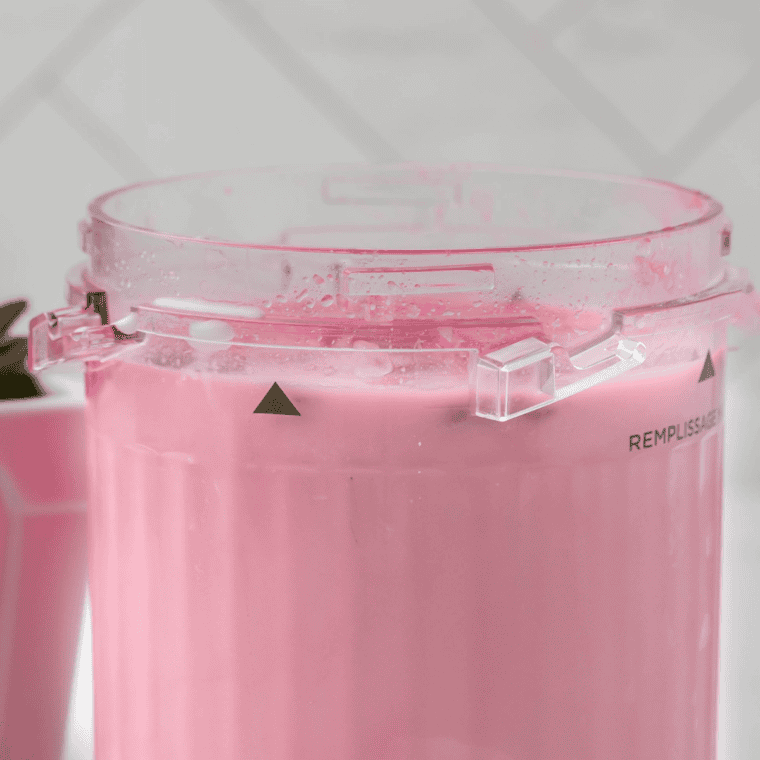
Do not fill past the MAX FILL line. The base expands as it freezes, and an overfilled pint domes upward, jams the paddle, and can trip a motor error.
Sweetener Is Not Optional — And the Type Matters
This is where most low-sugar yogurt pints go wrong.
Sugar does more than make things sweet. It lowers the freezing point, which is what keeps a pint scoopable instead of solid. Strip the sugar out entirely and you get a block of frozen yogurt with the texture of a hockey puck.
- Honey and maple syrup are the best choices. Both are invert sugars, both resist crystallizing, and both keep the pint soft.
- Allulose is the best sugar-free option by a wide margin. It behaves like sugar in the freezer, which almost no other substitute does.
- Erythritol and pure stevia are the ones to avoid. Erythritol recrystallizes as it freezes and gives the pint an unmistakable crunch. This is the single most common complaint about low-sugar Creami recipes, and it is a sweetener problem, not a technique problem.
Two to three tablespoons per pint is the working range. Taste the base before freezing — it should be slightly sweeter than you want the final result, because freezing mutes it.
Which Program to Use
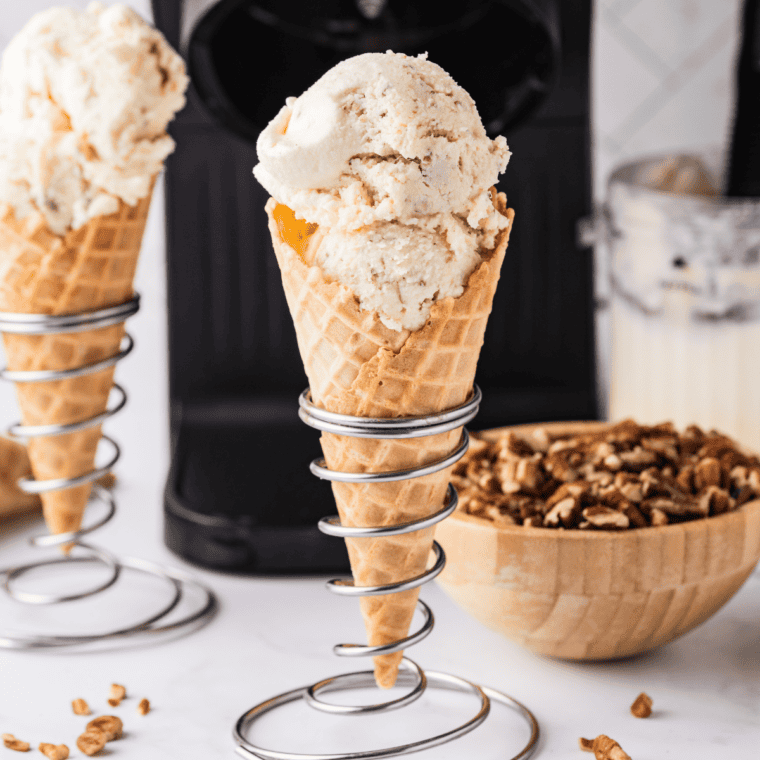
Use LITE ICE CREAM for yogurt bases, not ICE CREAM.
The Lite program is tuned for lower-fat bases and handles them more gently. Running a yogurt base on the full Ice Cream setting tends to produce a drier, more crumbled first pass.
If your machine has a dedicated FROZEN YOGURT program, use that instead — it is built for exactly this.
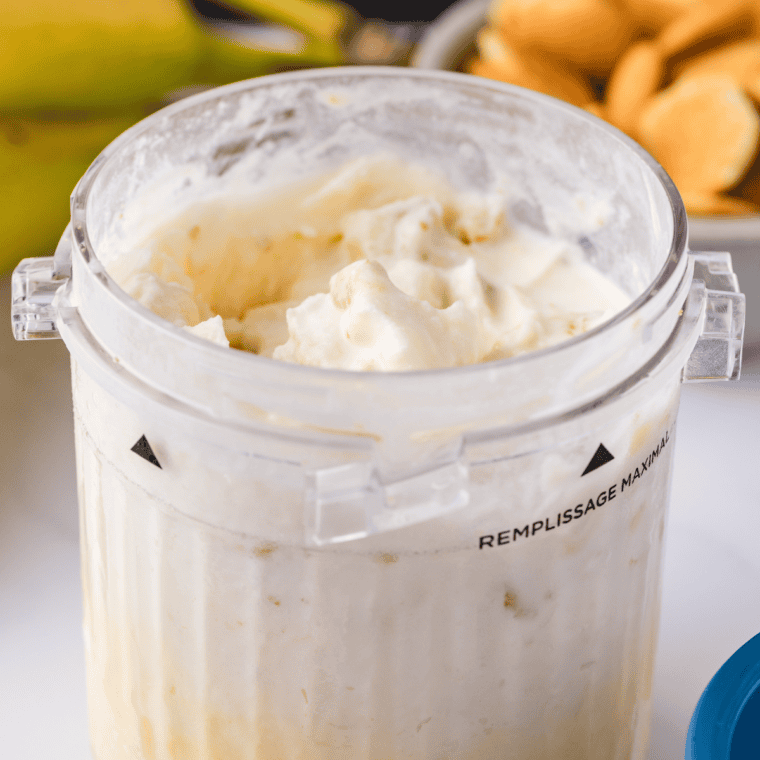
Then expect to re-spin. Yogurt bases come out of the first spin looking powdery or crumbled far more often than cream bases do. This is normal and not a sign anything went wrong. Add a tablespoon of milk down a hole in the center and run RE-SPIN. Most yogurt pints need one or two passes. Some need three.
Troubleshooting
Chalky or dry. Not enough fat. Add nut butter, cream cheese, banana, or avocado to the next batch, or move up from 0% to 2%.
Crunchy or gritty. Almost always erythritol. Switch to allulose, honey, or sugar.
Rock hard, machine struggles. Not enough sugar, or the freezer runs very cold. Let the pint sit on the counter 5 to 10 minutes before spinning, and add a tablespoon more sweetener next time.
Too sour. Add sweetener, a pinch of salt, and a little vanilla. Full-fat yogurt also reads less tangy than nonfat. If it is still sharp, cut the yogurt with more milk next time.
Icy. Too much water. Reduce the milk slightly, or add 1/8 teaspoon of xanthan gum blended into the base — but no more than that, or it turns slippery.
Grainy or separated-looking. The base was whisked rather than blended. Yogurt needs a blender or immersion blender to emulsify properly.
Flavor Directions That Work
Fruit. Macerate it first — toss diced fruit with a spoonful of sugar and let it sit 15 to 20 minutes before blending. This draws out juice, deepens flavor, and stops the pieces from freezing into hard nuggets.
Cocoa. Bloom it in a little warm milk before adding, or it will never fully hydrate and the pint will taste dusty.
Coffee. Instant espresso powder rather than brewed coffee — brewed adds water you do not want.
Citrus. Lemon or lime zest plus juice. Yogurt’s tang and citrus reinforce each other well.
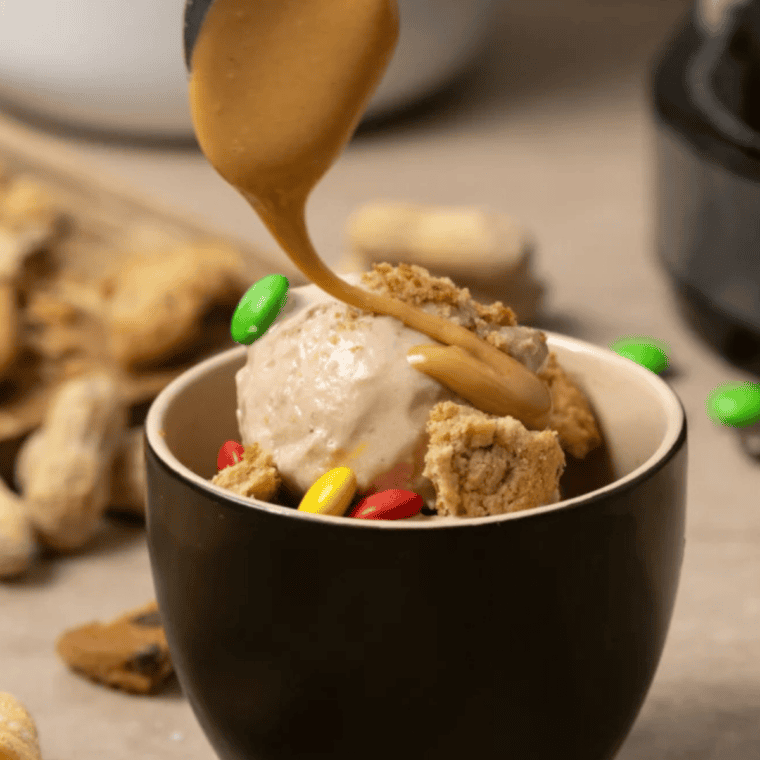
Cheesecake. Add an ounce or two of cream cheese to the base. It is the most reliable way to make a yogurt pint taste indulgent rather than healthy.
Mix-ins. Go in after the first spin, never before. Dig a hole about 1.5 inches wide straight to the bottom of the pint, add the mix-ins, and run MIX-IN once.
Frequently Asked Questions
Can I use regular yogurt instead of Greek? You can, but it holds much more water and freezes icier. If regular yogurt is what you have, cut the added milk to a couple of tablespoons and expect a firmer result.
Do I need to add milk at all? For most bases, yes. Straight yogurt freezes very dense and fights the machine. The exception is a flavored, already-loose yogurt, which sometimes spins fine on its own.
Is this actually frozen yogurt? Close to it. Commercial frozen yogurt is usually made from a cultured milk base with added sugar and stabilizers. This is tangier and higher in protein than most shop froyo.
How long does it keep? Bases keep about two months frozen, though quality slips after that. Spun leftovers re-freeze well — level the surface, put the lid on, and re-spin tomorrow with a splash of milk.
Can I make it dairy-free? Coconut-based yogurt works best; almond-based yogurts are thin and freeze icy. Full-fat coconut yogurt plus a tablespoon of maple syrup makes a good base.
Why is my pint crumbly after two re-spins? Add a tablespoon of milk, let the pint sit at room temperature for five minutes, and re-spin again. Cold plus dry is the combination that resists, and warming it slightly is usually what breaks the stalemate.